

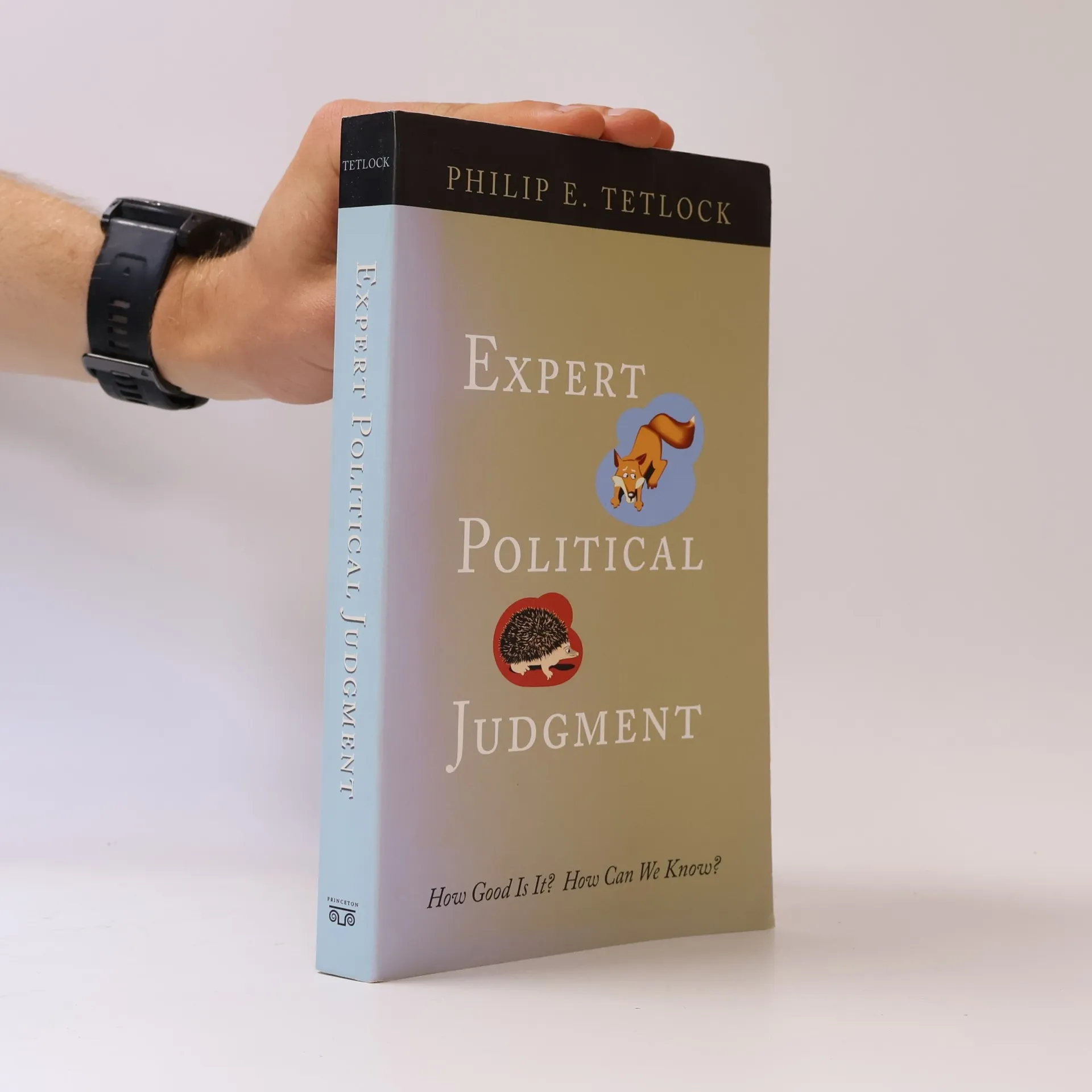
The intelligence failures surrounding the Iraq invasion highlight the urgent need for standards in evaluating expert opinion. This book addresses that gap by exploring what constitutes good judgment in predicting future events and examining why experts often miss the mark. The author discusses whether the complexity of the world hinders our ability to understand political phenomena and make accurate predictions. He compares expert forecasts to those made by well-informed laypeople and simple trend extrapolations. Analyzing different thinking styles, he uses Isaiah Berlin's fox and hedgehog prototypes to argue that the fox—who draws from diverse traditions and adapts to change—outperforms the hedgehog, who relies on a singular perspective and rigid solutions. The author also highlights a troubling inverse relationship between indicators of good judgment and the qualities valued by the media in pundits, such as ideological fervor. The book is clearly written and thoroughly researched, filling a significant void in the literature on expert evaluation. It will resonate across academic disciplines and with corporations aiming to establish criteria for assessing expert decision-making.
Philip E. Tetlock Livres


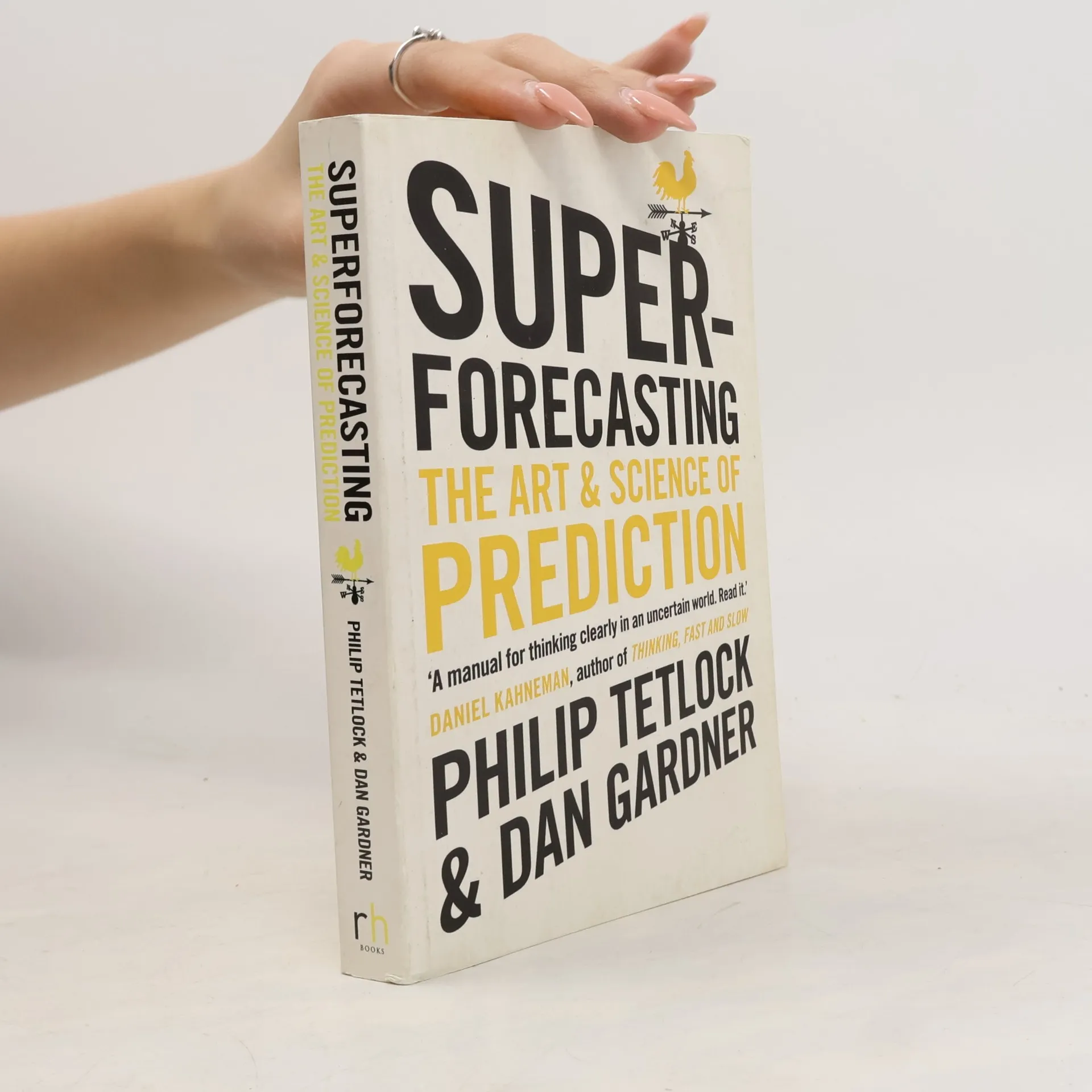
What if we could improve our ability to predict the future? Everything we do involves forecasts about how the future will unfold. Whether buying a new house or changing job, designing a new product or getting married, our decisions are governed by implicit predictions of how things are likely to turn out. The problem is, we're not very good at it. In a landmark, twenty-year study, Wharton professor Philip Tetlock showed that the average expert was only slightly better at predicting the future than a layperson using random guesswork. Tetlock's latest project - an unprecedented, government-funded forecasting tournament involving over a million individual predictions - has since shown that there are, however, some people with real, demonstrable foresight. These are ordinary people, from former ballroom dancers to retired computer programmers, who have an extraordinary ability to predict the future with a degree of accuracy 60% greater than average. They are superforecasters. In Superforecasting, Tetlock and his co-author Dan Gardner offer a fascinating insight into what we can learn from this elite group. They show the methods used by these superforecasters which enable them to outperform even professional intelligence analysts with access to classified data. And they offer practical advice on how we can all use these methods for our own benefit - whether in business, in international affairs, or in everyday life.
Мышление. Myshleniye
- 480pages
- 17 heures de lecture
Эта книга предлагает инновационные идеи от ведущих психологов, нейробиологов и философов, которые радикально увеличивают наше понимание человеческого мышления. Темы, рассматриваемые в книге, могут удивить многих, но в то же время будут непонятны для других. Она содержит термины и концепции, которые могут значительно изменить многие представления о мышлении. Это новое знание решает множество старых загадок и открывает целостный взгляд на все возможности мышления внутри нас.