The harrowing experience of a shooting in Atlanta transforms Bill Johnson's life when he survives a gunman's attack that leaves him blind after a bullet damages his optic nerve. As he grapples with the trauma of losing his colleagues and adjusting to his new reality, the narrative explores themes of resilience, survival, and the profound impact of violence on individuals and their communities. Bill's journey reflects the struggle to find hope and meaning in the aftermath of tragedy.
William M. Johnson Ordre des livres


- 2021
- 2010
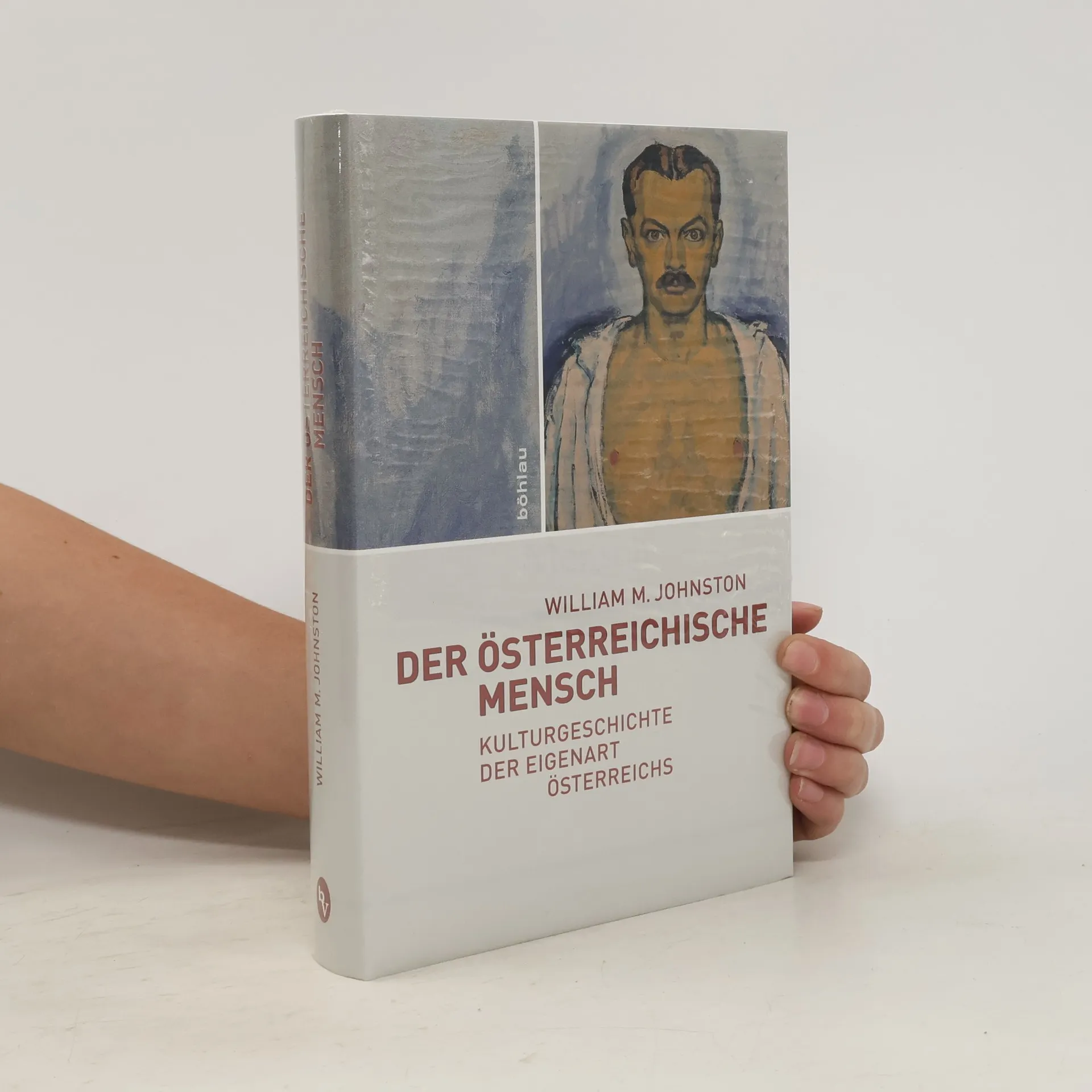
Der österreichische Mensch
- 394pages
- 14 heures de lecture
Seit eh und je ist der Österreicher sich selber ein Rätsel gewesen. Das neue große Buch von William M. Johnston, Autor des Klassikers 'Österreichische Kultur- und Geistesgeschichte', untersucht die Eigenart des Österreichertums anhand bekannter wie auch unbekannterTexte des zwanzigsten Jahrhunderts und liefert eine spannende Neuinterpretation der österreichischen Identität. Das Buch ist nicht nur eine Geistesgeschichte der Debatten um einen österreichischen Habitus, sondern auch eine Auseinandersetzung mit der Frage, 'Was war und ist österreichisch?' Anhand der Kulturgeschichte, Literatur, Soziologie, aber auch an Kriegspropaganda und Landschaftskunde wird ein Ensemble langfristiger österreichischer Spezifika sichtbar gemacht. Das Buch enthält radikale Neuinterpretationen der Hauptfiguren der österreichischen Literatur wie Hugo von Hofmannsthal, Hermann Bahr, Rainer Maria Rilke und Robert Musil. Wer die Frage stellt ' Was heißt Österreich', wird in diesem Buch unerhörte Antworten bekommen.
- 1992
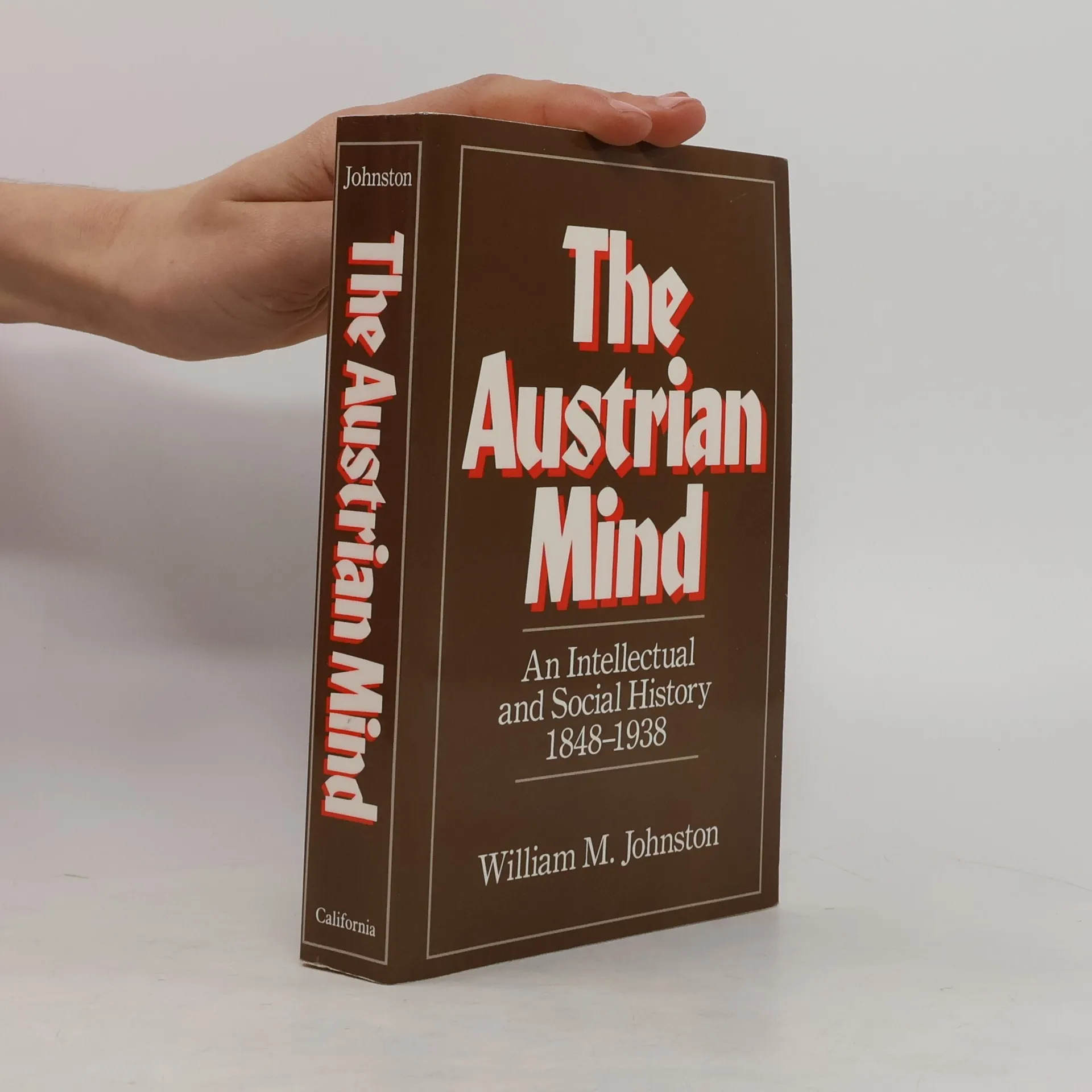
The Austrian Mind
- 530pages
- 19 heures de lecture
Part One of this book shows how bureaucracy sustained the Habsburg Empire while inciting economists, legal theorists, and socialists to urge reform. Part Two examines how Vienna's coffeehouses, theaters, and concert halls stimulated creativity together with complacency. Part Three explores the fin-de-siecle world view known as Viennese Impressionism. Interacting with positivistic science, this reverence for the ephemeral inspired such pioneers ad Mach, Wittgenstein, Buber, and Freud. Part Four describes the vision of an ordered cosmos which flourished among Germans in Bohemia. Their philosophers cultivated a Leibnizian faith whose eventual collapse haunted Kafka and Mahler. Part Five explains how in Hungary wishful thinking reinforced a political activism rare elsewhere in Habsburg domains. Engage intellectuals like Lukacs and Mannheim systematized the sociology of knowledge, while two other Hungarians, Herzel and Nordau, initiated political Zionism. Part Six investigates certain attributes that have permeated Austrian thought, such as hostility to technology and delight in polar opposites.
- 1992
- 1988
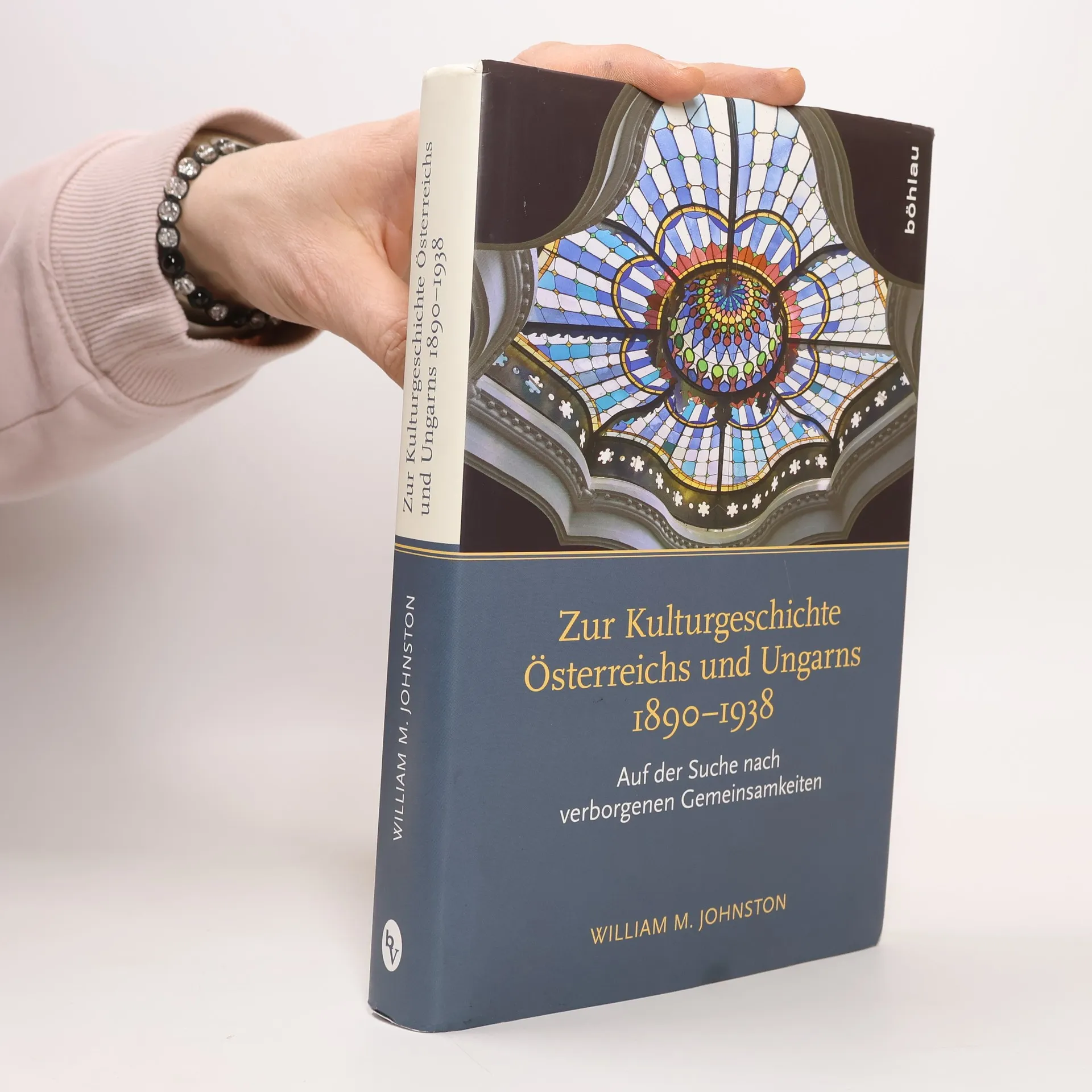
Travels back in time to examine the social, cultural, artistic, and political development of nineteenthand early twentieth-century Vienna as well as presenting a pictorial history of the city
- 1972
L'esprit viennois
- 672pages
- 24 heures de lecture
Reste savoir si une civilisation plantaire peut approcher des conditions qui firent jadis de l'Autriche un phare de la modernit dans un monde la drive. L'inconstance tant dsormais devenue notre pain quotidien, nul n'a plus nous apprendre que ces connaisseurs de mtamorphose. Pourtant, un gard, au moins, nous devons nous garder de prendre exemple sur l'empire des Habsbourg. L'Apocalypse joyeuse s'est plus que toute autre considre, parmi les ges les plus cratifs, comme la fin d'une poque plutt qu'un commencement. En vrit Karl Kraus ou Stefan Zweig seraient bien tonns d'apprendre que la civilisation a survcu et, si nous avons djou leur attente, leur nihilisme thrapeutique n'y est pour rien. En prtant attention des voix plus constructives, il est peut-tre encore temps de dmentir leur dsespoir. Toujours est-il que considre en elle-mme l'Apocalypse joyeuse nous apprend que le temps efface plus qu'il ne fait vivre.