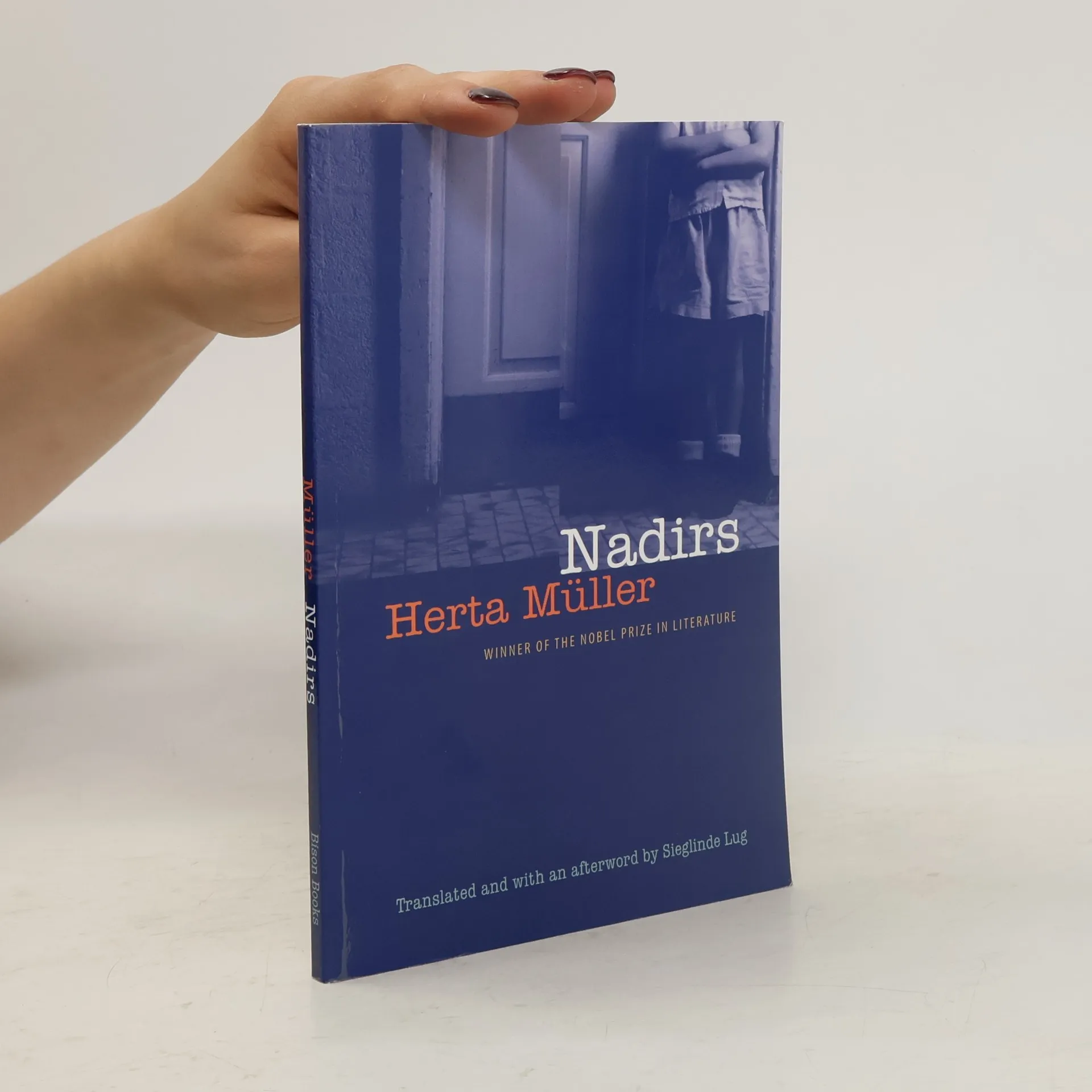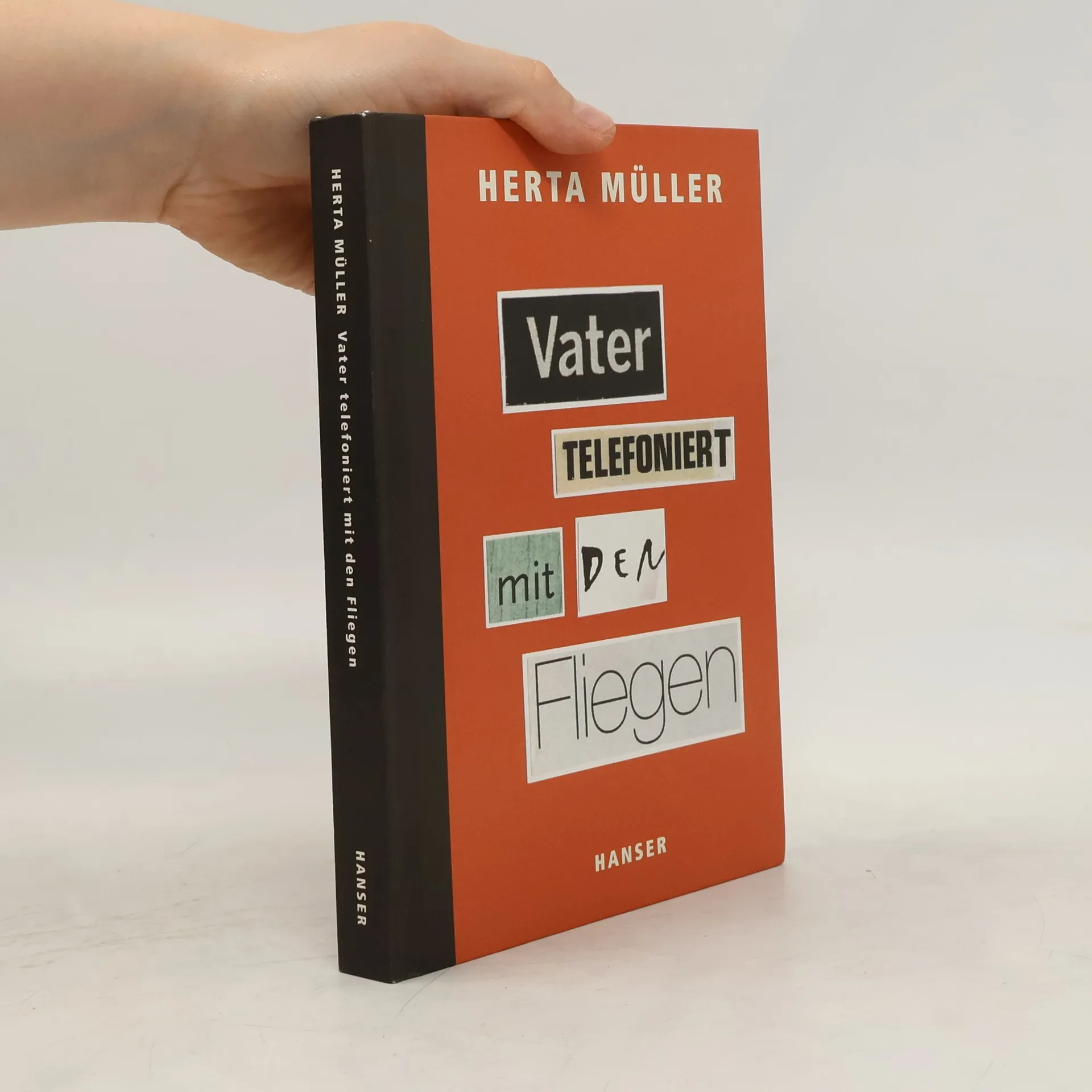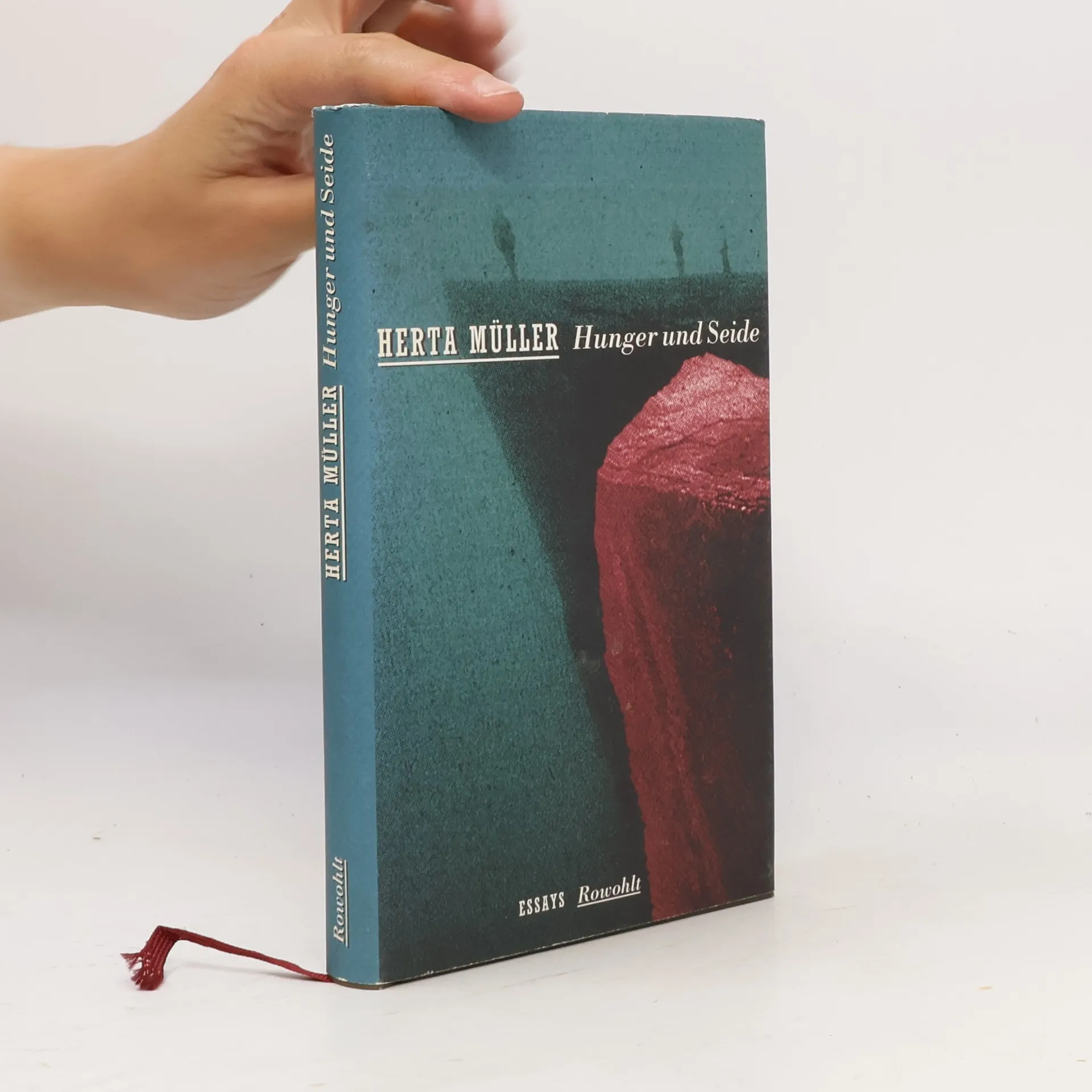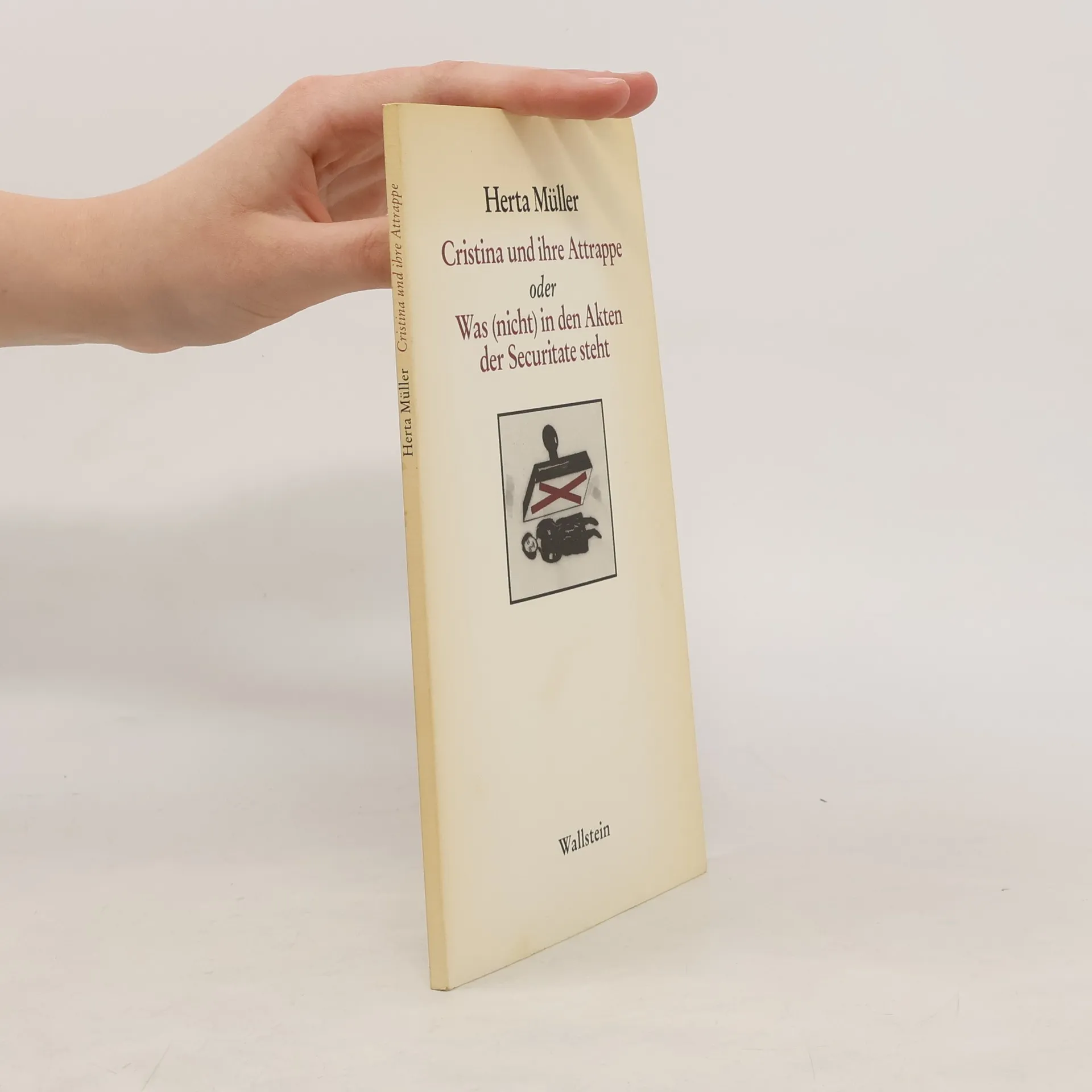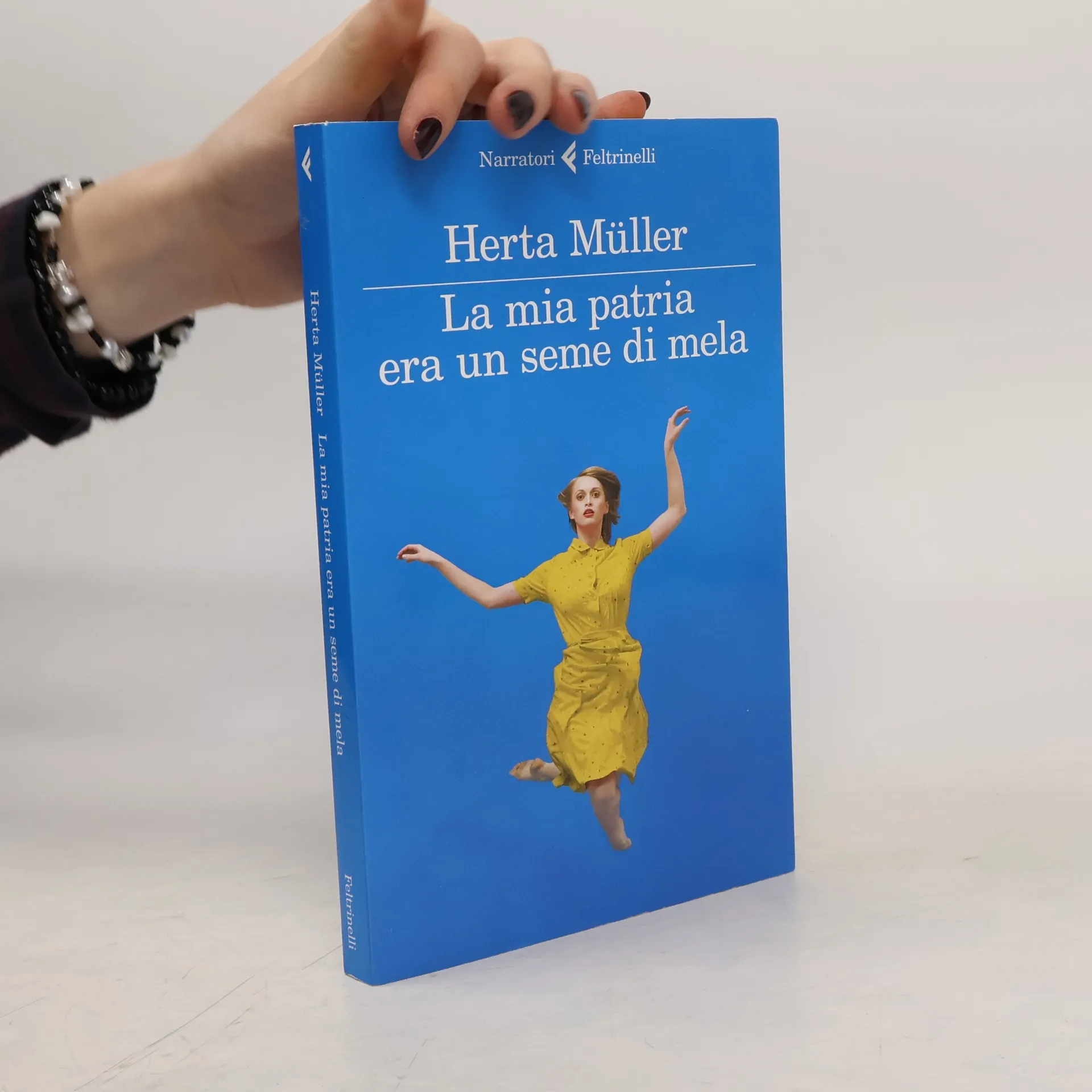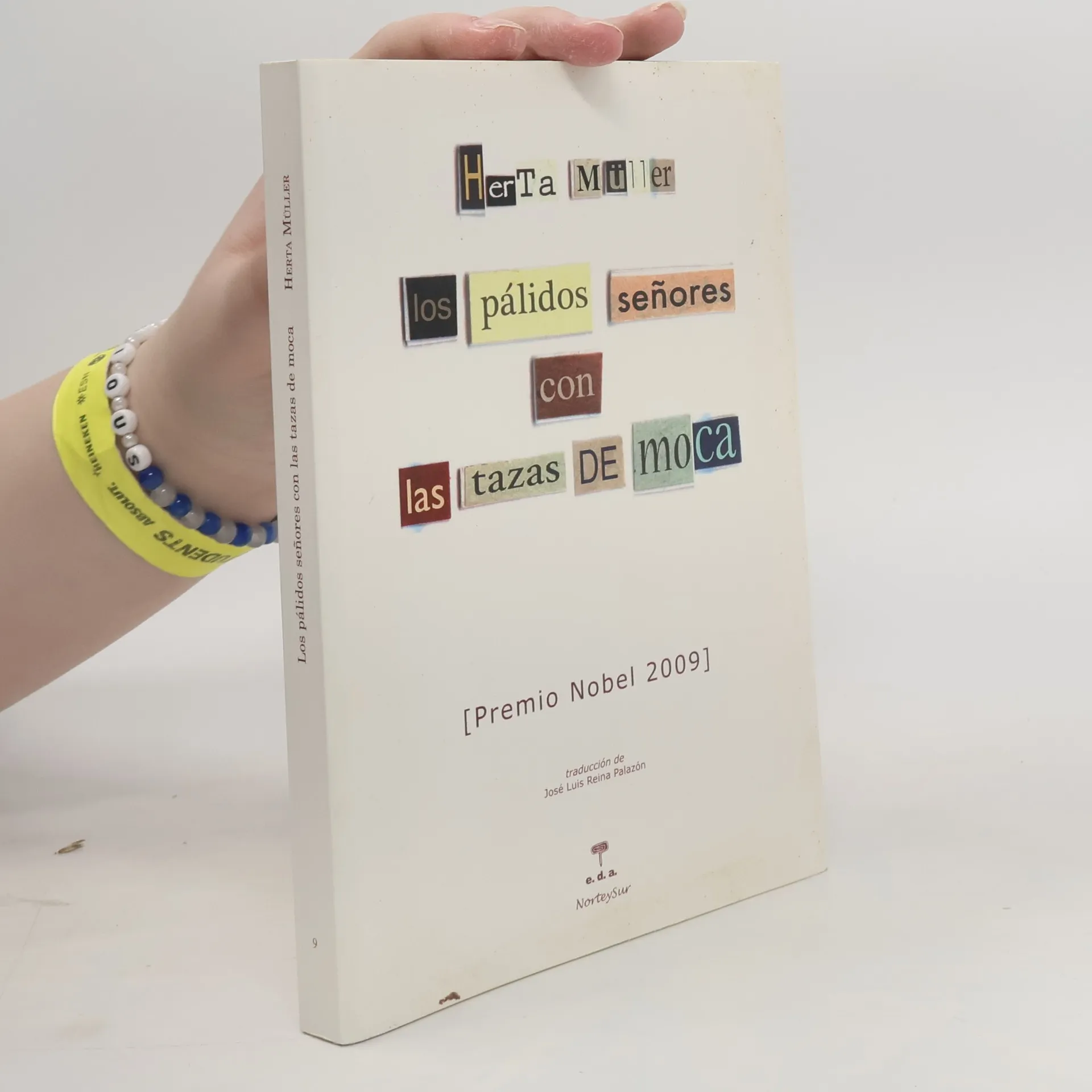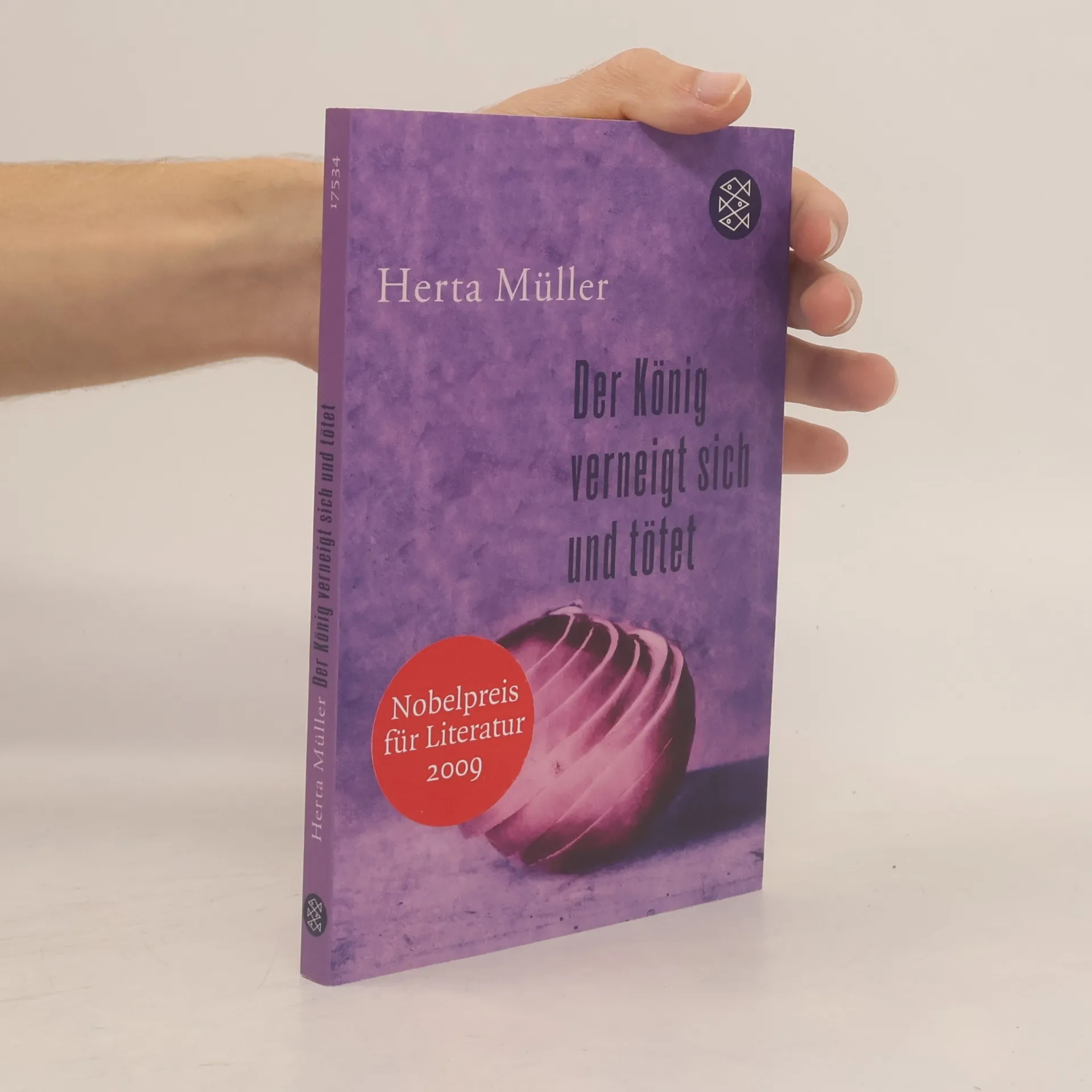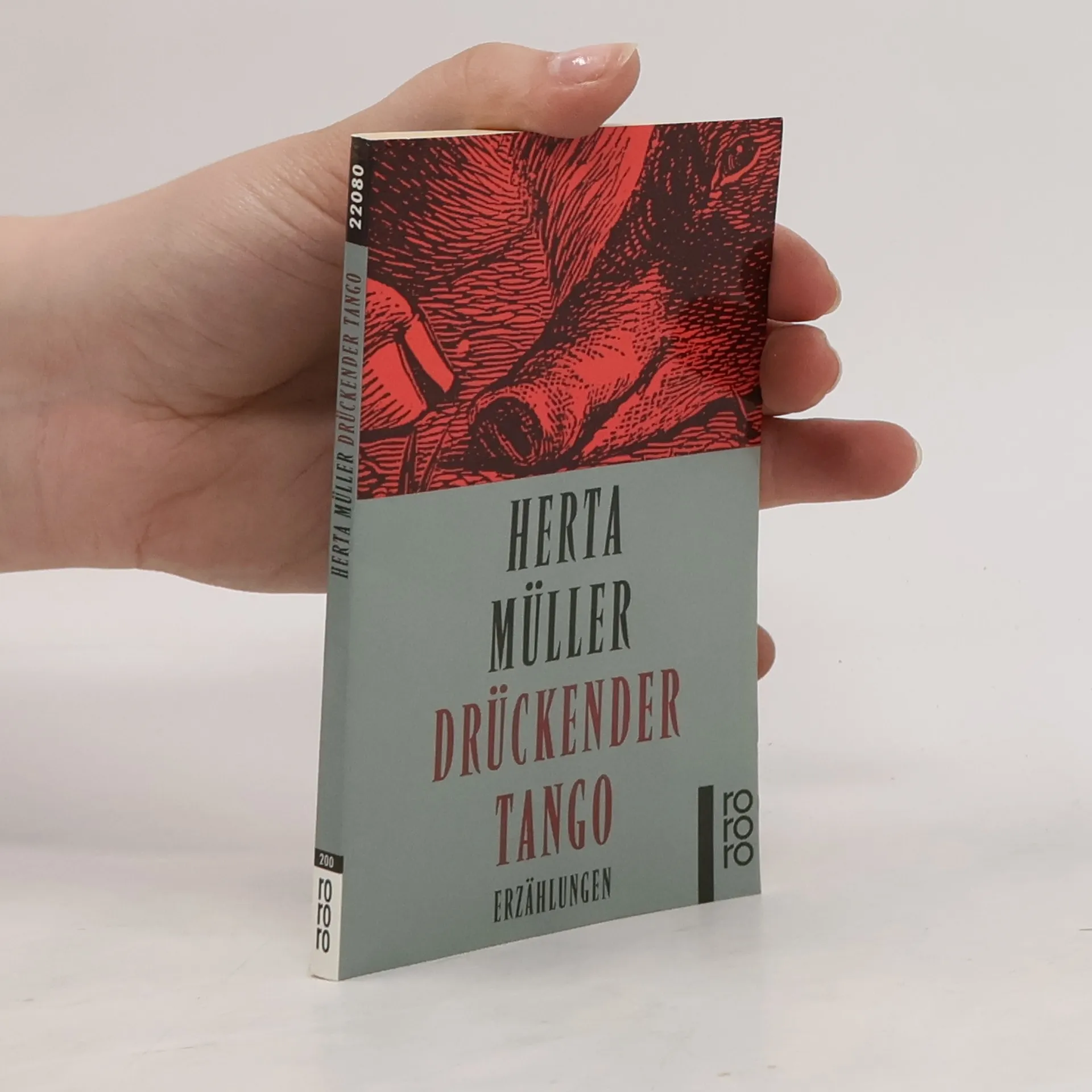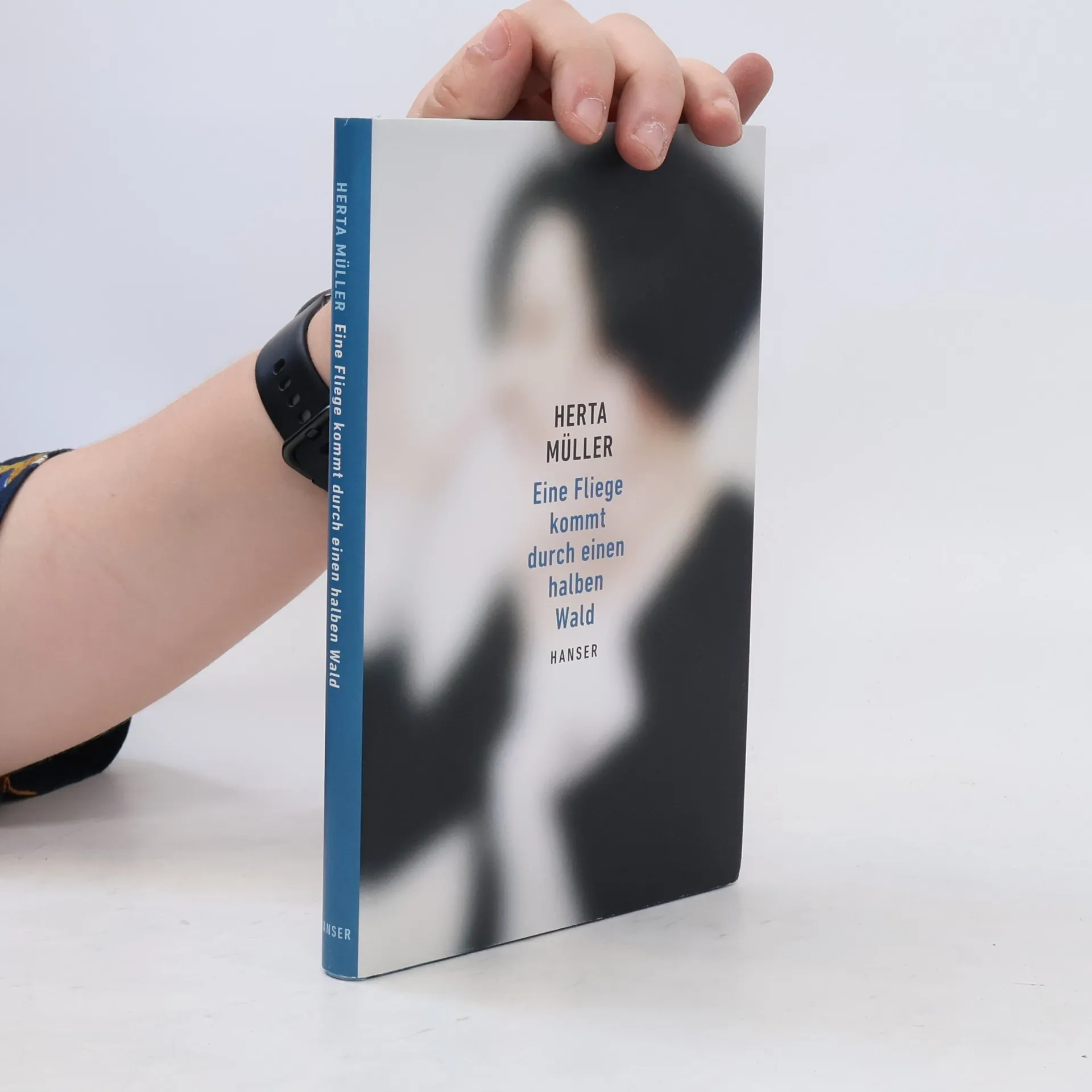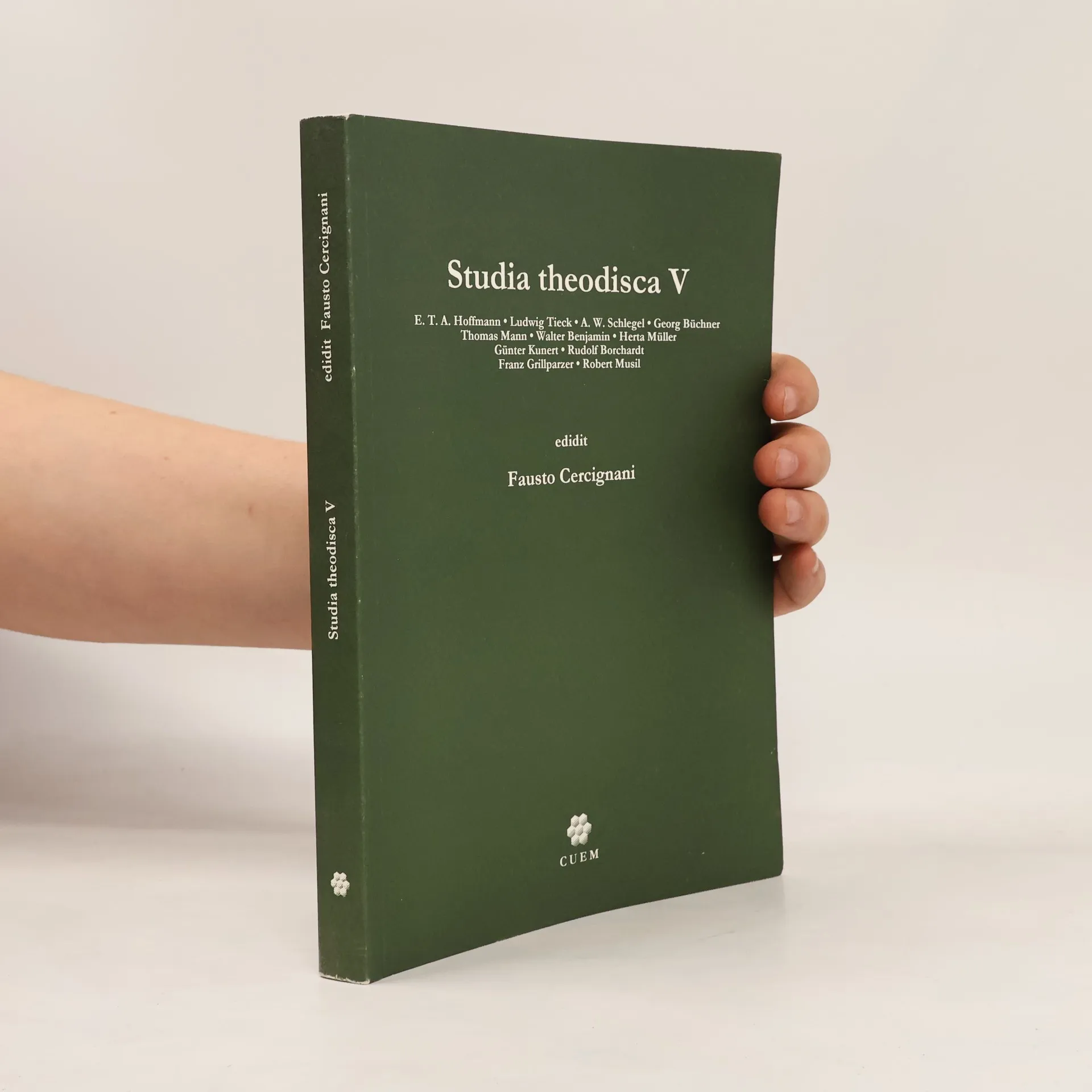
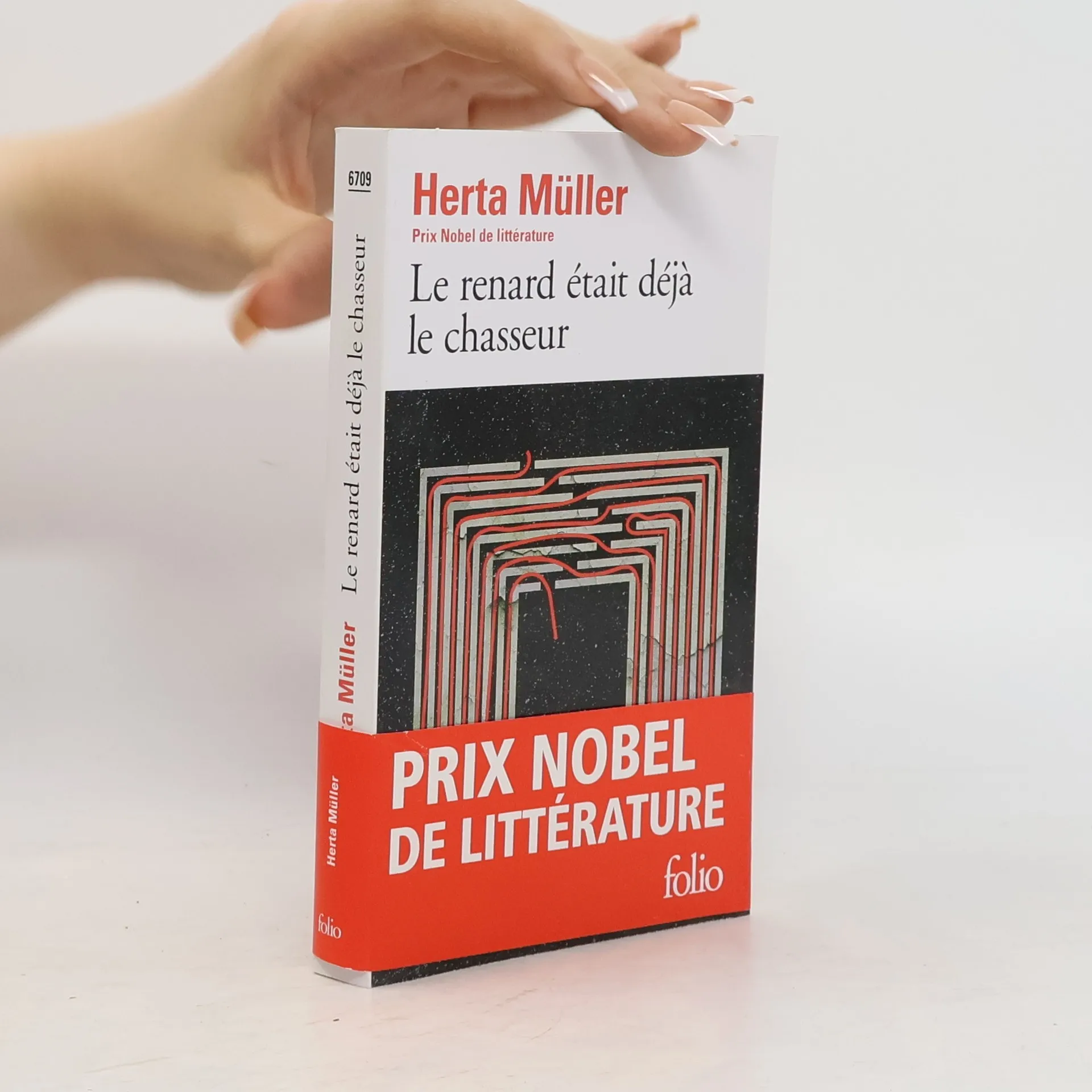
Dans la Roumanie de Ceausescu, Adina s'aperçoit que des inconnus découpent jour après jour, en son absence, la fourrure de renard qui décore son appartement. A cause de cette menace, la jeune enseignante proche d'auteurs-compositeurs dissidents se sait espionnée par les services secrets et découvre qu'une de ses amies fréquente justement un officier de la securitate. Le renard est le chasseur. Les victimes se rapprochent de leurs bourreaux, les amis disparaissent ou se trahissent, et la chute du dictateur n'y changera pas grand-chose. Herta Müller réussit magistralement à nous faire vivre les difficultés matérielles et existentielles qu'elle a bien connues dans un contexte totalitaire où l'expression ne pouvait guère échapper à l'oppression. Rarement l'expérience ne pouvait guère échapper à l'oppression. Rarement l'expérience de la dictature a atteint une telle intensité poétique Où commence la liberté ? Où finit le compromis ? Rythmée comme un cœur qui bat, sa prose aux métaphores concise évoque la grandeur et la misère d'un être humain dont les choix, au positif comme au négatif, sont dictés par peur et l'humiliation.
Herta Müller Livres
L'œuvre de Herta Müller se concentre sur la vie des personnes privées de biens et de statut. Avec une concentration poétique et la franchise de la prose, elle dépeint les paysages des opprimés. Ses écrits explorent des thèmes complexes d'oppression et de résilience humaine. Sa vision littéraire sonde les profondeurs de l'expérience humaine sous des systèmes oppressifs.


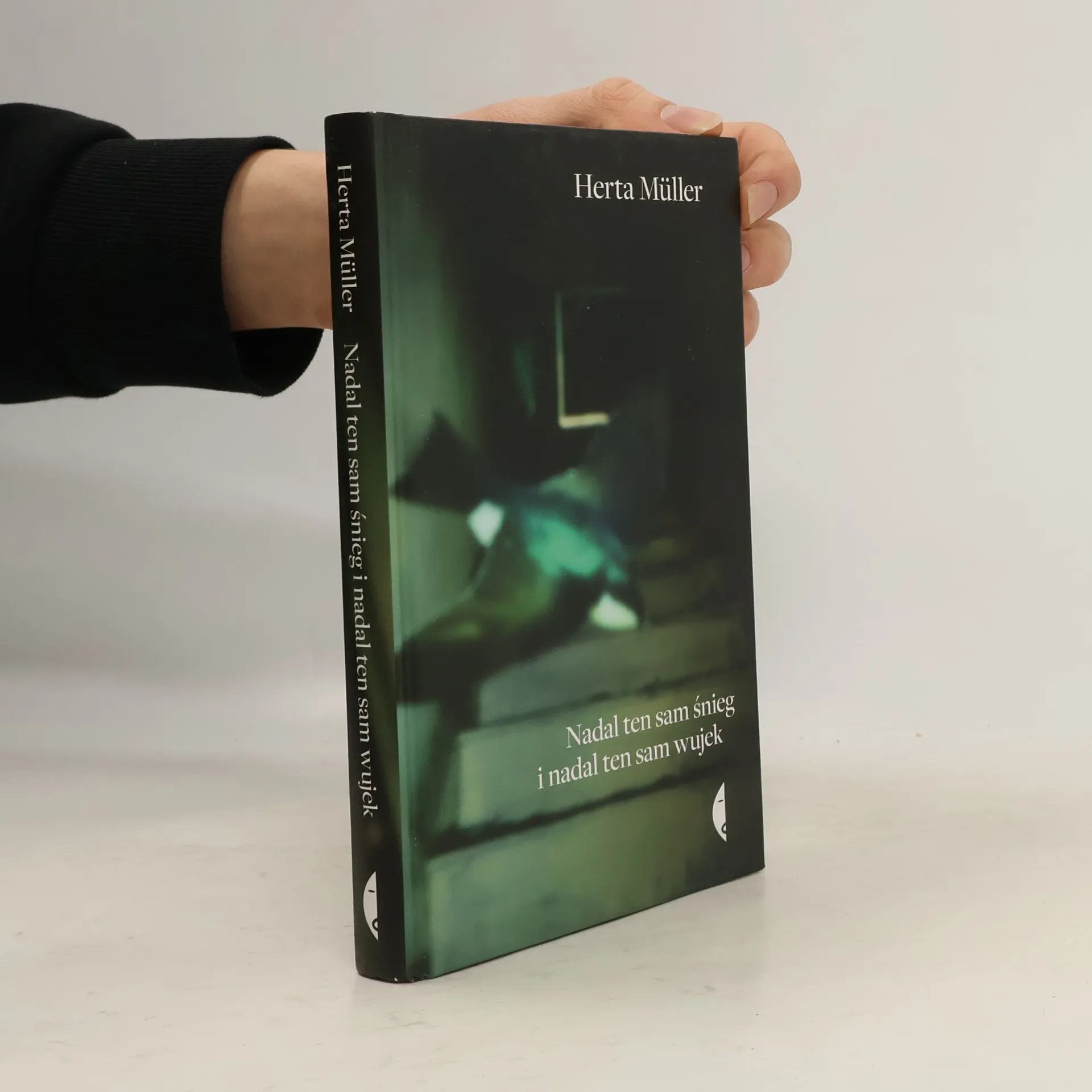
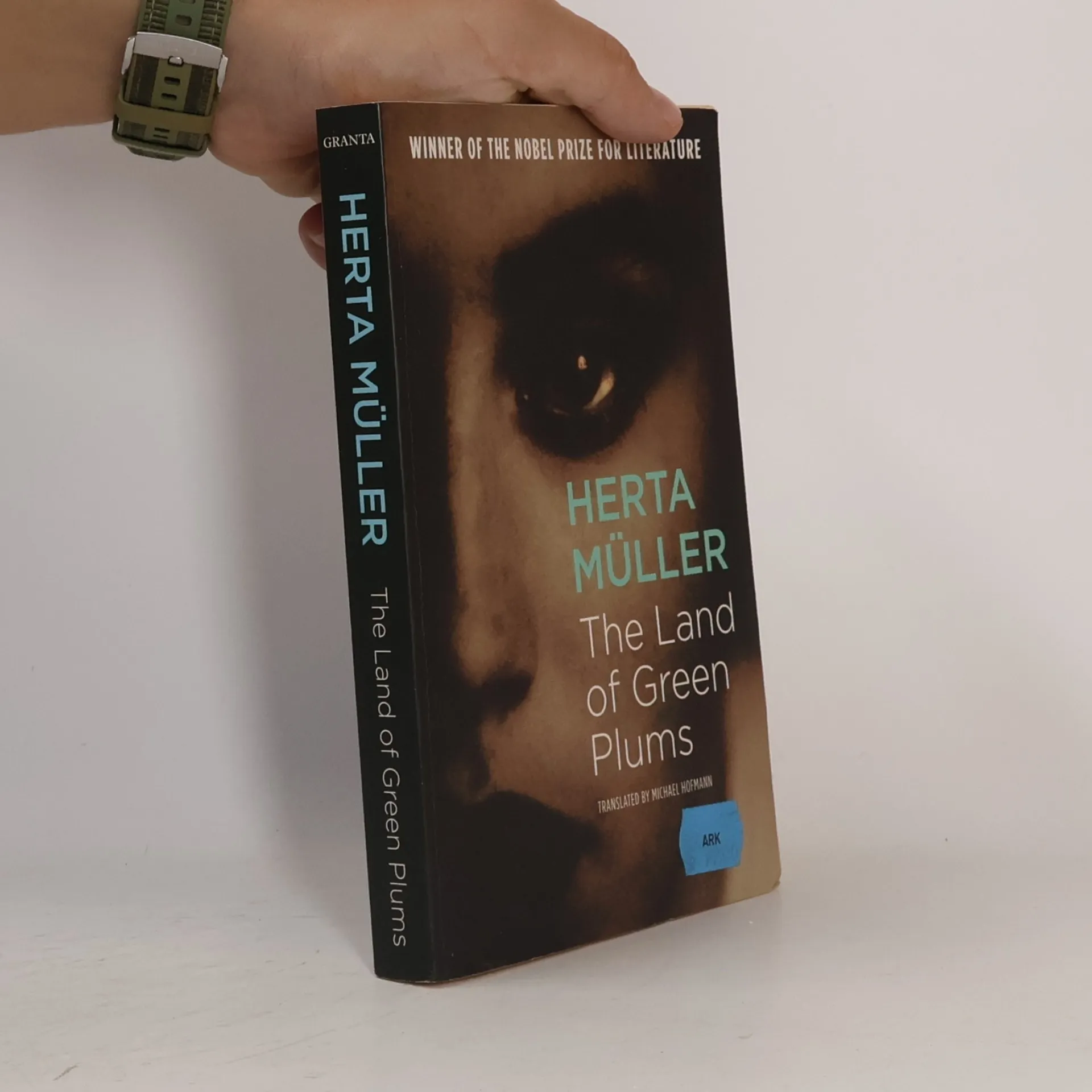
Roumanie. Depuis que le meunier Windisch veut émigrer, il voit la fin partout dans le village. Peut-être n'a-t-il pas tort. Les chants sont tristes, on voit la mort au fond des tasses et chacun doit faire la putain pour vivre, a fortiori pour émigrer. Windisch a beau livrer des sacs de farine et payer, le passeport promis se fait toujours attendre. Sa fille Amélie se donne au milicien et au pasteur, dans le même but. Un jour, ils partiront par l'ornière grise et lézardée que Windisch empruntait pour rentrer du moulin. Plus tard, ils reviendront, un jour d'été, en visite, revêtus des vêtements qu'on porte à l'ouest, les chaussures qui les mettent en déséquilibre dans l'ornière de leur village, avec des objets de l'Ouest, signe de leur réussite sociale, et "sur la joue de Windisch, une larme de verre."
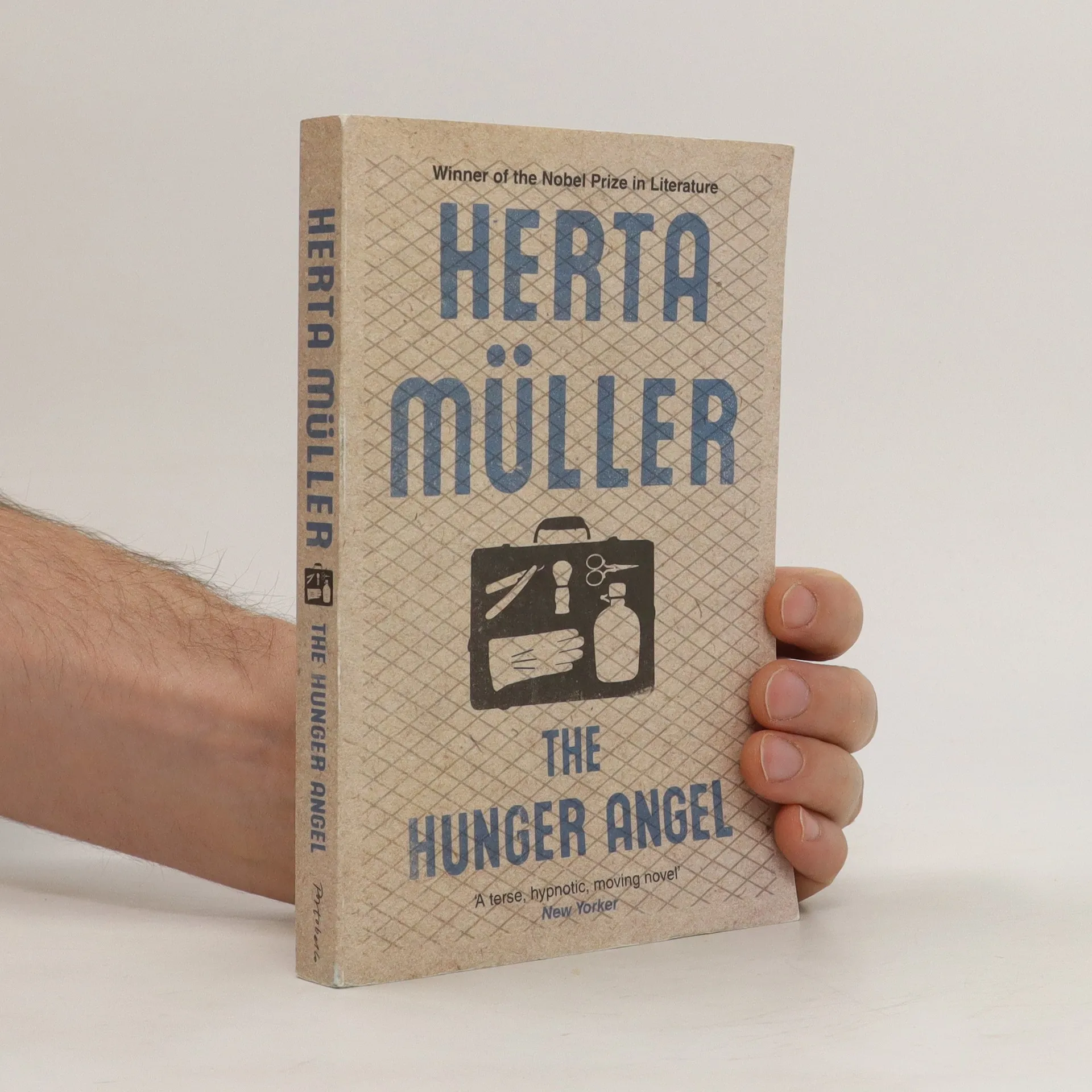
The hunger angel
- 304pages
- 11 heures de lecture
'I know you'll return'. These are his grandmother's last words to him. Leo has them in his head as he boards the truck at 3am on a freezing mid-January morning in 1945. They keep him company during the long journey to Russia. They keep him alive - through hunger, pain, and despair - during his time in the brutal Soviet labour camps. And, eventually, they bring him back home.
An unexpected, exciting work from one of the most protean writers ever to win the Nobel Prize. To create the poems in this collection, Herta Müller cut up countless newspapers and magazines in search of striking phrases, words, or even fragments of words, which she then arranged in the form of a collage. Father's on the Phone with the Flies presents seventy-three of Müller's collage poems for the first time in English translation, alongside full-color reproductions of the originals. Müller takes full advantage of the collage form, generating poems rich in wordplay, ambiguity, and startling, surreal metaphors--the disruption and dislocation at their core rendered visible through stark contrasts in color, font, and type size. Liberating words from conformity and coercion, Müller renders them fresh and invests them forcefully with personal experience.
Set in Romania at the height of Ceausescu's reign of terror, this is the story of a group of young students, each of whom has left the impoverished provinces for the city in search of better prospects. But the city too bears the mark of the dictatorship's corrosive touch.
Juxtaposing reality and fantasy, nightmares and dark laughter, this title presents a collection of largely autobiographical stories based on Herta Muller's childhood in the Romanian countryside.
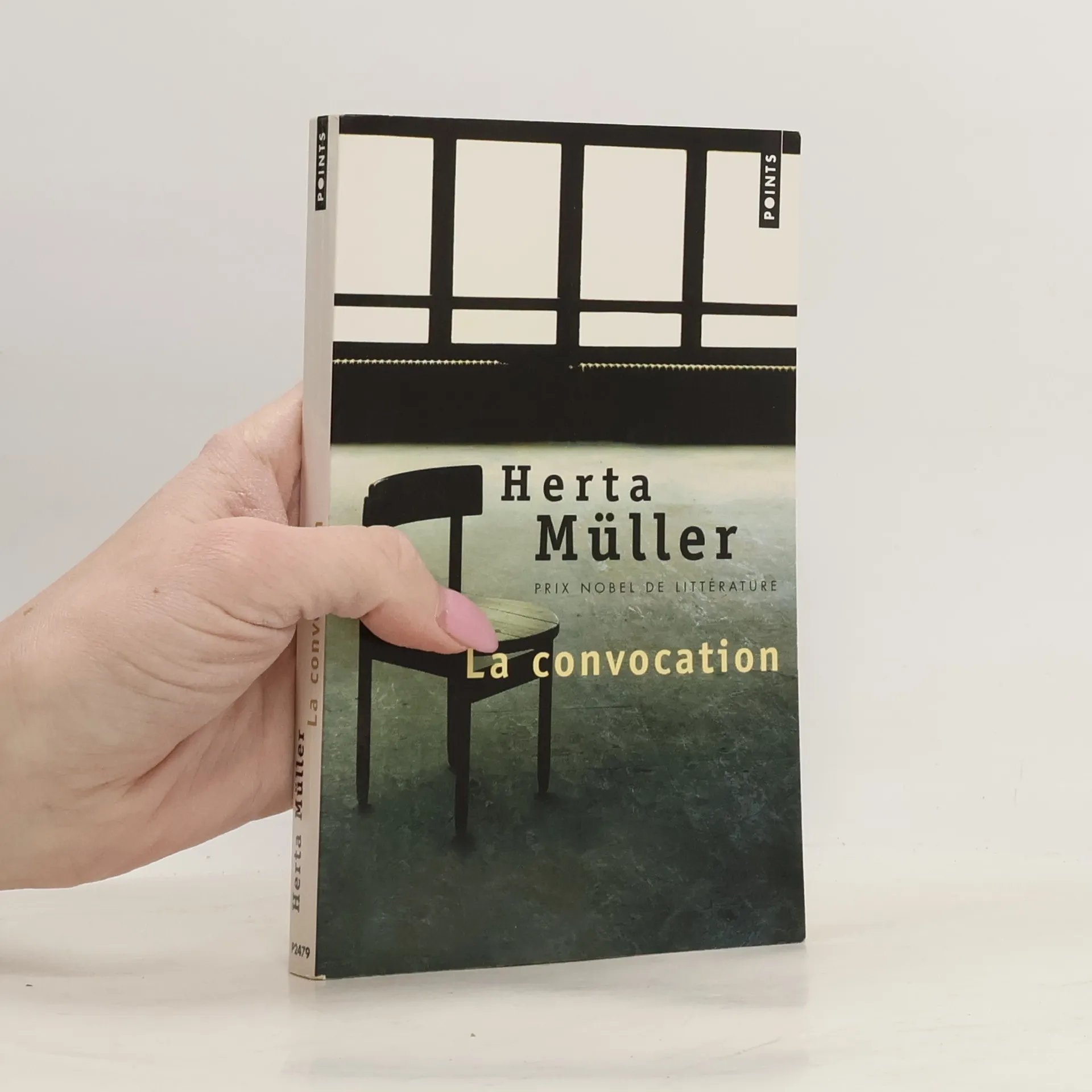
The Appointment
- 214pages
- 8 heures de lecture
Paperback outing for the first novel from Muller since she won the 2009 Nobel Prize in Literature: a fierce and finely-wrought novel about a young Romanian woman's discovery of betrayal in the most intimate reaches of her life
The passport
- 96pages
- 4 heures de lecture
From the winner of the 2009 Nobel Prize in Literature“[The Passport] has the same clipped prose cadences as Nadirs, this time applied to evoke the trapped mentality of a man so desperate for freedom that he views everything through a temporal lens, like a prisoner staring at a calendar in his cell.”—Wall Street Journal“A swift, stinging narrative, fable-like in its stoic concision and painterly detail.”—The Philadelphia InquirerThe Passport is a beautiful, haunting novel whose subject is a German village in Romania caught between the stifling hopelessness of Ceausescu’s dictatorship and the glittering temptations of life in the West. Stories from the past are woven together with the problems Windisch, the village miller, faces after he applies for permission to migrate to West Germany. Herta Müller (Herta Mueller) describes with poetic attention the dreams and superstitions, conflicts and oppression of a forgotten region, the Banat, in the Danube Plain. In sparse, poetic language, Muller captures the forlorn plight of a trapped people.
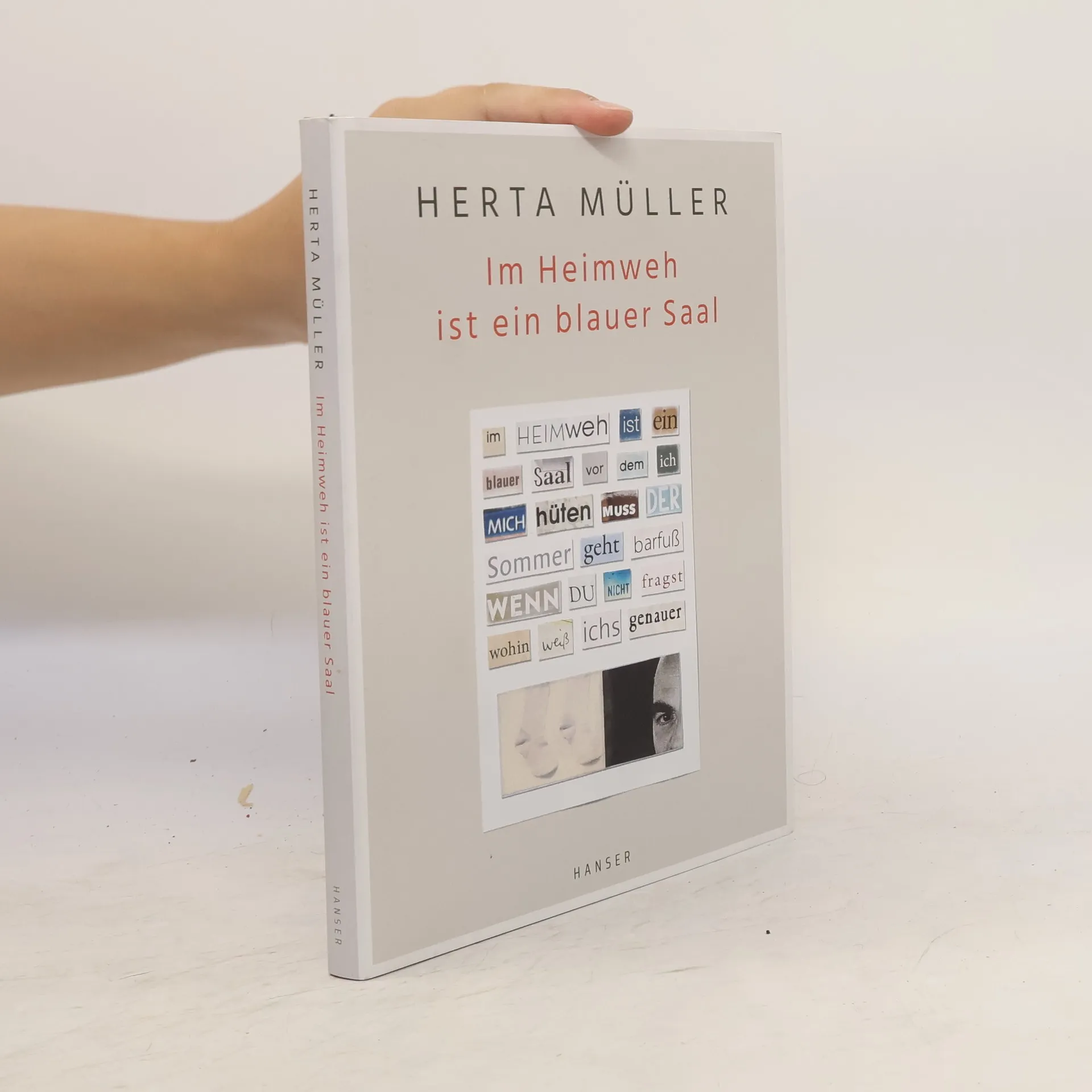
„Heimweh ist keine gute Idee“ – eine Wort für Wort gefundene Geschichte der Literaturnobelpreisträgerin Herta MüllerHerta Müller erfindet eine neue literarische Form des Erzählens. Eine Geschichte in Collagen. Gezeigt werden Szenen im Auffanglager einer deutschen Kleinstadt. Einer der Beamten in der Erzählung ist ein gewisser Herr Fröhlich von der Prüfstelle B. Ein anderer breitet bei jeder Begegnung die Arme aus wie ein Vogel und sagt Oh, Oh, Oh. Aberwitzige Gespräche mit ihnen werden zu einem unfreiwillig komischen Schlagabtausch. Und dann ist da das Heimweh der Geflohenen, das immer größer wird und an den Himmel anwächst. Meisterlich versteht es Herta Müller, Bilder dafür zu finden, wie sich Ohnmacht anfühlt, und was Willkür anrichtet. Sie sind rätselhaft, abgründig, manchmal auch komisch, und immer hochpoetisch.
Der 'Fremde Blick' ist kein literarisches Merkmal, er entsteht vielmehr durch Überwachung und Verfolgung in einem totalitären Staat. Herta Müller erzählt eindringlich, wie sich ihr 'Fremder Blick' unter der Diktatur Ceausescus in Rumänien entwickelte, und wie sie ihn bei ihrer Auswanderung nach Deutschland unweigerlich mitbringen musste.