

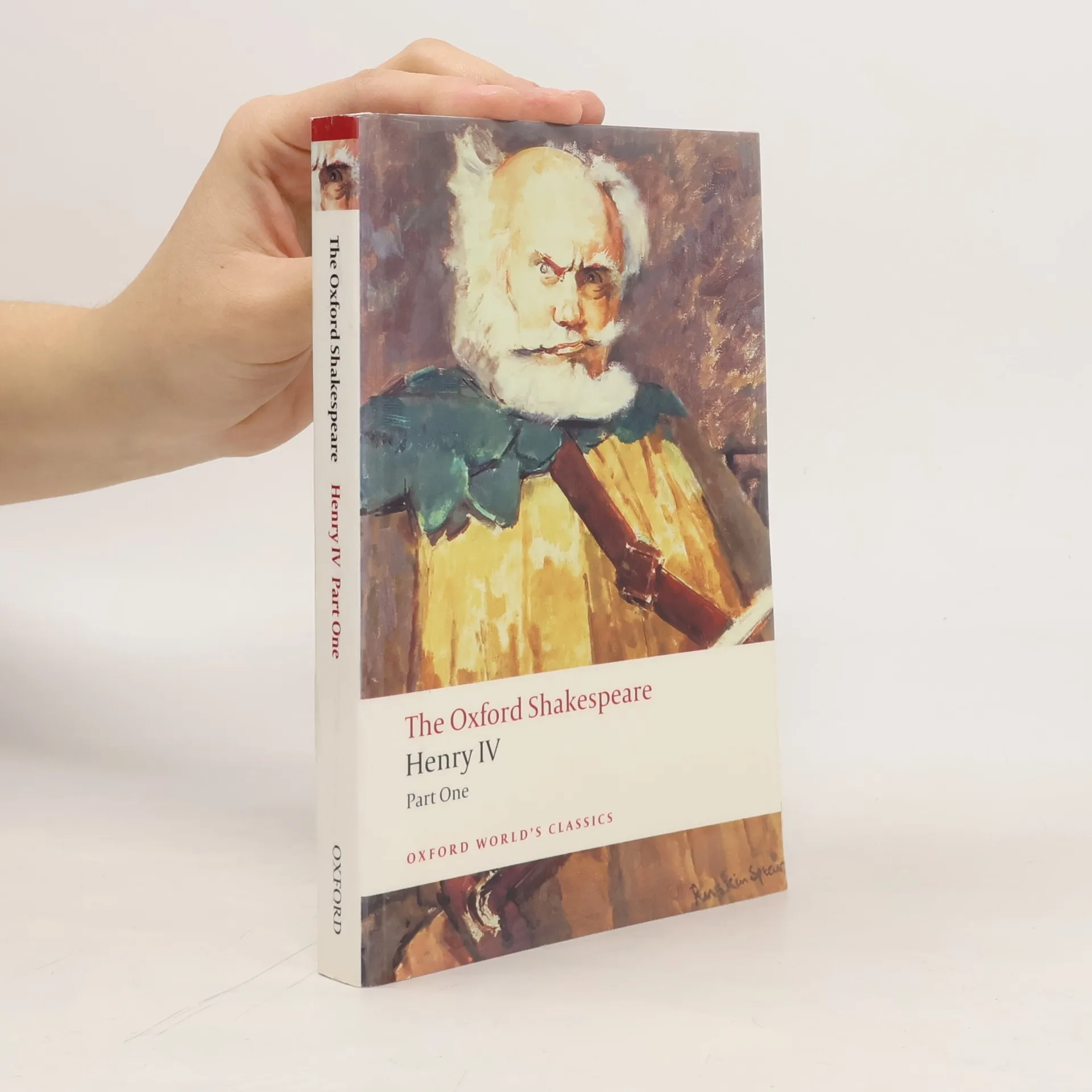
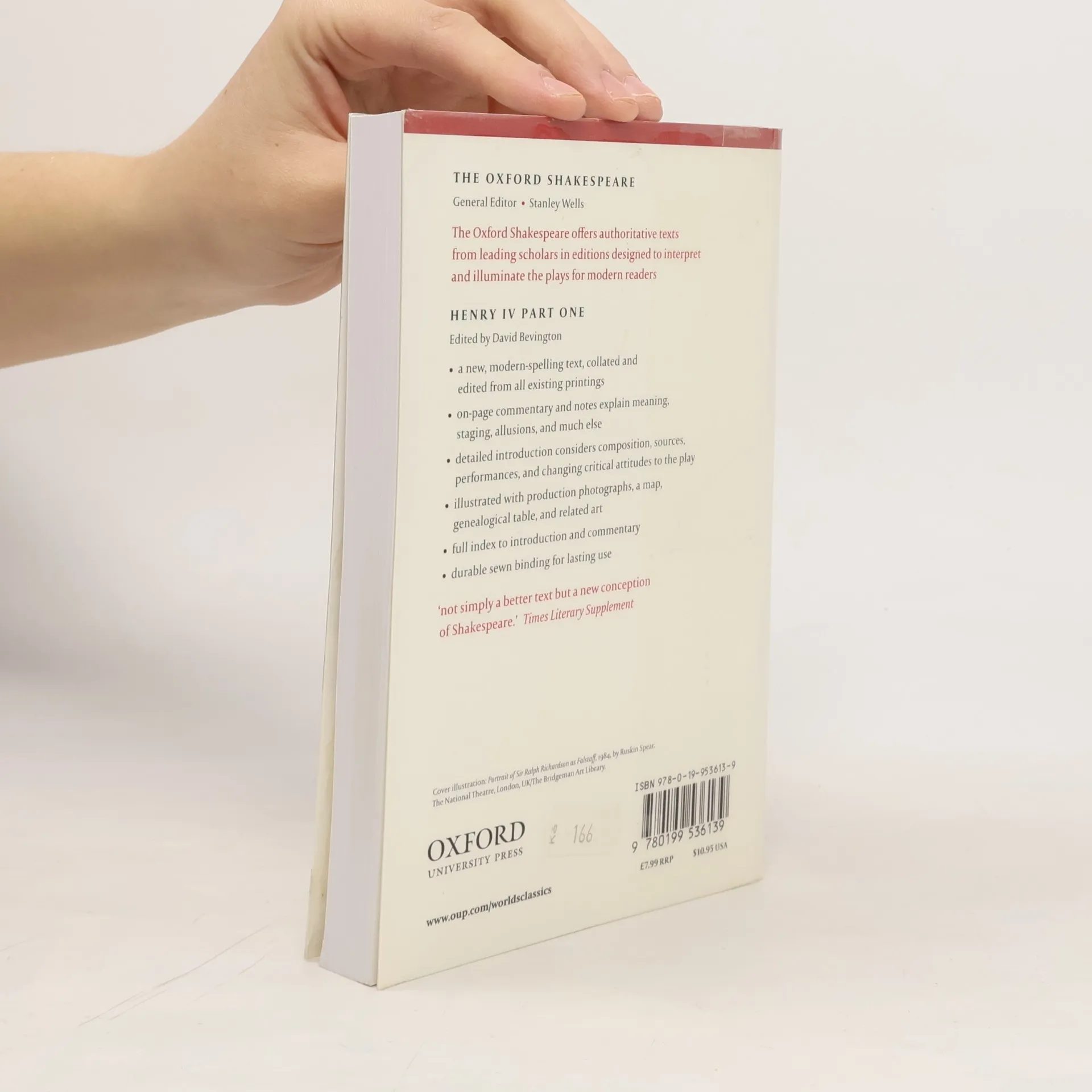
The Oxford Shakespeare - 1: Henry IV
Paramètres
- 315pages
- 12 heures de lecture
En savoir plus sur le livre
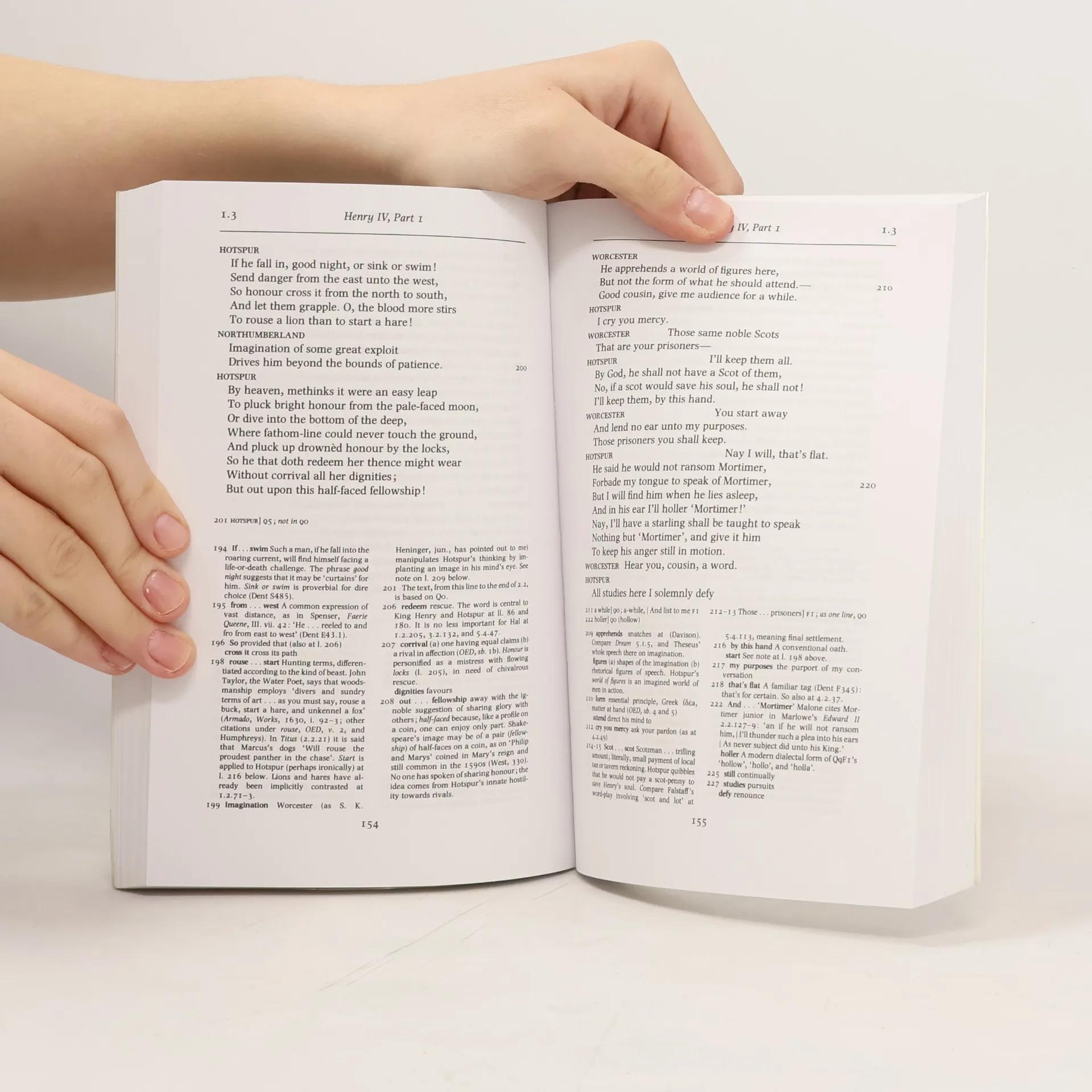
As Henry's throne is threatened by rebel forces, England is divided. The characters reflect these oppositions, with Hal and Hotspur vying for position, and Falstaff leading Hal away from his father and towards excess. During Shakespeare's lifetime Henry IV, Part I was his most reprinted play, and it remains enormously popular with theatregoers and readers. Falstaff still towers among Shakespeare's comic inventions as he did in the late 1590's. David Bevington's introduction discusses the play in both performance and criticism from Shakespeare's time to our own, illustrating the variety of interpretations of which the text is capable. He analyses the play's richly textured language in a detailed commentary on individual words and phrases and clearly explains its historical background.
Achat du livre
The Oxford Shakespeare - 1: Henry IV, William Shakespeare, Ruskin Spear
- Langue

- Année de publication
- 2008
- Reliure
- (souple),
- État du livre
- Bon
- Prix
- 7,69 €
Modes de paiement
Personne n'a encore évalué .
- Titre
- The Oxford Shakespeare - 1: Henry IV
- Langue
- Anglais
- Auteurs
- William Shakespeare, Ruskin Spear
- Éditeur
- Oxford University Press
- Publié
- 2008
- Format
- souple
- Pages
- 315
- ISBN10
- 0199536139
- ISBN13
- 9780199536139
- Séries
- Mots clés
- Description
- As Henry's throne is threatened by rebel forces, England is divided. The characters reflect these oppositions, with Hal and Hotspur vying for position, and Falstaff leading Hal away from his father and towards excess. During Shakespeare's lifetime Henry IV, Part I was his most reprinted play, and it remains enormously popular with theatregoers and readers. Falstaff still towers among Shakespeare's comic inventions as he did in the late 1590's. David Bevington's introduction discusses the play in both performance and criticism from Shakespeare's time to our own, illustrating the variety of interpretations of which the text is capable. He analyses the play's richly textured language in a detailed commentary on individual words and phrases and clearly explains its historical background.