



En savoir plus sur le livre
The Flies (French: Les Mouches) is a play by Jean-Paul Sartre, written in 1943. It is an adaptation of the Electra myth, previously used by the Greek playwrights Sophocles, Aeschylus and Euripides. The play recounts the story of Orestes and his sister Electra in their quest to avenge the death of their father Agamemnon, king of Argos, by killing their mother Clytemnestra and her husband Aegisthus, who had deposed and killed him. Sartre incorporates an existentialist theme into the play, having Electra and Orestes engaged in a battle with Zeus and his Furies, who are the gods of Argos and the centerpiece for self-abnegating religious rituals. This results in fear and a lack of autonomy for Zeus's worshippers, who live in constant shame of their humanity.


Achat du livre
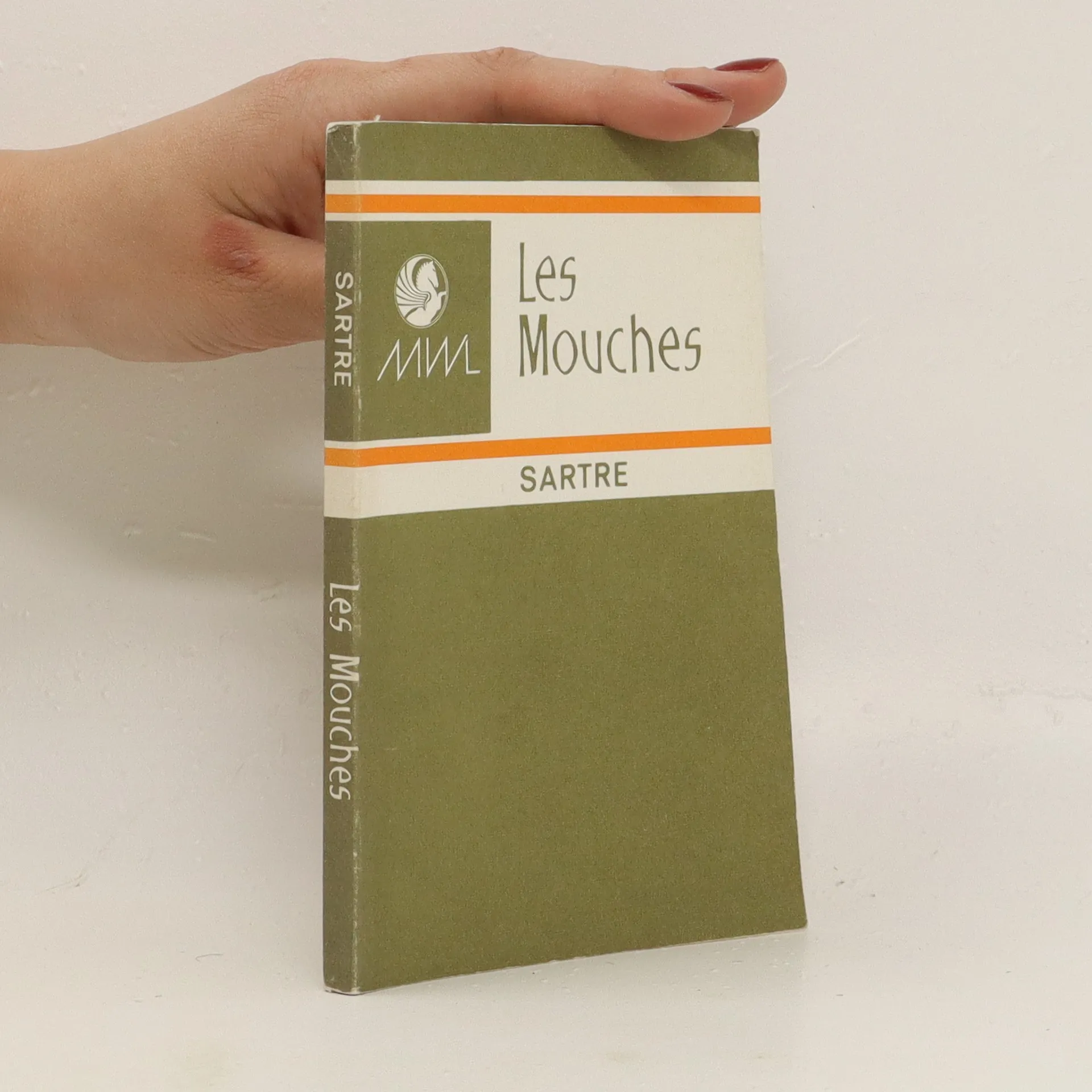
Les Mouches, Jean-Paul Sartre
- Langue

- Année de publication
- 1963
- Reliure
- (rigide)
Modes de paiement
Il manque plus que ton avis ici.
- Titre
- Les Mouches
- Langue
- Anglais
- Auteurs
- Jean-Paul Sartre
- Éditeur
- Harrap
- Publié
- 1963
- Format
- rigide
- ISBN10
- 0245521151
- ISBN13
- 9780245521157
- Séries
- Catégories
- Évaluation
- 3,9 sur 5
- Description
- The Flies (French: Les Mouches) is a play by Jean-Paul Sartre, written in 1943. It is an adaptation of the Electra myth, previously used by the Greek playwrights Sophocles, Aeschylus and Euripides. The play recounts the story of Orestes and his sister Electra in their quest to avenge the death of their father Agamemnon, king of Argos, by killing their mother Clytemnestra and her husband Aegisthus, who had deposed and killed him. Sartre incorporates an existentialist theme into the play, having Electra and Orestes engaged in a battle with Zeus and his Furies, who are the gods of Argos and the centerpiece for self-abnegating religious rituals. This results in fear and a lack of autonomy for Zeus's worshippers, who live in constant shame of their humanity.