


Paramètres
En savoir plus sur le livre
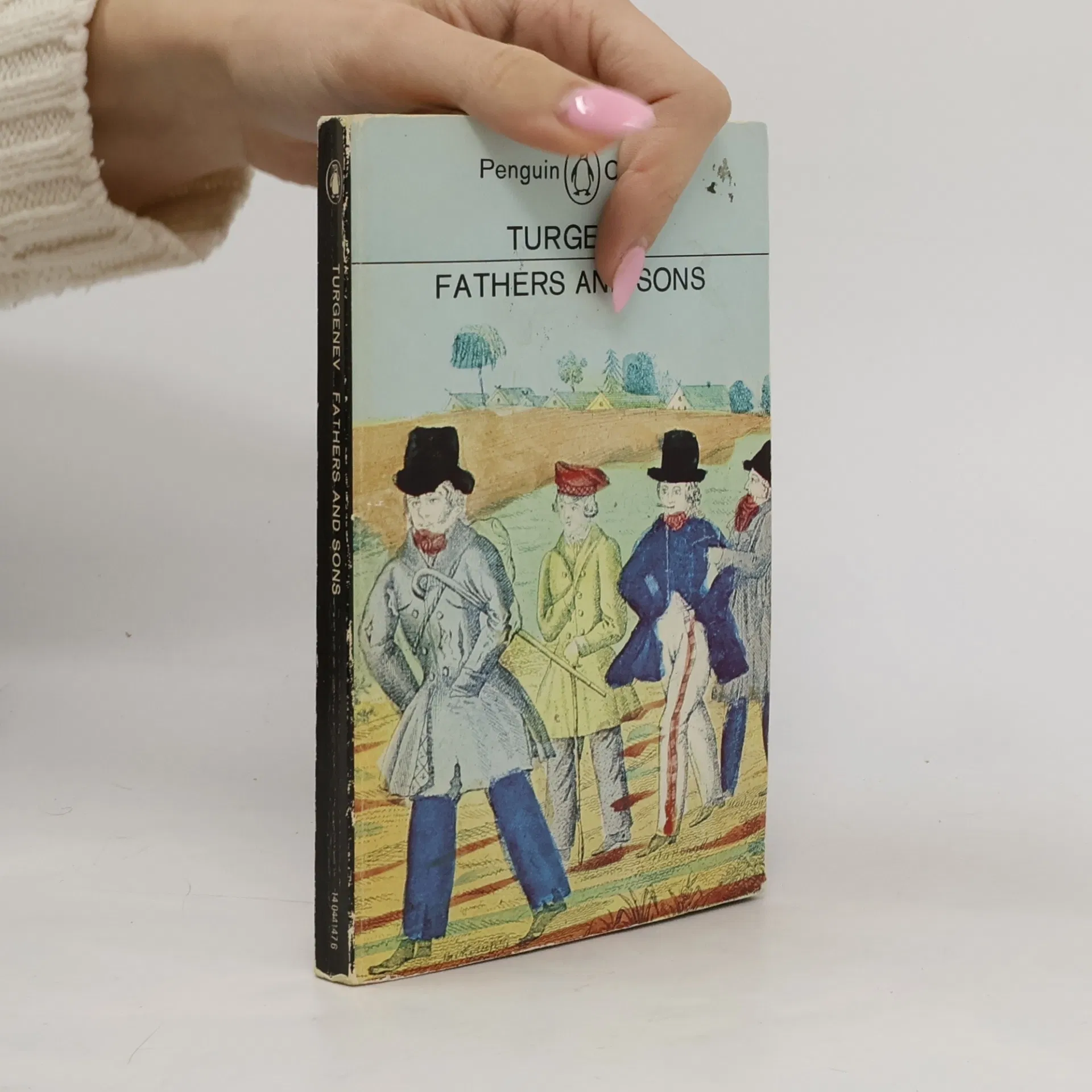
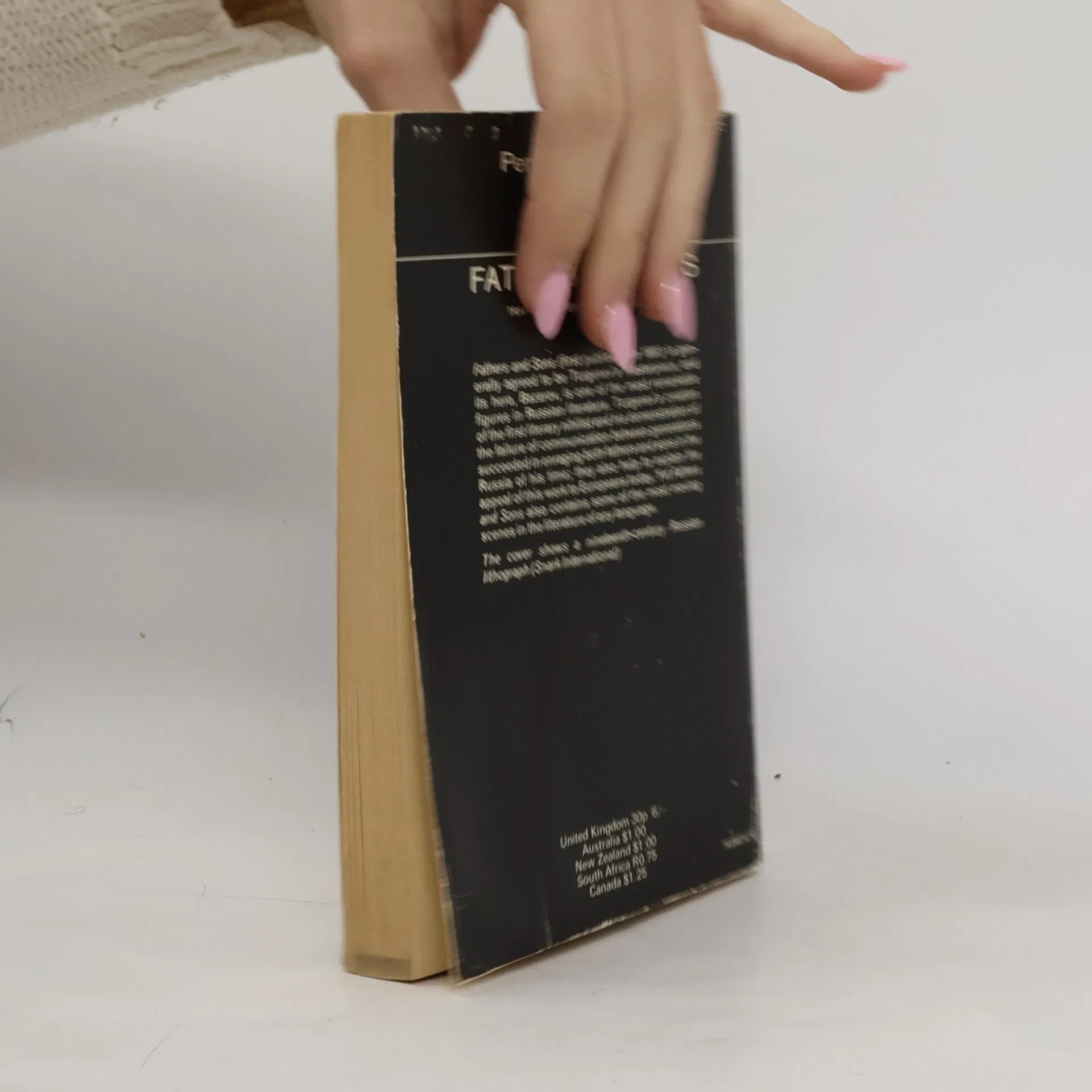
This novel 'portrays' the conflicts between the older aristocratic generation and the new democratic intelligentsia in Russia during the 1860's. The chief character is the nihilish 'Bazarov,' who espouses a strictly materialistic attitude toward life. His chief adversary is 'Pavel Petrovich Kirsanov,' an uncle of Bazarov's friend Arkadi, who upholds the aristocratic traditions in the face of Bazarov's ridicule. The novel, which is considered one of Turgenev's finest works, originally aroused widespread controversy in Russia with both radicals and conservations denying the accuracy of the portrayal of Bazarov. One side considered it slandered the younger generation; the other accused Turgenev of presenting too favorable a picture of the nihilist.



Achat du livre
Fathers and Sons, Ivan Sergejevič Turgenev
- Langue

- Année de publication
- 1978
- Reliure
- (souple),
- État du livre
- Abîmé
- Prix
- 6,26 €
Modes de paiement
Il manque plus que ton avis ici.
- Titre
- Fathers and Sons
- Langue
- Anglais
- Auteurs
- Ivan Sergejevič Turgenev
- Éditeur
- Penguin Books
- Publié
- 1978
- Format
- souple
- Séries
- Catégories
- Mots clés
- Amour, Famille, Politique, Amitié, Mort, Cadeaux pour papy, Russie, Littérature russe, Nihilisme
- Première publication
- 1862
- Titre original
- Otcy i deti
- Évaluation
- 4,15 sur 5
- Description
- This novel 'portrays' the conflicts between the older aristocratic generation and the new democratic intelligentsia in Russia during the 1860's. The chief character is the nihilish 'Bazarov,' who espouses a strictly materialistic attitude toward life. His chief adversary is 'Pavel Petrovich Kirsanov,' an uncle of Bazarov's friend Arkadi, who upholds the aristocratic traditions in the face of Bazarov's ridicule. The novel, which is considered one of Turgenev's finest works, originally aroused widespread controversy in Russia with both radicals and conservations denying the accuracy of the portrayal of Bazarov. One side considered it slandered the younger generation; the other accused Turgenev of presenting too favorable a picture of the nihilist.