

Bookbot

Ivan Sergejevič Turgenev

    28 octobre 1818 – 3 septembre 1883

    Ivan Tourgueniev s'impose comme une figure majeure de la littérature russe, célébré pour ses œuvres réalistes et pénétrantes. À travers ses romans et nouvelles, il offrit des portraits empreints d'affection de la paysannerie russe, parallèlement à des études perspicaces de l'intelligentsia aspirant à la réforme sociale et à la modernisation. Son chef-d'œuvre est largement considéré comme l'un des plus grands romans du XIXe siècle. Tandis que ses contemporains exploraient souvent des thèmes religieux, Tourgueniev se concentra sur les changements sociétaux et l'évolution de la société russe.
    Ivan Sergejevič Turgenev
    Turgenev Bilingual
    A Sportsman's Notebook
    Mémoires d'un Chasseur
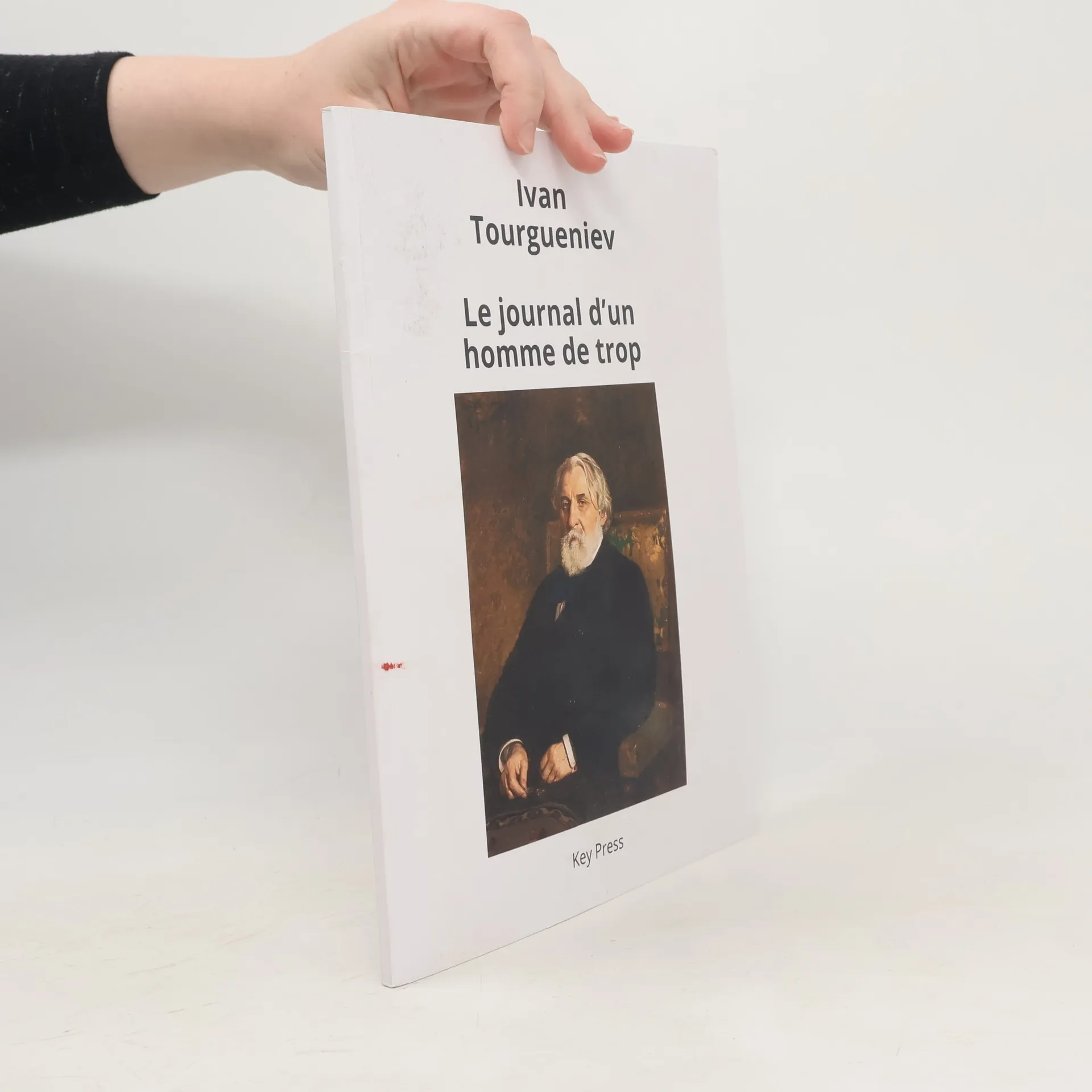
    Le journal d'un homme de trop
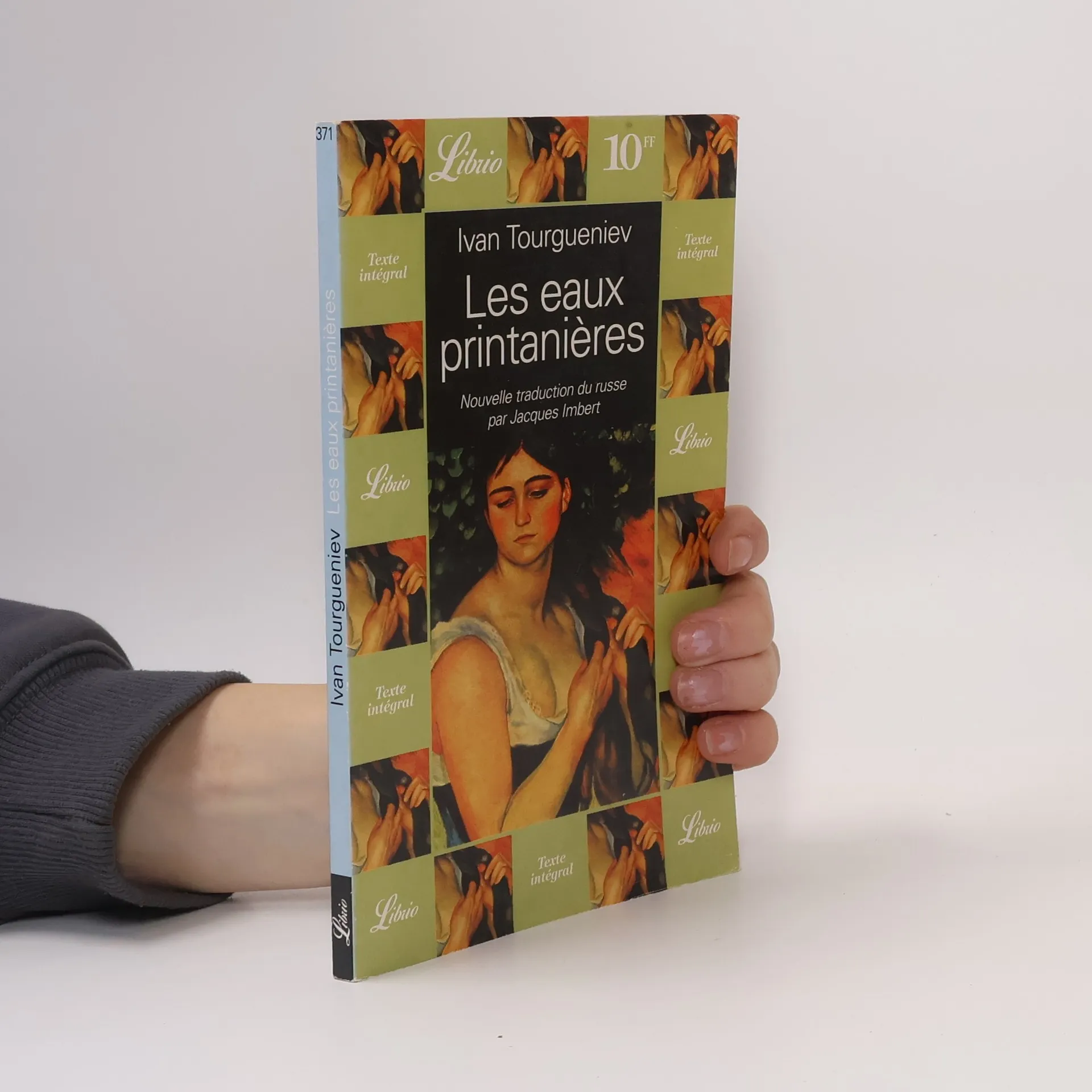
    Les eaux printanières
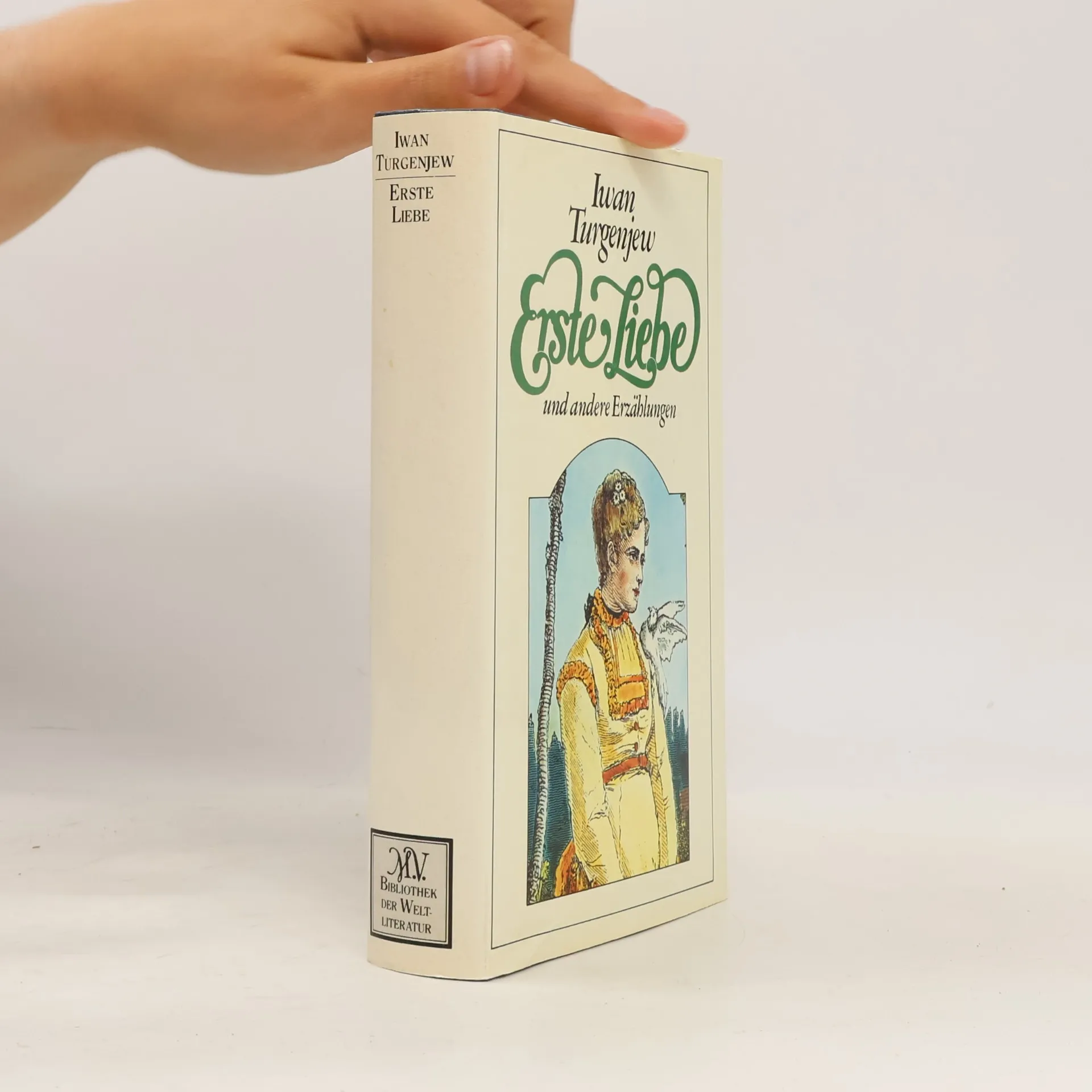
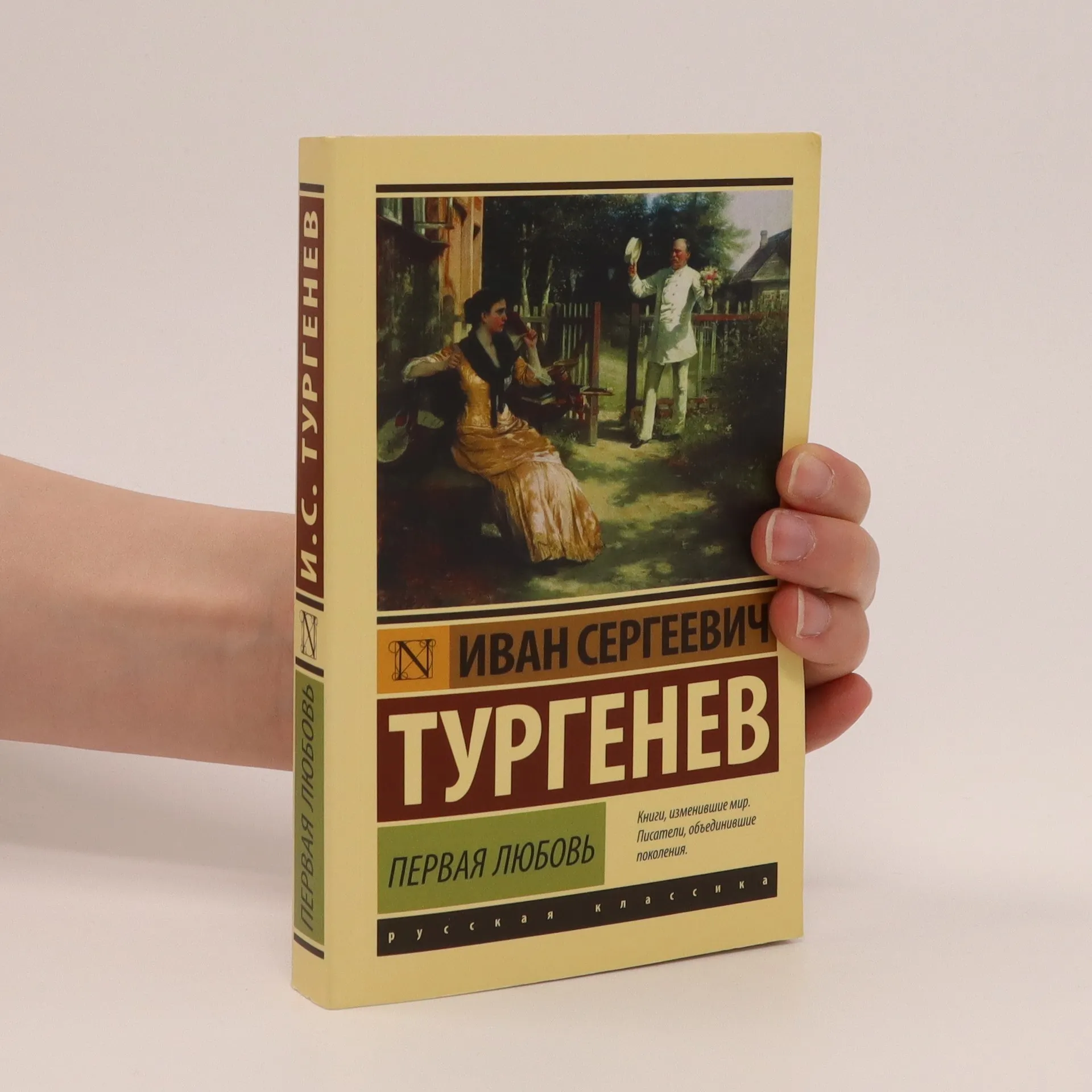
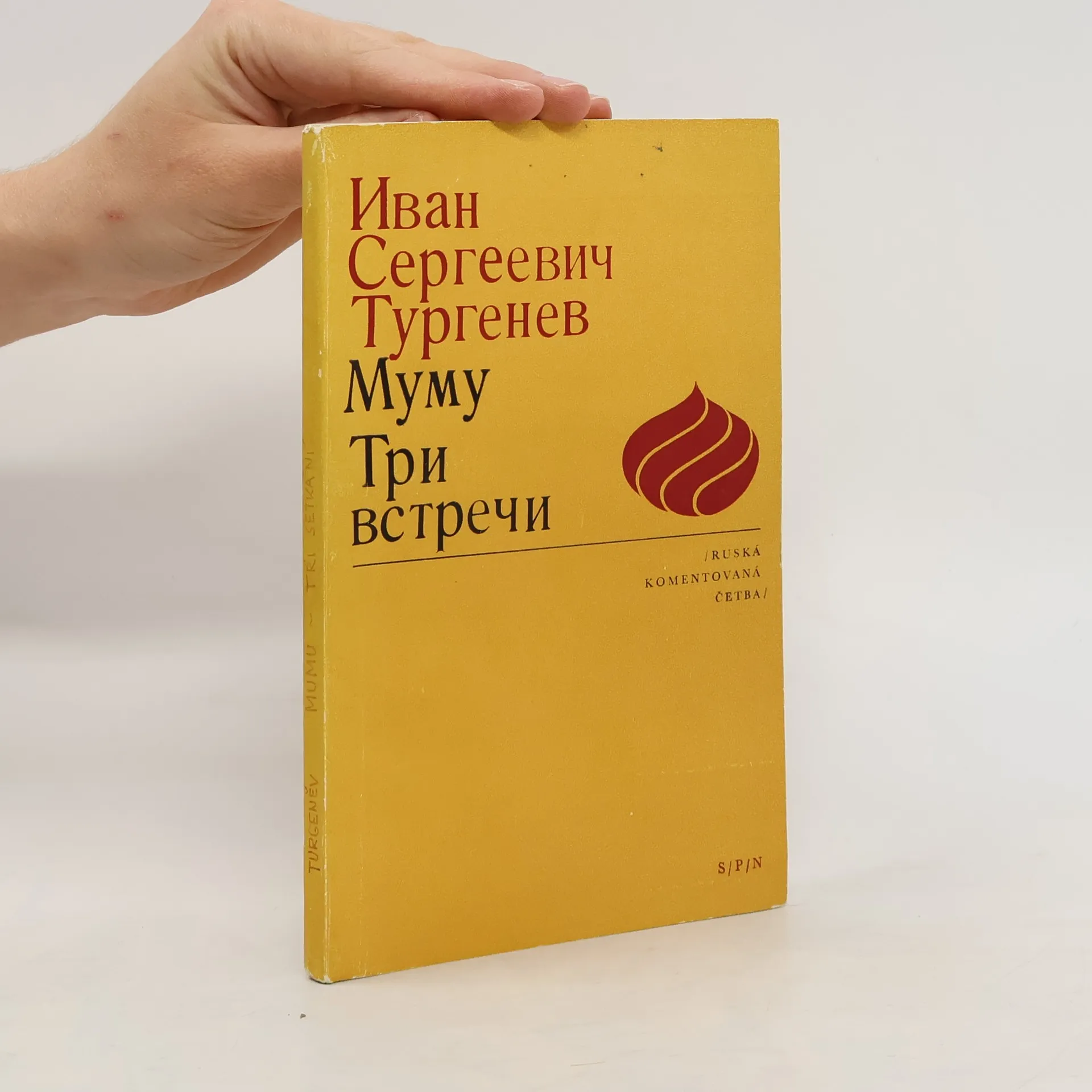
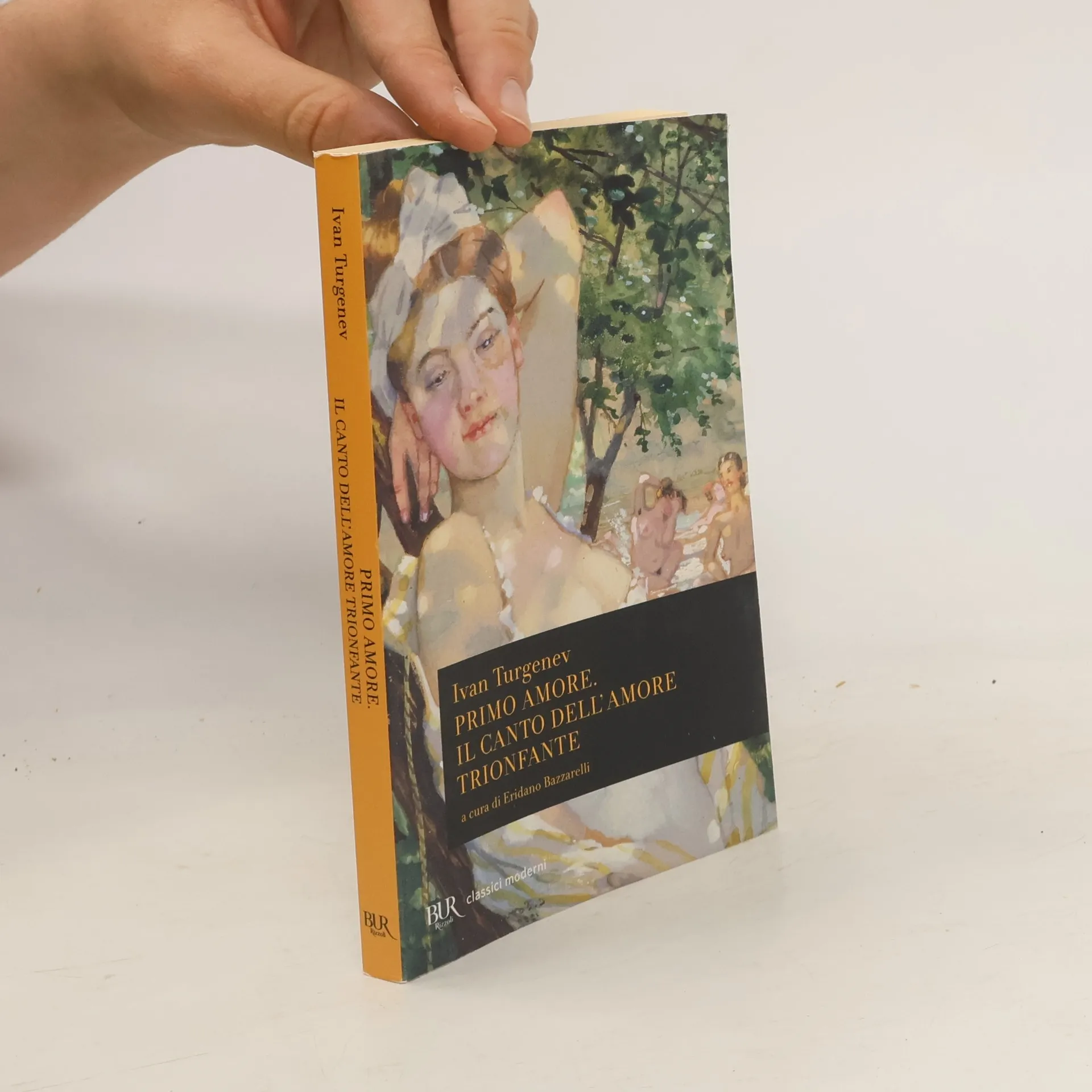
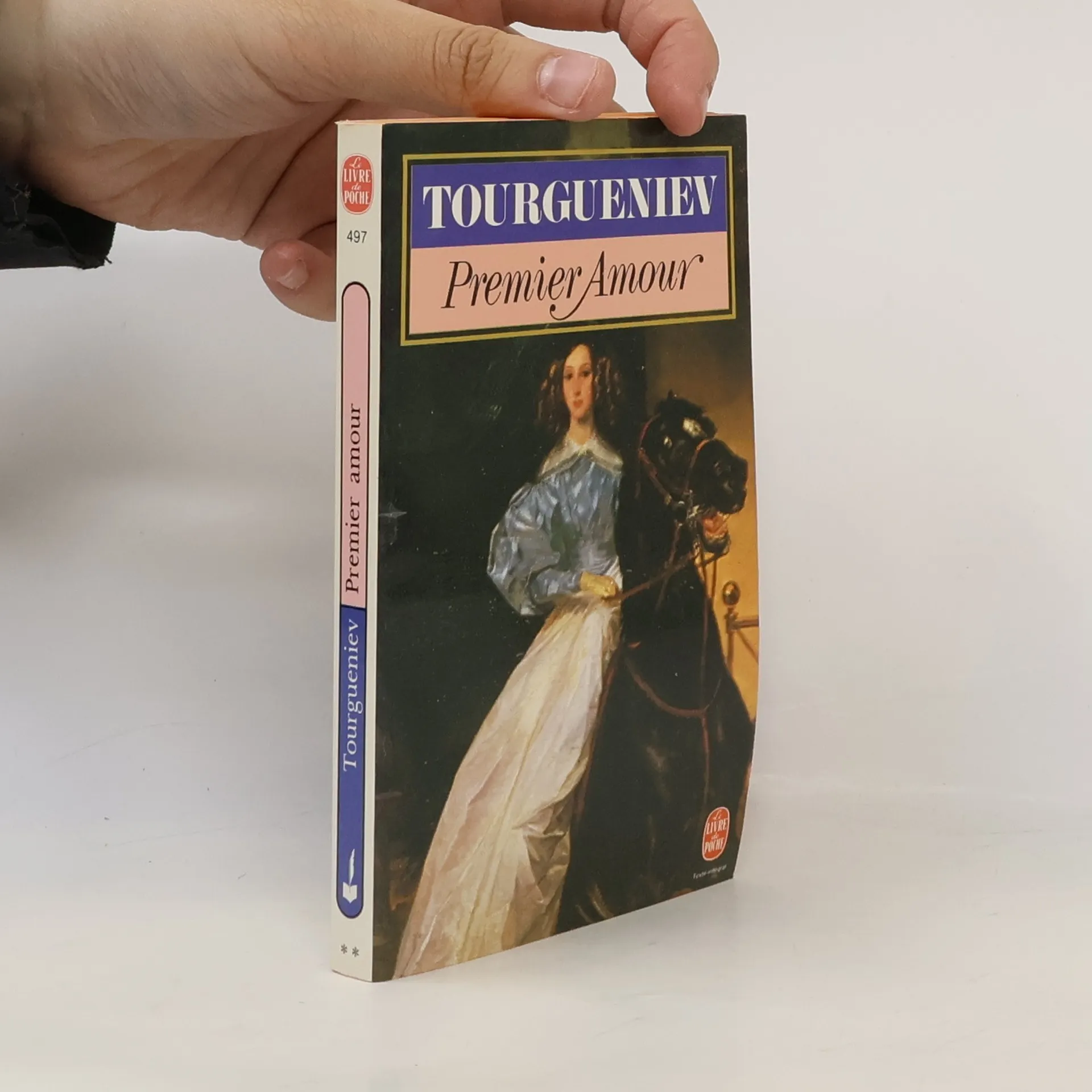
    Premier amour
    • Seize ans ! Le bel âge pour Vladimir Pétrovitch. Zinaïda en a vingt et un. Elle prend plaisir à l'appeler monsieur Voldémar. Il porte encore une veste courte col rabattu : un enfant amoureux de la jeune princesse pour l'avoir vue par-dessus la palissade de son domaine. Premier amour, premiers tourments. Tour à tour, il connaît la tristesse, l'exaltation subite, l'allégresse trouble, l'espoir et la crainte selon l'humeur de Zinaïda. D'abord insouciante, coquette, la jeune fille devient froide, mystérieuse. Vladimir songe à un rival secret. Il s'étonne de la coir caracoler à cheval avec son père et d'étranges soupçons l'envahissent. Mais comment s'y arrêter... L'amour est aveugle et Vladimir inconscient du drame qui se joue à ses côtés.

      Premier amour
      4,0
    • Les eaux printanières

      Nouvelle traduction du russe par Jacques Imbert

      • 126pages
      • 5 heures de lecture

      Seul et triste, Sanine voit approcher la vieillesse et se souvient. Il avait vingt ans quand il fit étape à Francfort, au retour d'un voyage en Europe. La première fois qu'il vit Gemma, dans la confiserie de sa mère, il en tomba follement amoureux. Gemma est belle, brune, parée de toutes les vertus et, très vite, partage son inclination. Pour elle, Sanine est prêt à tout : il se bat en duel, il l'arrache à son fiancé, un premier commis infatué de lui-même obtient sa main et décide de vendre ses terres pour assurer à sa belle une vie confortable. Sûr de régler l'affaire en trois jours, il part à Wiesbaden où se trouve en villégiature la femme - riche - d'un de ses amis. C'est là que le destin dérape. Sanine ne reviendra jamais à Francfort, pris dans un piège grossier qui lui coûtera son bonheur...

      Les eaux printanières
      4,0
    • A Sportsman's Notebook

      Stories

      • 416pages
      • 15 heures de lecture

      Set against the backdrop of feudal Russia, the collection features twenty-five evocative stories that explore life on a manor through the lens of exile. The narratives delve into the complex relationships and conflicts between serfs and landlords, highlighting the struggles and resilience of those living under oppressive conditions. Each story is crafted with lyrical prose, offering a profound insight into the human experience during a tumultuous period in history.

      A Sportsman's Notebook
      4,4
    • Turgenev Bilingual

      • 124pages
      • 5 heures de lecture

      Ivan Turgenev's writing is distinguished by its profound exploration of nature and social injustices, reflecting his keen observations of the world around him. His life was marked by controversy, stemming from his outspoken views, including an arrest for his obituary of Gogol, and personal scandals such as philandering and allegations of plagiarism. Additionally, his perceived cowardice during a boat fire further fueled public debate about his character, making him a complex figure in literature and society.

      Turgenev Bilingual
      4,0
    • The Diary of a Superfluous Man and Other Stories

      Translated by Constance Garnett

      • 176pages
      • 7 heures de lecture

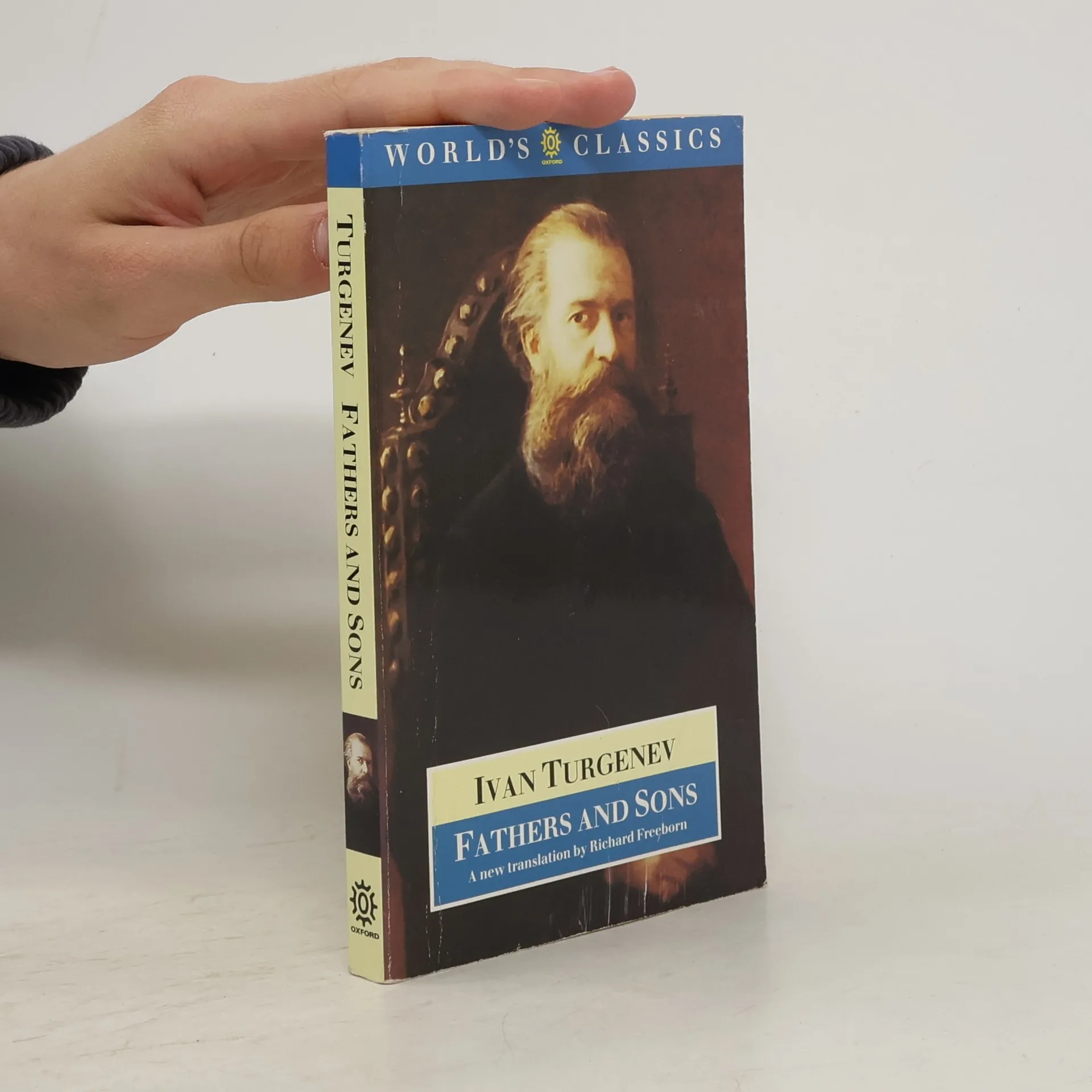
      Fathers and Sons stands out as a pivotal work in 19th-century literature, reflecting Turgenev's belief in the necessity for Russia to adopt Western ideals for progress. The novel explores generational conflict, particularly between traditional values and emerging nihilism, mirroring Turgenev's own opposition to serfdom and his admiration for German society. Renowned for his insightful characterizations and social commentary, Turgenev also gained recognition through his earlier work, A Sportsman's Sketches, and various short novels that delve into the complexities of human experience.

      The Diary of a Superfluous Man and Other Stories
      4,0
    • Parasha and Other Poems

      • 256pages
      • 9 heures de lecture

      This unique collection contains Parasha, a humorous narrative poem, and four other narrative poems by Turgenev - Andrei, A Conversation, The Landowner and The Village Priest - all showing the author's early interest in ordinary stories of Russian life.

      Parasha and Other Poems
      4,0
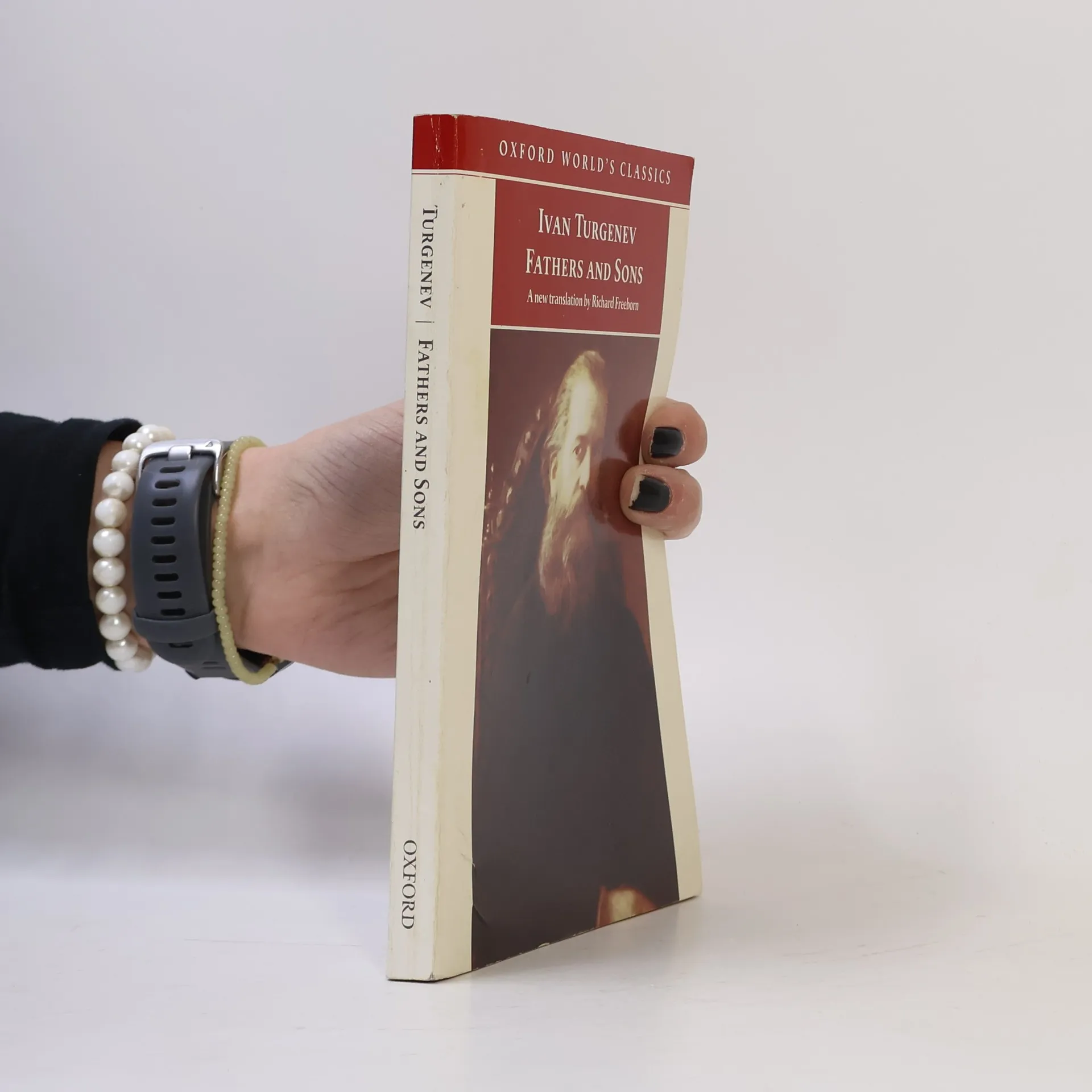
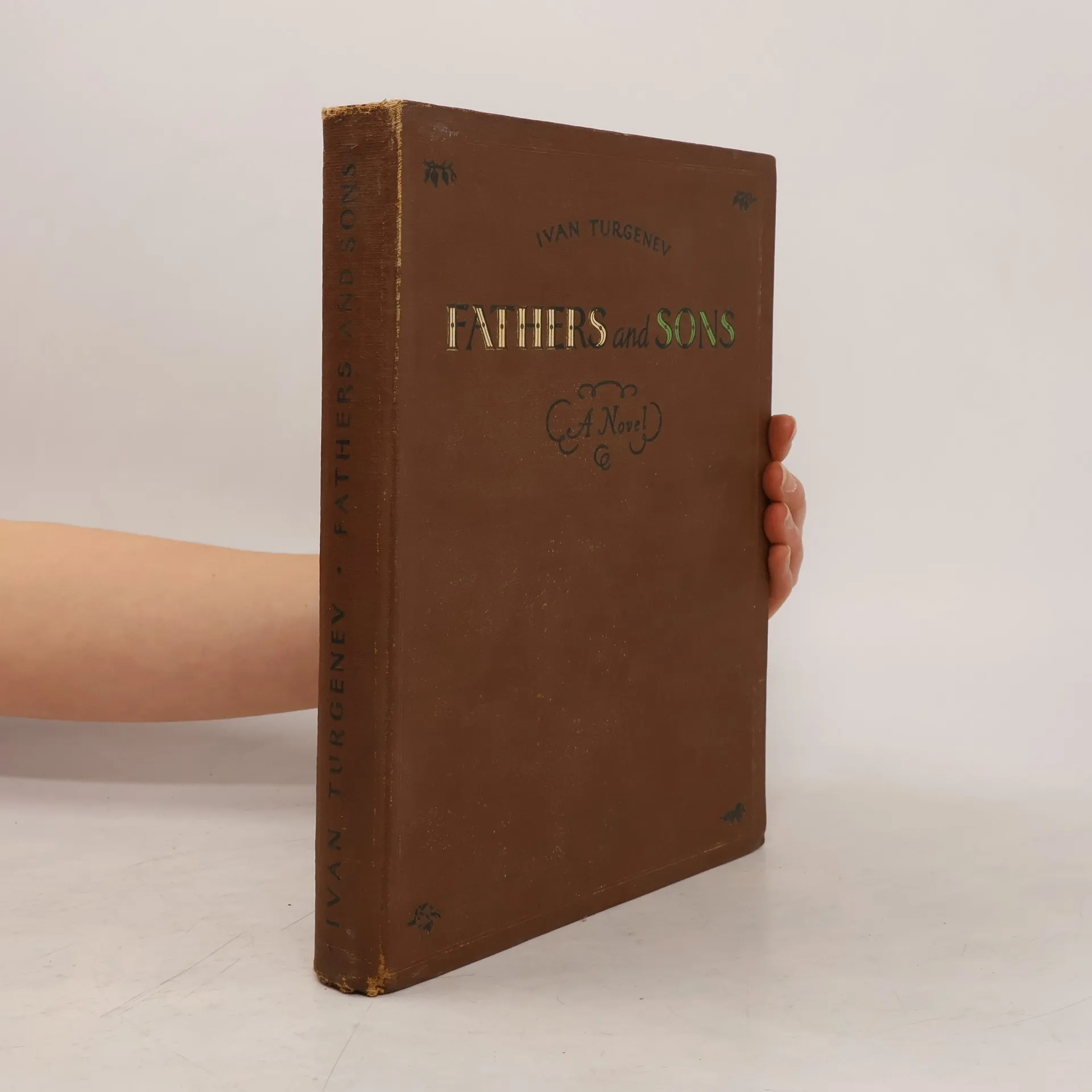
    • Fathers and sons

      • 300pages
      • 11 heures de lecture

      This novel 'portrays' the conflicts between the older aristocratic generation and the new democratic intelligentsia in Russia during the 1860's. The chief character is the nihilish 'Bazarov,' who espouses a strictly materialistic attitude toward life. His chief adversary is 'Pavel Petrovich Kirsanov,' an uncle of Bazarov's friend Arkadi, who upholds the aristocratic traditions in the face of Bazarov's ridicule. The novel, which is considered one of Turgenev's finest works, originally aroused widespread controversy in Russia with both radicals and conservations denying the accuracy of the portrayal of Bazarov. One side considered it slandered the younger generation; the other accused Turgenev of presenting too favorable a picture of the nihilist.

      Fathers and sons
      4,2
    • First Love and Other Stories

      • 298pages
      • 11 heures de lecture

      This collection brings together six of Turgenev's best-known `long' short stories, in which he turns his skills of psychological observation and black comedy to subjects as diverse as the tyranny of serfdom, love, and revenge on the Russian steppes. These stories all display the elegance and clarity of Turgenev's finest writing.

      First Love and Other Stories
      4,2