

En savoir plus sur le livre
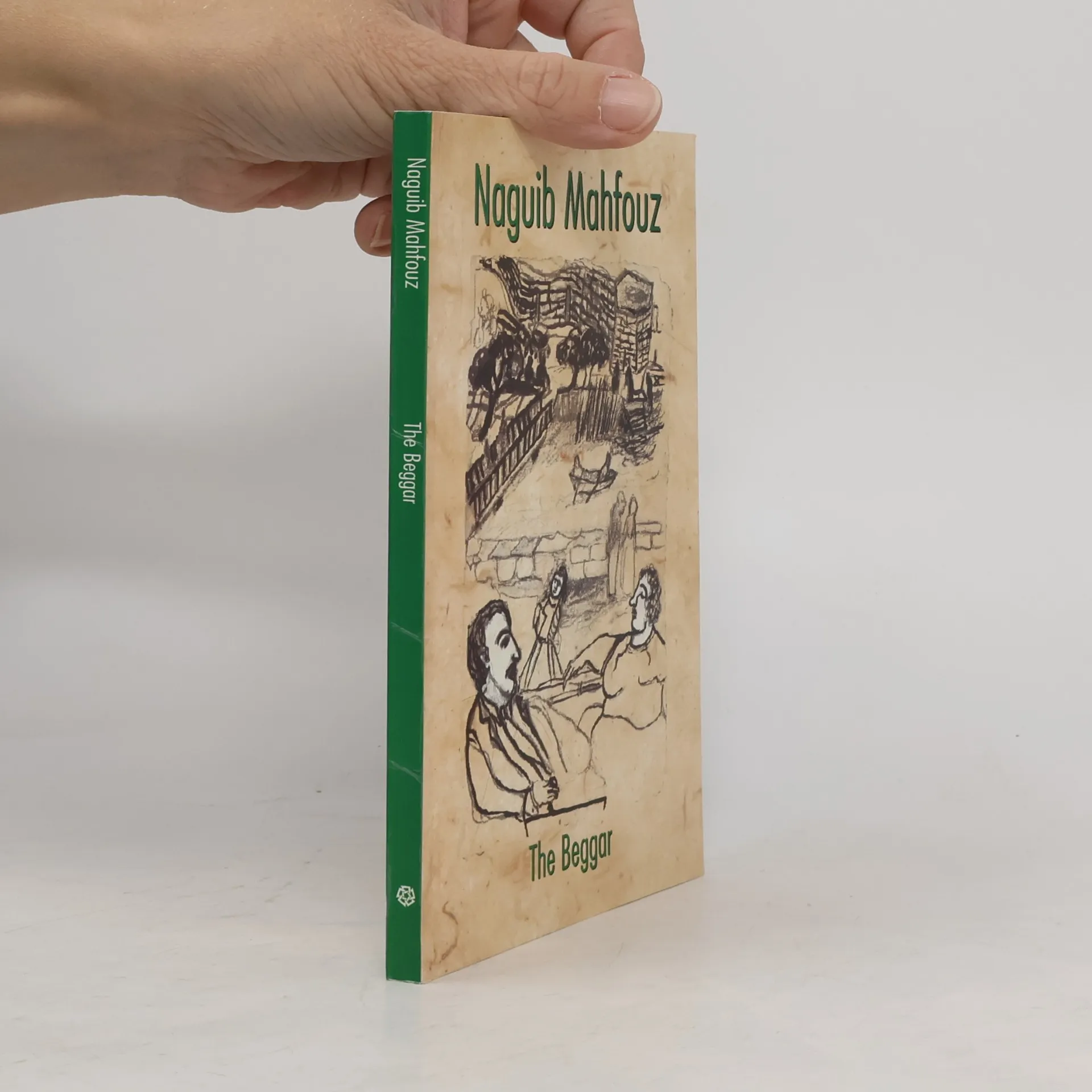
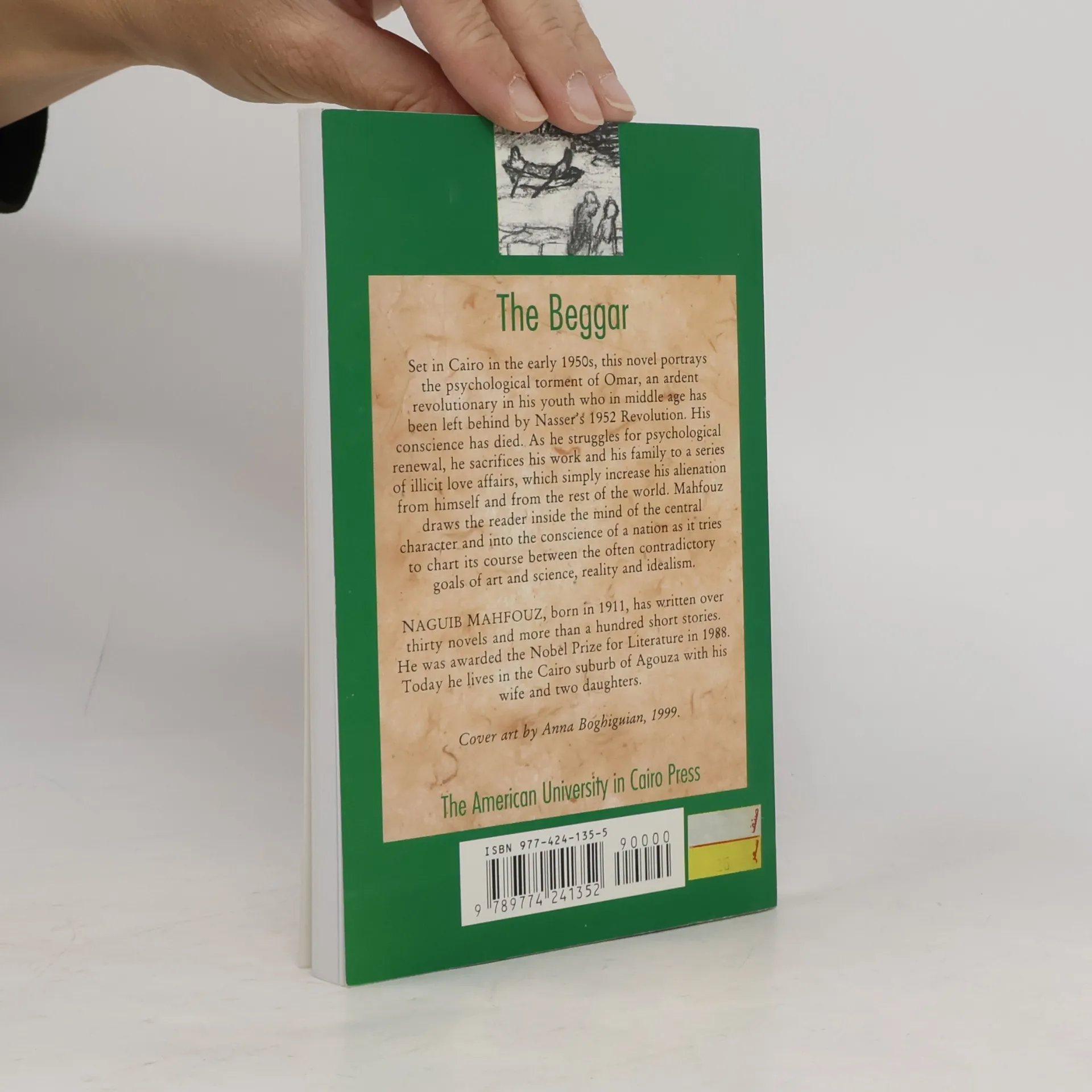
The Beggar, set in Cairo in the early 1950s, portrays the psychological torment of Omar, an ardent revolutionary in youth who in middle age has been left behind by Nasser's Revolution. His conscience has fled. As he struggles with psychological renewal, he sacrifices his work and his family to a series of illicit love affairs, which simply increase his alienation from himself and from the rest of the others. Mahfouz draws the reader not only inside the mind of the central character but also into the conscience of a nation as it tries to chart its course between the often contradictory realms of art and science, idealism and realism. The Swedish Academy of Letters in awarding Naguib Mahfouz the 1988 Nobel Prize for Literature noted that Mahfouz "through works rich in nuance - now clear-sightedly realistic, now evocatively ambiguous - has formed an Arabic narrative art that applies to all mankind."

Achat du livre
The Beggar, Nagib Machfus
- Langue

- Année de publication
- 1986
- Reliure
- (souple),
- État du livre
- Bon
- Prix
- 6,49 €
Modes de paiement
Il manque plus que ton avis ici.
- Titre
- The Beggar
- Langue
- Anglais
- Auteurs
- Nagib Machfus
- Publié
- 1986
- Format
- souple
- Pages
- 124
- ISBN10
- 9774241355
- ISBN13
- 9789774241352
- Séries
- Catégories
- Mots clés
- Thématique philosophique, Égypte
- Titre original
- aš- Šaḥḥād
- Évaluation
- 3,7 sur 5
- Description
- The Beggar, set in Cairo in the early 1950s, portrays the psychological torment of Omar, an ardent revolutionary in youth who in middle age has been left behind by Nasser's Revolution. His conscience has fled. As he struggles with psychological renewal, he sacrifices his work and his family to a series of illicit love affairs, which simply increase his alienation from himself and from the rest of the others. Mahfouz draws the reader not only inside the mind of the central character but also into the conscience of a nation as it tries to chart its course between the often contradictory realms of art and science, idealism and realism. The Swedish Academy of Letters in awarding Naguib Mahfouz the 1988 Nobel Prize for Literature noted that Mahfouz "through works rich in nuance - now clear-sightedly realistic, now evocatively ambiguous - has formed an Arabic narrative art that applies to all mankind."