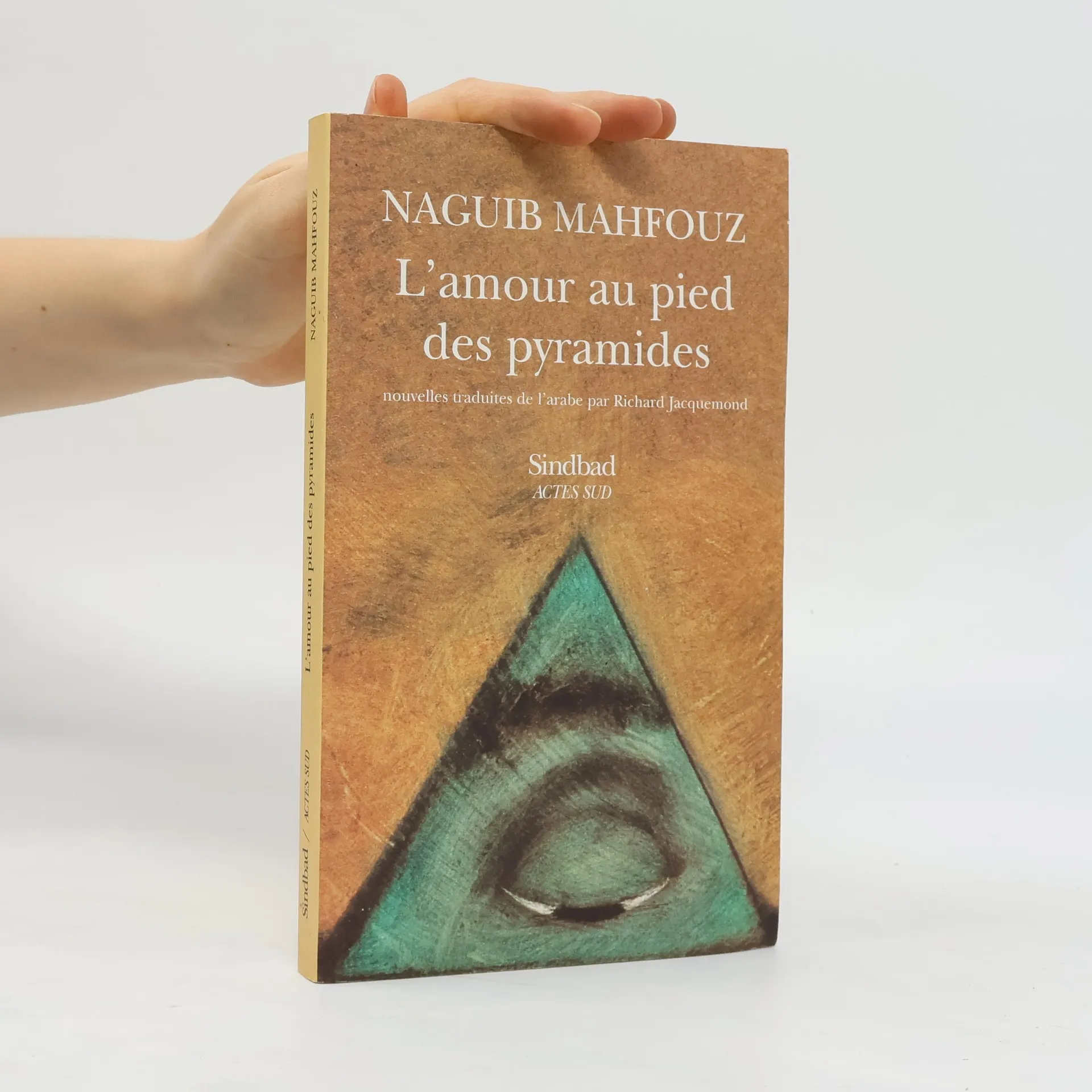
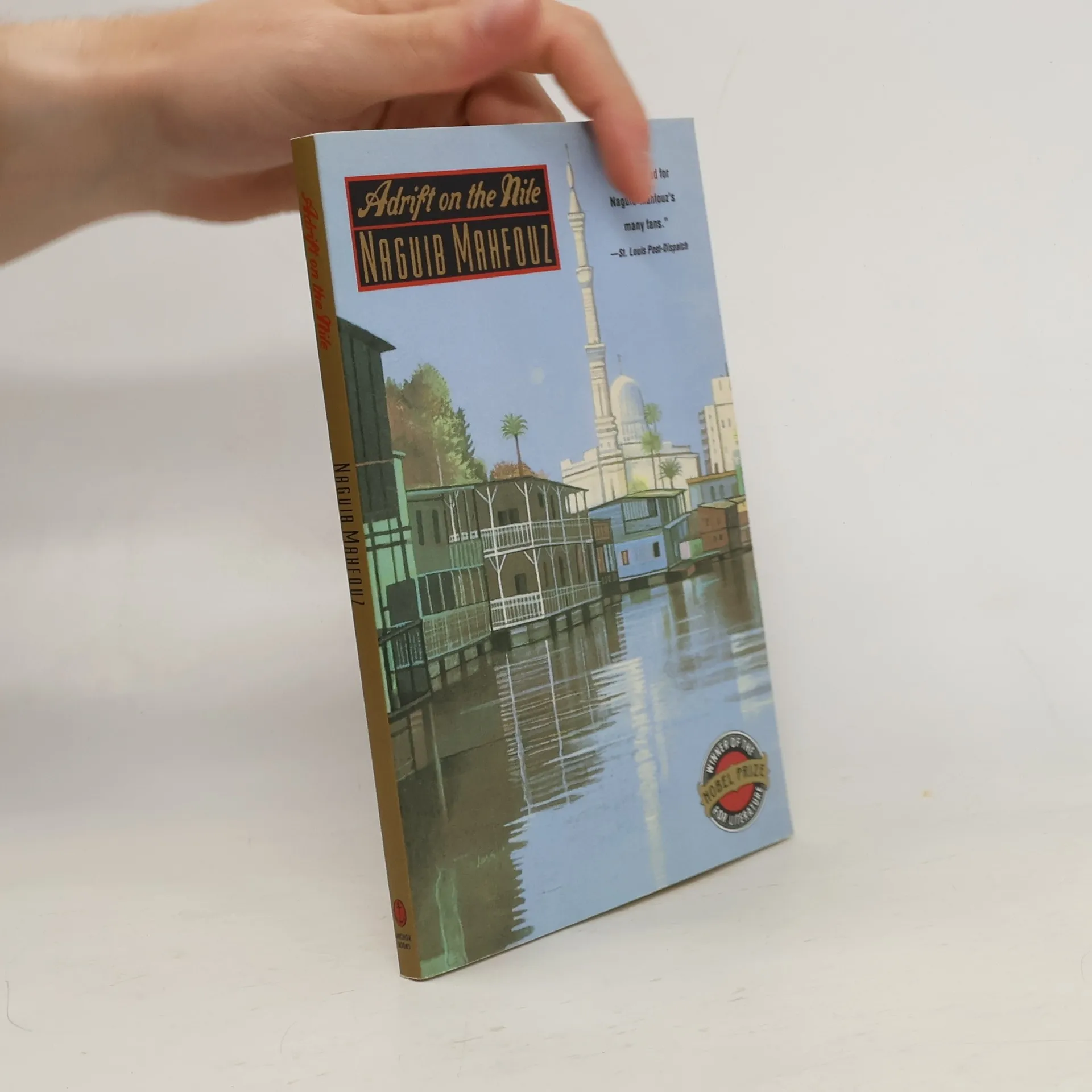
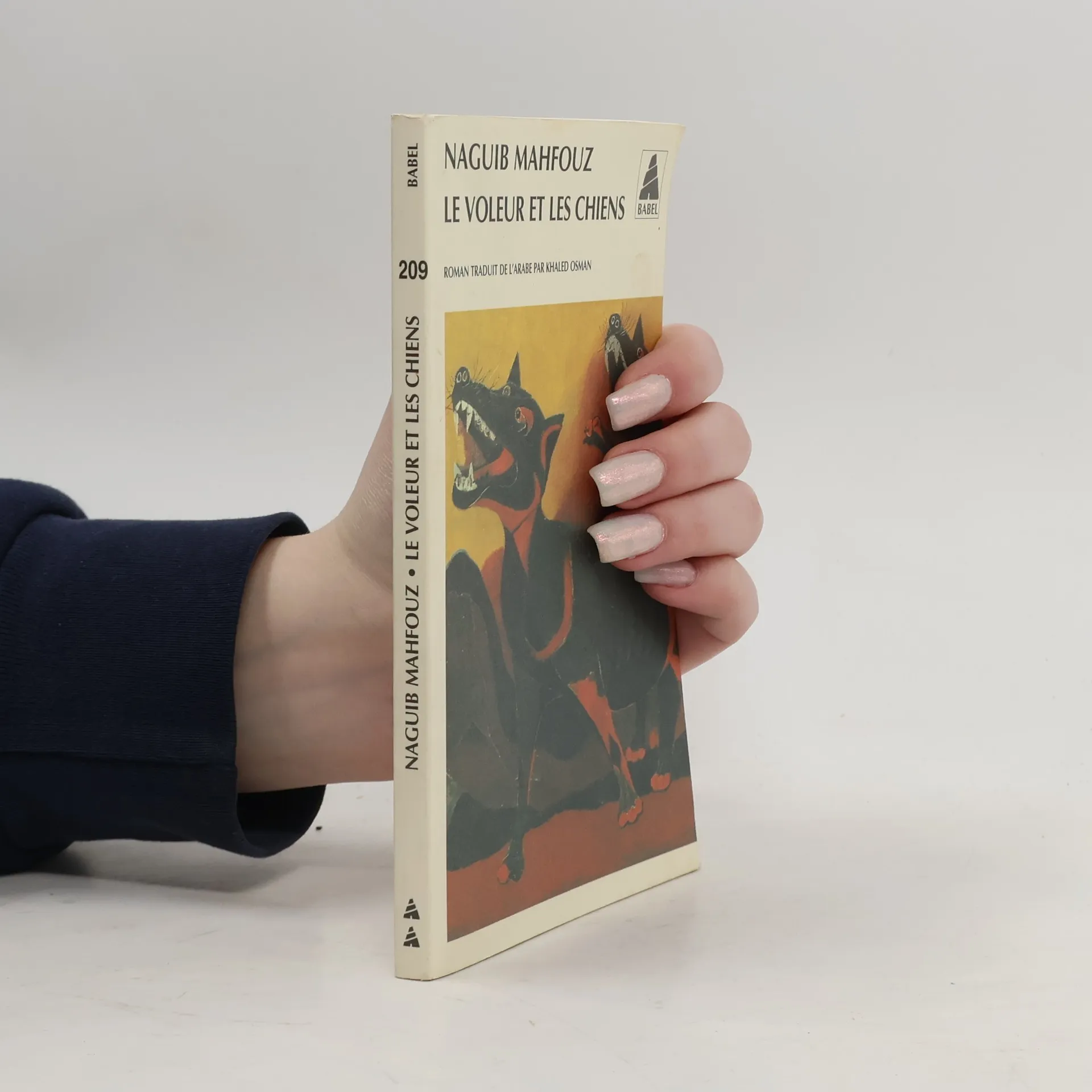
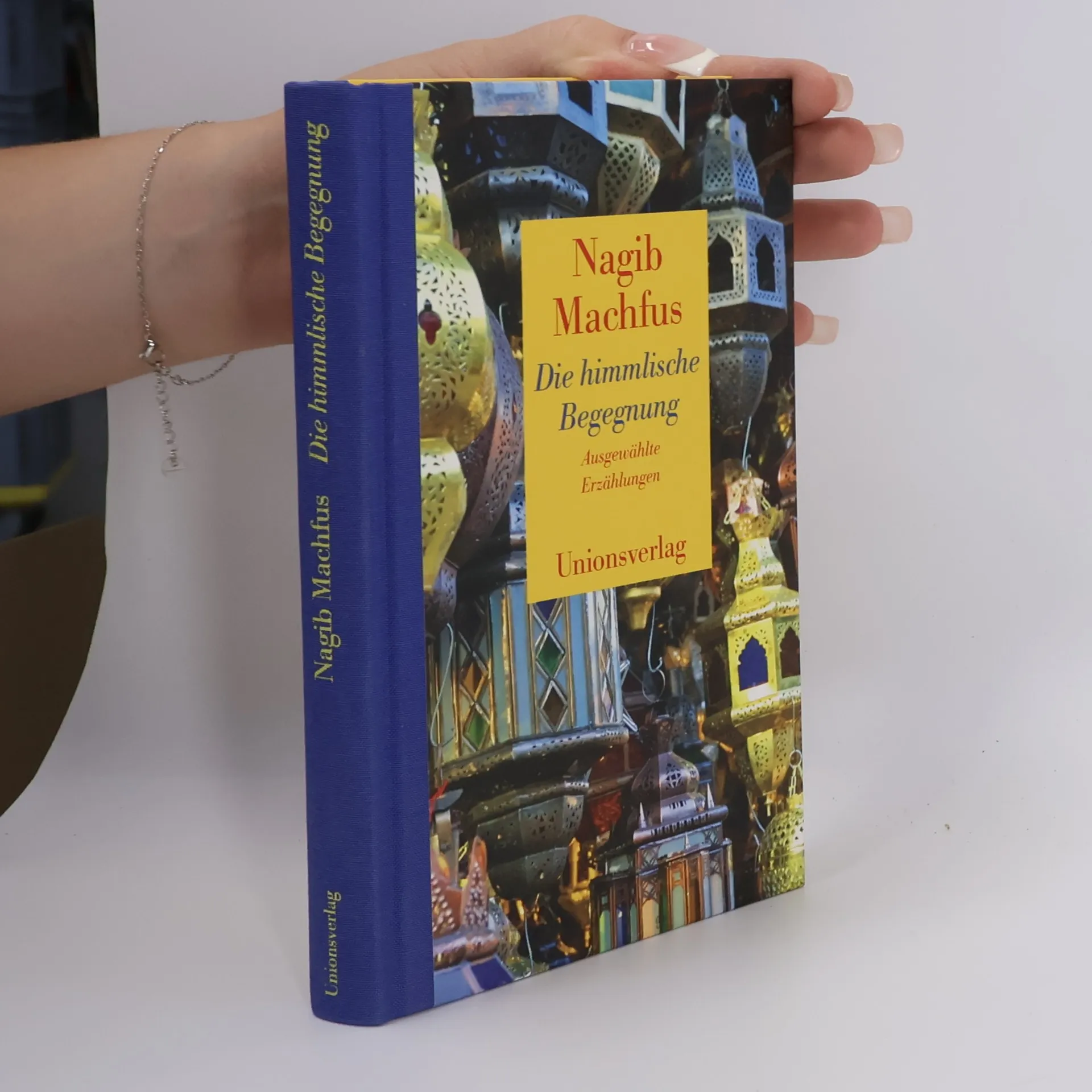
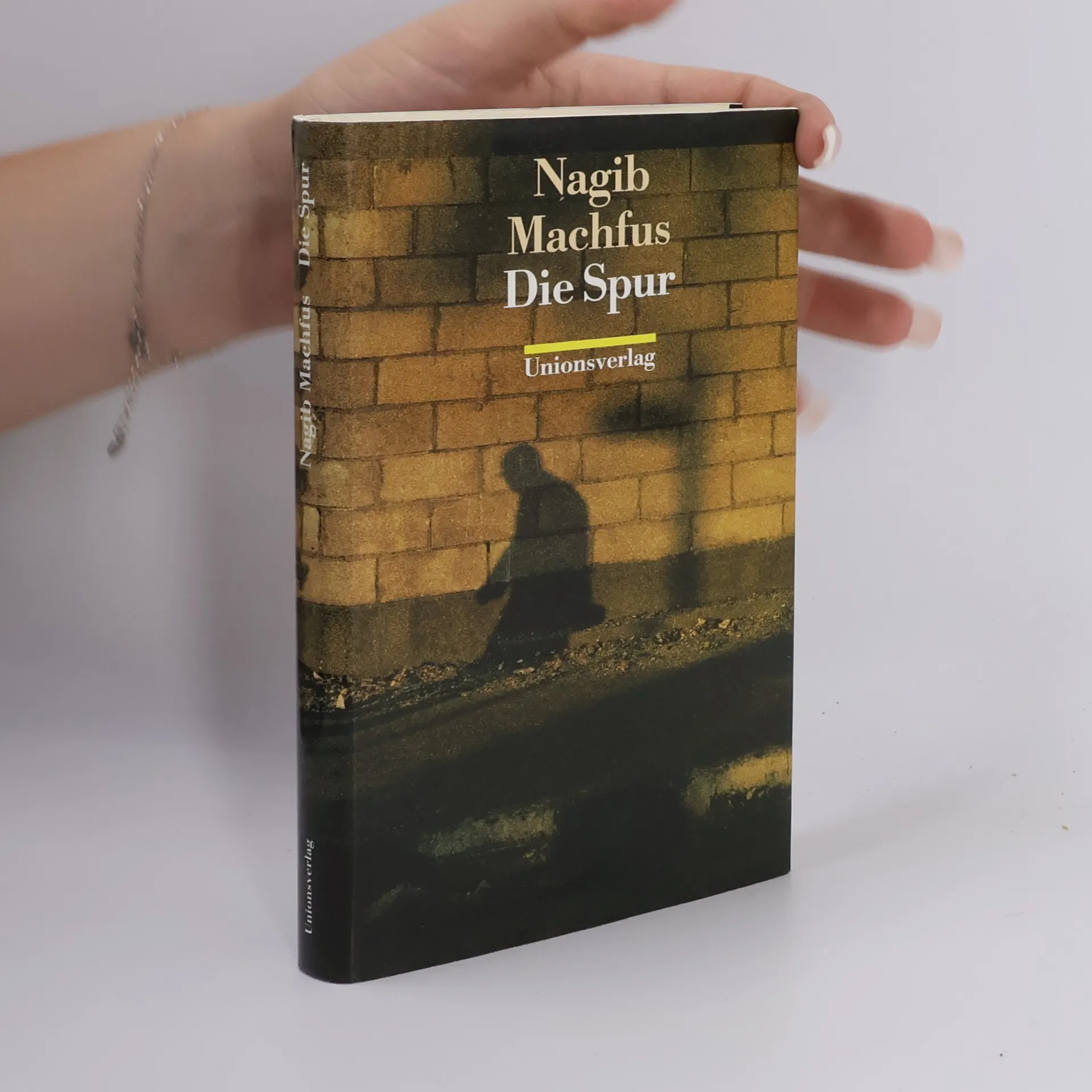
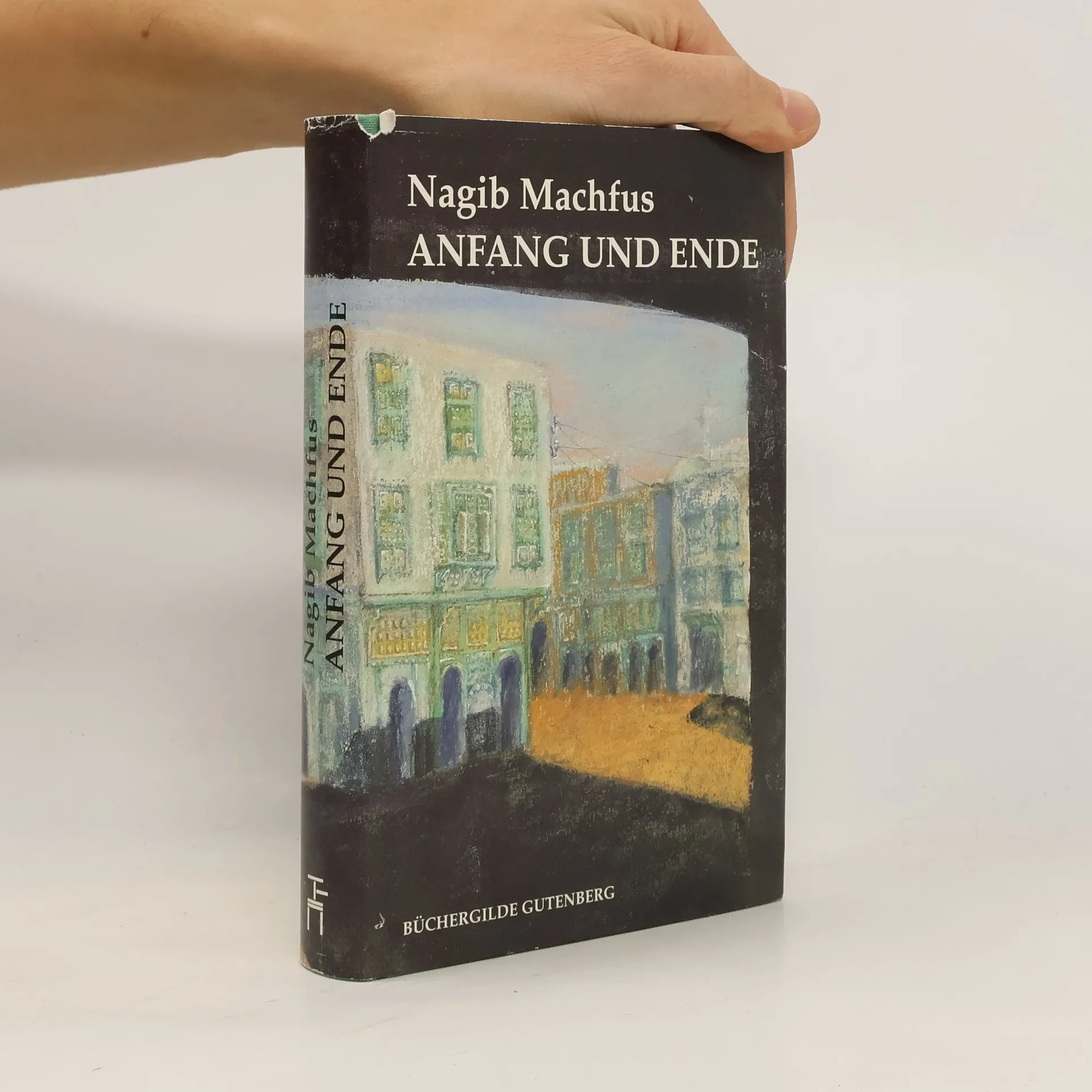
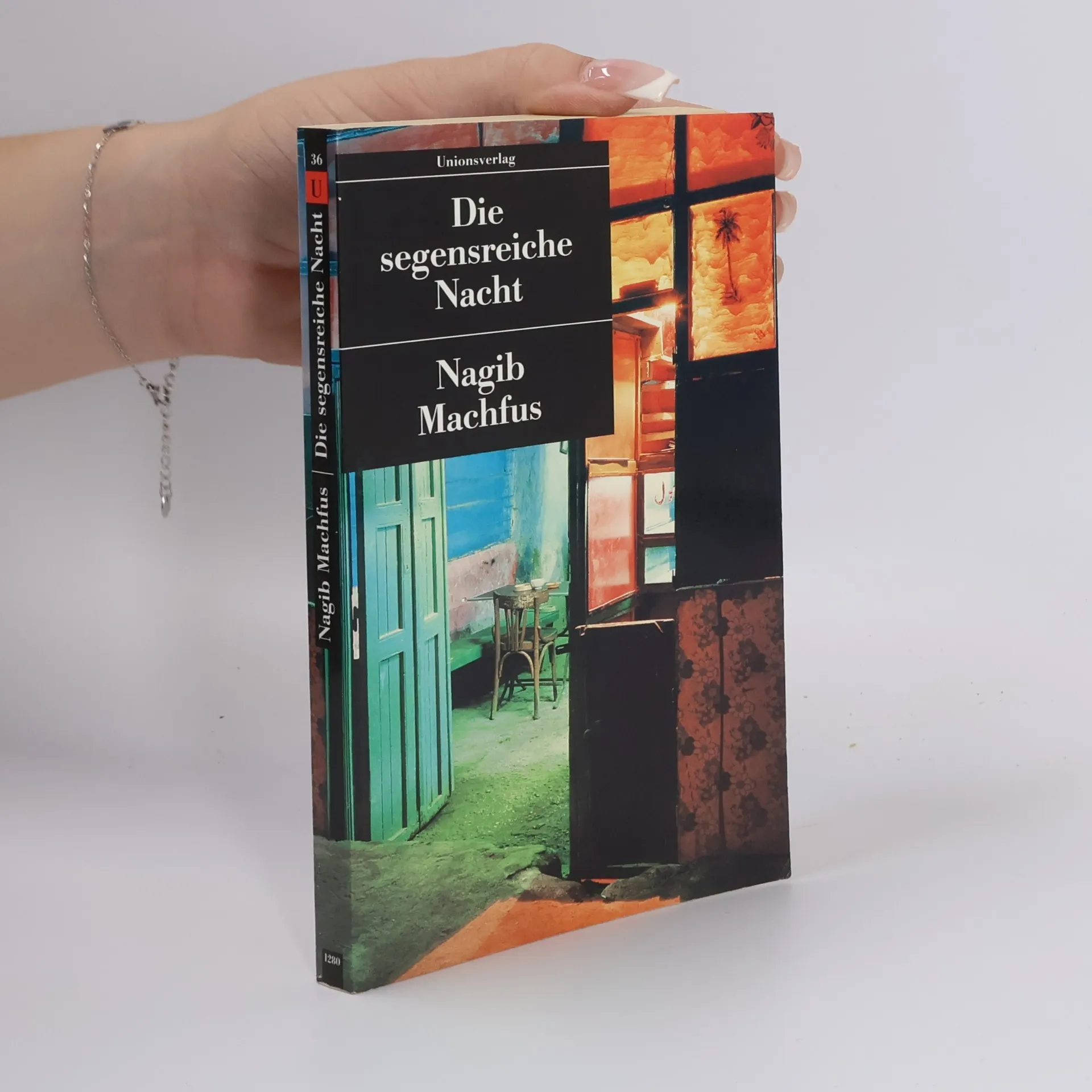
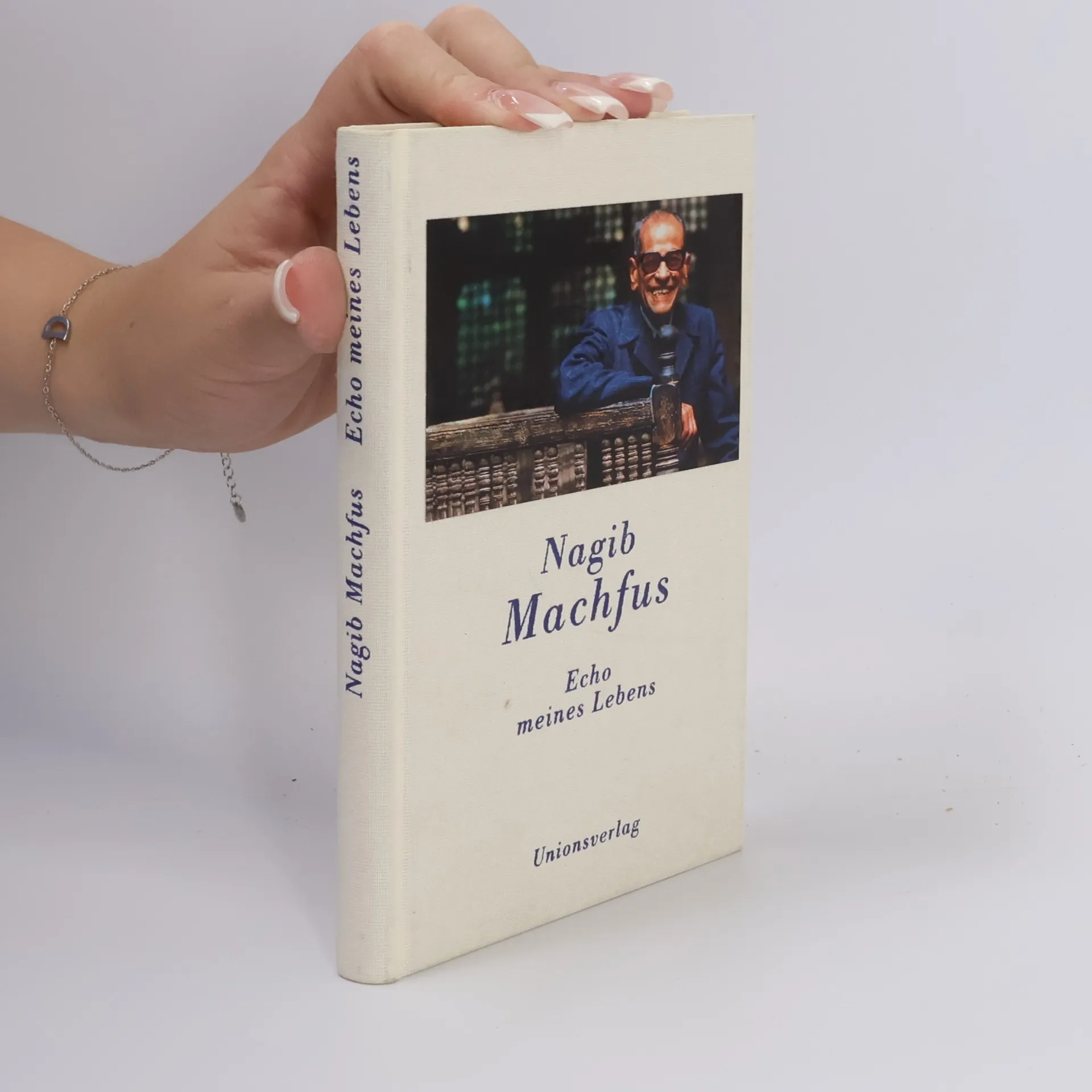
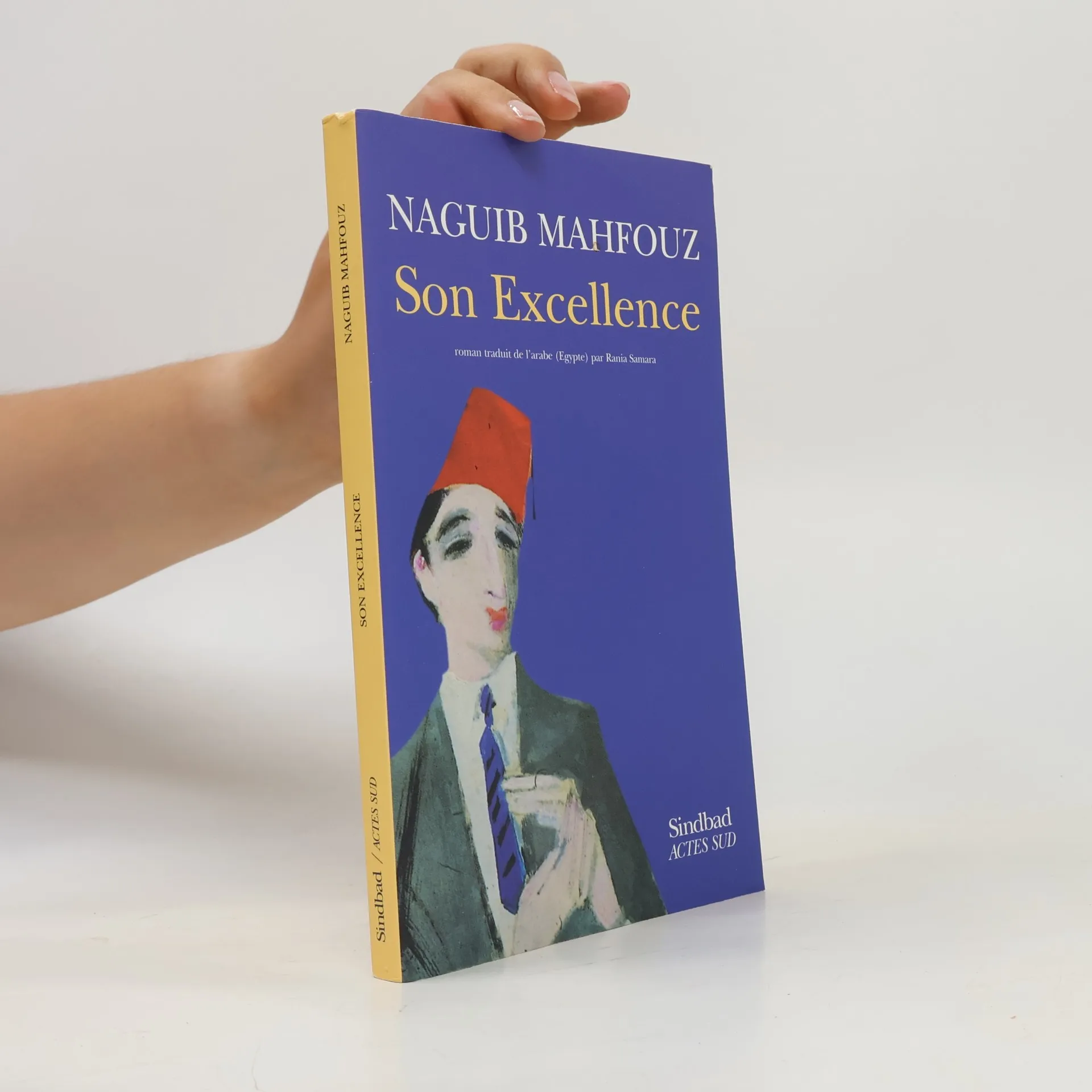
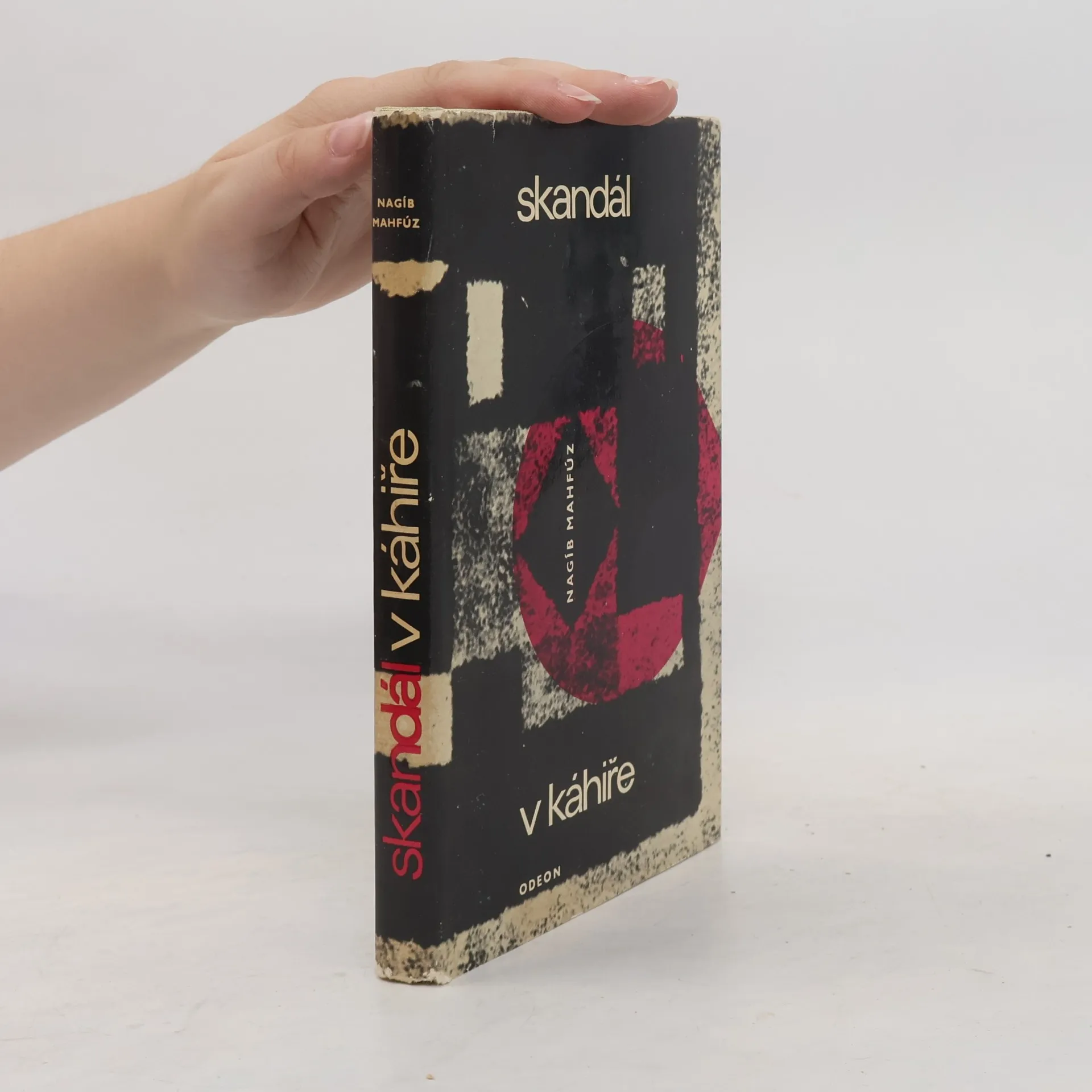
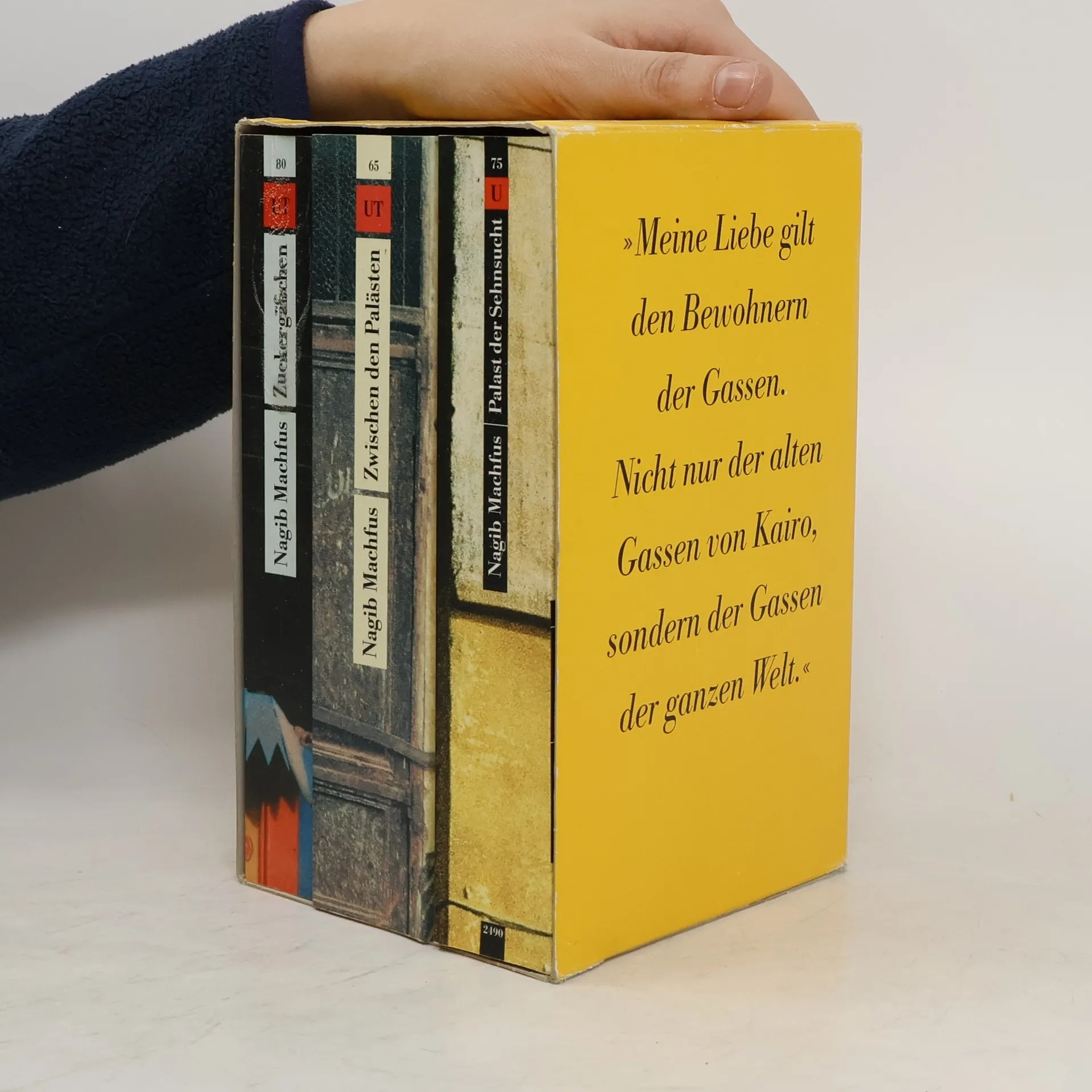
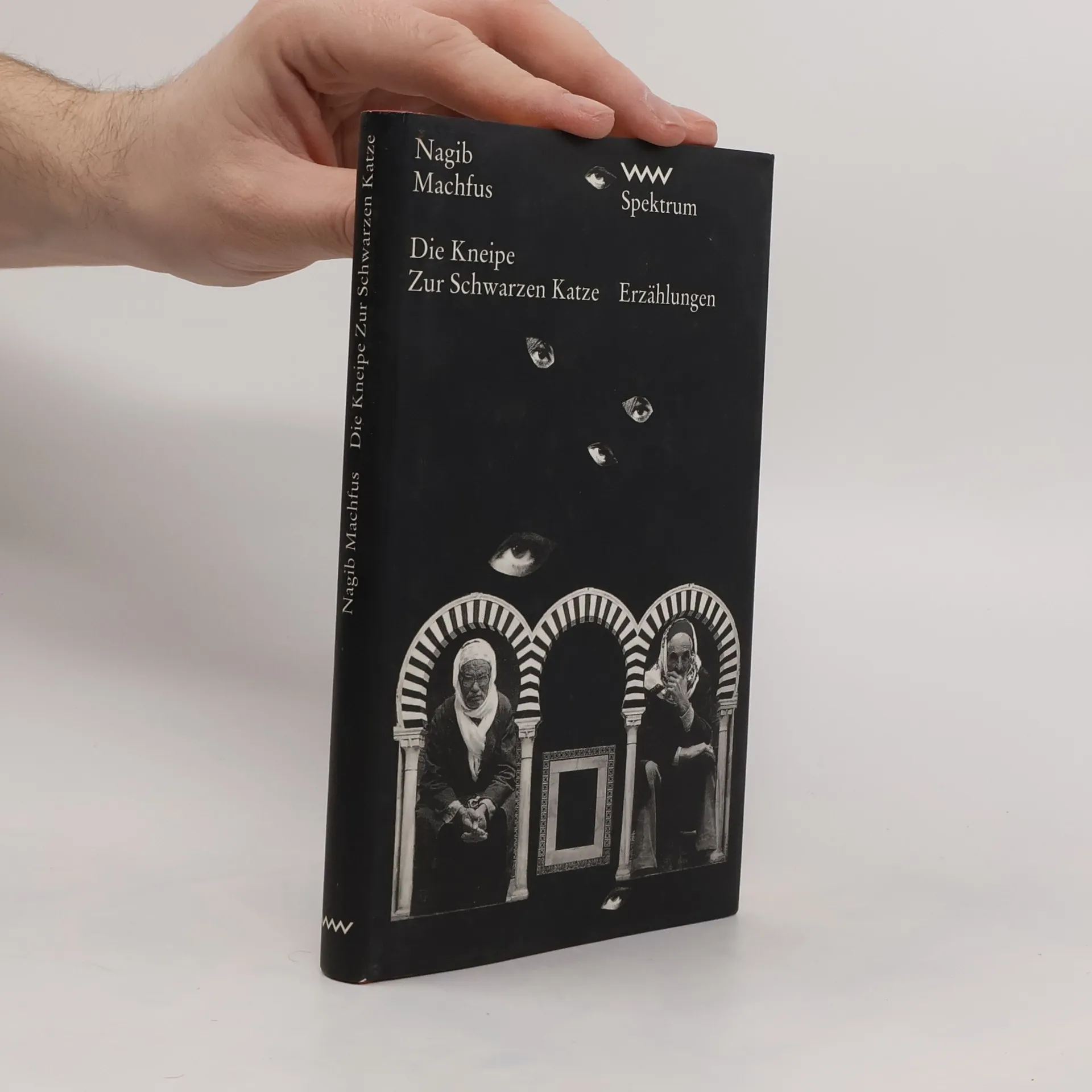
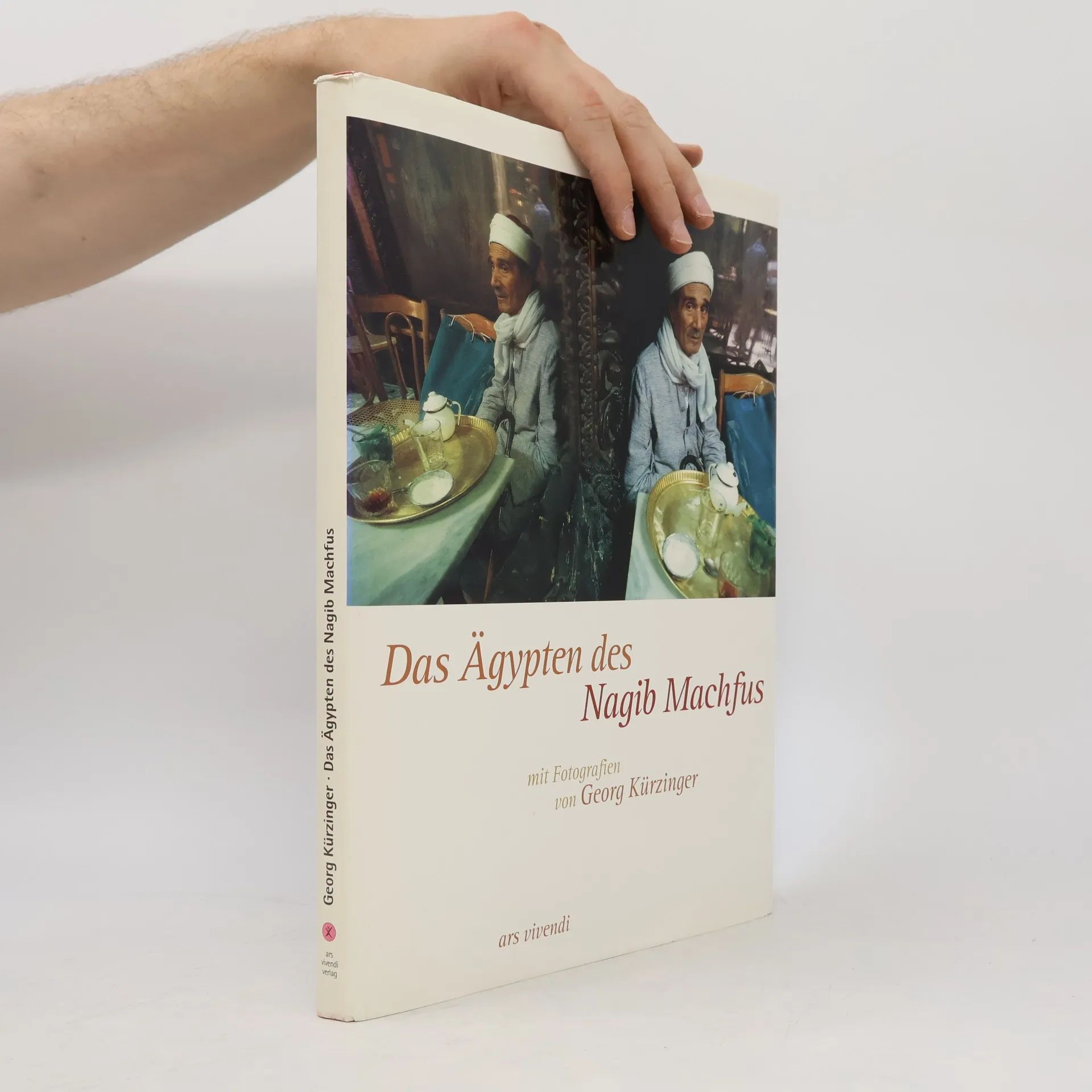
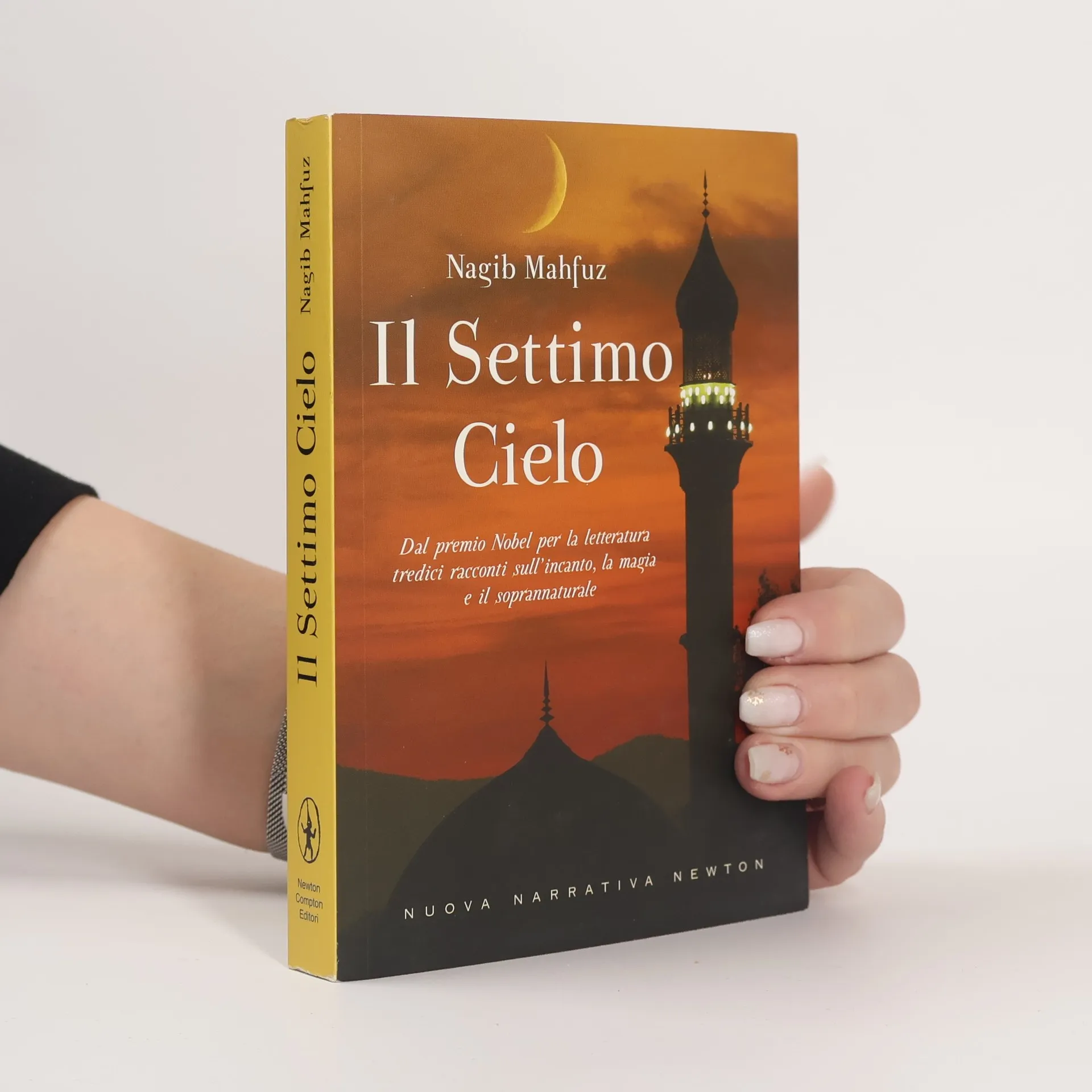
Naguib Mahfouz était un écrivain égyptien dont les œuvres explorent souvent de profondes questions sociales et politiques. Son vaste corpus, comprenant des romans, des nouvelles et des scénarios, pénètre au cœur de la société égyptienne et de la psyché humaine. À travers son style distinctif, il saisit les complexités de la vie et la recherche d'identité dans un monde en mutation. Son héritage littéraire résonne au-delà des frontières de l'Égypte, inspirant les lecteurs à contempler des thèmes universels.
Tour à tour mystiques, désabusées, absurdes, nostalgiques, réalistes ou drôles, ces nouvelles, extraites de neuf recueils publiés entre 1962 et 1996, offrent une vision kaléidoscopique de l'Egypte contemporaine.
Le point de vue de l'éditeur La rue d'Al-Nahhasin n'était pas une rue calme ... La harangue des camelots, le marchandage des clients, les invocations des illuminés de passage, les plaisanteries des chalands s'y fondaient en un concert de voix pointues ... Les questions les plus privées en pénétraient les moindres recoins, s'élevaient jusqu'à ses minarets ... Pourtant, une clameur soudaine s'éleva, d'abord lointaine, comme le mugissement des vagues, elle commença à s'enfler, s'amplifier, jusqu'à ressembler à la plainte sibilante du vent ... Elle semblait étrange, insolite, même dans cette rue criante ... C'est ici, dans les rues du Caire, que Naguib Mahfouz, le Zola du Nil, a promené son miroir et capté toutes les facettes d'une société égyptienne en pleine évolution. Naguib Mahfouz est le premier écrivain de langue arabe à avoir reçu, en 1988, le prix Nobel de Littérature.
Roman traduit de l'arabe (Égypte) par Maha Baaklini-Laurens
323pages
12 heures de lecture
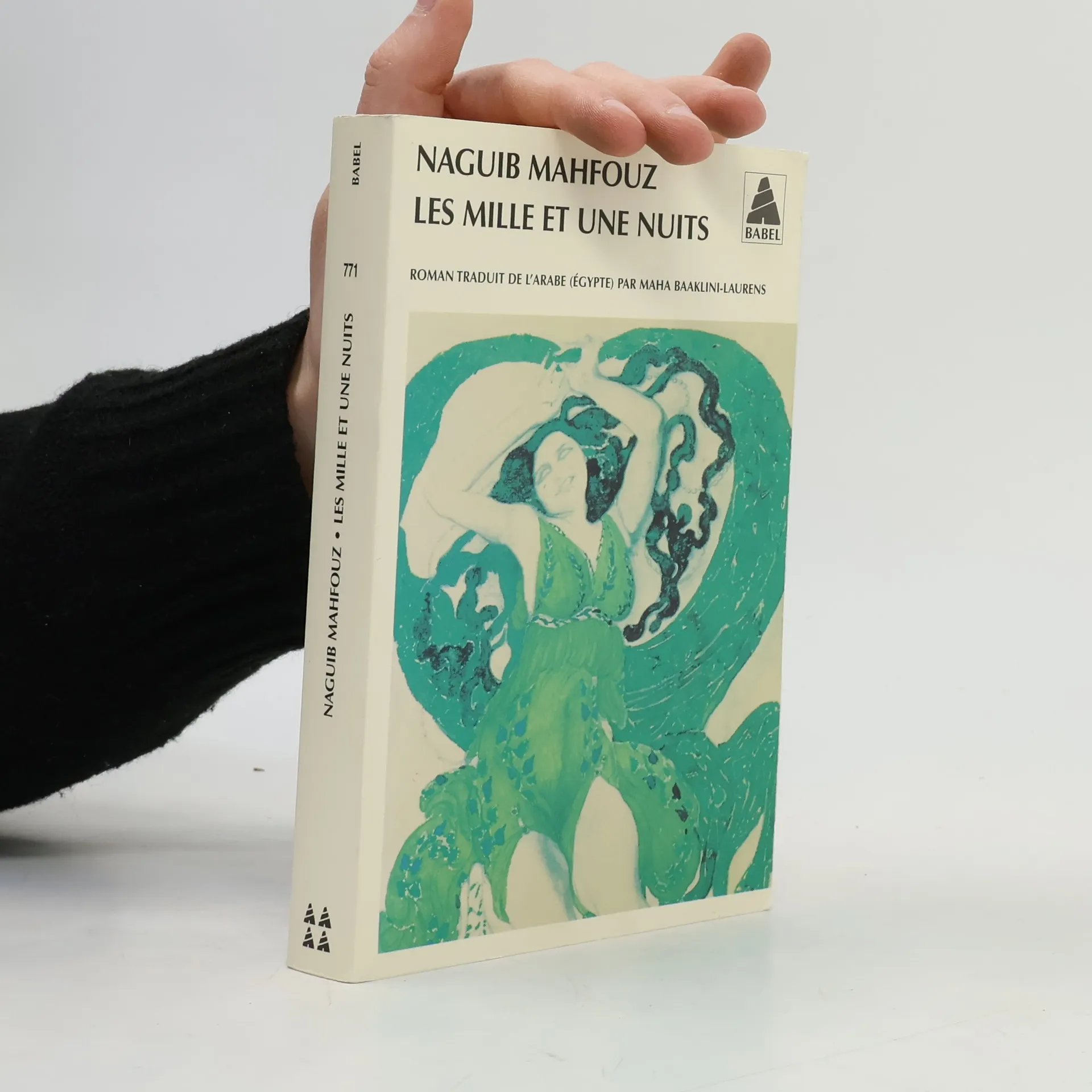
Ravi par les histoires que Schéhérazade lui a racontées pendant mille et une nuits, le sultan Schahriar décide de la garder comme épouse. Les habitants de la grande ville - Le Caire, sans doute - célèbrent dans la liesse l'heureux dénouement, sans savoir qu'ils vont désormais assister, dans leur vie quotidienne, à des événements aussi étranges et merveilleux que les contes de Schéhérazade... Il fallait toute la verve de Naguib Mahfouz pourprolonger ainsi les Mille et Une Nuits en une succession vertigineuse de faits divers où s'abolissent les frontières entre le rêve et la réalité, la folie et la sagesse, le bien et le mal.
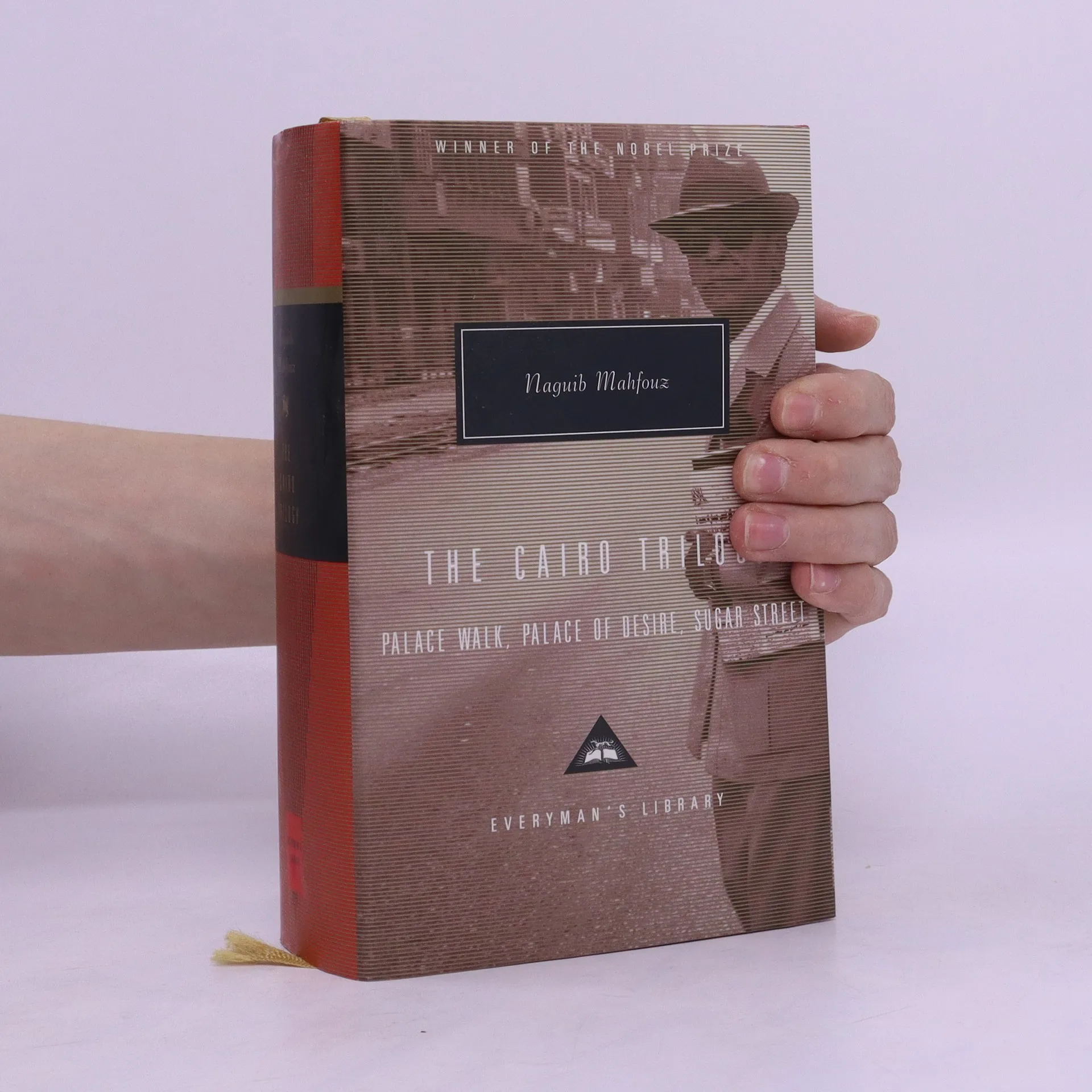
Mahfouz's epic trilogy unfolds the story of a Muslim family in Cairo during Egypt's British occupation in the early to mid-20th century. This masterwork, presented in one volume for the first time, captures the lives of the family led by the tyrannical patriarch al-Sayyid Ahmad Abd al-Jawad, who enforces strict control while indulging in secret pleasures.
In Palace Walk, we meet his gentle, oppressed wife Amina, his cloistered daughters Aisha and Khadija, and his three sons: the tragic idealist Fahmy, the hedonistic Yasin, and the introspective Kamal. As the narrative progresses to Palace of Desire, the rebellious children strive to break free from their father's domination amid the modernizing influences and political upheaval of the 1920s.
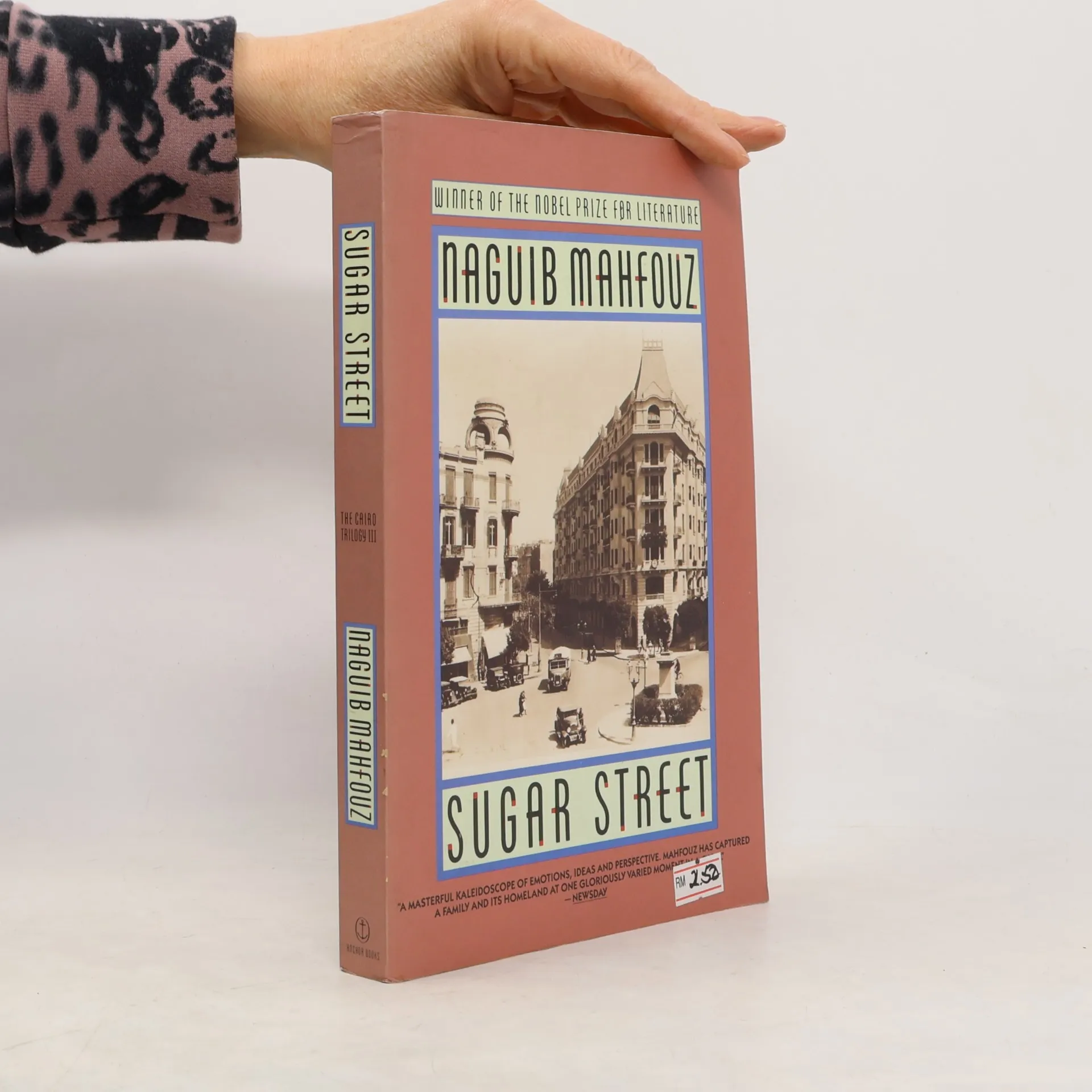
Sugar Street culminates the trilogy with a dramatic climax, showcasing the aging patriarch witnessing the divergent paths of his grandsons—one a Communist, another a Muslim fundamentalist, and the third a lover of a powerful politician. Throughout the trilogy, the family's struggles reflect the broader turmoil of their country during the two World Wars, as society grapples with change after centuries of resistance. Rich in drama, humor, and insight, this work exemplifies the artistry of a master storyteller.
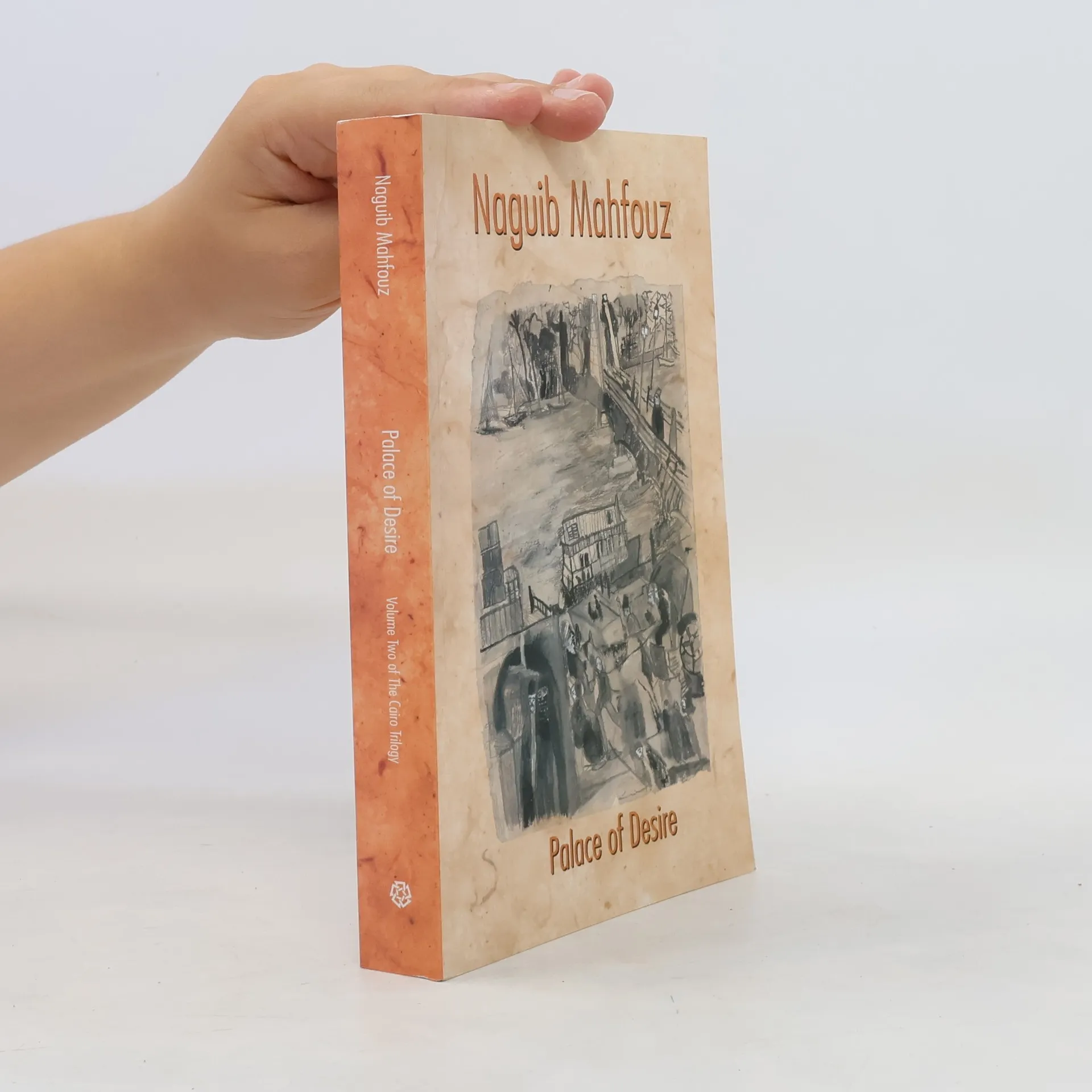
The second volume of the highly acclaimed Cairo Trilogy from the winner of the Nobel Prize for Literature. Filled with compelling drama, earthy humor, and remarkable insight, Palace Of Desire is the unforgettable story of the violent clash between ideals and realities, dreams and desires.
Master storyteller Naguib Mahfouz crowns his best-selling "Cairo Trilogy" with this final chronicle of the Abdal-Jawad clan, climaxing the story begun in "Palace Walk" and continued in "Palace Of Desire."
Set in a tumultuous Cairo neighborhood, this epic narrative explores the lives of generations struggling to uphold their ancestral rights. The alley serves as a backdrop for the rise and fall of various characters, including a feudal lord and a savior, who grapple with pride, legacy, and the quest for freedom. Their experiences mirror the spiritual history of humanity, showcasing the cyclical nature of struggle and redemption. Naguib Mahfouz, a Nobel laureate, weaves a rich tapestry of storytelling that reflects profound themes of human suffering and resilience.
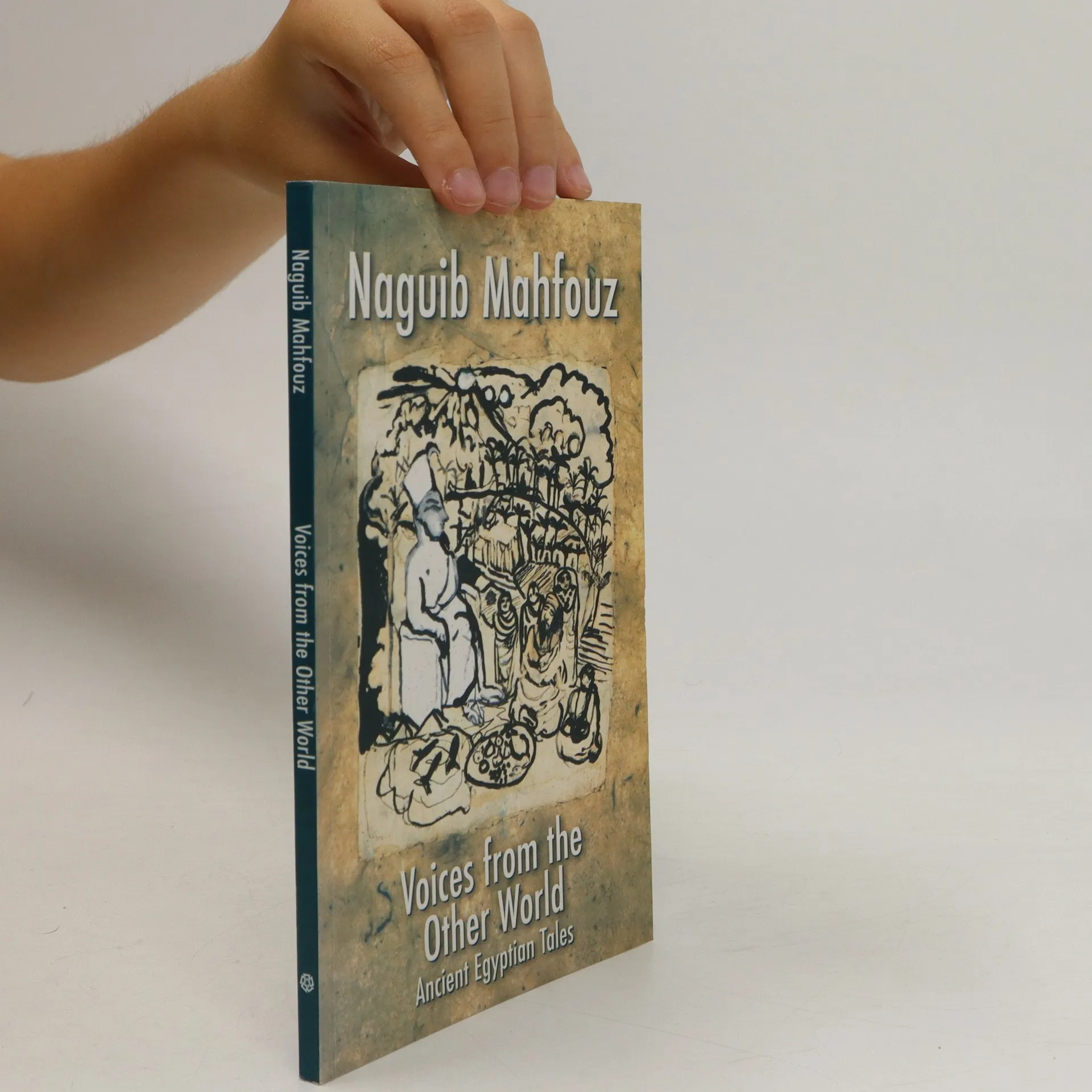
Nobel laureate Naguib Mahfouz reaches back millennia to his homeland’s majestic past in this enchanting collection of early tales that brings the world of ancient Egypt face to face with our own times. From the Predynastic Period, where a cabal of entrenched rulers banish virtue in jealous defense of their status, to the Fifth Dynasty, where a Pharaoh returns from an extended leave to find that only his dog has remained loyal, to the twentieth century, where a mummy from the Eighteenth Dynasty awakens in fury to reproach a modern Egyptian nobleman for his arrogance, these five stories conduct timeless truths over the course of thousands of years. Summoning the power and mystery of a legendary civilization, they examplify the artistry that has made Mahfouz among the most revered writers in world literature. Translated by Raymond Stock From the Trade Paperback edition.
The saga of the al-Nagi family, tracing its rise from obscurity to power, to decadence, to rebirth. A mythic Egyptian tale with a soap opera plot by a Nobel Prize winner.
Mahfouz traces the life of a middle-class Cairene family living in the early 1980s helplessly watching as their world rapidly disintegrates in “the kingdom of the corrupt.” In this breathtakingly compact novel, written in the mid-1980s, the focus is once again on the generational paradigm featured in the Cairo Trilogy. This time, Mahfouz traces the life of a middle-class Cairene family living in the early 1980s under President Sadat. It was an era of transition in Egypt, a time of acute crisis, as everywhere ordinary people were being pushed into the ‘’abyss of Infitah.’’ In the mad rush, there was a sense of an ending, a feeling of panic as the innocent helplessly watched their world rapidly disintegrating. A whole way of life with its age-old traditions and values was simply falling apart, making way for a merciless new materialism in ‘’the kingdom of the corrupt,’’ where survival had indeed to be for the fittest. The novel reaches its climax with the assassination of Sadat on October 6, 1981, an event around which the fictional plot is skillfully woven.
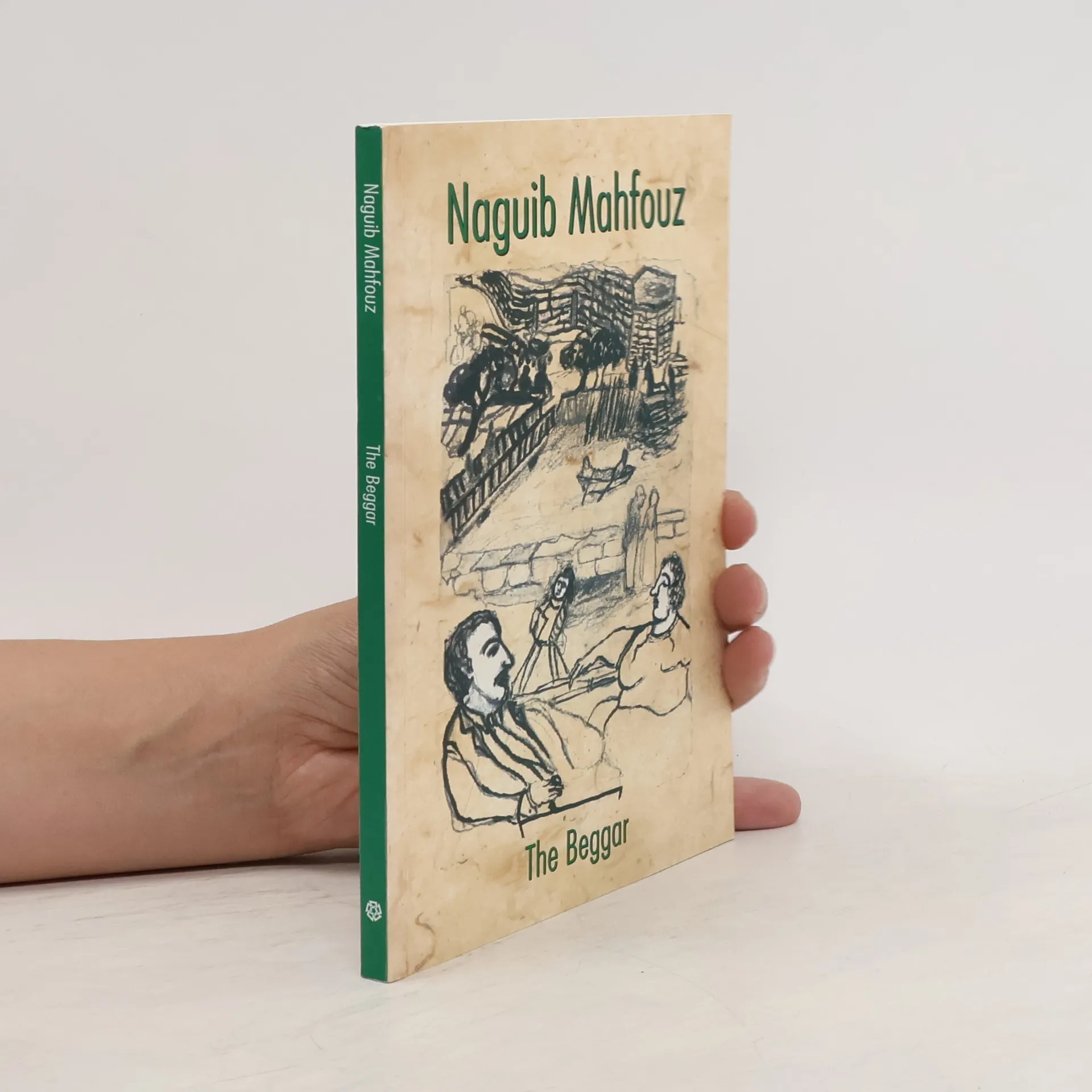
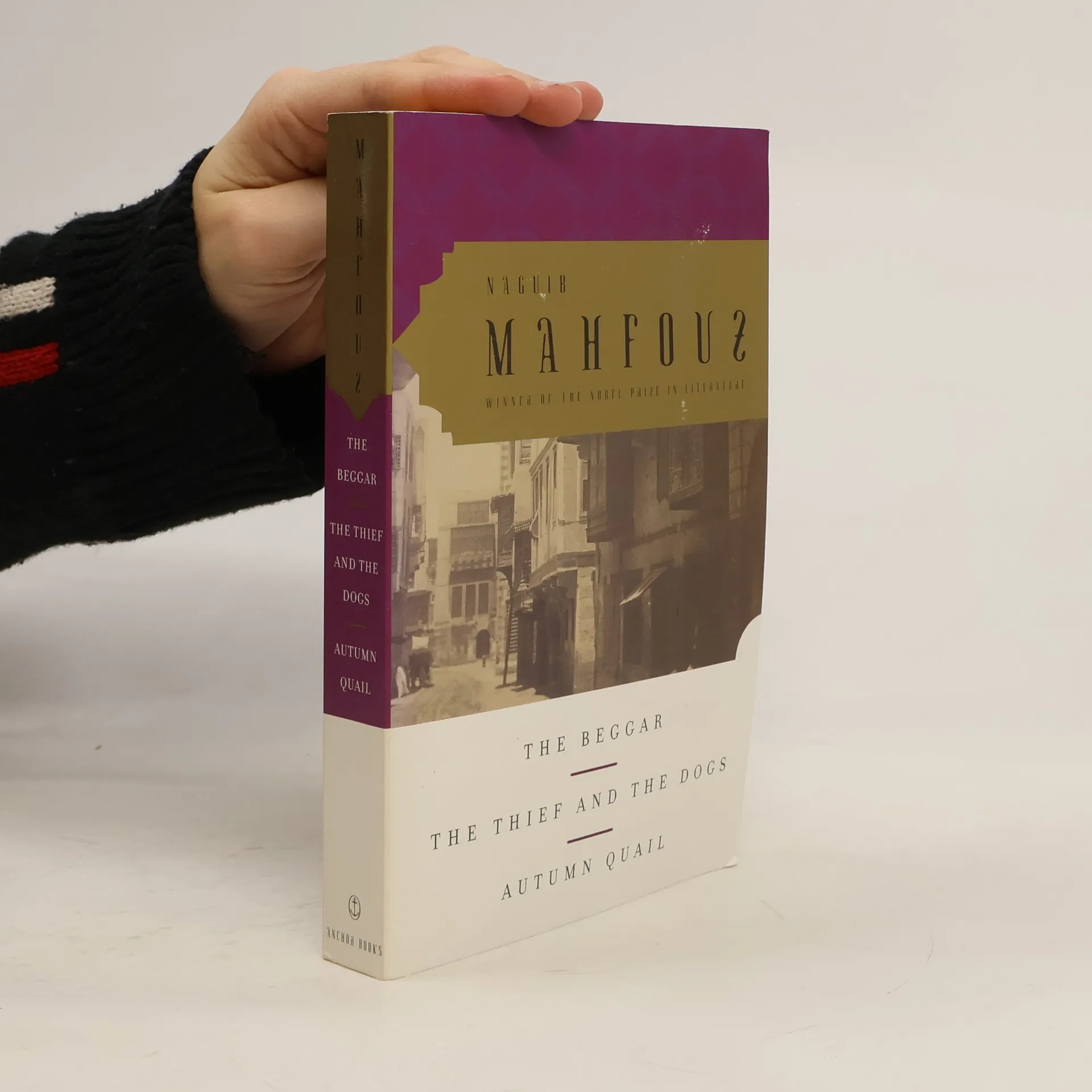
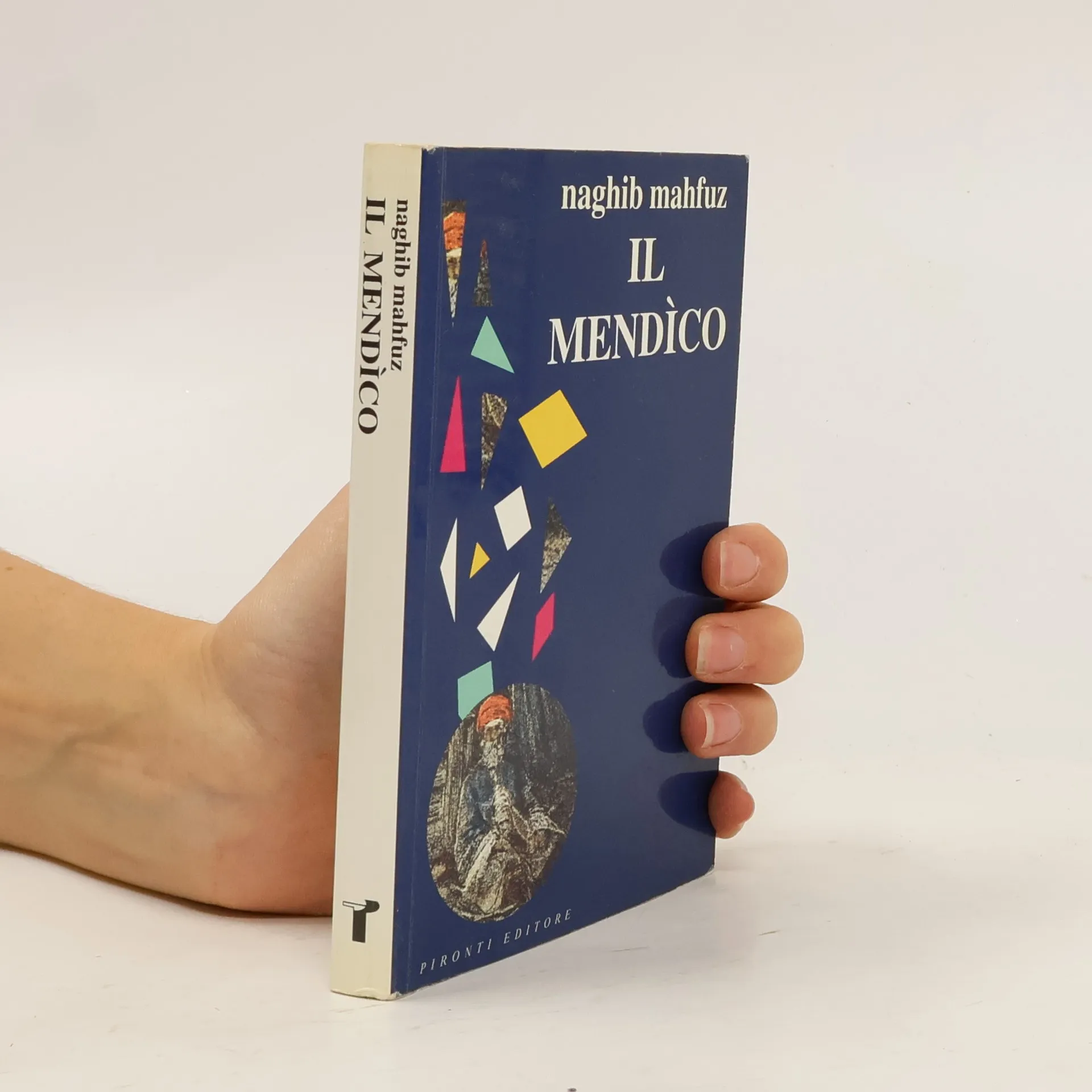
The Beggar, set in Cairo in the early 1950s, portrays the psychological torment of Omar, an ardent revolutionary in youth who in middle age has been left behind by Nasser's Revolution. His conscience has fled. As he struggles with psychological renewal, he sacrifices his work and his family to a series of illicit love affairs, which simply increase his alienation from himself and from the rest of the others. Mahfouz draws the reader not only inside the mind of the central character but also into the conscience of a nation as it tries to chart its course between the often contradictory realms of art and science, idealism and realism. The Swedish Academy of Letters in awarding Naguib Mahfouz the 1988 Nobel Prize for Literature noted that Mahfouz "through works rich in nuance - now clear-sightedly realistic, now evocatively ambiguous - has formed an Arabic narrative art that applies to all mankind."
Anchor proudly presents a new omnibus volume of three novels--previously published separately by Anchor--by Naguib Mahfouz, winner of the Nobel Prize in Literature. Assembled here is a collection of Mahfouz's artful meditations on the vicissitudes of post-Revolution Egypt. Diverse in style and narrative technique, together they render a rich, nuanced, and universally resonant vision of modern life in the Middle East.The Beggar is a complex tale of alienation and despair. In the aftermath of Nasser's revolution, a man sacrifices his work and family to a series of illicit love affairs. Released from jail in post-Revolutionary times, the hero ofThe Thief and the Dogs blames an unjust society for his ill fortune, eventually bringing himself to destruction. Autumn Quail is a tale of moral responsibility, isolation, and political downfall about a corrupt bureaucrat who is one of the early victims of the purge after the 1952 revolution in Egypt.
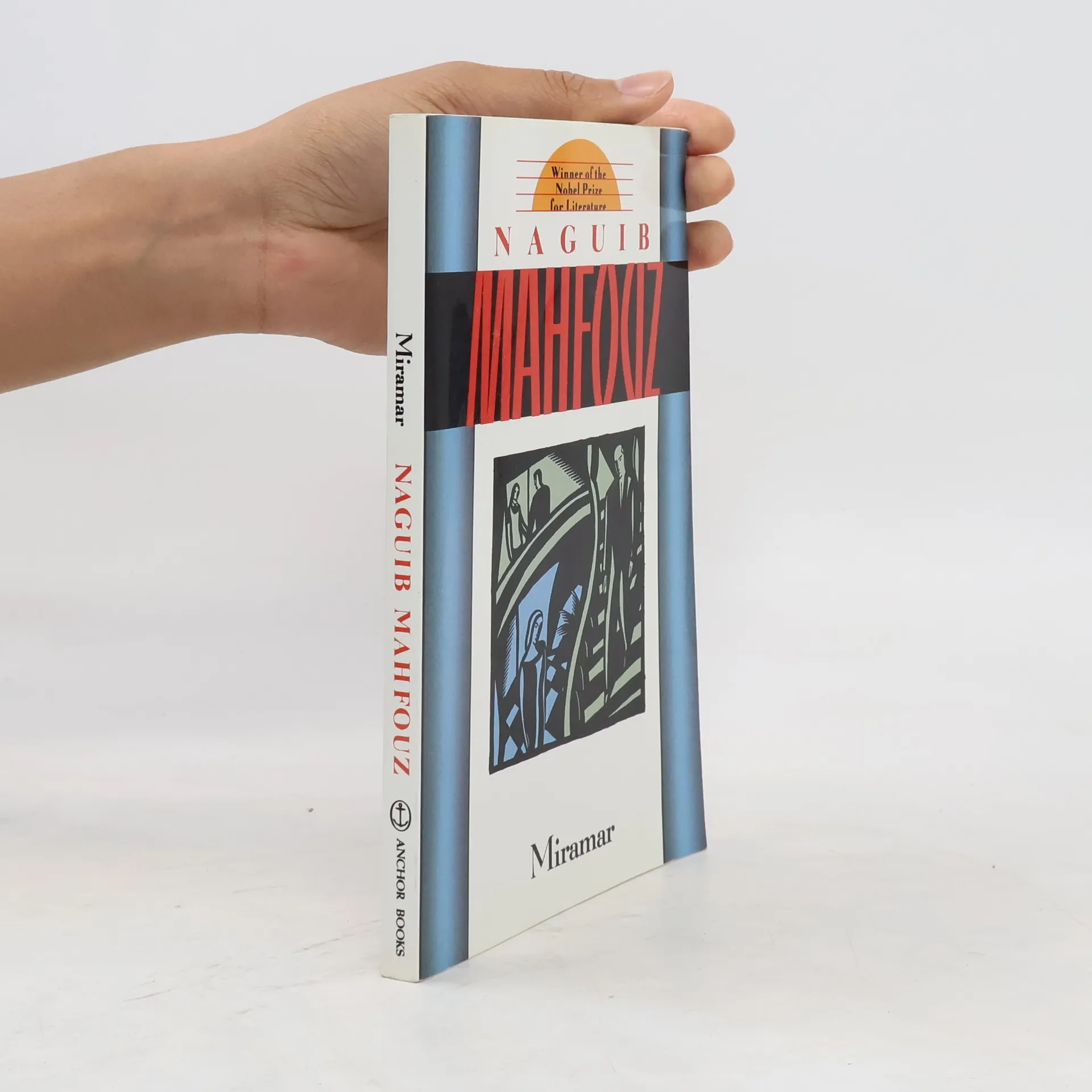
This highly charged fable set in Alexandria, Egypt, in the late 1960s, centers on the guests of the Pension Miramar as they compete for the attention of the young servant Zohra. Zohra is a beautiful peasant girl who fled her family to escape an arranged marriage. She becomes the focus of jealousies and conflicts among the Miramar's residents, who include an assortment of radicals and aristocrats floundering in the wake of the Egyptian revolution. It becomes clear that the uneducated but strong-willed Zohra is the only one among them who knows what she wants. As the situation spirals toward violence and tragedy, the same sequence of events is retold from the perspective of four different residents, in the manner of Akira Kurosawa's Rashomon, weaving a nuanced portrait of the intricacies of post-revolutionary Egyptian life.
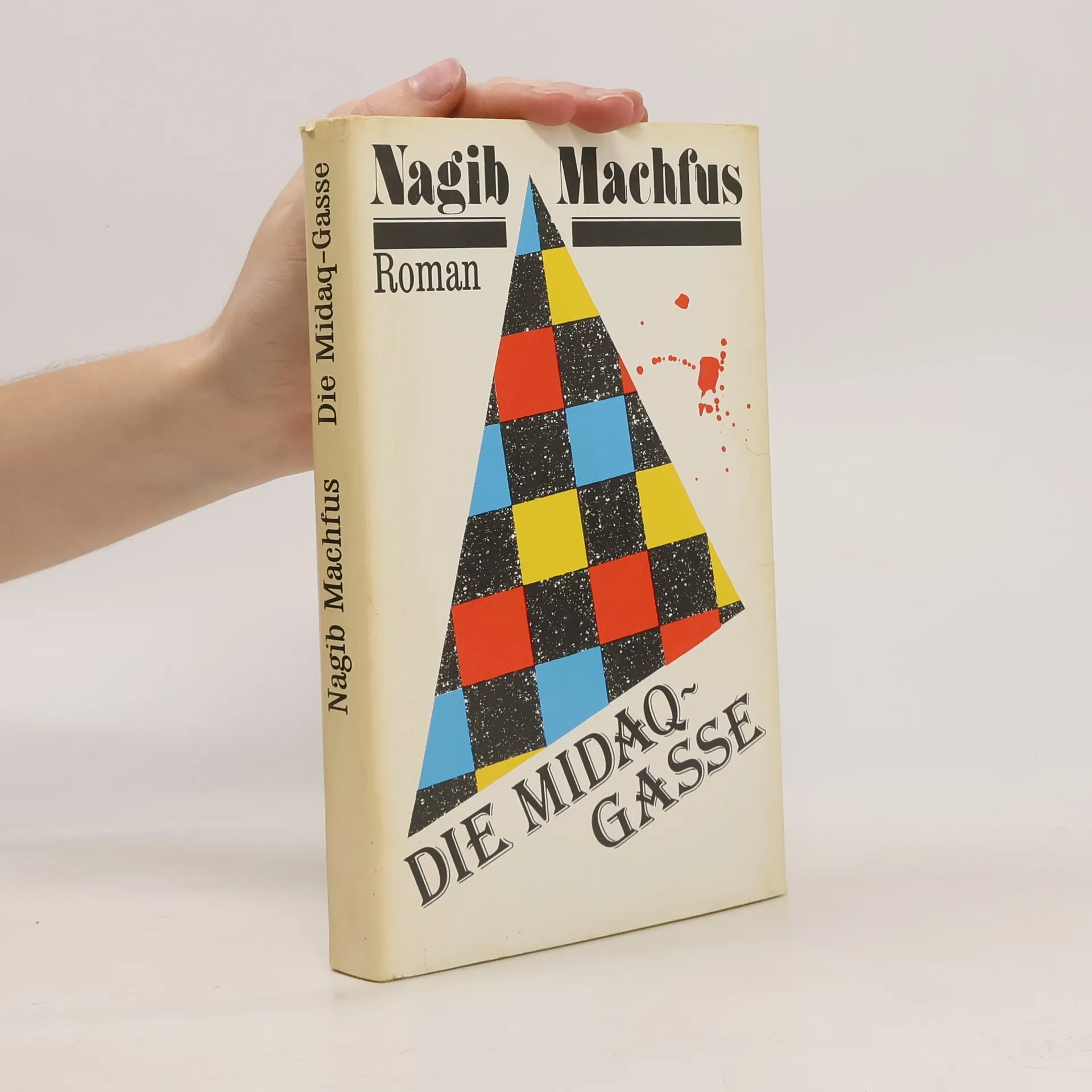
Once, Midaq Alley shone like a star in the history of mighty Cairo. Now, the arabesques of the famous Kirscha café have become crumbling and rotten. Uncle Kamil, the candy seller, the old poet no one wants to hear since the advent of radio, the proud head of the trading company, and even the grim Zita, who maims people to make them beg better—all feel the new era's rhythm taking over the city. Each seeks their own path into the future. Umm Hamida, the chronicler of all news and a walking encyclopedia of all misdeeds, has more to tell daily about the secrets of this alley, as a world has fallen into disarray. In this novel, an old city alley in Cairo becomes a microcosm of a world in upheaval.
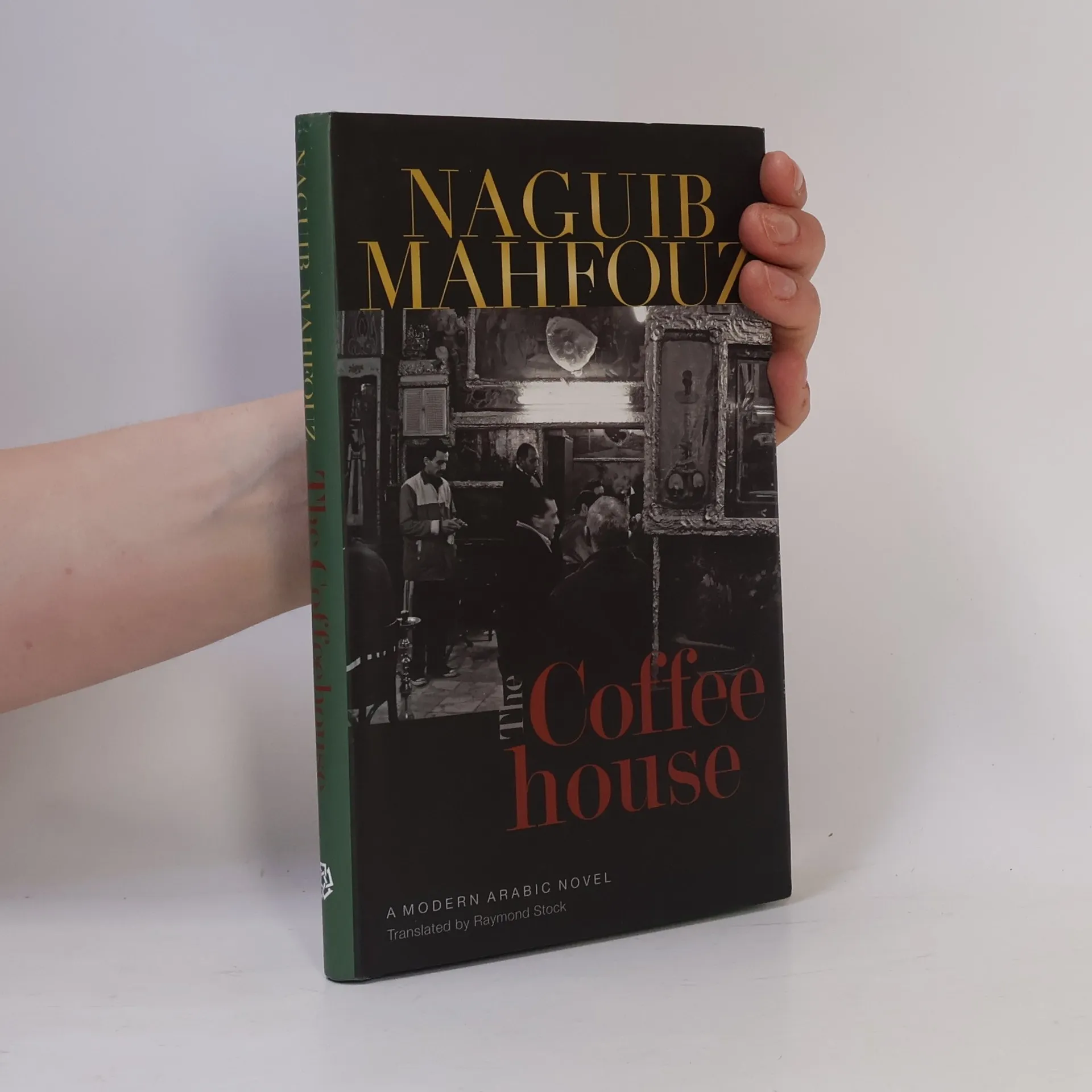
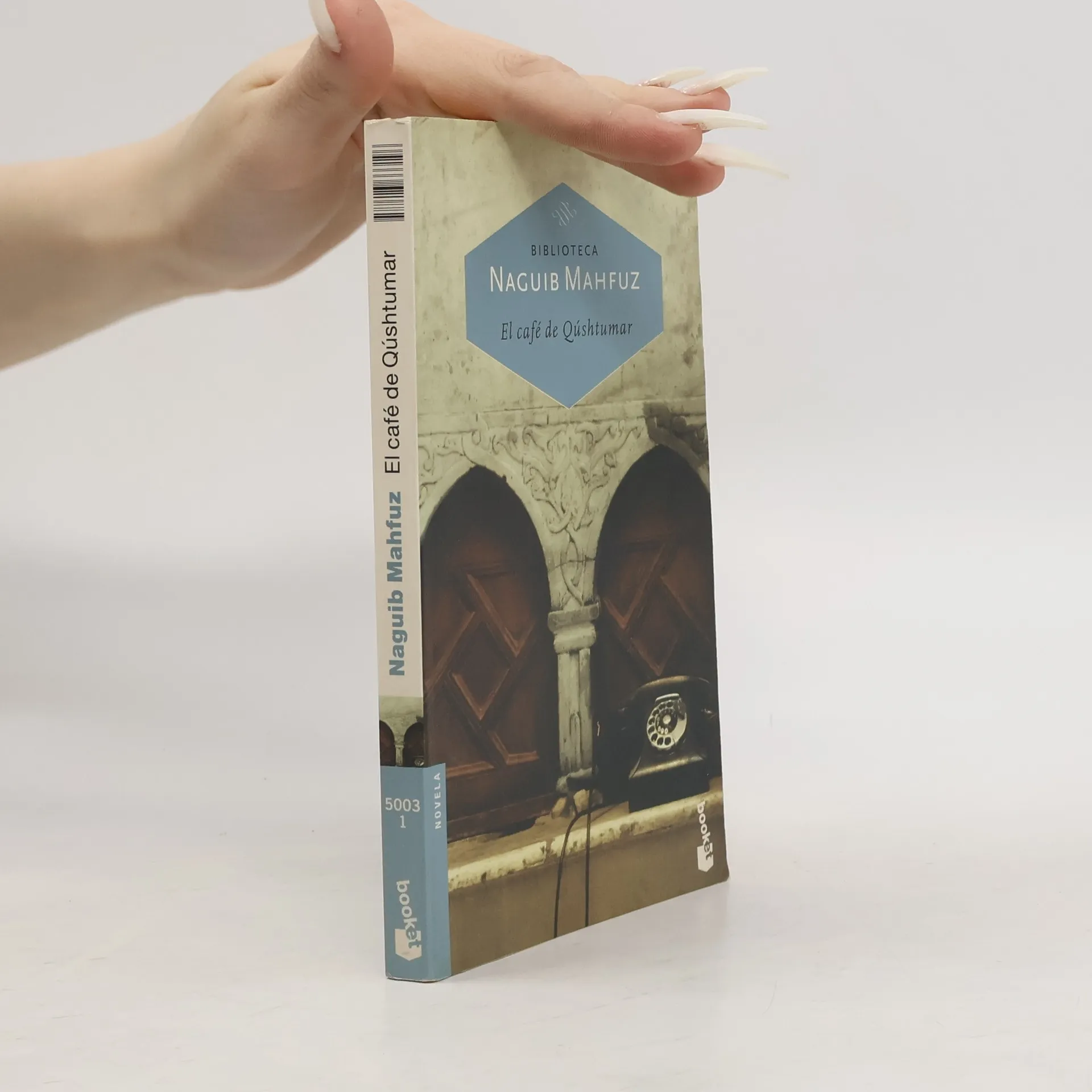
A novel of loss and memory from the Egyptian Nobel laureate. On a school playground in the stylish Cairo suburb of Abbasiya, five young boys become friends for life, making a nearby cafe, Qushtumur, their favorite gathering spot forever. One is the narrator, who, looking back in his old age on their seven decades together, makes the other four the heroes of his tale, a Proustian (and classically Mahfouzian) quest in search of lost time and the memory of a much-changed place. In a seamless stream of personal triumphs and tragedies, their lives play out against the backdrop of two world wars, the 1952 Free Officers coup, the defeat of 1967 and the redemption of 1973, the assassination of a president, and the simmering uncertainties of the transitional 1980s. But as their nation grows and their neighborhood turns from the green, villa-studded paradise of their youth to a dense urban desert of looming towers, they still find refuge in the one enduring landmark in their ever-fading world: the humble coffeehouse called Qushtumur.
A stunning novel by the widest-read Arab writer currently published in the U.S. The age of Nasser has ushered in enormous social change, and most of the middle-aged and middle-class sons and daughters of the old bourgeoisie find themselves trying to recreate the cozy, enchanted world they so dearly miss. One night, however, art and reality collide--with unforeseen circumstances.
"A nouveau, il respire le souffle de la liberté, mais l’air est chargé d’une poussière suffocante et d’une chaleur insoutenable. Il retrouve son complet bleu et ses chaussures de caoutchouc, mais il n’y a personne pour l’attendre. Voici la vie qui reprend son cours, voici la porte muette de la prison qui se referme sur les secrets désespérés. (…) L’heure est venue pour que la colère éclate et se consume, l’heure est venue pour que les traîtres désespèrent jusqu’à la mort et que la trahison expie le péché de sa face difforme." Le voleur Saïd Mahrane sort de prison. Le plan d’action établi dès les premières lignes du roman, il tentera de le mener à terme dans la fièvre du Caire, mais bientôt le hasard et son destin malheureux le rattraperont… Sur le mode de la trahison, Naguib Mahfouz décline les déceptions d’un homme désespéré, tout en brossant — de la femme traîtresse au sage mystique, de la prostituée amoureuse au renégat arrivé — les portraits de personnages emblématiques de son œuvre.
In this pithy, powerful parable, the masterly Naguib Mahfouz explores life's secrets and the mysterious maze of the human heart--a mystical and lyrical "Pilgrim's Progress set in a mythical, timeless Middle East.
Neben seinen großen Romanen hat Nagib Machfus zahlreiche Erzählungen geschaffen, in denen sich seine Kunst in höchster Konzentration entfaltet. Liebevoll und heiter rückt er Schwächen und Marotten, Sehnsüchten und Ängsten vor allem des kleinen Volkes zu Leibe und zeigt, dass unter Gottes weitem Mantel auch Platz für viele dunkle Leidenschaften ist. Dieser Band versammelt Kurzgeschichten und Novellen aus allen Schaffensphasen, die auf Deutsch nicht mehr greifbar oder gar nie in Buchform erschienen sind.
Nagib Machfus, Nobelpreisträger von 1988, zählt zu den bedeutendsten arabischen Autoren. In seinem 1964 erschienenen Roman sucht der junge Sabir nach seinem unbekannten Vater und begegnet dabei verschiedenen Schichten der ägyptischen Gesellschaft in Alexandria und Kairo.
In diesem Werk geht Machfus einen ganz neuen Weg, das Beziehungsgeflecht seines Lebens und seiner Epoche aufzuzeichnen. Er erzählt von Begegnungen aus der Kindheit, den Studententagen und aus seiner Karriere als Beamter, von Freunden und Feinden. Er führt uns von den Salons der Intellektuellen zu den Bordellen und Nachtclubs und zu den Gassen seiner Kindheit. Vierundfünfzig funkelnde, scharfsinnige, heitere, melancholische Menschenbilder fügen sich zu einem Kaleidoskop mit immer wieder neuen Mustern. Der bekannte, mit Machfus befreundete ägyptische Maler Saif Wanli hat zu jedem der Porträts ein ebenso treffendes Bild geschaffen.
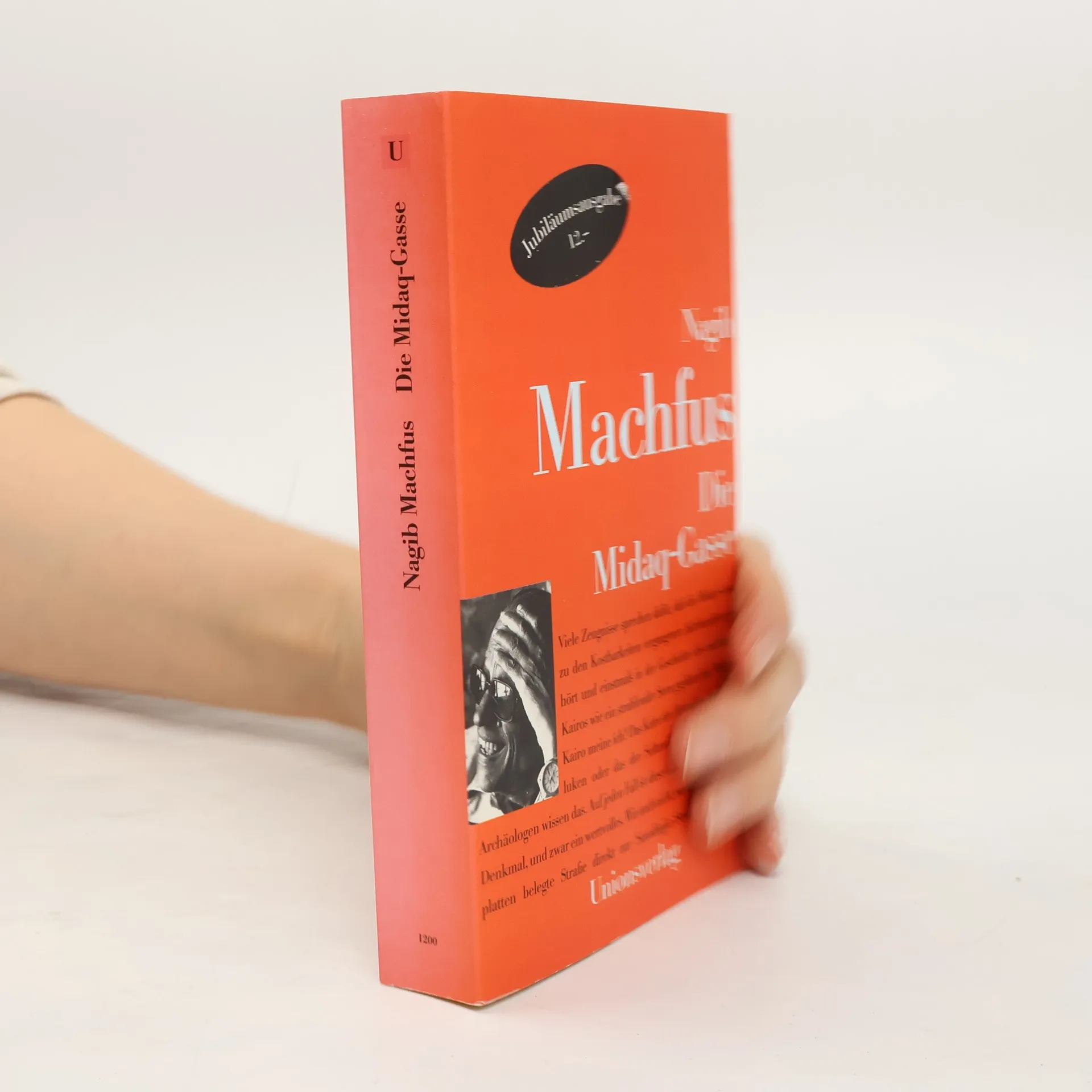
Einst glänzte die Midaq-Gasse wie ein Stern in der Geschichte des mächtigen Kairo. Inzwischen sind die Arabesken am berühmten Kirscha-Kaffeehaus bröcklig und morsch geworden. Onkel Kamil, der Bonbonverkäufer, der alte Dichter, den keiner mehr hören will, seit es das Radio gibt, der stolze Chef der Handelsfirma, ja sogar der düstere Zita, der aus Menschen Krüppel macht, damit sie besser betteln können - sie alle spüren die neue Zeit, deren Rhythmus die Stadt erobert. Jeder sucht seinen eigenen Weg in die Zukunft. Umm Hamida, Chronistin aller Nachrichten und wandelndes Lexikon aller Missetaten, hat täglich mehr zu erzählen über die Geheimnisse dieser Gasse, denn eine Welt ist in Unordnung geraten. In diesem Roman wird eine Altstadtgasse von Kairo zum Mikrokosmos einer Welt im Umbruch.
هذه الرواية بقدر ما هي ممتعة، بقدر ما هي قاتلة. إن بطلها عمر يدور في فلك الرواية في محاولة الإجابة عن أسئلة: ما معنى وجوده في الحياة طالما أنّه سيموت؟، ثم ما معنى هذه الحياة أصلاً؟، ولماذا لا يشعر بالسعادة رغم نجاحه وزواجه ممن يحب؟، ولماذا يهرب دائماً إلى المجهول؟. لكن الأسئلة تجيء دون إجابات. التحرّك سردي محكم، والحوارات بها عمق كبير، تجعلك تعُيدها أكثر من مرة، خاصةً تلك التي يتحدّث بها عن الصراع بين الفن والعلم، وبين الحكم الملكي وقيام الثورة والاشتراكية، وأحوال البلد وقتذاك. الشحاذ، ليس بالضرورة يشحذ مالاً، لكنه قد يشحذ السعادة، بكل ما أوتى، فهل يصل لغايته؟ (less)
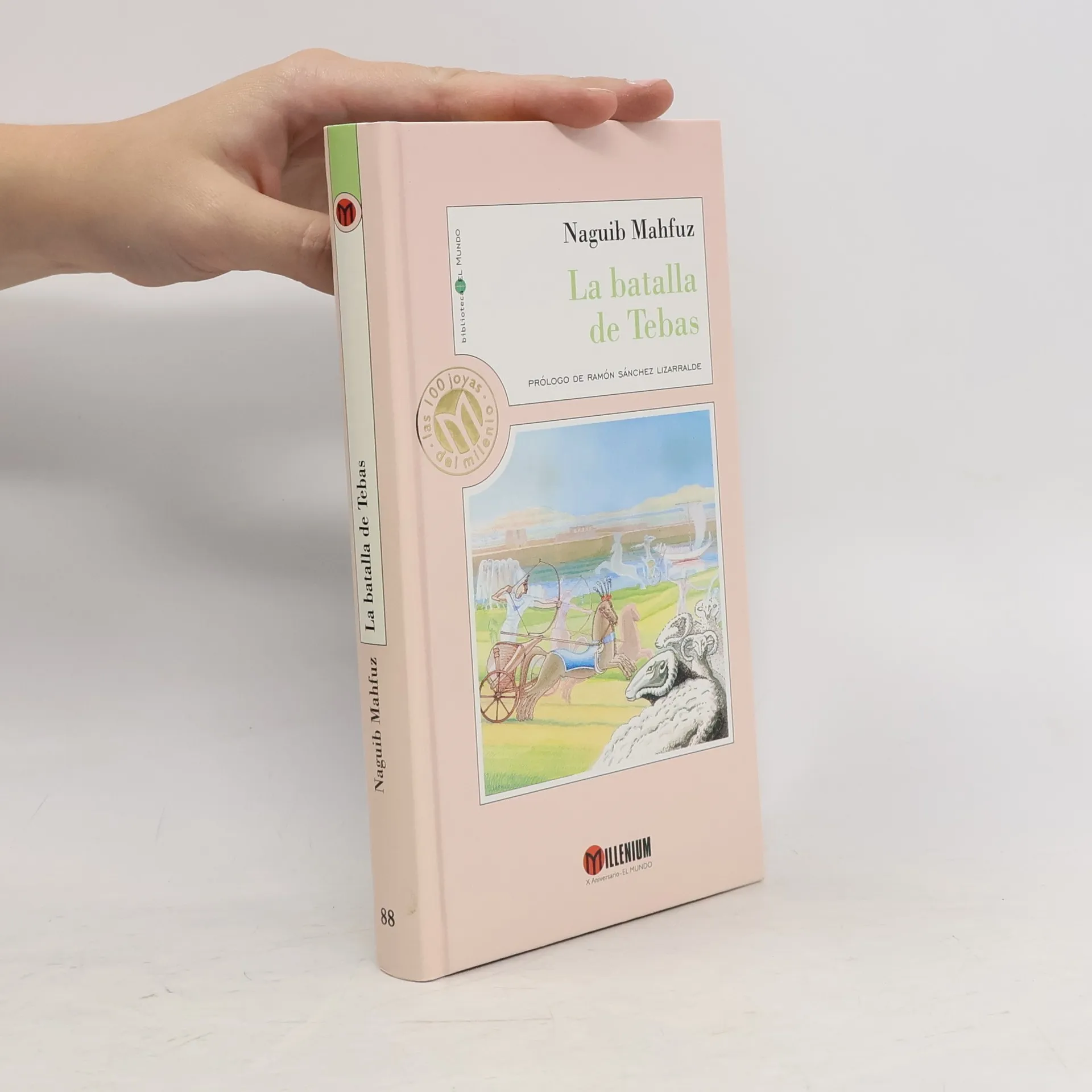
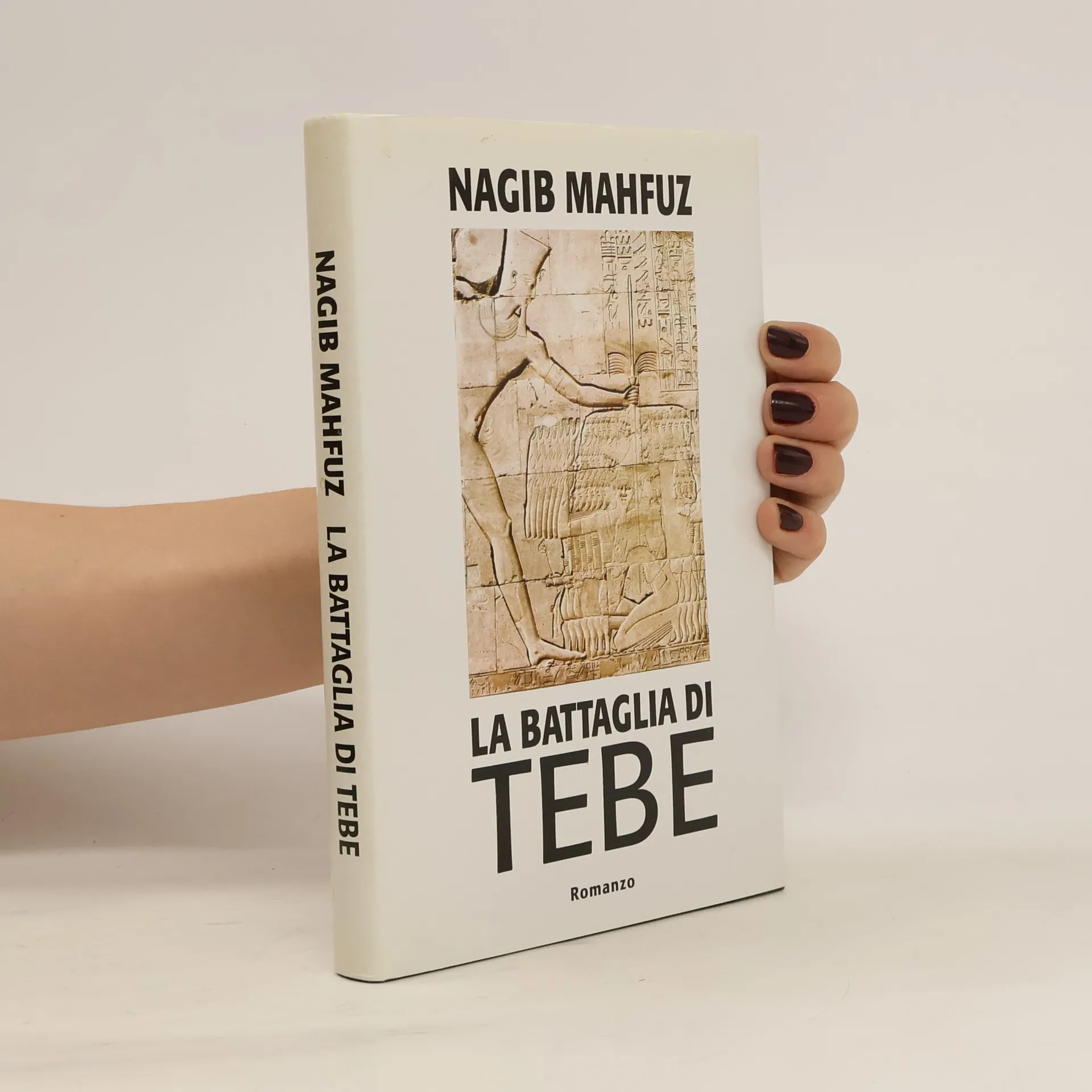
En La batalla de Tebas Naguib Mahfuz narra una apasionante historia en la que se cruzan la humillación del oprimido, la prepotencia del invasor, la sed de venganza, el anhelo de libertad y el amor apasionado. Tras una terrible revuelta del pueblo egipcio contra el invasor, Sekenenre (legítimo emperador egipcio, pero con el cargo de gobernador a merced de Apofis, rey de los hicsos), muere y su familia se ve obligada a huir a Nubia. Diez años después, Ahmose, el joven nieto de Sekenenre logra obtener un salvoconducto de entrada libre en Egipto expedido por el propio Apofis, que lo tiene por un rico comerciante, sin sospechar siquiera que su propósito es reclutar a un ejército para que luche contra los hicsos. Sin embargo, los sentimientos se interponen en los planes políticos de Ahmose. Mahfuz no se plantea la reconstrucción de la rebelión y guerra de los egipcios contra los hicsos (s. xvi a.C.) con un espíritu arqueológico, sino situando en un primer plano a sus protagonistas, mostrando sus sentimientos y el ambiente espiritual de una época, y probablemente sea este enfoque el que ha convertido La batalla de Tebas en una de las novelas históricas más logradas e intensas del siglo xx.
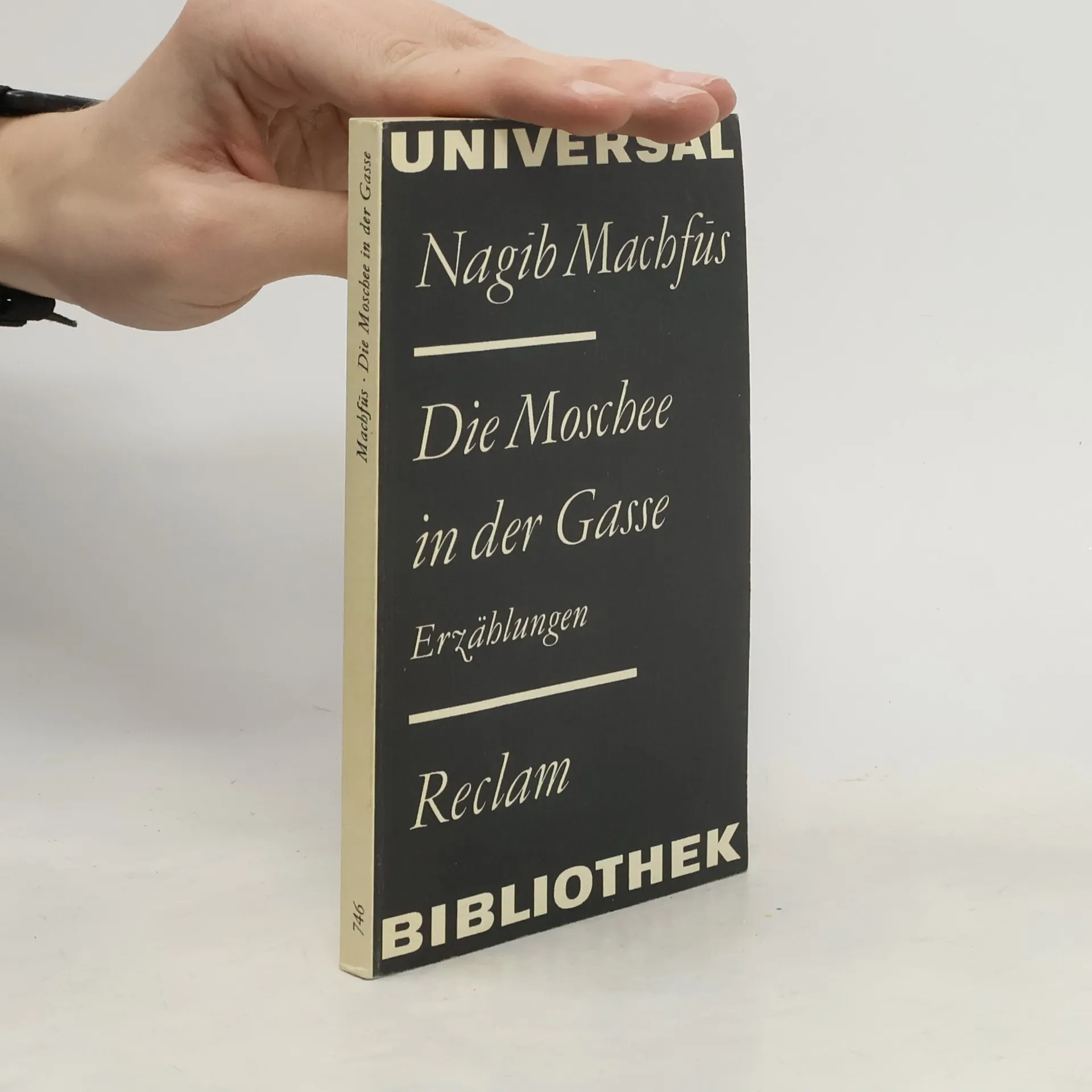
Kurzgeschichten und Novellen sind im modernen Ägypten äußerst beliebt. Auch im Werk von Nagib Machfus sind Erzählungen reich vertreten. Nicht langsam und majestätisch wie der Nil fließen seine Geschichten; sie reißen - wie die Strudel der Stromschnellen - unvermittelt hinein in Abgründe. Machfus entfaltet ein Kaleidoskop von Stimmungen und Schicksalen. Liebevoll, sarkastisch, ironisch rückt er Schwächen und Marotten, Sehnsüchten und Ängsten vor allem des kleinen Volkes zu Leibe und zeigt, daß unter Gottes weitem Mantel auch Platz für viele dunkle Leidenschaften ist.
" Wer dieses Werk liest, wird mit Vergnügen und Dankbarkeit Erkenntnis finden - durch etwas, das als wunderlicher Anachronismus gilt : Weisheit. Machfus besitzt sie. " Nadine Gordimer
Roman traduit de l'arabe (Egypte) par Rania Samara
175pages
7 heures de lecture
Othmân Bayyoumi est un fonctionnaire assidu et pieux, un serviteur zélé de l'Etat- cet Etat égyptien aussi vieux que le monde, et qu'il considère comme " le souffle de Dieu sur terre ". Toute sa carrière, du huitième au premier échelon, se déroule sous nos yeux, aride et solitaire, comme s'il s'agissait de la " voie " que doit parcourir un soufi, station après station, pour accéder à la lumière divine. Mais cette ascension dans la hiérarchie est aussi une descente aux enfers. Othmân lui a sacrifié toutes les joies de l'existence, traitant avec mépris Saïda, son premier amour, puis Saniya et Assila, toutes indignes, selon lui, d'épouser un futur directeur général. Seule lui convenait sa liaison secrète et sordide avec la prostituée Qadriya, qui ne risquait pas de le détourner de son ambition sacrée... En campant un antihéros à la fois pathétique et vil, Naguib Mahfouz révèle les rouages d'une administration qui se perpétue en marge de l'histoire, insensible aux bouleversements politiques et sociaux qu'a connus l'Egypte depuis la fin de la Deuxième Guerre mondiale.
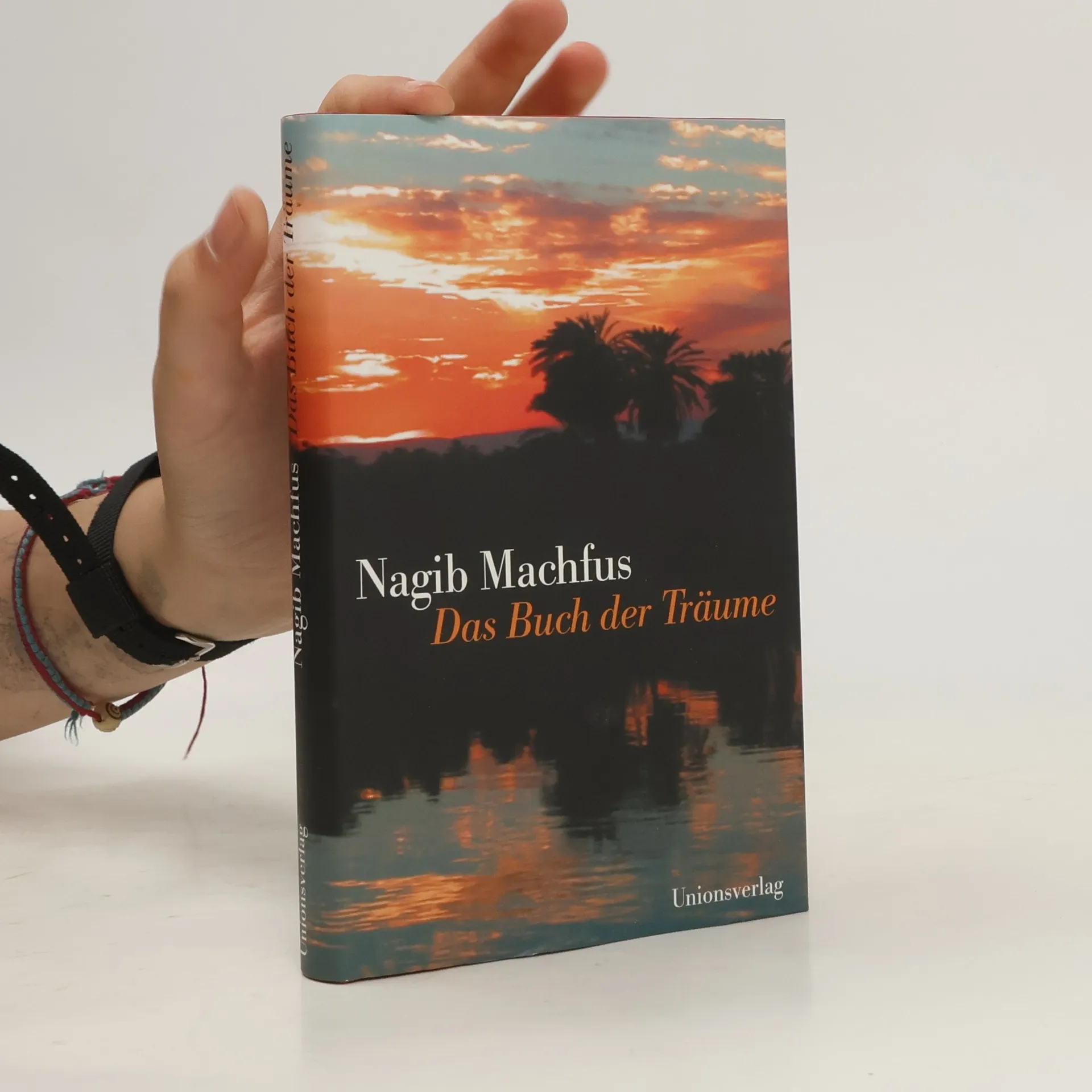
Als Nagib Machfus 1994 von religiösen Fanatikern attackiert wurde, war auch die rechte Hand verletzt, und er musste erst mühsam wieder schreiben lernen. In den letzten Lebensjahren entstand so ein Traumtagebuch, in dem Nagib Machfus mit höchst verdichteten Texten noch einmal etwas für die arabische Literatur Neues wagt. Schwerelos, halluzinatorisch steigen in seinen Träumen Geschichten an die Oberfläche des Bewusstseins: Bruchstücke aus seiner Kindheit, Erinnerungen an Frauen, die er geliebt hat, Episoden mit alten Weggefährten, geschichtliche Umwälzungen. Nagib Machfus folgt den Spuren der Erinnerung, er gewährt uns Einblick in seine innere Welt und wirft gleichzeitig Schlaglichter auf ein ganzes ägyptisches Jahrhundert.
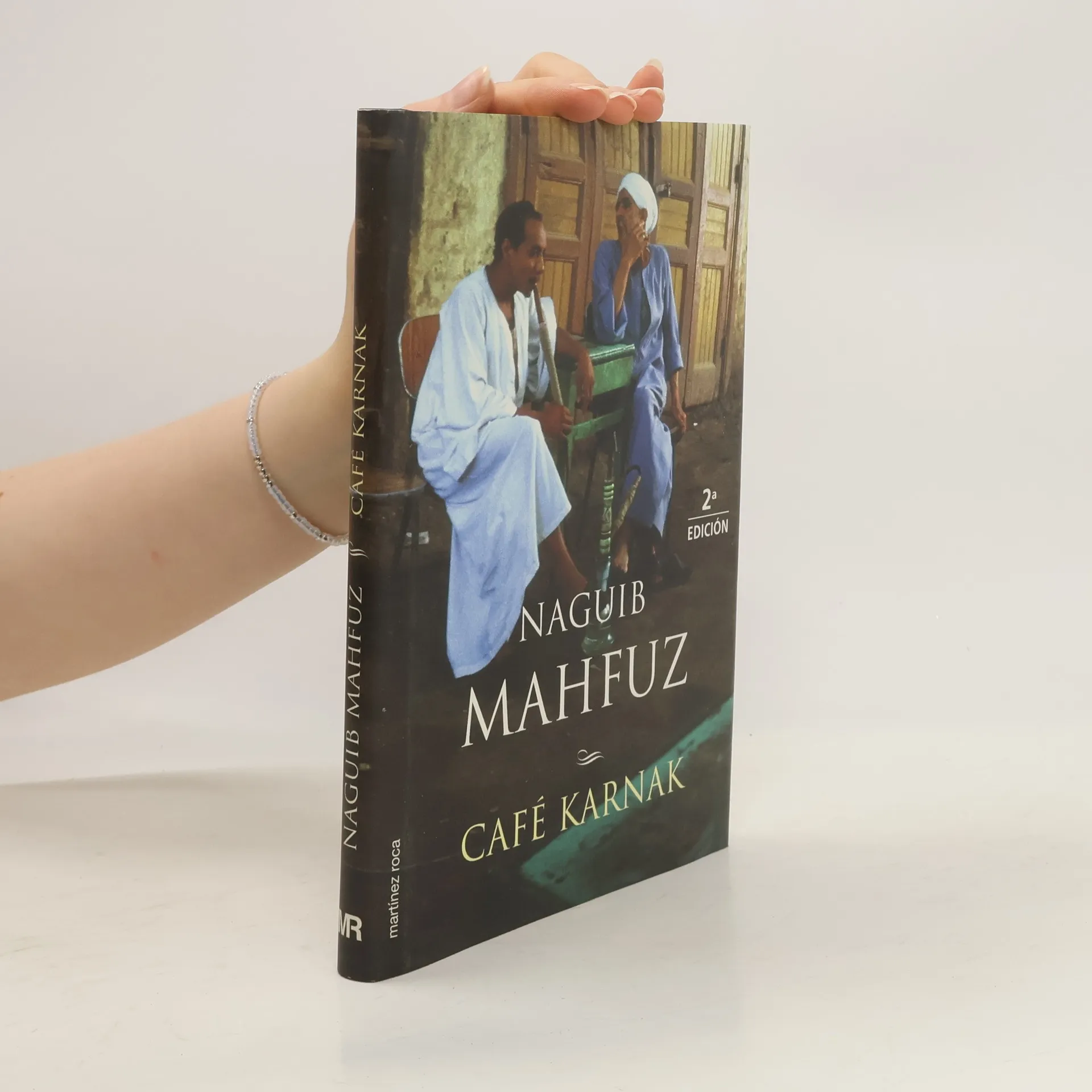
"Me gustó aquel sitio por su excelente café, el agua pura, las tazas y los vasos limpios, la dulzura de Qaránfula, la grave dignidad de los ancianos, la vitalidad de los jóvenes y la belleza de la chica". Así describe el narrador (acaso el mismo autor) el ambiente y los personajes que frecuentan el Café Karnak, cálido punto de unión entre el pasado y el presente. Cuando sin previo aviso tres jóvenes dejan de acudir al café, Qaránfula, su dueña, una bella mujer madura que fue bailarina, empieza a investigar. Descubrirá sus historias entrelazadas y la cara más dura de la revolución.
Ya en su vejez, Táher, Sádiq, Ismael y Hamada se reúnen para contarse qué ha sido de sus vidas. Con sus experiencias contemplamos el retrato amable y hasta burlón de la historia de El Cairo y Egipto desde principios del siglo XX hasta nuestros días.
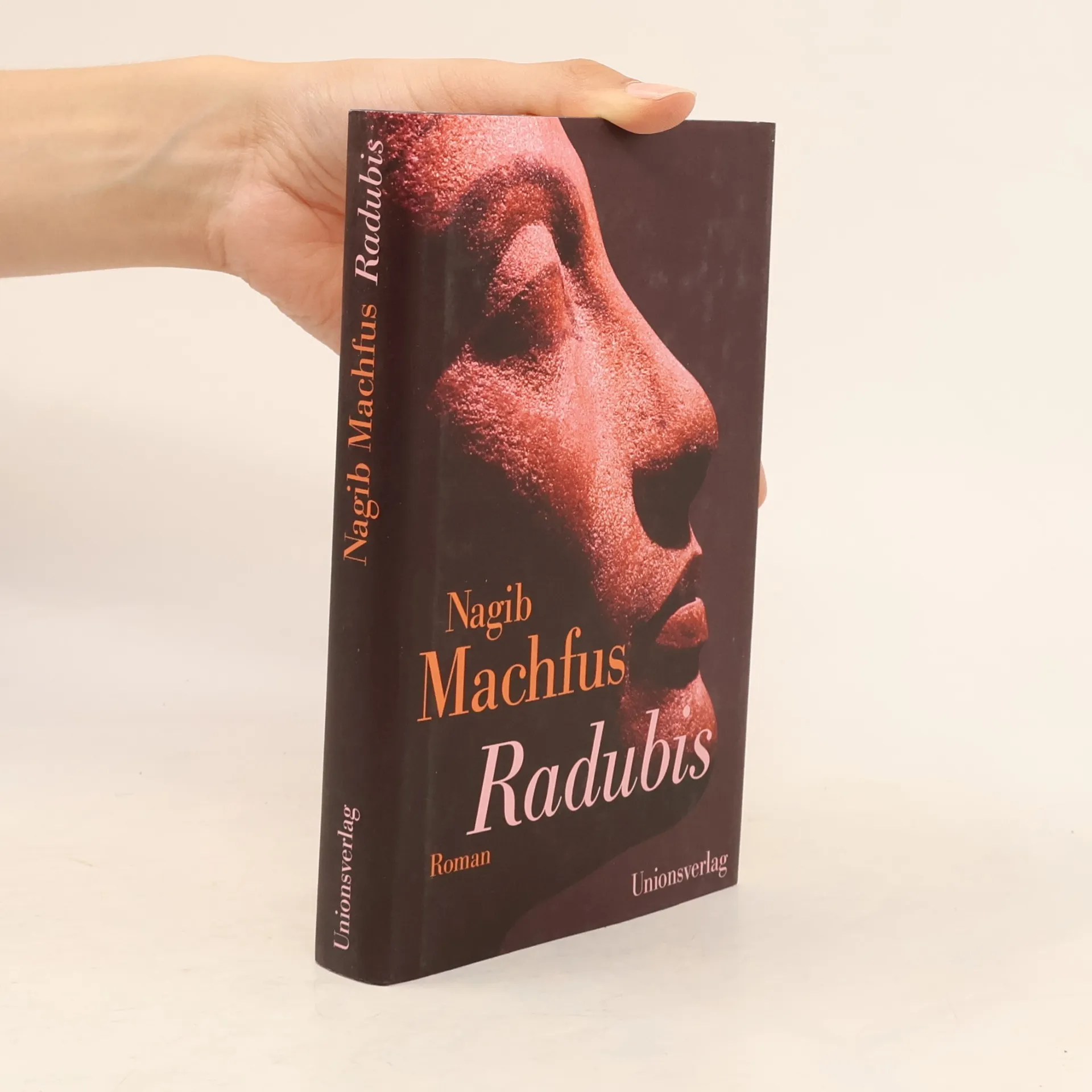
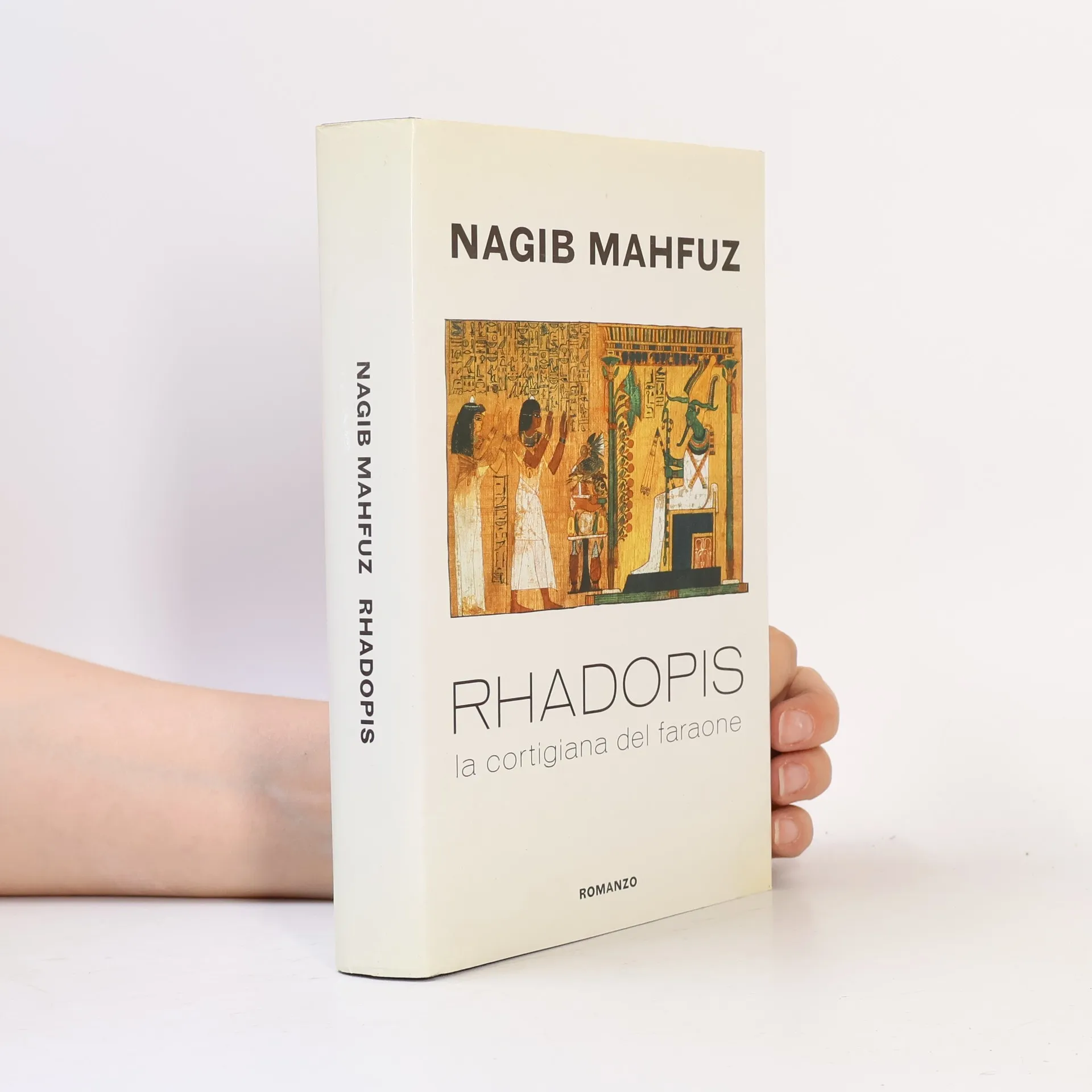
Die goldene Sandale, die ein Adler vor dem Pharao zu Boden fallen lässt, verwirrt ihn. Ob die Besitzerin so schön und elegant ist wie ihr Schuh? Die Sandale gehört keiner geringeren als der Kurtisane Radubis, deren weißer Palast auf einer Insel im Nil den Mittelpunkt des gesellschaftlichen Lebens bildet. Der Pharao beschließt, die Sandale höchstpersönlich zurückzubringen, und ahnt nicht, dass er damit sein eigenes Schicksal besiegelt. Denn während er und Radubis sich rücksichtslos ihren Leidenschaften hingeben, brodelt es im Volk, die Höflinge planen Intrigen und die Priester wollen den Machthunger des Pharao nicht länger hinnehmen.
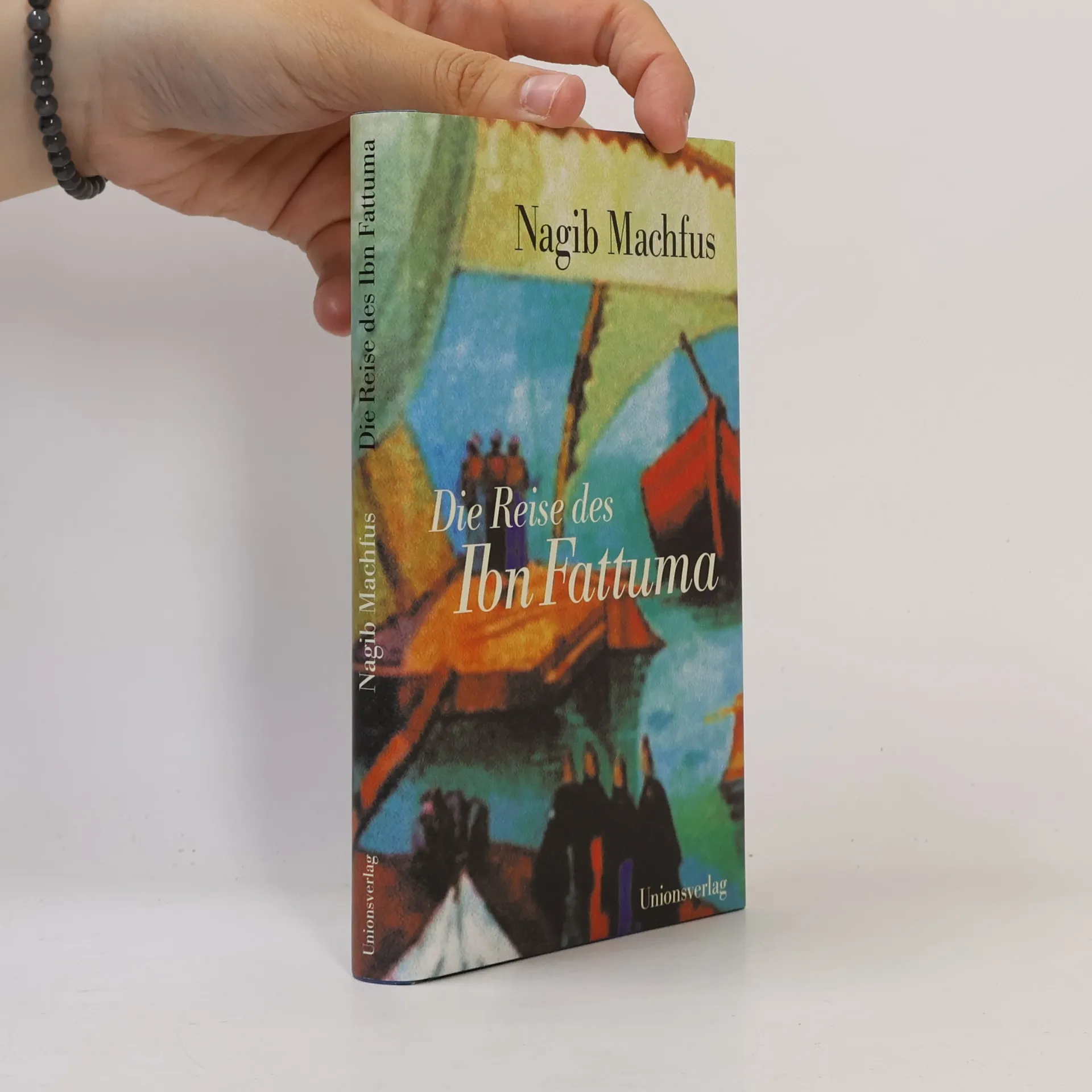
Als Junge träumte Ibn Fattuma davon, es den großen Reisenden gleichzutun und die ganze Welt zu erforschen. Den erwachsen gewordenen Ibn Fattuma treiben schließlich nicht die Abenteuer- und Entdeckerlust in die Welt hinaus, sondern Liebeskummer. Er schließt sich einer Handelskarawane an und hofft, auf dem langen Weg durch die Wüste seine Enttäuschung zu vergessen. Doch die Reise durch fremde, heidnische Länder mit ihren unbekannten Sitten und Gebräuchen wird immer mehr zu einer Begegnung mit sich selbst und führt ihn zu den Grundfragen des Seins. Nagib Machfus nimmt uns in diesem märchenhaften Roman mit in ferne, vergangene Welten, die erstaunlich gegenwärtig sind – und er zeigt uns, wie absurd es ist, in einer Ideologie sein Glück zu suchen.
رواية بنكهة مختلفة، يأخذنا فيها محفوظ من جديد إلى مصر الفرعونية التي برع في استخدامها ليعرض أفكاره. فكرة قراءة حدث واحد من اكثر من منظور.. تتكشف الدوافع الخفية لكل منهم على الرغم من محاولة كل واحد لإخفاء دوافعه خلف أقنعة الحكمة. طريقة محفوظ في كتابه الروايه باسلوب جديد و ليس مجرد سرد للاحداث من البداية للنهاية كالاسلوب اللاسيكي للروايه بل ابتكر اسلوب جديد هو اسلوب المحقق مما يدل على تنوع افكاره و ابتكاره
Kairo, gestern wie heute ein Ort gewaltiger Ungleichheiten und großer Umbrüche. Als der ambitionierte Student Machgub erkennt, dass es ohne die richtigen Beziehungen keine Jobs gibt, sieht er sich gezwungen, einem trügerischen Abkommen zuzustimmen: Er soll eine Frau, die ihre Unschuld verloren hat, zur Rettung ihrer Ehre heiraten – ohne seine Braut vorher gesehen zu haben. Darüber hinaus fordert der Verführer dieses Mädchens, ein hochrangiger Beamter, weiterhin regelmäßiges Besuchsrecht bei seiner Geliebten. Im Gegenzug erhält Machgub eine Position in einem Ministerium. Was für ihn zunächst als bloße Überlebensstrategie beginnt, entpuppt sich bald als faustischer Pakt mit unabsehbaren Folgen.
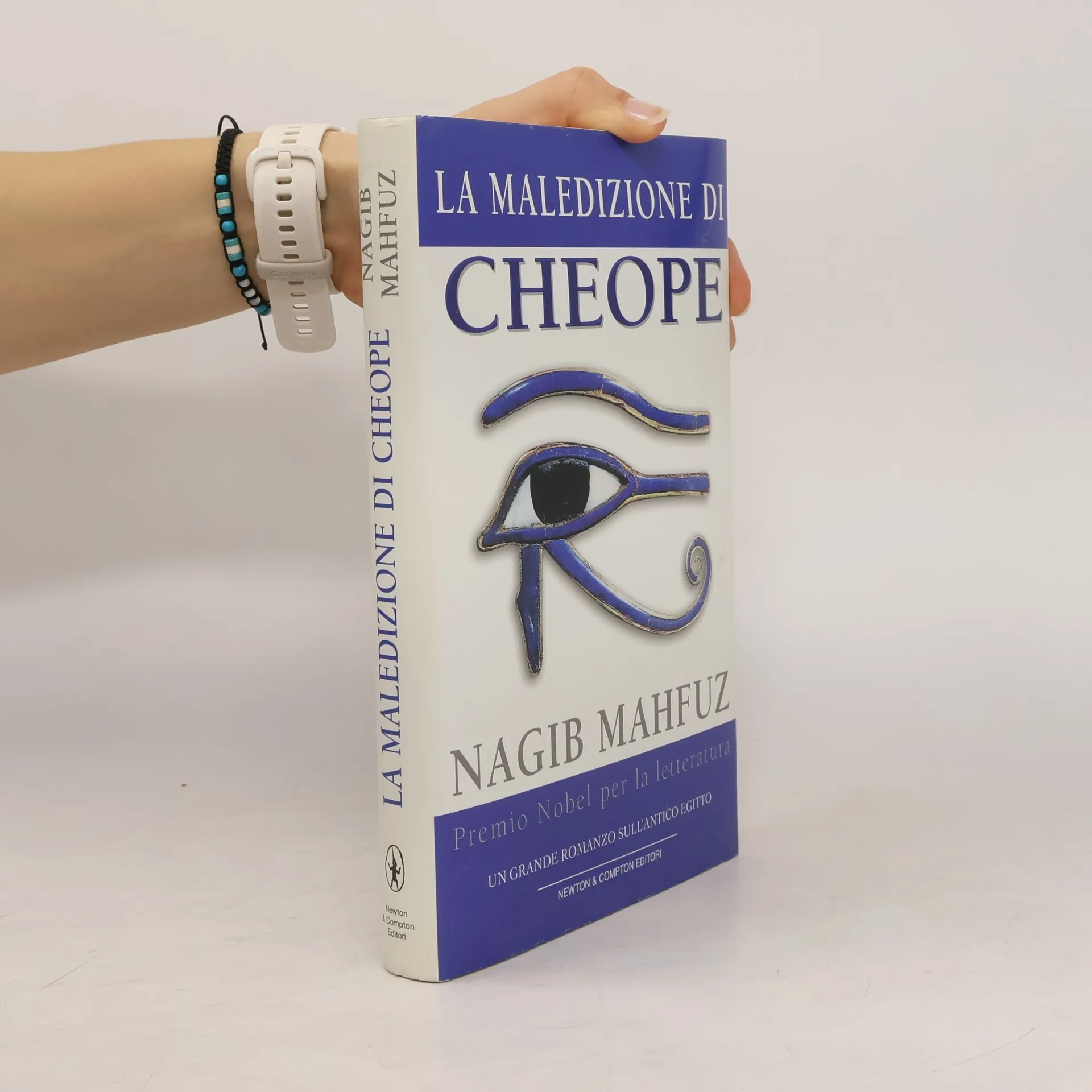
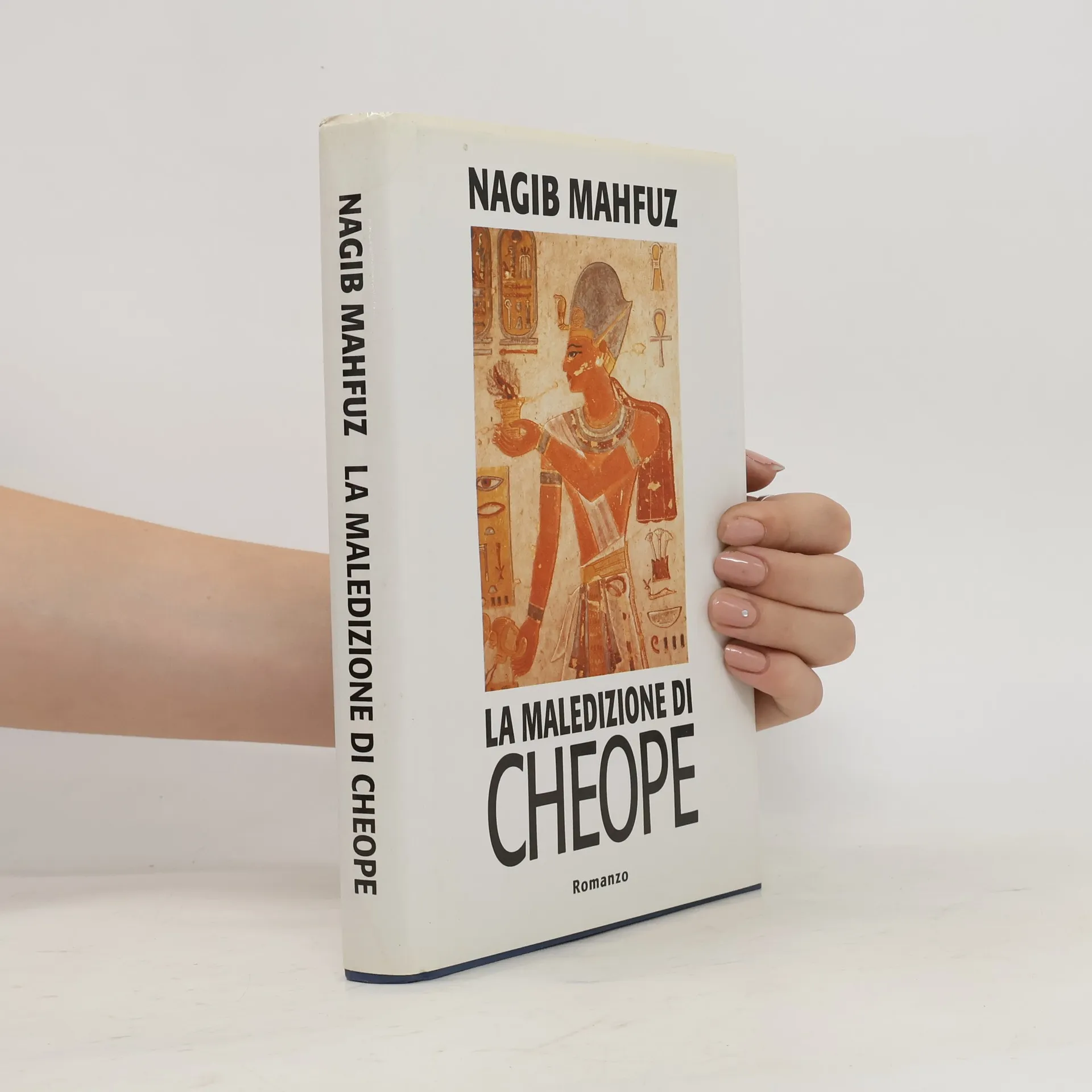
At the center of Khufu’s Wisdom, Nobel laureate Naguib Mahfouz’s majestic first novel, is the legendary Fourth Dynasty monarch Khufu (Cheops), for whom the Great Pyramid of Giza was built. When a seer prophesies the end of Khufu’s dynasty and the ascension to the throne of Djedefra, son of the High Priest of Ra, the pharaoh must battle to preserve his legacy against the will of the Fates. But in the face of the inexorable attraction between Djedefra and Princess Meresankh, Khufu’s beautiful daughter, Khufu must consider not only his personal ambition and the opposing decree of the heavens, but also how the wisdom he prides himself on as a ruler will guide him in determining the fate of his daughter’s heart.
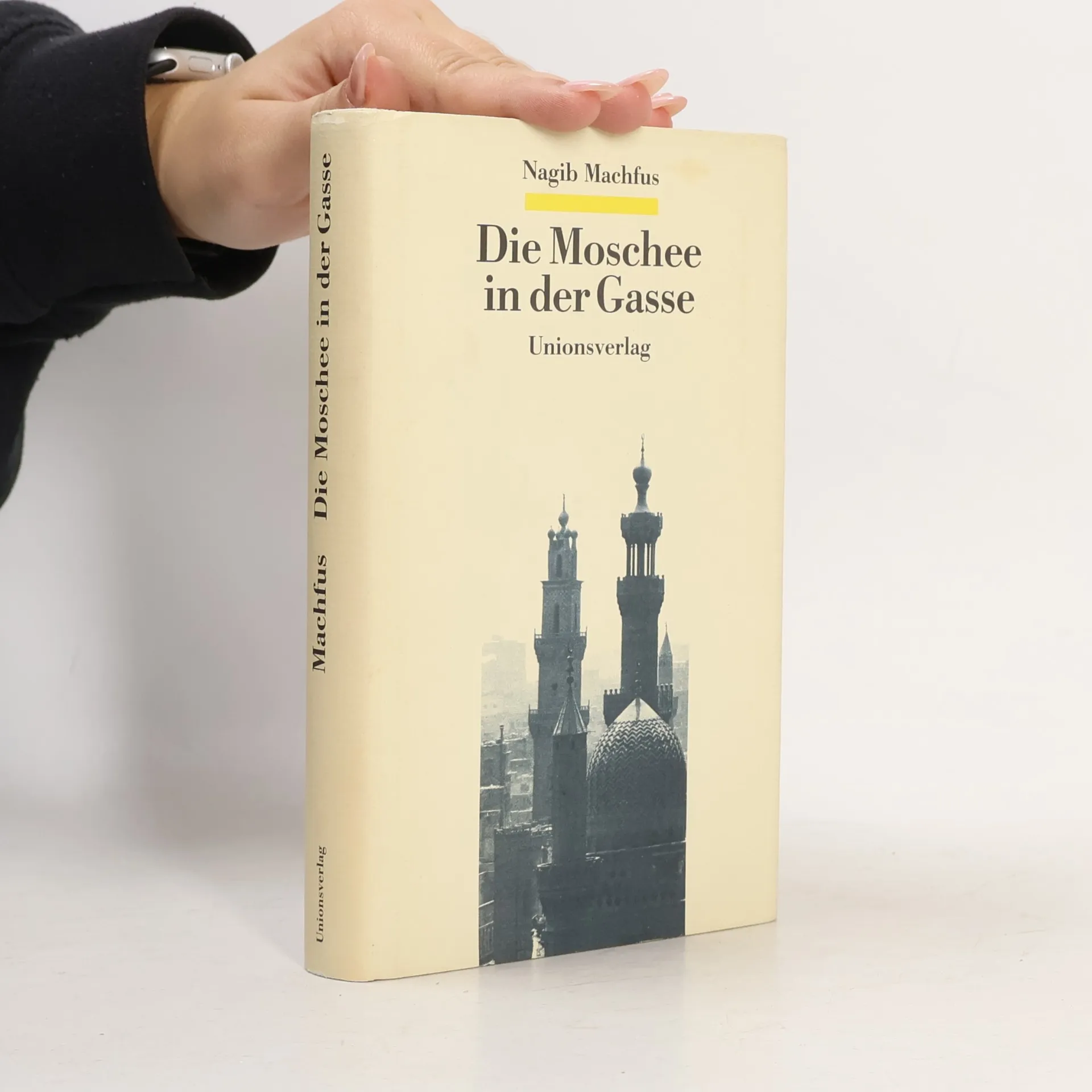
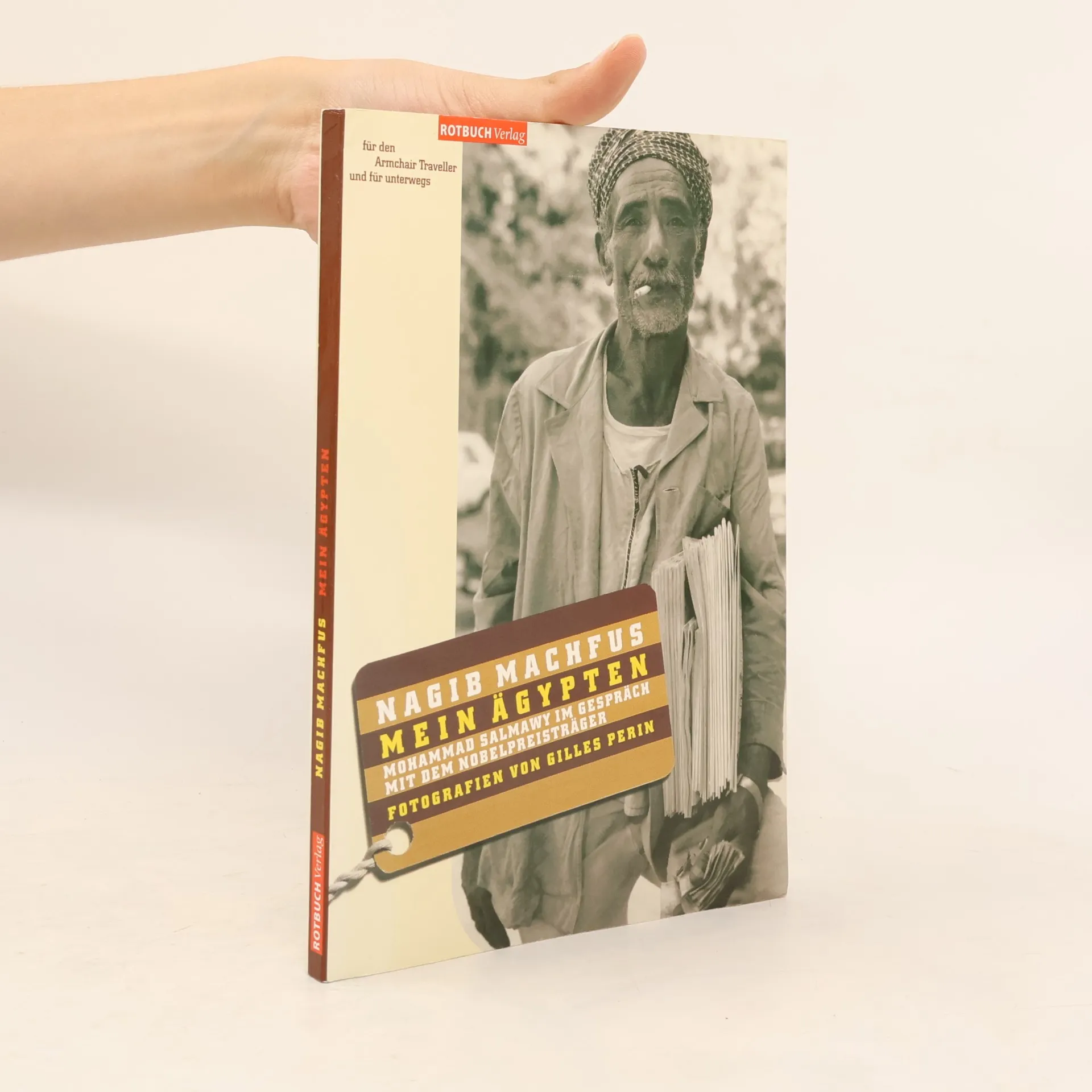
In einer Reihe von Gesprächen mit seinem Freund und Kollegen Mohamed Salmawy erzählt der Nobelpreisträger Nagib Mahfuz in Mein Ägypten von seinem Land. Ägypten ist für Mahfuz viel mehr als nur seine Heimat. Er betrachtet Ägypten als die Wiege der Zivilisation. Durch das Erzählen von seiner Jugend, seinem Land und seiner Kultur lässt Mahfuz die Geschichte lebendig werden. Die schwarz-weiß Fotos in Mein Ägypten sind von Gilles Perrin. Er fotografierte die Ägypter, wie Mahfuz sie in seinen Romanen beschrieb.
Nadžíb Mahfúz je všeobecne uznávaným otcom arabského románu. Synom Káhiry je aj hlavný hrdina románu Zlodej a psi, ktorým autor vstupuje do republikánskeho obdobia svojej tvorby...
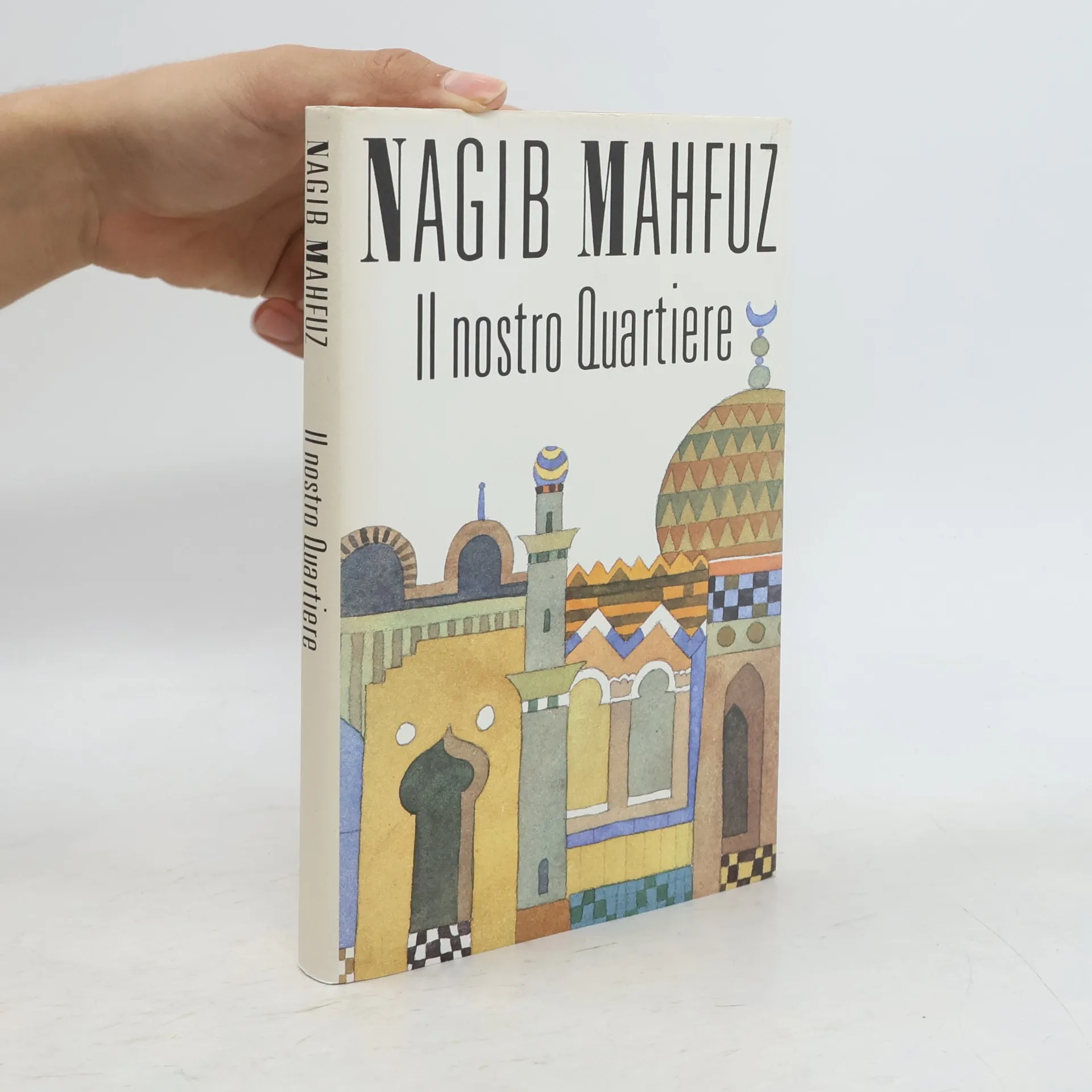
Le cronache di un quartiere raccontate attraverso la quotidianità dei suoi abitanti: la realtà e le fantasie di un mondo in cui si compenetrano gli arcani della tradizione orientale e il sottile fascino della civiltà europea. Realtà come raffigurazione degli eventi che scandiscono la vita del rione e fantasia come strumento di conoscenza delle forme e delle essenze che compongono il ciclo della nascita, vita e morte (la magica visione del monastero, il suo giardino di delizie, l'inquietante oscurità del tunnel, e ancora: l'invisibile Grande Vecchio, l'aleatorio paese al di là dei monti e la baluginante presenza divina). Il protagonista delle settantotto sequenze in cui si ordina "Il nostro quartiere", un 'io' infantile che si trova ad affrontare gli accadimenti dell'esistenza umana sempre dibattuto tra dato fisico e ipotesi metafisica, diventa così il cantore di gioie, passioni, ansie, soprusi, paure e disperazioni che consentono all'umanità che popola il dedalo di viuzze dalla narrazione di trasformare quel microcosmo nell'effigie dell'universo.
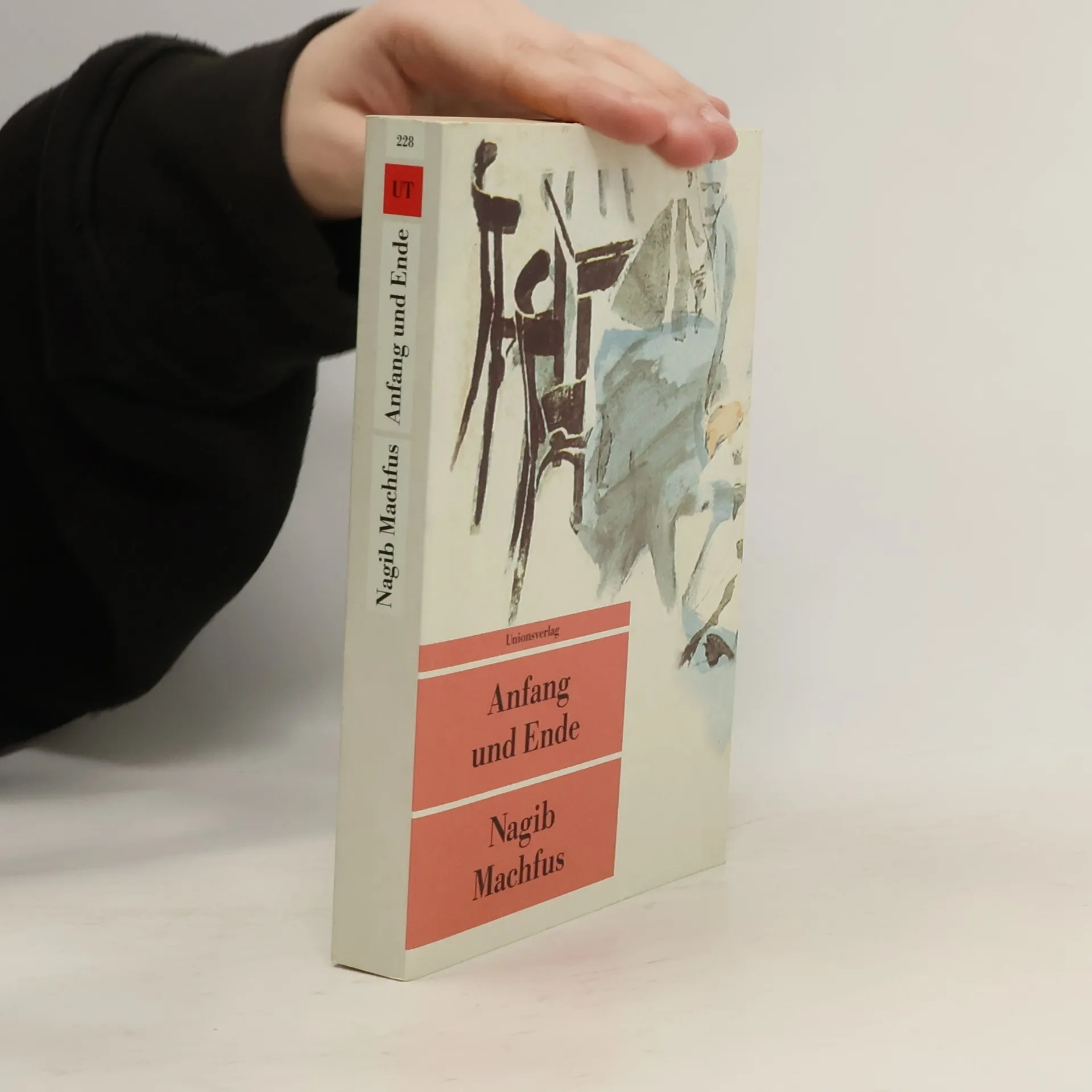
Eines Morgens werden die beiden Söhne aus der Schule gerufen: Der Vater ist tot. Er wurde mitten aus dem Leben gerissen, und sein Tod bringt die Familie an den Rand des Abgrunds. Etwas Geld im Portemonnaie, ein paar Möbel, einen untadeligen Ruf und eine lächerliche Pension – mehr hat er ihnen nicht hinterlassen.