

Épuisé, mais très demandé!


Paramètres
- 126pages
- 5 heures de lecture
En savoir plus sur le livre
Focusing on the themes of war and political accountability, this work critiques the American pursuit of empire, particularly during the Iraq War. Mailer examines the rhetoric and decisions of the Bush administration, emphasizing the inherent dangers of exporting democracy. His moral insights highlight the paradox that efforts to spread democracy may inadvertently foster authoritarianism, both domestically and internationally. This powerful argument remains relevant, reflecting Mailer's ongoing commitment to addressing the complexities of warfare and governance.
Achat du livre
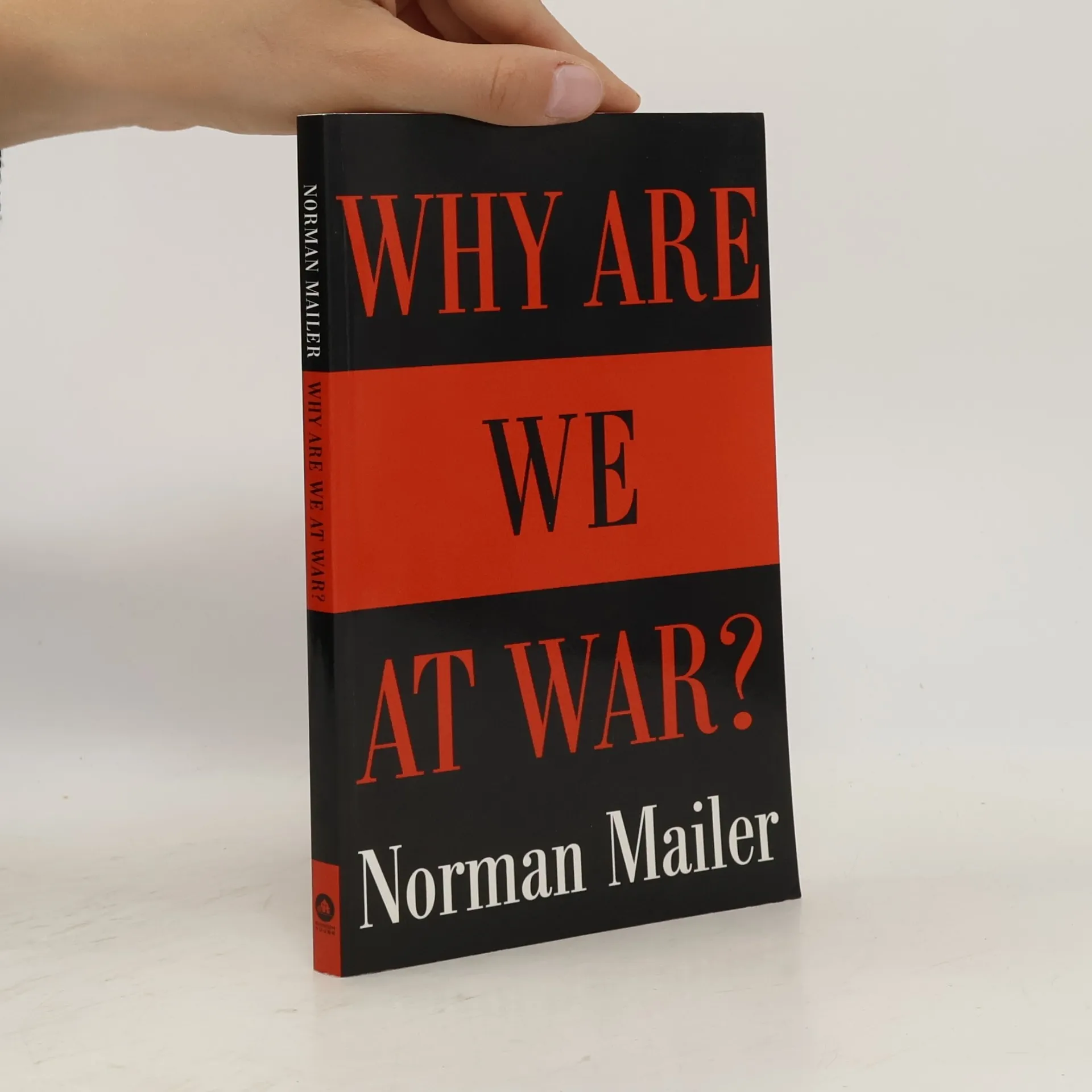
Why Are We at War?, Norman Mailer
- Langue

- Année de publication
- 2003
- Reliure
- (souple)
Nous vous informerons par e-mail dès que nous l’aurons retrouvé.
Modes de paiement
Personne n'a encore évalué .
- Titre
- Why Are We at War?
- Langue
- Anglais
- Auteurs
- Norman Mailer
- Publié
- 2003
- Format
- souple
- Pages
- 126
- ISBN10
- 0812971116
- ISBN13
- 9780812971118
- Séries
- Catégories
- Mots clés
- Thème historique, Commerce, Thèmes psychologiques, Manuels et guides, Thématique philosophique, Politique, Nouvelles, États-Unis, Guerres, Littérature américaine, L'école, Société, Histoire de l'Europe, Journalisme et Publication, Leadership, Théories politiques, Histoire des États-Unis, Culture, Amérique, Relations internationales, Éthique, Histoire du 20e siècle, Critique, Gouvernance, Géopolitique, Diplomatie, Philosophie politique, Politique étrangère, Irak, Afrique du Nord, Politique mondiale, Biographies, Politique américaine
- Description
- Focusing on the themes of war and political accountability, this work critiques the American pursuit of empire, particularly during the Iraq War. Mailer examines the rhetoric and decisions of the Bush administration, emphasizing the inherent dangers of exporting democracy. His moral insights highlight the paradox that efforts to spread democracy may inadvertently foster authoritarianism, both domestically and internationally. This powerful argument remains relevant, reflecting Mailer's ongoing commitment to addressing the complexities of warfare and governance.