Cette série explore des événements cruciaux et des moments charnières du monde antique à travers des livres accessibles rédigés par des érudits renommés. Elle propose de nouvelles interprétations de sujets célèbres comme de thèmes moins connus méritant une attention accrue. Chaque volume offre une synthèse narrative, intégrant des preuves littéraires et archéologiques pour faire revivre le passé aux lecteurs contemporains.
"In a follow-up to 1177 BC, this book provides a portrait of the 400 years following the collapse of the Bronze Age, a period referred to as the First Dark Age, but which Cline will show was also an era of rebirth and resilience"--
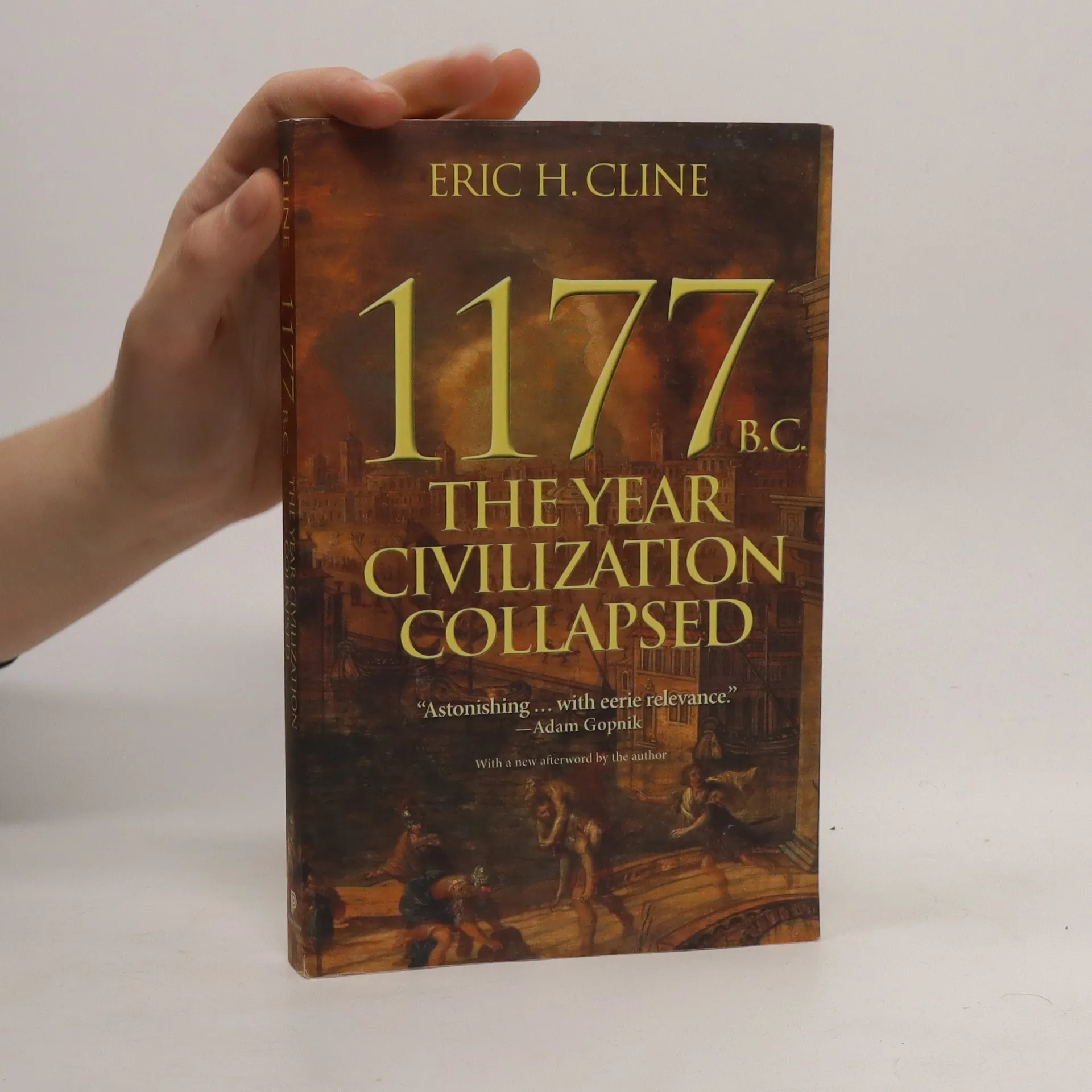
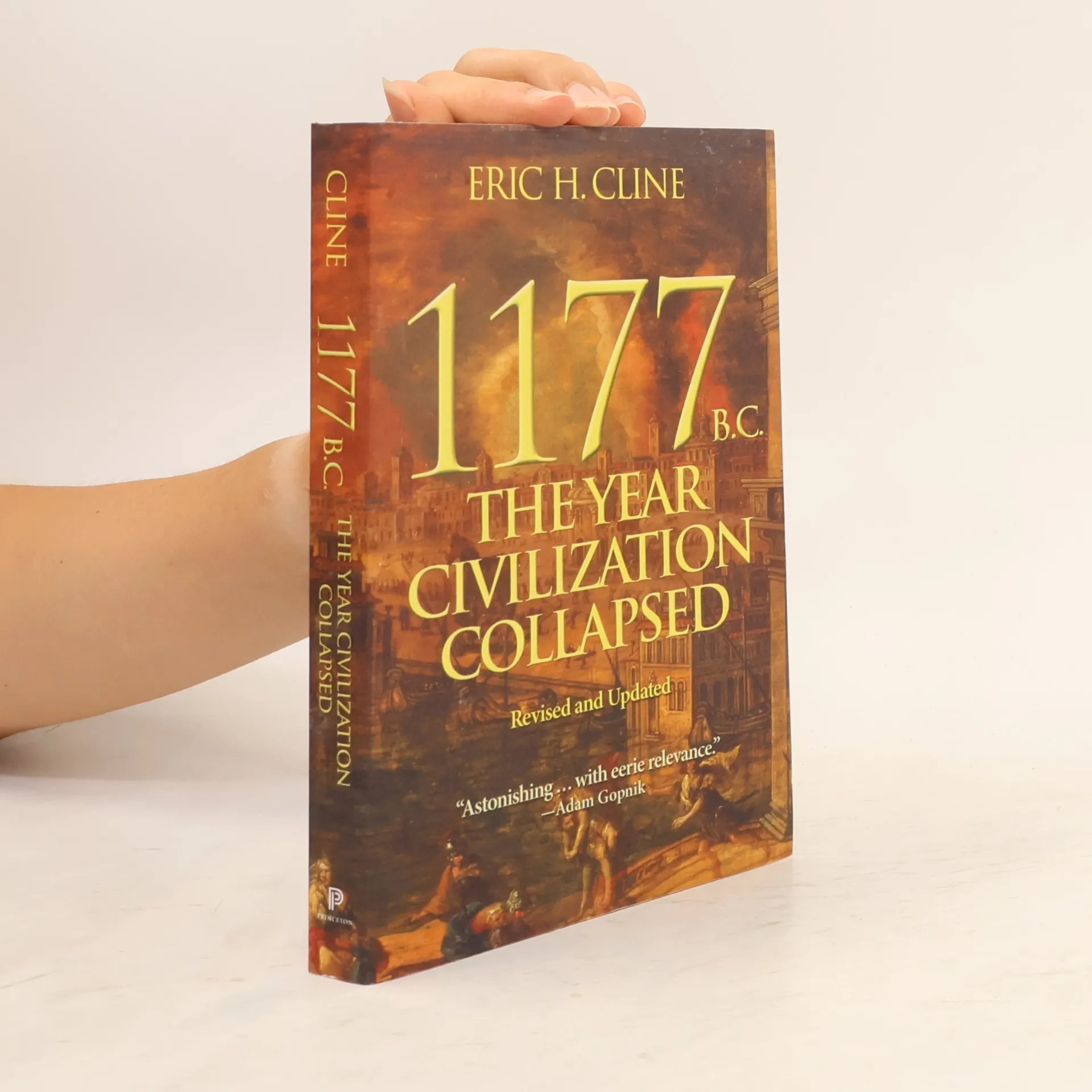
In 1177 B.C., the invasion of Egypt by marauding groups known as the "Sea Peoples" marked the beginning of a significant decline for Egypt and surrounding civilizations. Although the pharaoh's forces managed to repel the invaders, the victory left Egypt weakened, leading to a rapid collapse of the Bronze Age world. Within a few decades, prominent kingdoms like the Minoans, Mycenaeans, Trojans, Hittites, and Babylonians vanished, along with their vibrant economies, cultures, writing systems, and monumental architecture. The Sea Peoples were not solely responsible for this widespread breakdown; it was the result of multiple interconnected failures, including invasions, revolts, natural disasters like earthquakes and droughts, and the disruption of international trade routes. This account brings to life the rich multicultural tapestry of the Late Bronze Age, illustrating how the very interdependence of these civilizations contributed to their downfall. By weaving together narrative and contemporary scholarship, the text reveals the complex relationships that fostered both the flourishing and the eventual destruction of these great civilizations, setting the stage for the emergence of classical Greece and a dark age that lasted for centuries.
Drawing on new archaeological evidence, this authoritative history examines the Great Fire of Rome and its lasting impact on the Roman Empire. According to legend, Emperor Nero set fire to the city on July 19, 64 AD, but much of this narrative is likely untrue. The distinguished historian Anthony Barrett provides a comprehensive account of the fire, its immediate aftermath, and its long-term consequences. By analyzing remarkable archaeological discoveries and literary evidence, Barrett reveals what truly happened and argues that this disaster marked a pivotal moment in Roman history, leading to Nero's downfall and the end of the Julio-Claudian dynasty.
The fire devastated much of Rome, causing panic among the populace and destroying Nero's golden statue. It also triggered a financial crisis and currency devaluation that had a lasting effect on the Roman economy. The book showcases recent archaeological findings, including photographs that illustrate the fire's destruction. Additionally, it explores the fire's enduring legacy in literature, opera, ballet, and film. This richly detailed and factual narrative seeks to dispel myths surrounding the event, positioning itself as the definitive account of the Great Fire of Rome for contemporary readers.