
Bookbot

Eric H. Cline

    1 septembre 1960

    Le Dr. Eric H. Cline est un archéologue et historien de premier plan dont le travail explore l'interconnexion des civilisations anciennes et les moments cruciaux de l'histoire humaine. Fort d'une vaste expérience de terrain sur de nombreux sites archéologiques, il étudie comment les événements passés résonnent dans le présent. Son approche rend les sujets historiques complexes accessibles, dévoilant les récits captivants derrière les grands effondrements et conflits de civilisations. Les écrits de Cline offrent un aperçu fascinant de l'impact durable des développements anciens sur le monde moderne.

    Eric H. Cline
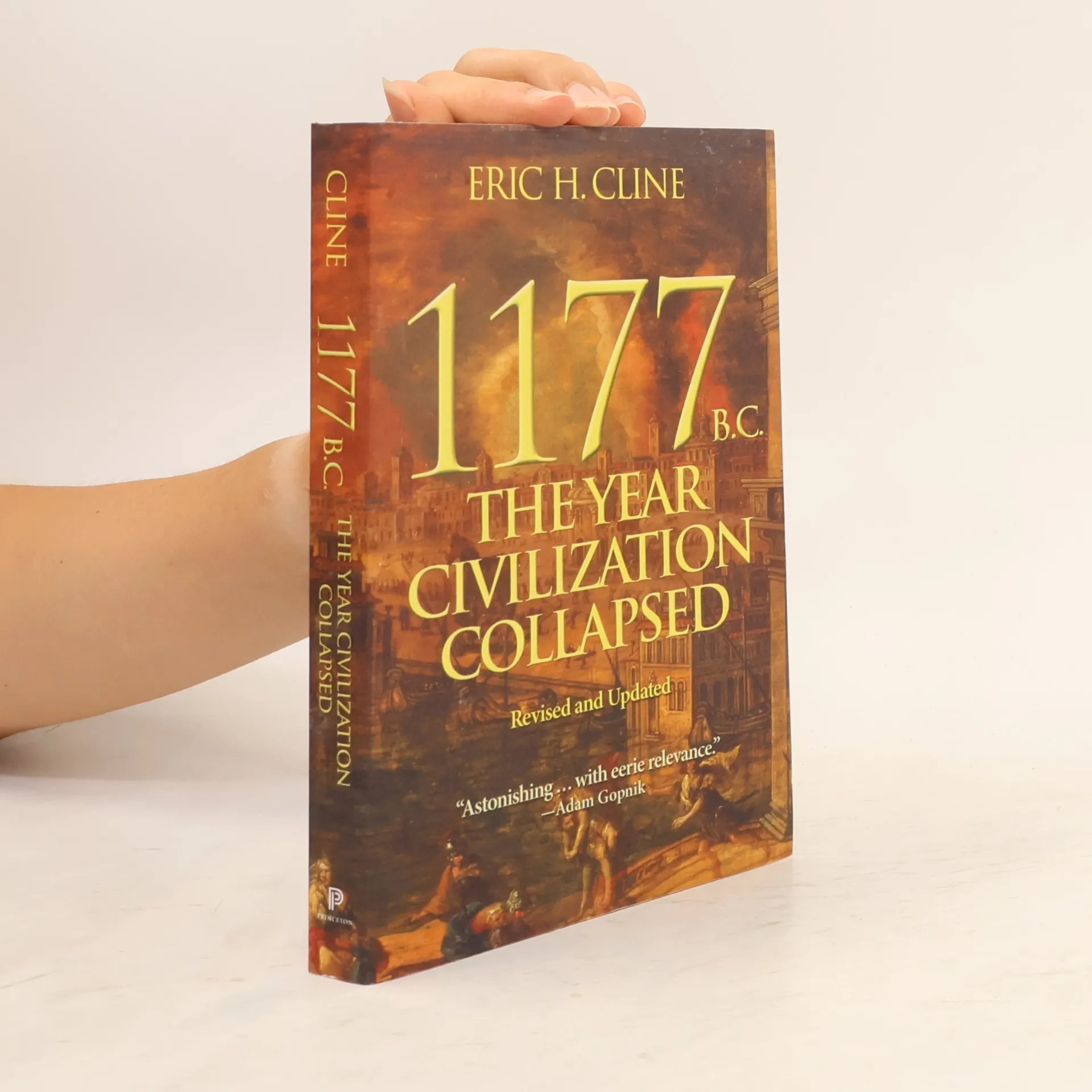
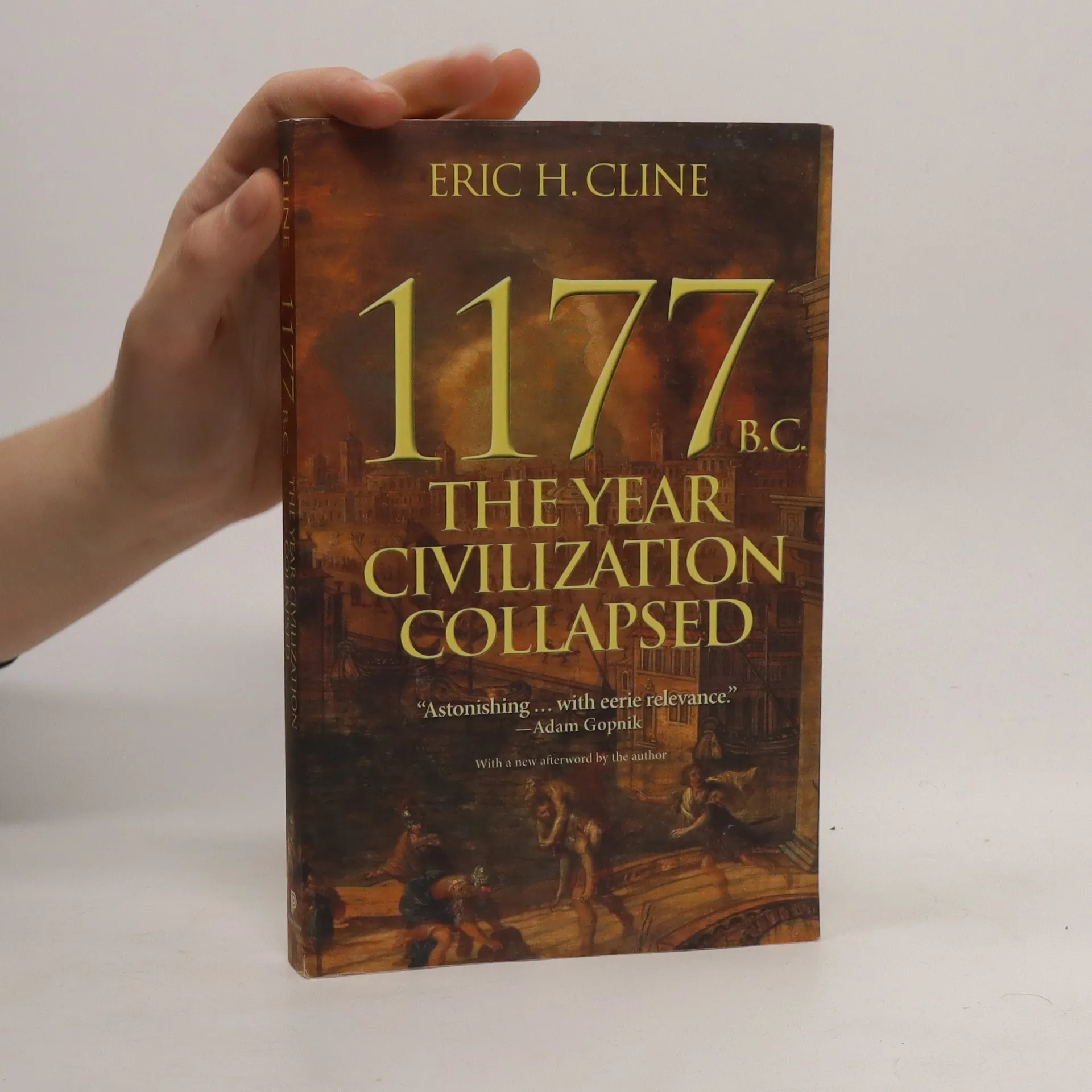
    1177 B.C.
    1177 B.C. : The Year Civilization Collapsed
    Biblical Archaeology: A Very Short Introduction
    The Trojan War: A Very Short Introduction
    Digging Deeper
    Digging Up Armageddon
    • Digging Up Armageddon

      • 432pages
      • 16 heures de lecture

      "A vivid portrait of the early years of biblical archaeology from the acclaimed author of 1177 B.C.: The Year Civilization Collapsed In 1925, famed Egyptologist James Henry Breasted sent a team of archaeologists to the Holy Land to excavate the ancient site of Megiddo--Armageddon in the New Testament--which the Bible says was fortified by King Solomon. Their excavations made headlines around the world and shed light on one of the most legendary cities of biblical times, yet little has been written about what happened behind the scenes. Digging Up Armageddon brings to life one of the most important archaeological expeditions ever undertaken, describing the stunning discoveries that were made there and providing an up-close look at the internal workings of a dig in the early years of biblical archaeology."--
      Digging Up Armageddon
      4,0
    • Digging Deeper

      • 176pages
      • 7 heures de lecture

      From the bestselling author of 1177 B.C., an accessible primer to the archaeologist's craftAn archaeologist with more than thirty seasons of excavation experience, Eric H. Cline has conducted fieldwork around the world, from Greece and Crete to Egypt, Israel, and Jordan. In Digging Deeper, Cline answers the questions archaeologists are most frequently asked, such as: How do you know where to dig? How are excavations actually done? How do you know how old something is? Who gets to keep what is found? How do you know what people from the past ate, wore, and looked like? Adapted from Cline's acclaimed book Three Stones Make a Wall, this lively little volume is brimming with insights and practical advice about how archaeology really works. Whether you are an armchair archaeologist or embarking on your first excavation, Digging Deeper is an essential primer on the art of the dig.

      Digging Deeper
      3,9
    • Using a combination of archaeological data, textual analysis, and ancient documents, this Very Short Introduction to the Trojan War investigates whether or not the war actually took place, whether archaeologists have correctly identified and been excavating the ancient site of Troy, and what has been found there.

      The Trojan War: A Very Short Introduction
      4,0
    • Archaeologist Eric H. Cline here offers a complete overview of this exciting field. He discusses the early pioneers, the origins of biblical archaeology as a discipline, and the major controversies that first prompted explorers to go in search of sites that would "prove" the Bible. He then surveys some of the most well-known modern archaeologists, the sites that are essential sources of knowledge for biblical archaeology, and some of the most important discoveries that have been made in the last half century, including the Dead Sea Scrolls and the Tel Dan Stele.

      Biblical Archaeology: A Very Short Introduction
      3,9
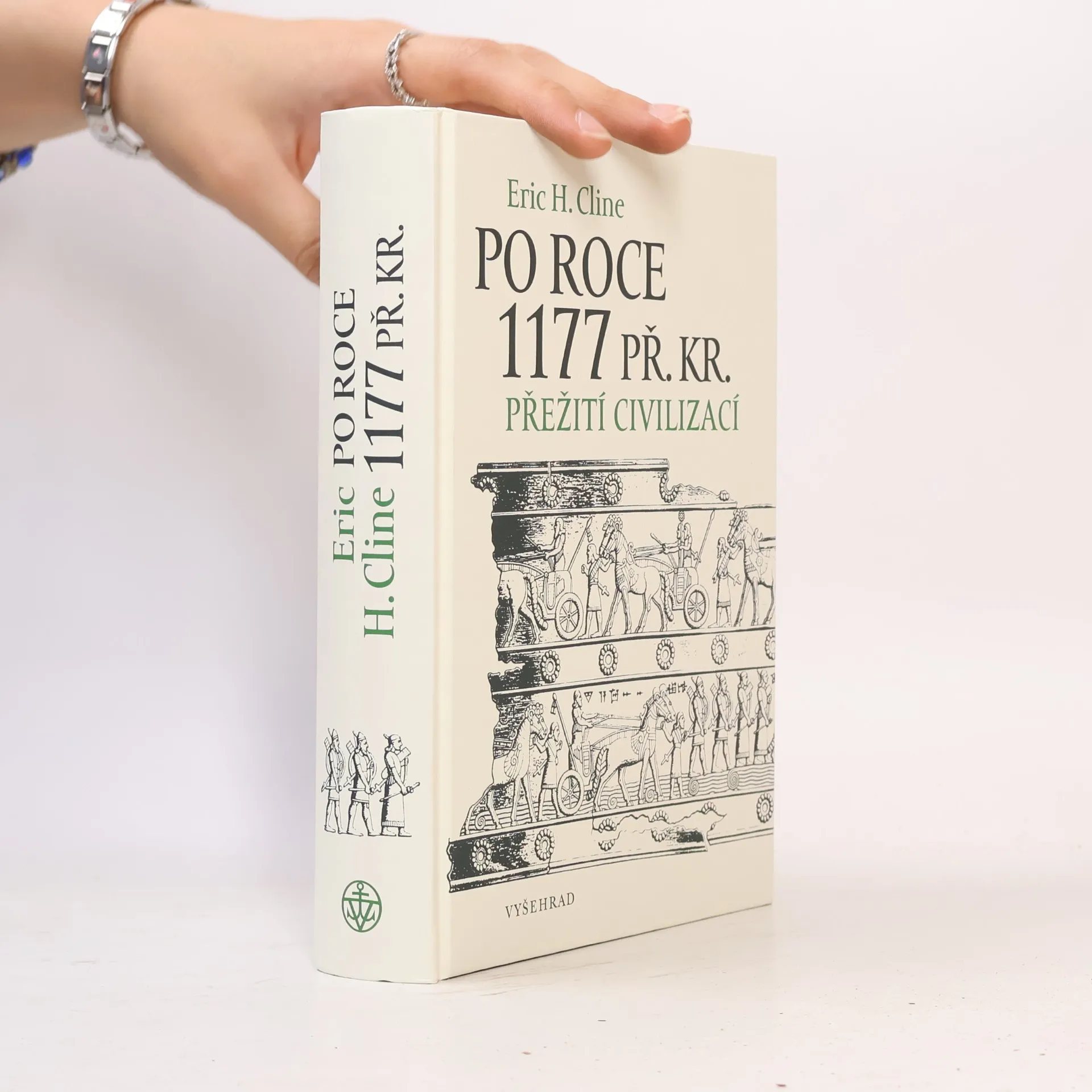
    • In 1177 B.C., the invasion of Egypt by marauding groups known as the "Sea Peoples" marked the beginning of a significant decline for Egypt and surrounding civilizations. Although the pharaoh's forces managed to repel the invaders, the victory left Egypt weakened, leading to a rapid collapse of the Bronze Age world. Within a few decades, prominent kingdoms like the Minoans, Mycenaeans, Trojans, Hittites, and Babylonians vanished, along with their vibrant economies, cultures, writing systems, and monumental architecture. The Sea Peoples were not solely responsible for this widespread breakdown; it was the result of multiple interconnected failures, including invasions, revolts, natural disasters like earthquakes and droughts, and the disruption of international trade routes. This account brings to life the rich multicultural tapestry of the Late Bronze Age, illustrating how the very interdependence of these civilizations contributed to their downfall. By weaving together narrative and contemporary scholarship, the text reveals the complex relationships that fostered both the flourishing and the eventual destruction of these great civilizations, setting the stage for the emergence of classical Greece and a dark age that lasted for centuries.

      1177 B.C. : The Year Civilization Collapsed
      3,9
    • 1177 B.C.

      • 304pages
      • 11 heures de lecture

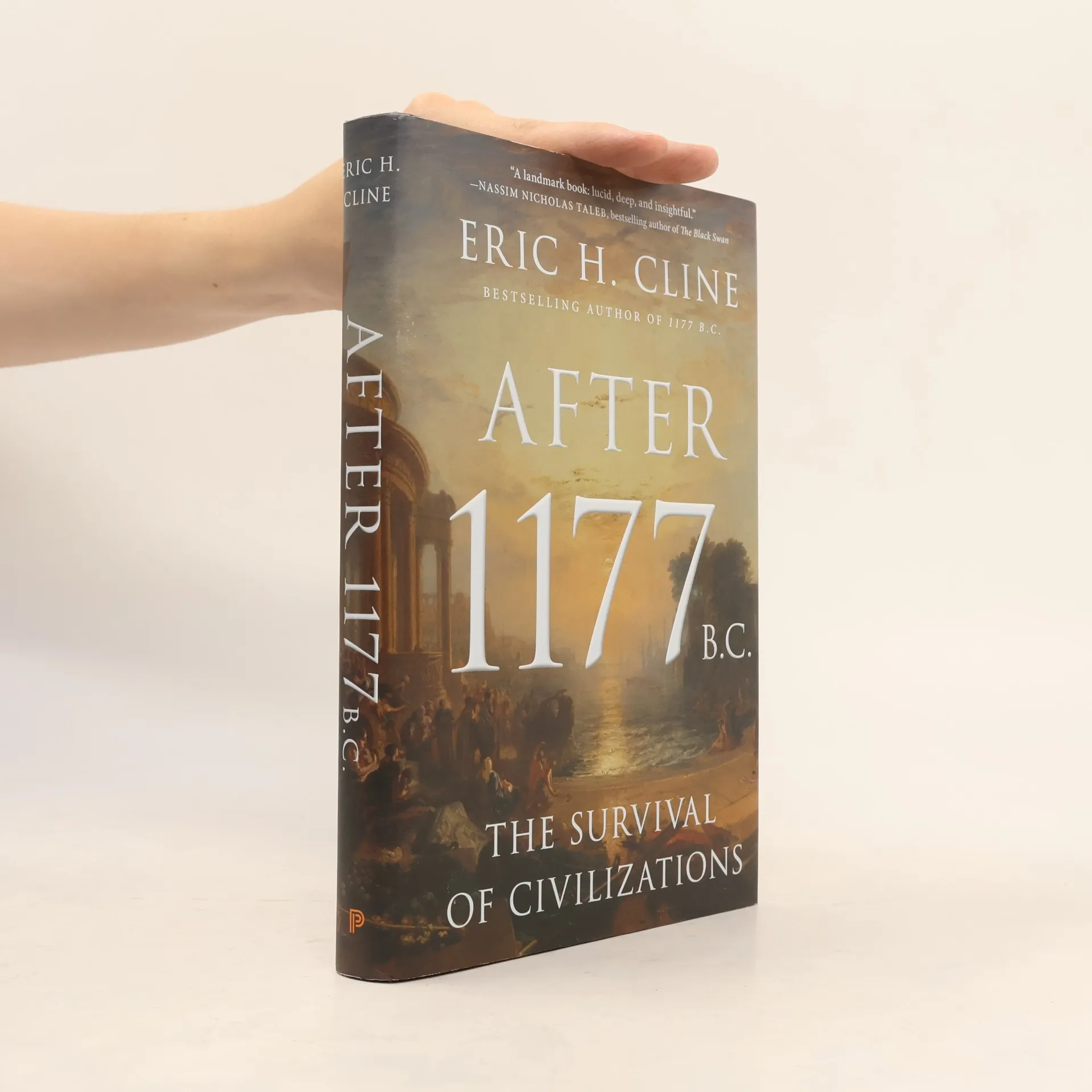
      "In a follow-up to 1177 BC, this book provides a portrait of the 400 years following the collapse of the Bronze Age, a period referred to as the First Dark Age, but which Cline will show was also an era of rebirth and resilience"--

      1177 B.C.
      3,9
    • "In a follow-up to 1177 BC, this book provides a portrait of the 400 years following the collapse of the Bronze Age, a period referred to as the First Dark Age, but which Cline will show was also an era of rebirth and resilience"--

      After 1177 B.C.
      3,7
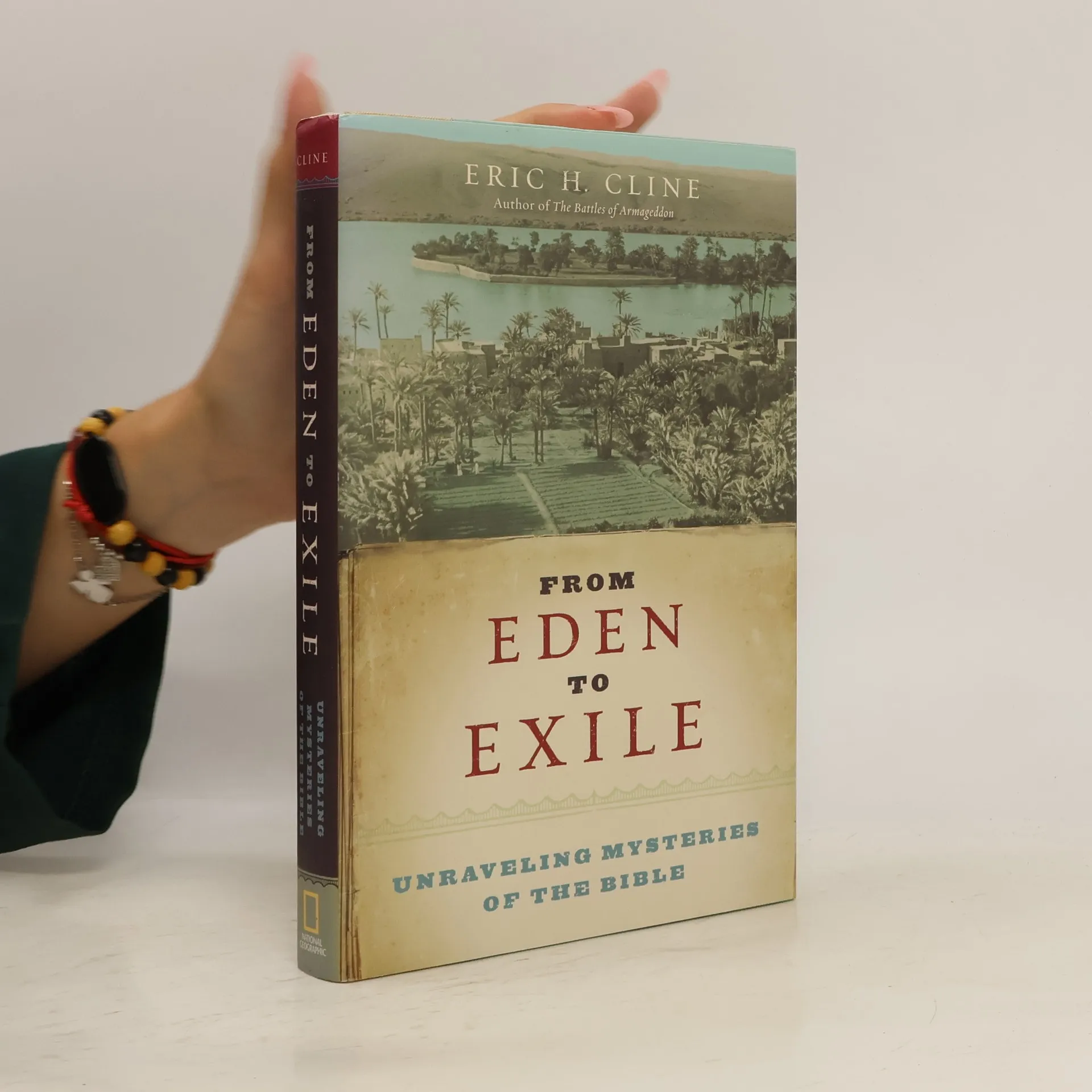
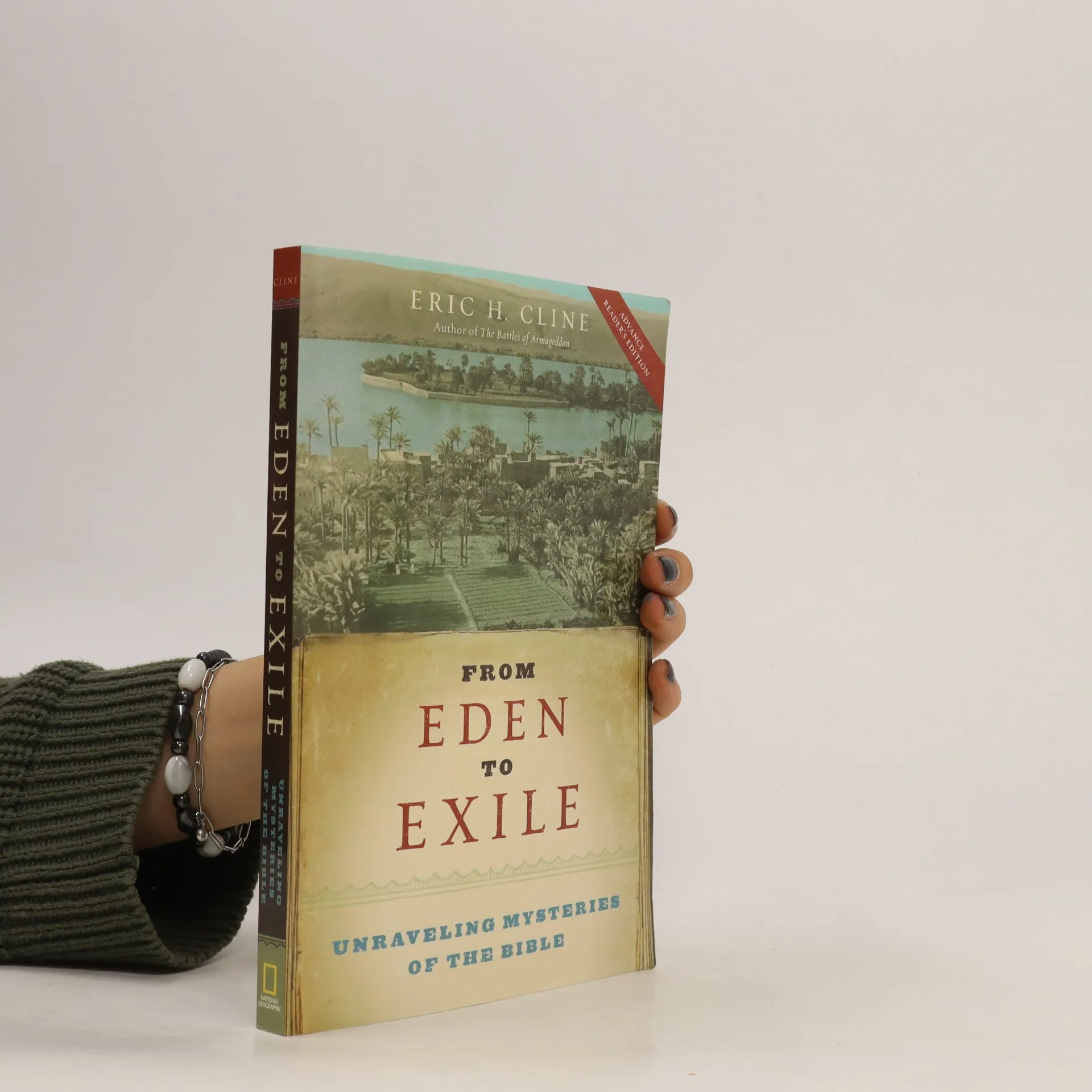
    • From Eden to Exile

      Unraveling Mysteries of the Bible

      • 264pages
      • 10 heures de lecture

      Examines seven mysteries of the Hebrew Bible, from the Garden of Eden and Noah's Ark, to the Exodus, the Babylonian Exile, and the Lost Tribes of Israel, placing these biblical stories in their archaeological and historical context.

      From Eden to Exile
      3,5
    • Versunkene Welten und wie man sie findet

      • 528pages
      • 19 heures de lecture

      Untergegangene Städte, sagenumwobene Schätze, rätselhafte Schriftzeichen Eric Cline, preisgekrönter Wissenschaftler und Autor, entführt uns in die spannende Welt der Archäologie und zeigt, wie sich die Beschäftigung mit den Völkern und Kulturen der Vergangenheit von der Amateurforschung zu einer hoch professionalisierten und technisierten Wissenschaft entwickelt hat. Dabei begegnen wir Entdeckern wie Howard Carter, Heinrich Schliemann und John Lloyd Stephens und begleiten sie dabei, wie sie die Grabkammern des Tutanchamun, die Überreste des antiken Troja und Stätten der Maya-Kultur ans Tageslicht befördern. Lebendig und packend erzählt Cline die faszinierende Geschichte der Archäologie und bringt uns zugleich die Arbeit der Archäologen näher. Ausstattung: mit Abb.

      Versunkene Welten und wie man sie findet
      4,9
    • Eric H. Cline untersucht in seinem neuen Buch die Zeit nach dem Untergang der bronzezeitlichen Reiche im östlichen Mittelmeer. Er beleuchtet, wie aus der Asche der alten Welt eine neue Ära mit bedeutenden Erfindungen und dem Aufstieg des Eisenzeitalters entsteht, und spannt den Bogen bis zu den ersten Olympischen Spielen 776 v. Chr.

      Nach 1177 v. Chr.. Wie Zivilisationen überleben
      4,0
    • 1177 v. Chr. – Eine Graphic Novel

      Der erste Untergang der Zivilisation

      • 256pages
      • 9 heures de lecture

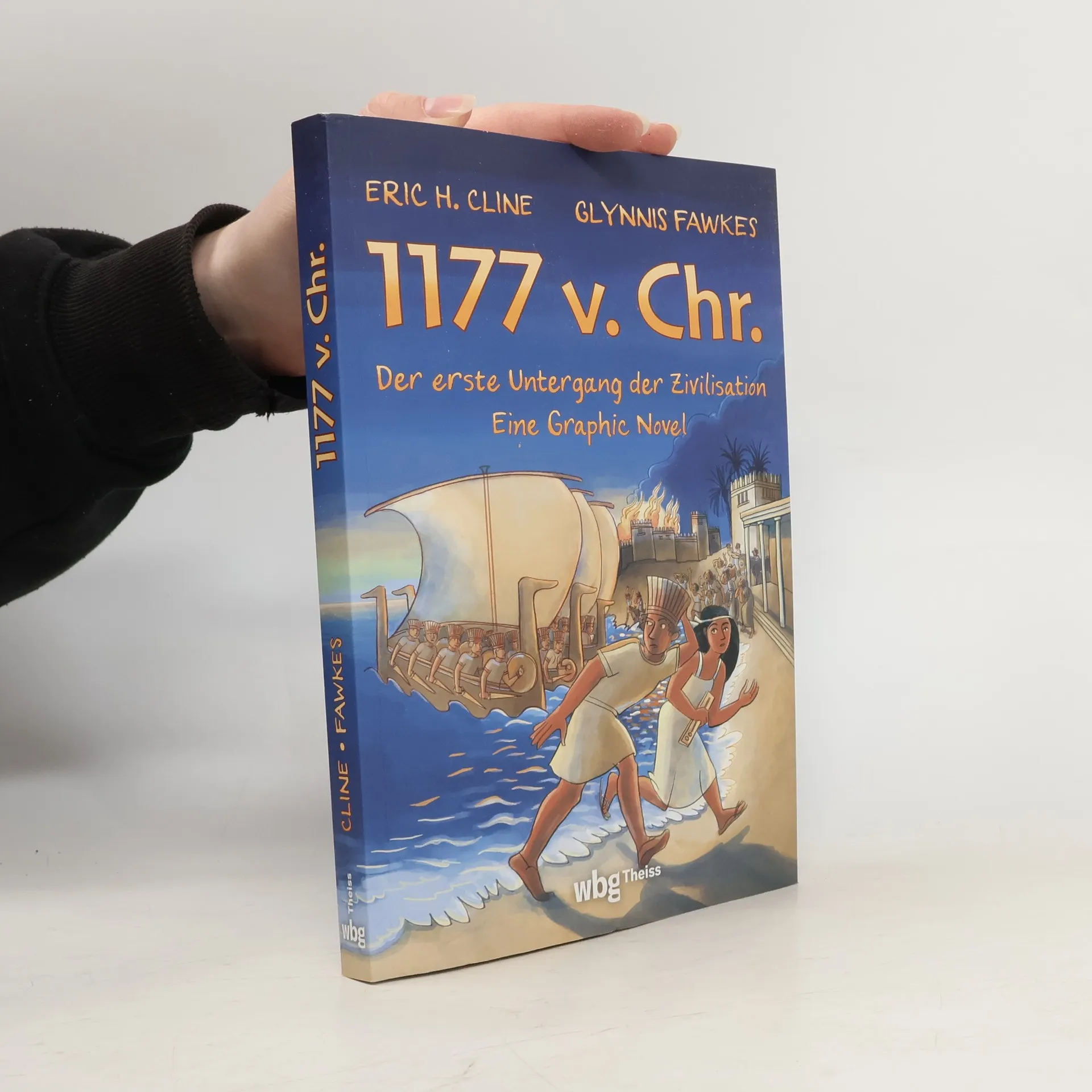
      Eric H. Clines Bestseller »1177 v. Chr.« erzählt die Geschichte eines der großen Rätsel der Weltgeschichte: Was führte vor mehr als dreitausend Jahren zum Zusammenbruch der antiken Zivilisationen in der Ägäis und im östlichen Mittelmeerraum und setzte der späten Bronzezeit ein jähes Ende? In dieser lebendigen und unterhaltsamen Adaption des Buchs als Graphic Novel lädt uns die Illustratorin Glynnis Fawkes ein, zwei jungen Freunden zu folgen, die in den Nachwehen der Katastrophe leben. Pel, ein Mitglied der marodierenden Seevölker, und Shesha, eine ägyptische Schreiberin, besuchen die Reiche der Minoer, Mykener, Hethiter, Kanaaniter, Assyrer und Ägypter, um herauszufinden, was geschah, warum und wie es zu der Katastrophe kam. Plastisch erleben wir Ereignisse, aber auch Kunst und Architektur der Länder, denen Pel und Shesha begegnen. Wir werden Zeuge von Kämpfen der Seevölker zu Lande und zu Wasser, von Erdbeben auf dem griechischen Festland, von Dürren und Hungersnöten in Anatolien, von Invasionen in Nordsyrien und möglichen Aufständen in Kanaan. Nebenbei erfahren wir auch von der Ermordung eines hethitischen Prinzen, der eine ägyptische Königin heiraten wollte, vom Untergang eines mit internationalen Waren beladenen Handelsschiffs und der Rückgabe eines Paars Sandalen nach Kreta durch den babylonischen König Hammurabi.

      1177 v. Chr. – Eine Graphic Novel