


Paramètres
- 314pages
- 11 heures de lecture
En savoir plus sur le livre
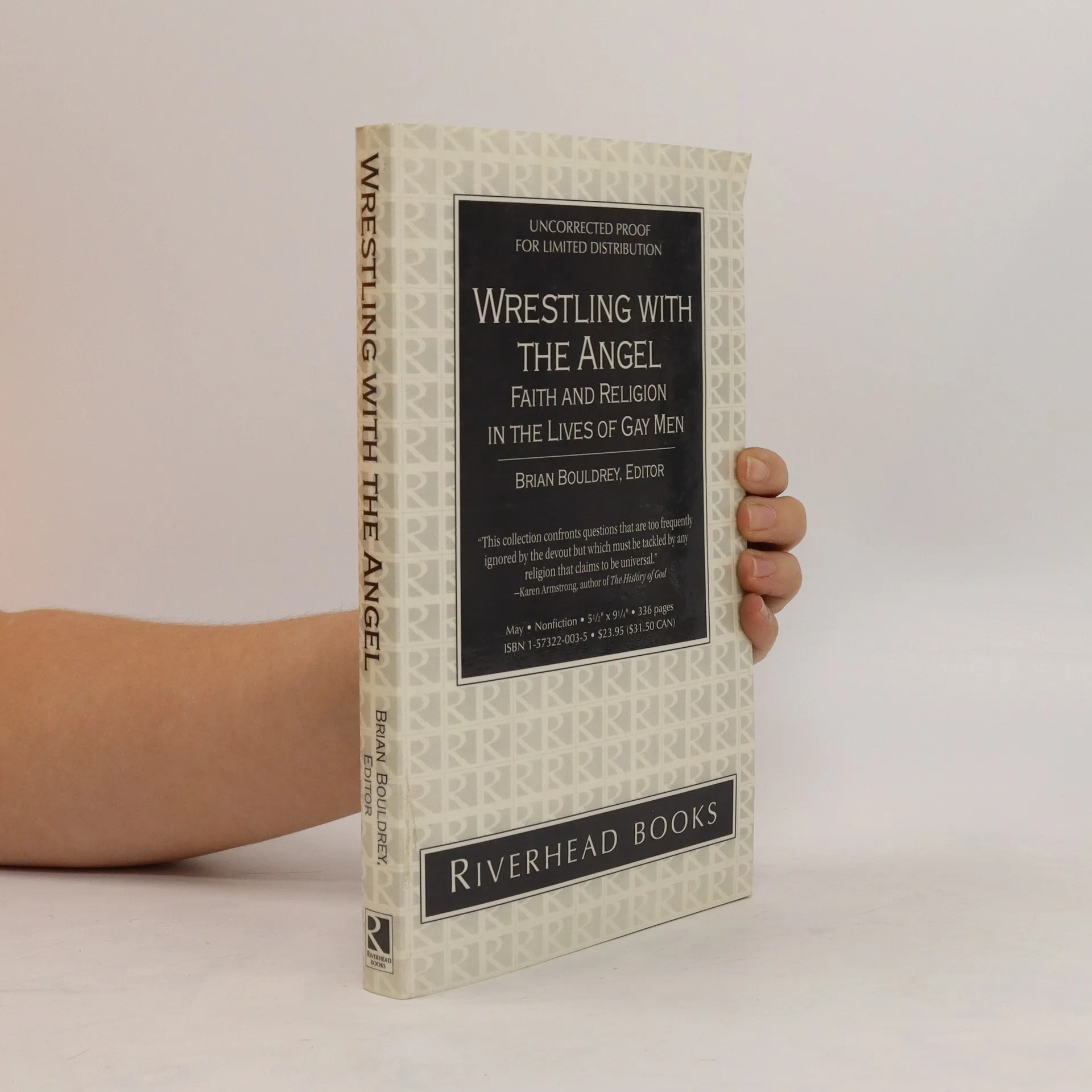
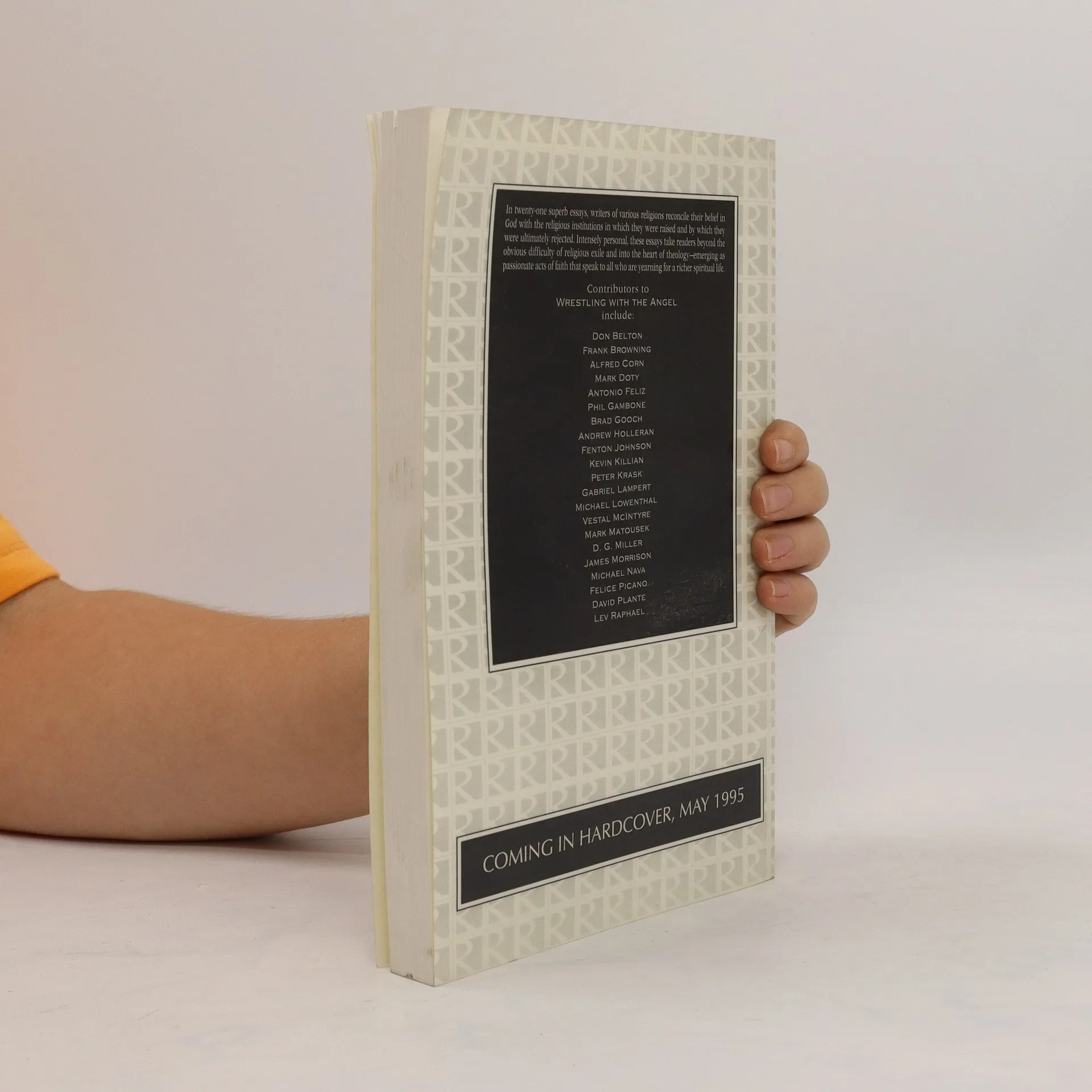
In Wrestling with the Angel, twenty-one authors - gay men who are Hindu, Muslim, Jewish, Catholic, Baptist, Lutheran, and Mormon - explore in moving and powerful essays the paradox at the center of their faiths: If God creates each of us in His own image, then how can that image be "wrong"? In vivid descriptions of their paths toward spiritual and sexual identity, such eloquent contributors as David Plante, Mark Doty, Lev Raphael, Alfred Corn, Andrew Holleran, Frank Browning, Michael Nava, Brad Gooch, Fenton Johnson, and Felice Picano reveal the joys and frustrations of communicating with one's excommunicator or, in some cases, of constructing a faith of one's own. Heightened by the urgency of this brutal age of AIDS, their essays are both intensely personal and partisan. They rise off the page like rambunctious prayers, reflecting not only the spiritual hunger brought on by the new millennium, but also the fact that we can no more choose our God than we can our sexuality
Achat du livre
Wrestling with the Angel, Brian Bouldrey
- Langue

- Année de publication
- 1995
- Reliure
- (souple)
Modes de paiement
Il manque plus que ton avis ici.
- Titre
- Wrestling with the Angel
- Langue
- Anglais
- Auteurs
- Brian Bouldrey
- Éditeur
- Riverhead books
- Publié
- 1995
- Format
- souple
- Pages
- 314
- ISBN10
- 1573220035
- ISBN13
- 9781573220033
- Séries
- Mots clés
- Thèmes religieux, Spiritualité et spiritualisme, LGBTQ+
- Évaluation
- 3,75 sur 5
- Description
- In Wrestling with the Angel, twenty-one authors - gay men who are Hindu, Muslim, Jewish, Catholic, Baptist, Lutheran, and Mormon - explore in moving and powerful essays the paradox at the center of their faiths: If God creates each of us in His own image, then how can that image be "wrong"? In vivid descriptions of their paths toward spiritual and sexual identity, such eloquent contributors as David Plante, Mark Doty, Lev Raphael, Alfred Corn, Andrew Holleran, Frank Browning, Michael Nava, Brad Gooch, Fenton Johnson, and Felice Picano reveal the joys and frustrations of communicating with one's excommunicator or, in some cases, of constructing a faith of one's own. Heightened by the urgency of this brutal age of AIDS, their essays are both intensely personal and partisan. They rise off the page like rambunctious prayers, reflecting not only the spiritual hunger brought on by the new millennium, but also the fact that we can no more choose our God than we can our sexuality