



En savoir plus sur le livre
AI is poised to revolutionize sectors like healthcare, agriculture, education, and transportation, but it also presents complex societal challenges. As we embrace a future where humans and computers collaborate, it's crucial to tackle questions about responsible AI design, ethical principles for protection, governance, and the impact on jobs. Microsoft's leading experts offer insights for various stakeholders, including government leaders, entrepreneurs, and parents, addressing trends in the AI revolution and the ethical and workforce issues that arise. The discussion emphasizes the importance of fairness, reliability, safety, privacy, inclusiveness, transparency, and accountability in AI's societal integration. A key theme is that AI must be human-centered, blending computer capabilities with human potential to drive economic and social progress. Achieving this requires collaboration among researchers, policymakers, and leaders across sectors to establish a shared ethical framework, fostering trust in AI systems. The narrative concludes that those who adapt swiftly to AI changes will thrive, while acknowledging that AI will present both challenges and opportunities. A collective responsibility is essential, as AI development extends beyond the tech sector. Moreover, preparing for an AI-driven future necessitates a broader educational focus that includes social sciences and humanities, as computers increasingly mimic human b
Achat du livre
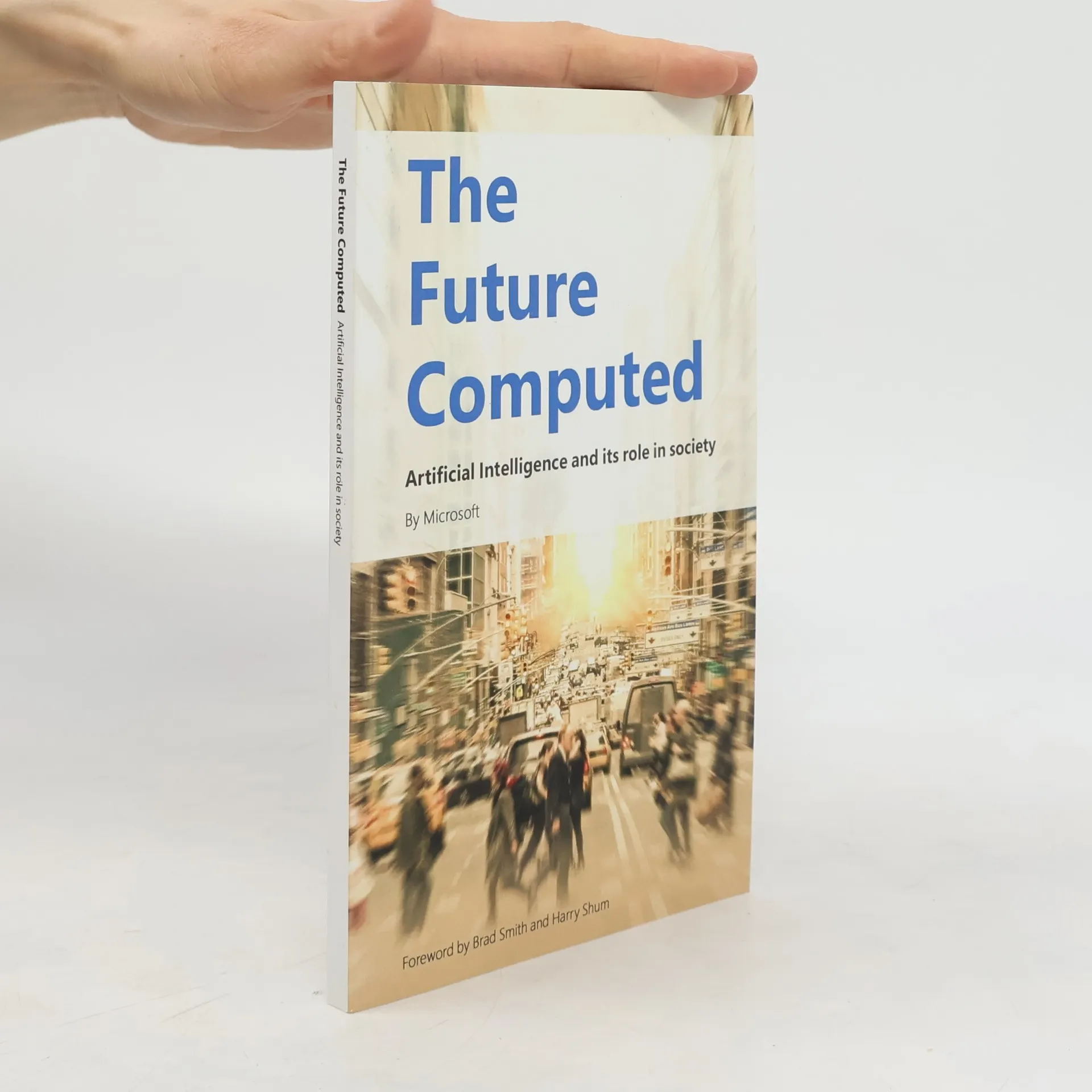
The Future Computed, Microsoft Corporation
- Langue

- Année de publication
- 2018
- Reliure
- (souple)
Modes de paiement
Il manque plus que ton avis ici.
- Titre
- The Future Computed
- Langue
- Anglais
- Auteurs
- Microsoft Corporation
- Éditeur
- Microsoft
- Publié
- 2018
- Format
- souple
- Pages
- 138
- ISBN10
- 1980234434
- ISBN13
- 9781980234432
- Séries
- Catégories
- Mots clés
- Science, Technologie, Intelligence Artificielle
- Évaluation
- 3,25 sur 5
- Description
- AI is poised to revolutionize sectors like healthcare, agriculture, education, and transportation, but it also presents complex societal challenges. As we embrace a future where humans and computers collaborate, it's crucial to tackle questions about responsible AI design, ethical principles for protection, governance, and the impact on jobs. Microsoft's leading experts offer insights for various stakeholders, including government leaders, entrepreneurs, and parents, addressing trends in the AI revolution and the ethical and workforce issues that arise. The discussion emphasizes the importance of fairness, reliability, safety, privacy, inclusiveness, transparency, and accountability in AI's societal integration. A key theme is that AI must be human-centered, blending computer capabilities with human potential to drive economic and social progress. Achieving this requires collaboration among researchers, policymakers, and leaders across sectors to establish a shared ethical framework, fostering trust in AI systems. The narrative concludes that those who adapt swiftly to AI changes will thrive, while acknowledging that AI will present both challenges and opportunities. A collective responsibility is essential, as AI development extends beyond the tech sector. Moreover, preparing for an AI-driven future necessitates a broader educational focus that includes social sciences and humanities, as computers increasingly mimic human b