


En savoir plus sur le livre
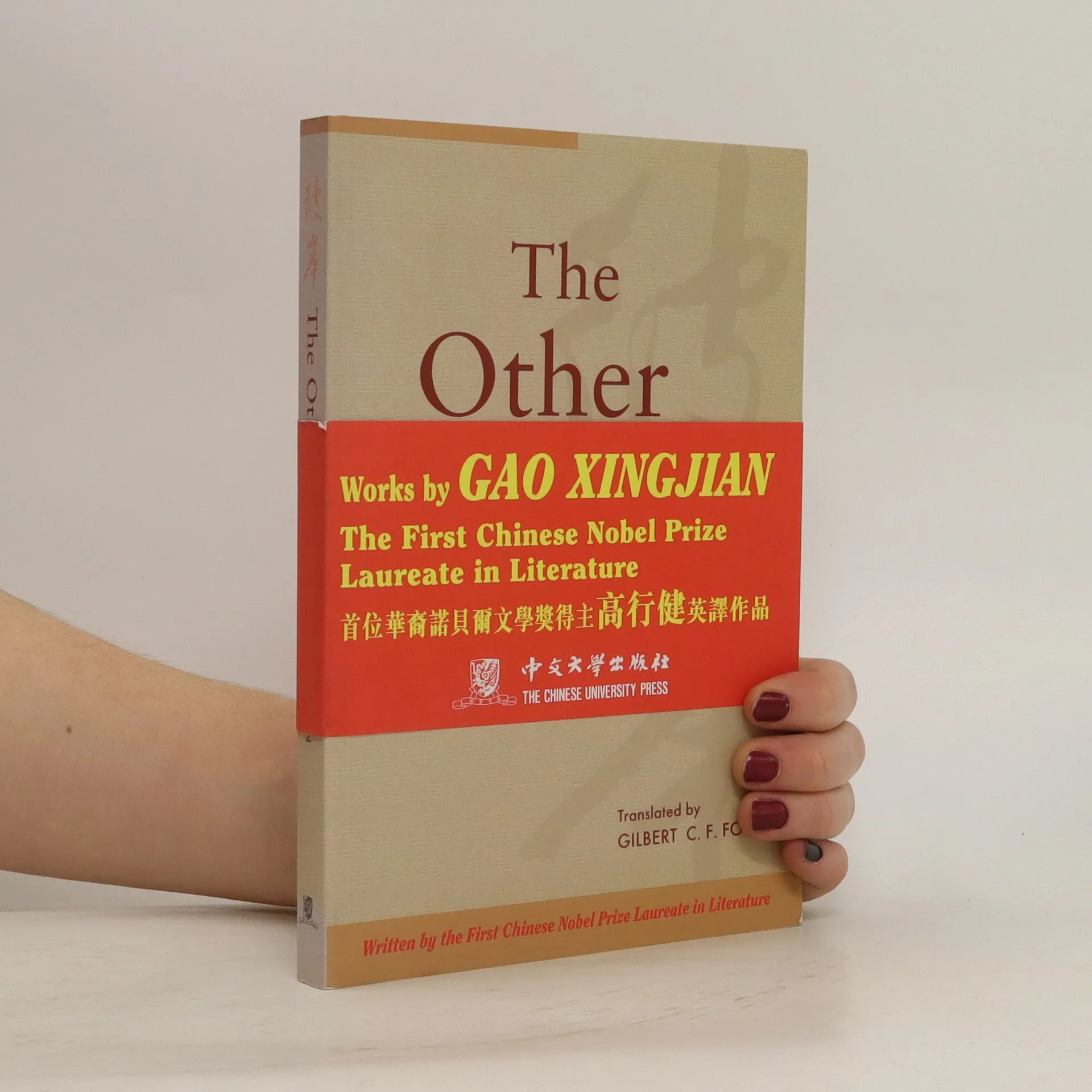
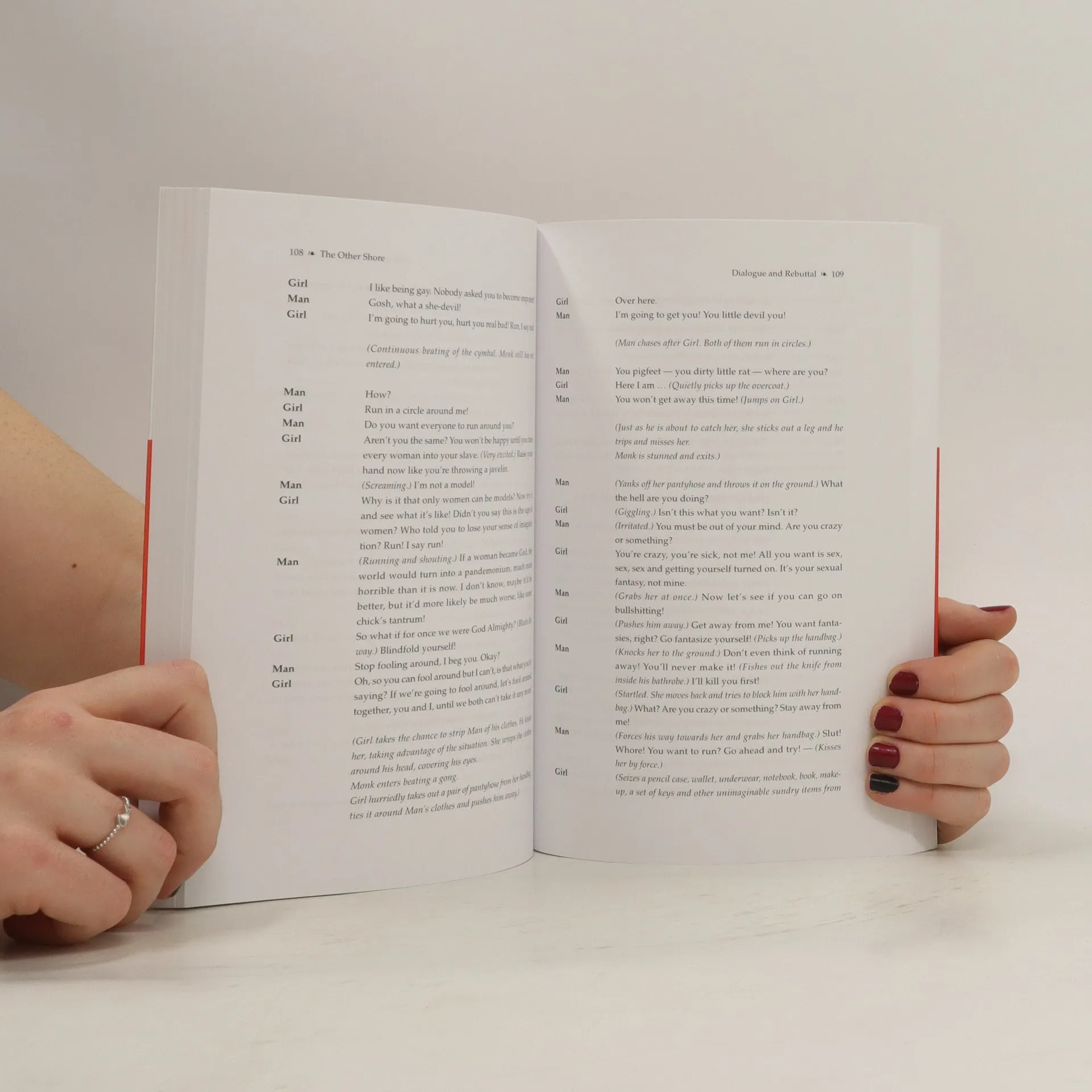
When Gao Xingjian won the Nobel Prize for Literature in 2000, he became the only Chinese writer to achieve such international acclaim. The Chinese University Press is the first publisher of his work in the English language. Indeed, The Other Shore is one of the few works by the author available in English today. The Other Shore: Plays by Gao Xingjian contains five of Gao's most recent works: The Other Shore (1986), Between Life and Death (1991), Dialogue and Rebuttal (1992), Nocturnal Wanderer (1993), and Weekend Quartet (1995). With original imagery and in beautiful language, these plays illuminate the realities of life, death, sex, loneliness, and exile. The plays also show the dramatist's idea of the tripartite actor, a process by which the actor neutralizes himself and achieves a disinterested observation of his self in performance. An introduction by the translator describes the dramatist and his view on drama.
Achat du livre
The Other Shore, Gao Xingjian
- Langue

- Année de publication
- 1999
- Reliure
- (souple)
Modes de paiement
Il manque plus que ton avis ici.
- Titre
- The Other Shore
- Langue
- Anglais
- Auteurs
- Gao Xingjian
- Éditeur
- Chinese University Press
- Publié
- 1999
- Format
- souple
- Pages
- 312
- ISBN10
- 9622018629
- ISBN13
- 9789622018624
- Séries
- Catégories
- Évaluation
- 3,5 sur 5
- Description
- When Gao Xingjian won the Nobel Prize for Literature in 2000, he became the only Chinese writer to achieve such international acclaim. The Chinese University Press is the first publisher of his work in the English language. Indeed, The Other Shore is one of the few works by the author available in English today. The Other Shore: Plays by Gao Xingjian contains five of Gao's most recent works: The Other Shore (1986), Between Life and Death (1991), Dialogue and Rebuttal (1992), Nocturnal Wanderer (1993), and Weekend Quartet (1995). With original imagery and in beautiful language, these plays illuminate the realities of life, death, sex, loneliness, and exile. The plays also show the dramatist's idea of the tripartite actor, a process by which the actor neutralizes himself and achieves a disinterested observation of his self in performance. An introduction by the translator describes the dramatist and his view on drama.