

Paramètres
En savoir plus sur le livre
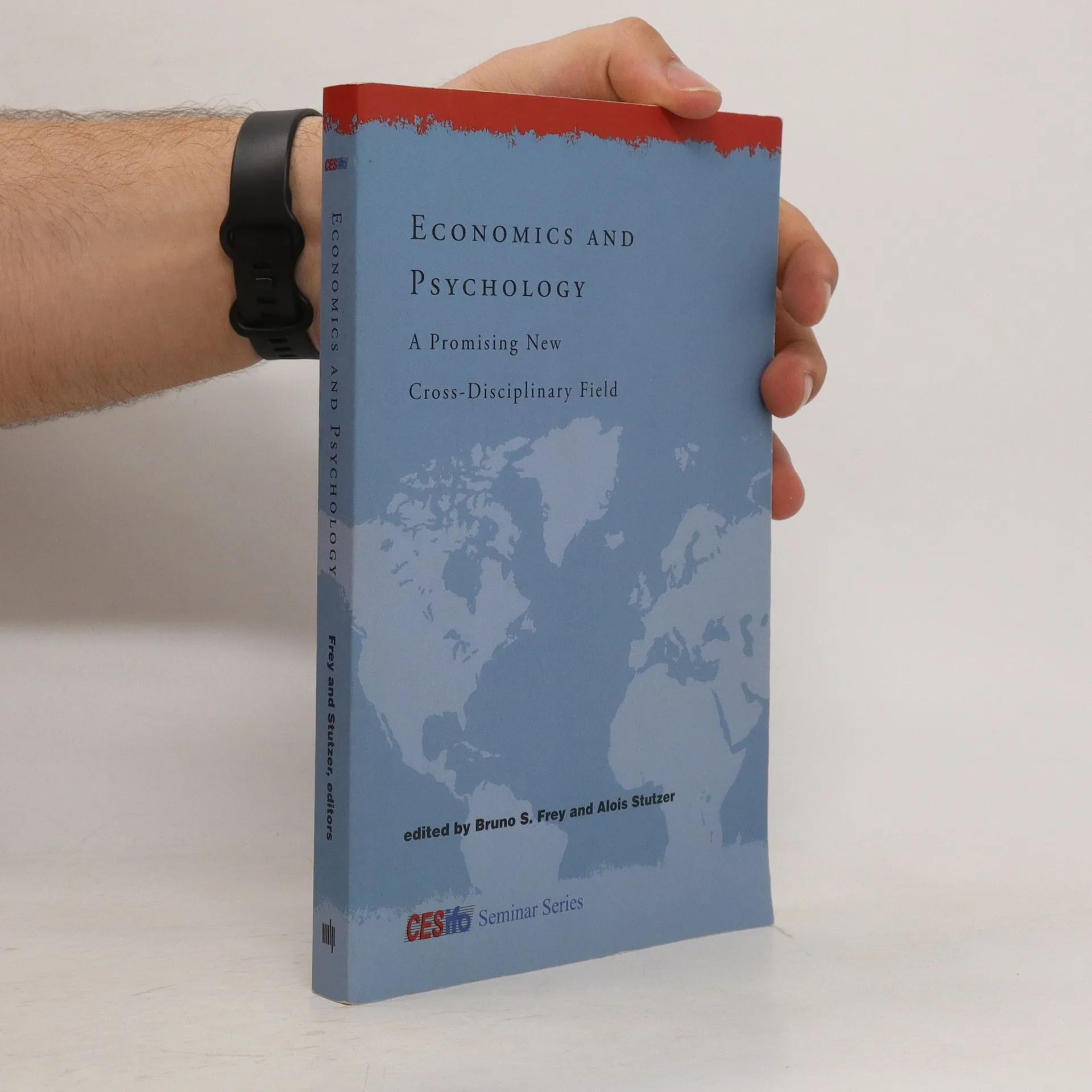
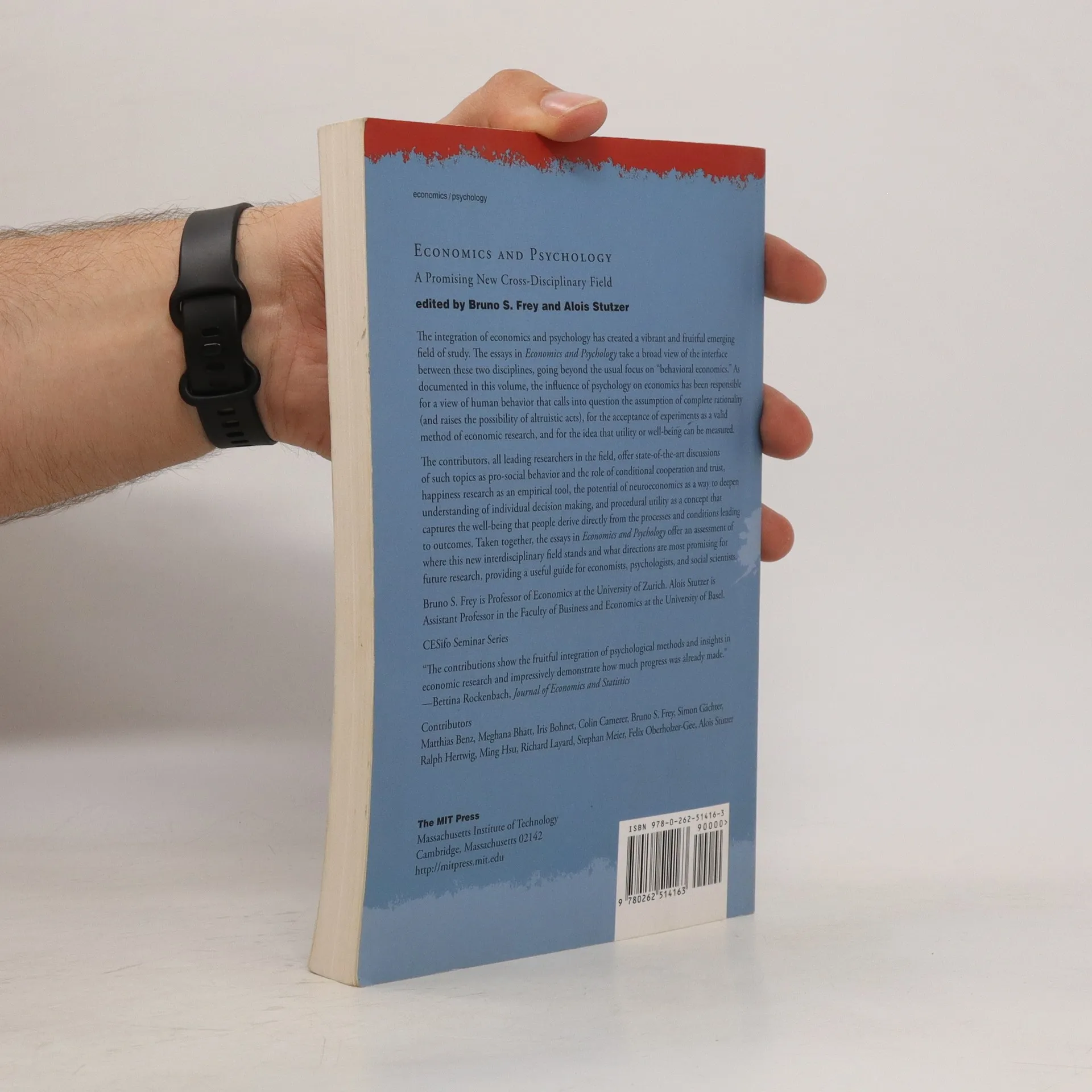
The integration of economics and psychology has created a vibrant and fruitful emerging field of study. The essays in Economics and Psychology take a broad view of the interface between these two disciplines, going beyond the usual focus on behavioral economics. As documented in this volume, the influence of psychology on economics has been responsible for a view of human behavior that calls into question the assumption of complete rationality (and raises the possibility of altruistic acts), the acceptance of experiments as a valid method of economic research, and the idea that utility or well-being can be measured. The contributors, all leading researchers in the field, offer state-of-the-art discussions of such topics as pro-social behavior and the role of conditional cooperation and trust, happiness research as an empirical tool, the potential of neuroeconomics as a way to deepen understanding of individual decision making, and procedural utility as a concept that captures the well-being people derive directly from the processes and conditions leading to outcomes. Taken together, the essays in Economics and Psychology offer an assessment of where this new interdisciplinary field stands and what directions are most promising for future research, providing a useful guide for economists, psychologists, and social scientists.
Achat du livre
Economics and Psychology, Alois Stutzer, Bruno S. Frey
- Langue

- Année de publication
- 2007
- Reliure
- (souple)
Modes de paiement
Il manque plus que ton avis ici.
- Titre
- Economics and Psychology
- Langue
- Anglais
- Auteurs
- Alois Stutzer, Bruno S. Frey
- Éditeur
- MIT Press
- Publié
- 2007
- Format
- souple
- ISBN10
- 0262514168
- ISBN13
- 9780262514163
- Séries
- Mots clés
- Commerce, Thèmes psychologiques
- Évaluation
- 3,65 sur 5
- Description
- The integration of economics and psychology has created a vibrant and fruitful emerging field of study. The essays in Economics and Psychology take a broad view of the interface between these two disciplines, going beyond the usual focus on behavioral economics. As documented in this volume, the influence of psychology on economics has been responsible for a view of human behavior that calls into question the assumption of complete rationality (and raises the possibility of altruistic acts), the acceptance of experiments as a valid method of economic research, and the idea that utility or well-being can be measured. The contributors, all leading researchers in the field, offer state-of-the-art discussions of such topics as pro-social behavior and the role of conditional cooperation and trust, happiness research as an empirical tool, the potential of neuroeconomics as a way to deepen understanding of individual decision making, and procedural utility as a concept that captures the well-being people derive directly from the processes and conditions leading to outcomes. Taken together, the essays in Economics and Psychology offer an assessment of where this new interdisciplinary field stands and what directions are most promising for future research, providing a useful guide for economists, psychologists, and social scientists.