






Paramètres
En savoir plus sur le livre
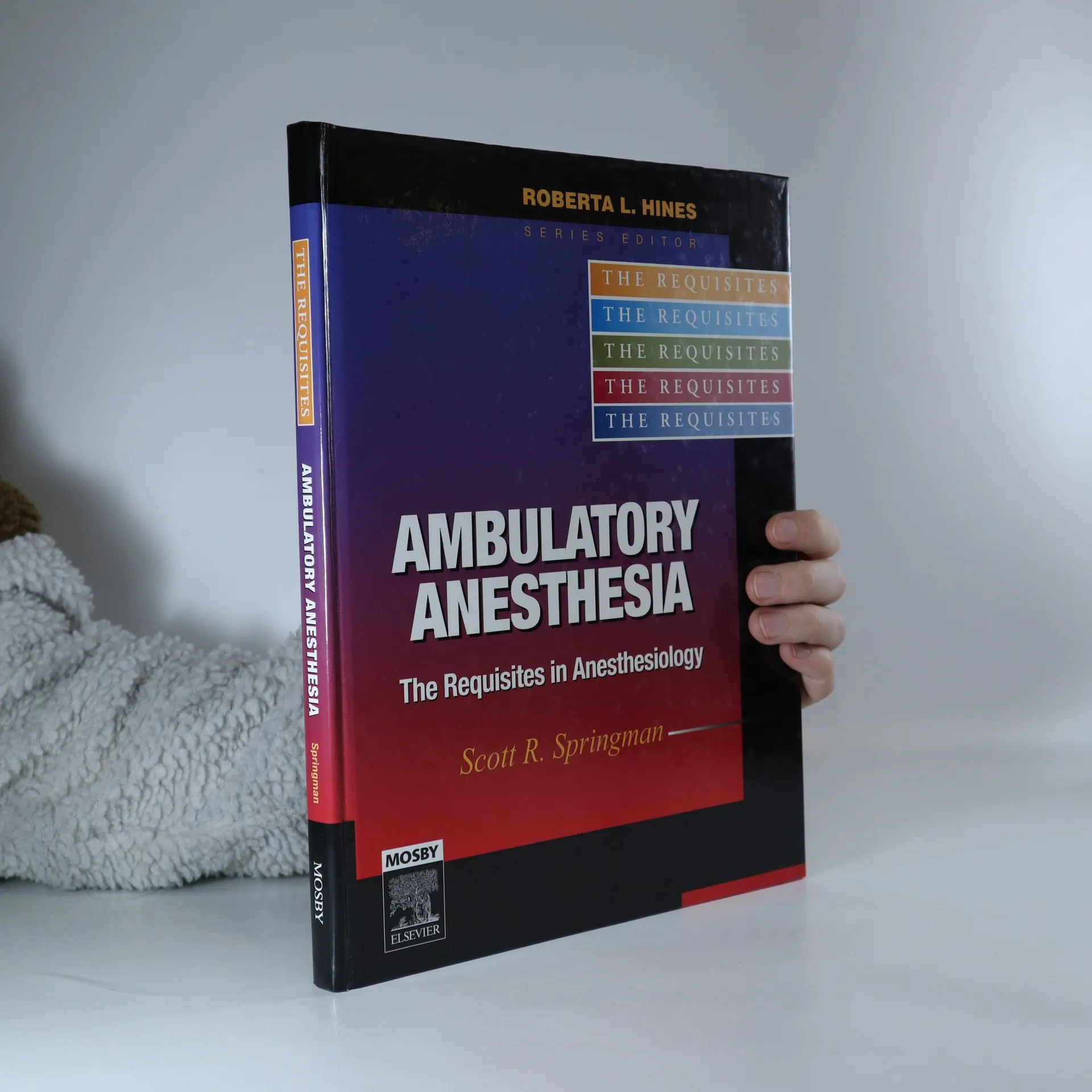
This volume in The Requisites in Anesthesiology Series presents essential knowledge for safe ambulatory anesthesia practice. It addresses anesthetic agents and adjunctive techniques that ensure rapid recovery with minimal side effects, while upholding high safety standards akin to those in hospital operating rooms. The content spans patient selection, anesthesia administration outside typical settings, and cost-effective practices. Each chapter includes case studies that illustrate the clinical relevance of the material and assess comprehension. The user-friendly, focused chapters make it suitable for both certification refreshers and everyday clinical reference. The logical chapter format aids in quick reference, while special boxes highlight relevant case studies, key points, controversies, and the pros and cons of various drugs, tests, techniques, and monitoring methods. Current practice guidelines are emphasized to promote the safe and effective use of approved techniques. Each chapter features up to three case studies, comprising clinical vignettes followed by questions and answers that evaluate mastery of the subject matter.
Achat du livre
Ambulatory Anesthesia, Scott R. Springman
- Langue

- Année de publication
- 2006
- Reliure
- (rigide)
Modes de paiement
Personne n'a encore évalué .
- Titre
- Ambulatory Anesthesia
- Langue
- Anglais
- Auteurs
- Scott R. Springman
- Éditeur
- Elsevier Health Sciences
- Publié
- 2006
- Format
- rigide
- ISBN10
- 0323032257
- ISBN13
- 9780323032254
- Séries
- Catégories
- Mots clés
- Santé & Médecine
- Description
- This volume in The Requisites in Anesthesiology Series presents essential knowledge for safe ambulatory anesthesia practice. It addresses anesthetic agents and adjunctive techniques that ensure rapid recovery with minimal side effects, while upholding high safety standards akin to those in hospital operating rooms. The content spans patient selection, anesthesia administration outside typical settings, and cost-effective practices. Each chapter includes case studies that illustrate the clinical relevance of the material and assess comprehension. The user-friendly, focused chapters make it suitable for both certification refreshers and everyday clinical reference. The logical chapter format aids in quick reference, while special boxes highlight relevant case studies, key points, controversies, and the pros and cons of various drugs, tests, techniques, and monitoring methods. Current practice guidelines are emphasized to promote the safe and effective use of approved techniques. Each chapter features up to three case studies, comprising clinical vignettes followed by questions and answers that evaluate mastery of the subject matter.