

En savoir plus sur le livre
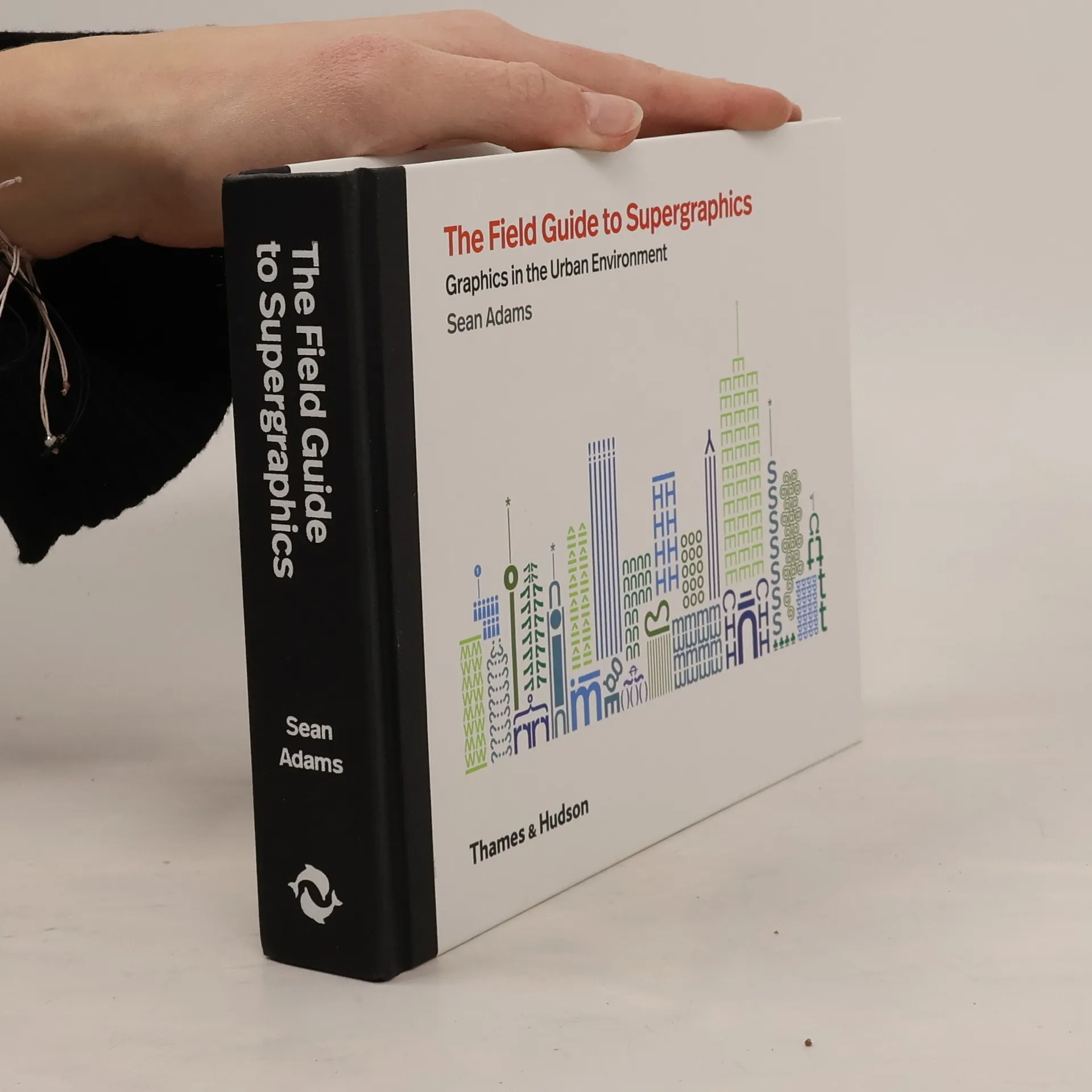
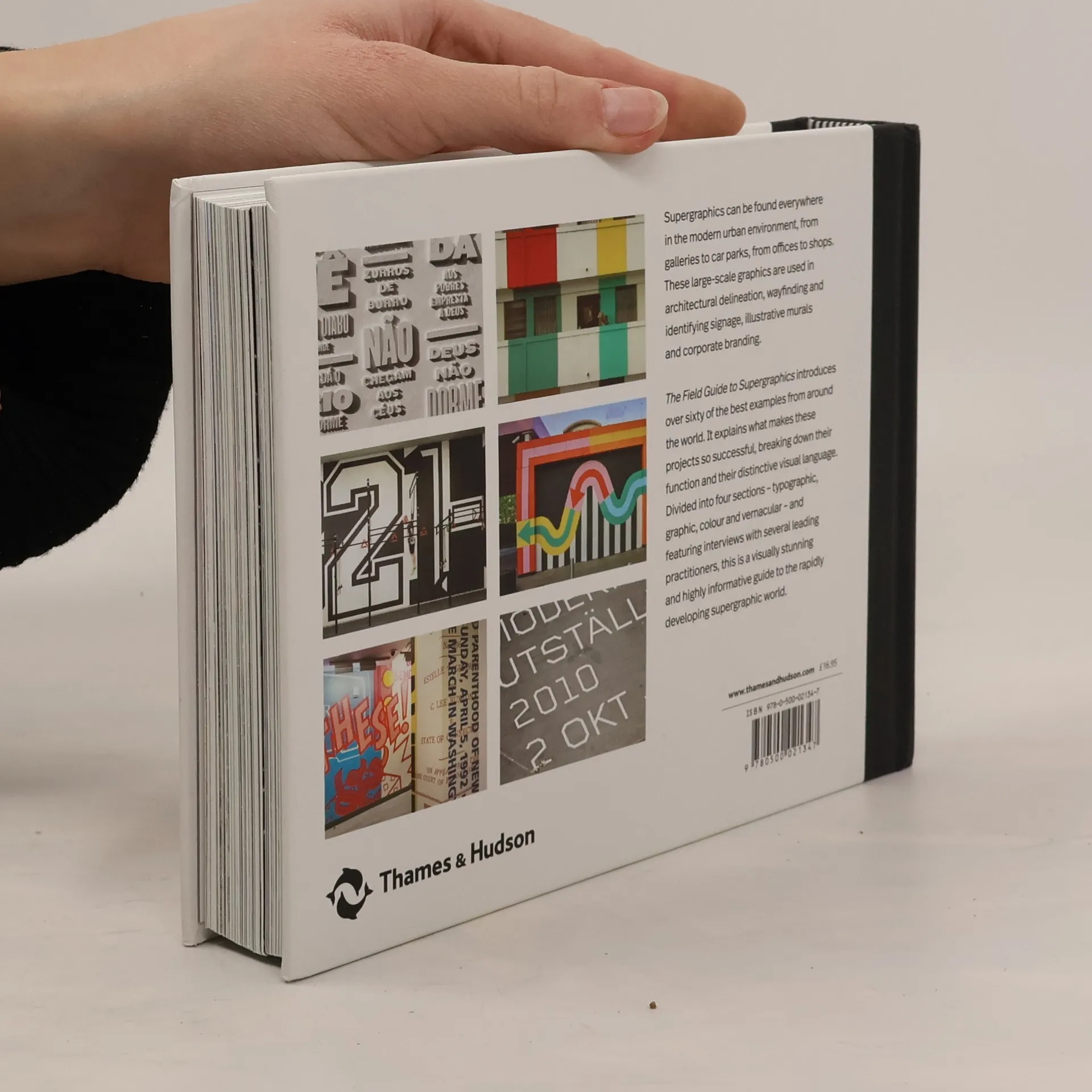
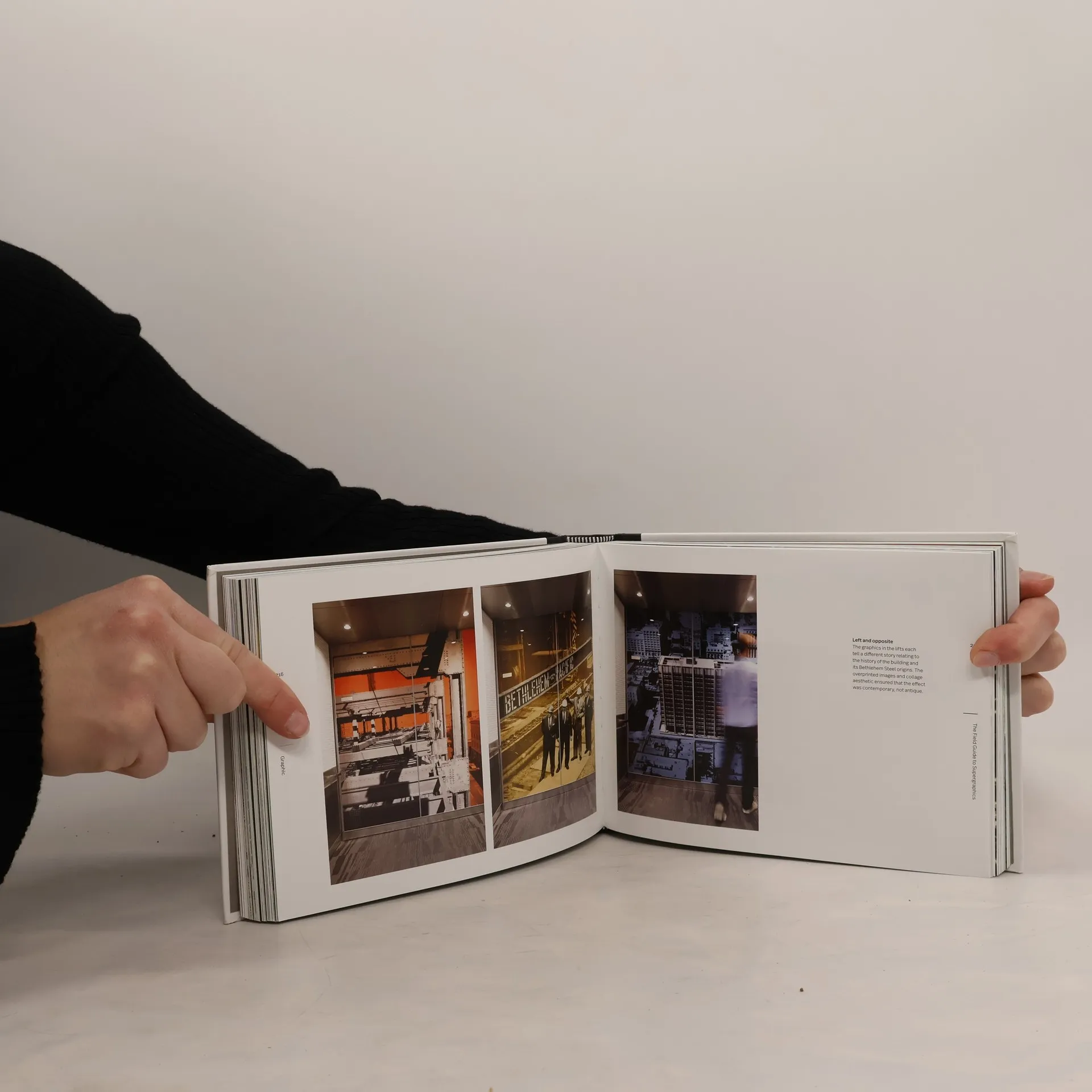
The definition of a supergraphic has changed over the last twenty years. Once, only a large decorative design on a wall or building was a supergraphic. Today it encompasses architectural delineation wayfinding and identifying signage, illustrative murals, and branding elements. A supergraphic can take the form of an enormous logo on the side of a building, a wall of multi-colored squares, or an oversized restroom symbol. Digital technology now allows for interaction and screen-based media on a large scale. The audience can now truly communicate with an architectural space in a unique and personal manner. The difference between a large overwrought design on the wall and a successful supergraphic is typically based on two points: a strong concept, and interaction with the architecture, light and space. Many people can paint stripes on a wall. But a designer can use the entire volume, sense place, context and changing environment to create a story with words, colour and shapes. This book includes examples of the best supergraphics internationally. These are evidence of the sense of delight when a beautifully crafted graphic solution and smart concept are married to remarkable architecture.
Achat du livre
The Field Guide to Supergraphics, Sean Adams
- Langue

- Année de publication
- 2018
- Reliure
- (rigide)
Modes de paiement
Il manque plus que ton avis ici.
- Titre
- The Field Guide to Supergraphics
- Langue
- Anglais
- Auteurs
- Sean Adams
- Éditeur
- Thames & Hudson Ltd
- Publié
- 2018
- Format
- rigide
- Pages
- 384
- ISBN10
- 0500021341
- ISBN13
- 9780500021347
- Séries
- Mots clés
- Évaluation
- 4,5 sur 5
- Description
- The definition of a supergraphic has changed over the last twenty years. Once, only a large decorative design on a wall or building was a supergraphic. Today it encompasses architectural delineation wayfinding and identifying signage, illustrative murals, and branding elements. A supergraphic can take the form of an enormous logo on the side of a building, a wall of multi-colored squares, or an oversized restroom symbol. Digital technology now allows for interaction and screen-based media on a large scale. The audience can now truly communicate with an architectural space in a unique and personal manner. The difference between a large overwrought design on the wall and a successful supergraphic is typically based on two points: a strong concept, and interaction with the architecture, light and space. Many people can paint stripes on a wall. But a designer can use the entire volume, sense place, context and changing environment to create a story with words, colour and shapes. This book includes examples of the best supergraphics internationally. These are evidence of the sense of delight when a beautifully crafted graphic solution and smart concept are married to remarkable architecture.