


Paramètres
- 240pages
- 9 heures de lecture
En savoir plus sur le livre
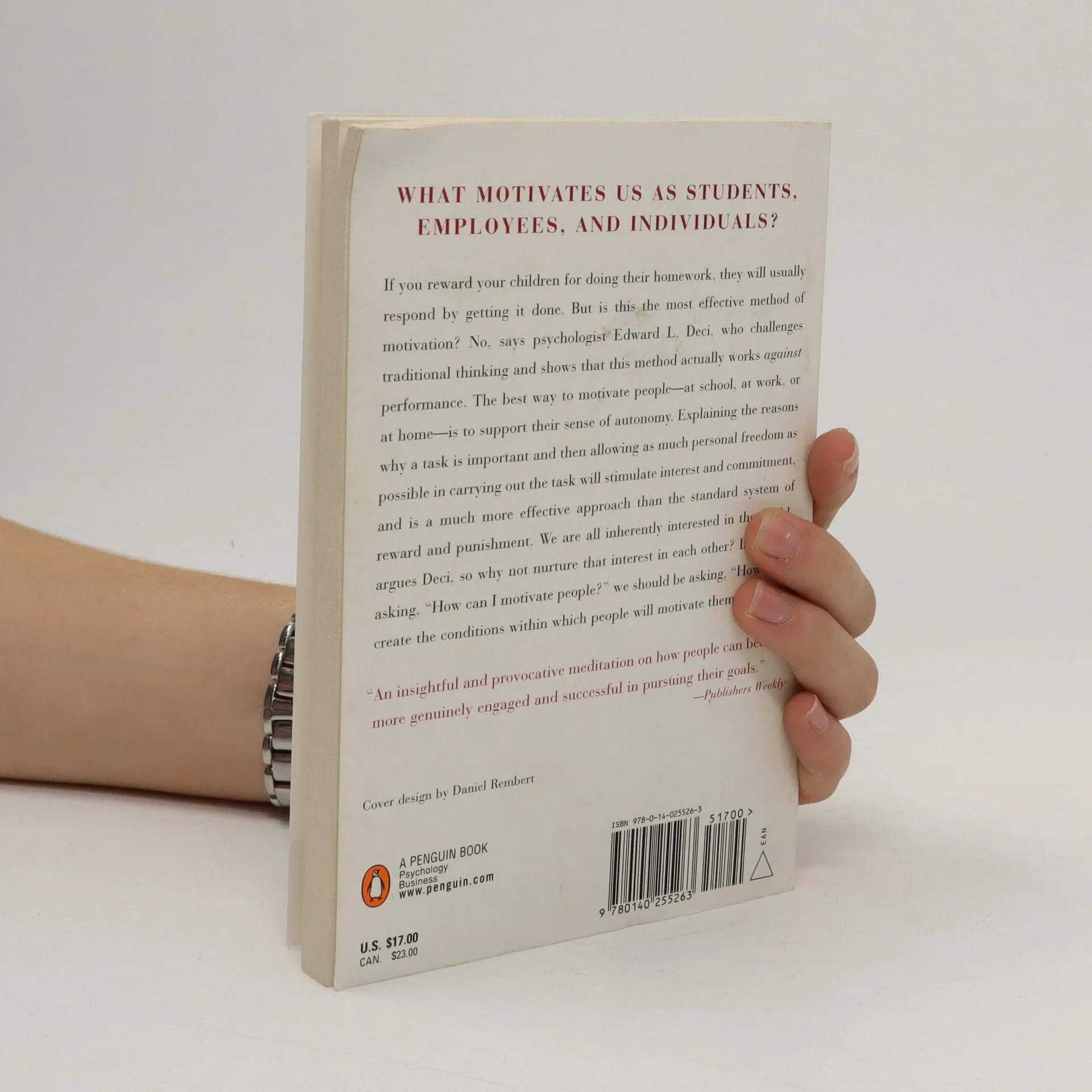
If you reward your children for doing their homework, they will usually respond by getting it done. But is this the most effective method of motivation? No, says psychologist Edward L. Deci, who challenges traditional thinking and shows that this method actually works against performance. The best way to motivate people—at school, at work, or at home—is to support their sense of autonomy. Explaining the reasons why a task is important and then allowing as much personal freedom as possible in carrying out the task will stimulate interest and commitment, and is a much more effective approach than the standard system of reward and punishment. We are all inherently interested in the world, argues Deci, so why not nurture that interest in each other? Instead of asking, "How can I motivate people?" we should be asking, "How can I create the conditions within which people will motivate themselves?""An insightful and provocative meditation on how people can become more genuinely engaged and succesful in pursuing their goals." —Publisher's Weekly
Achat du livre
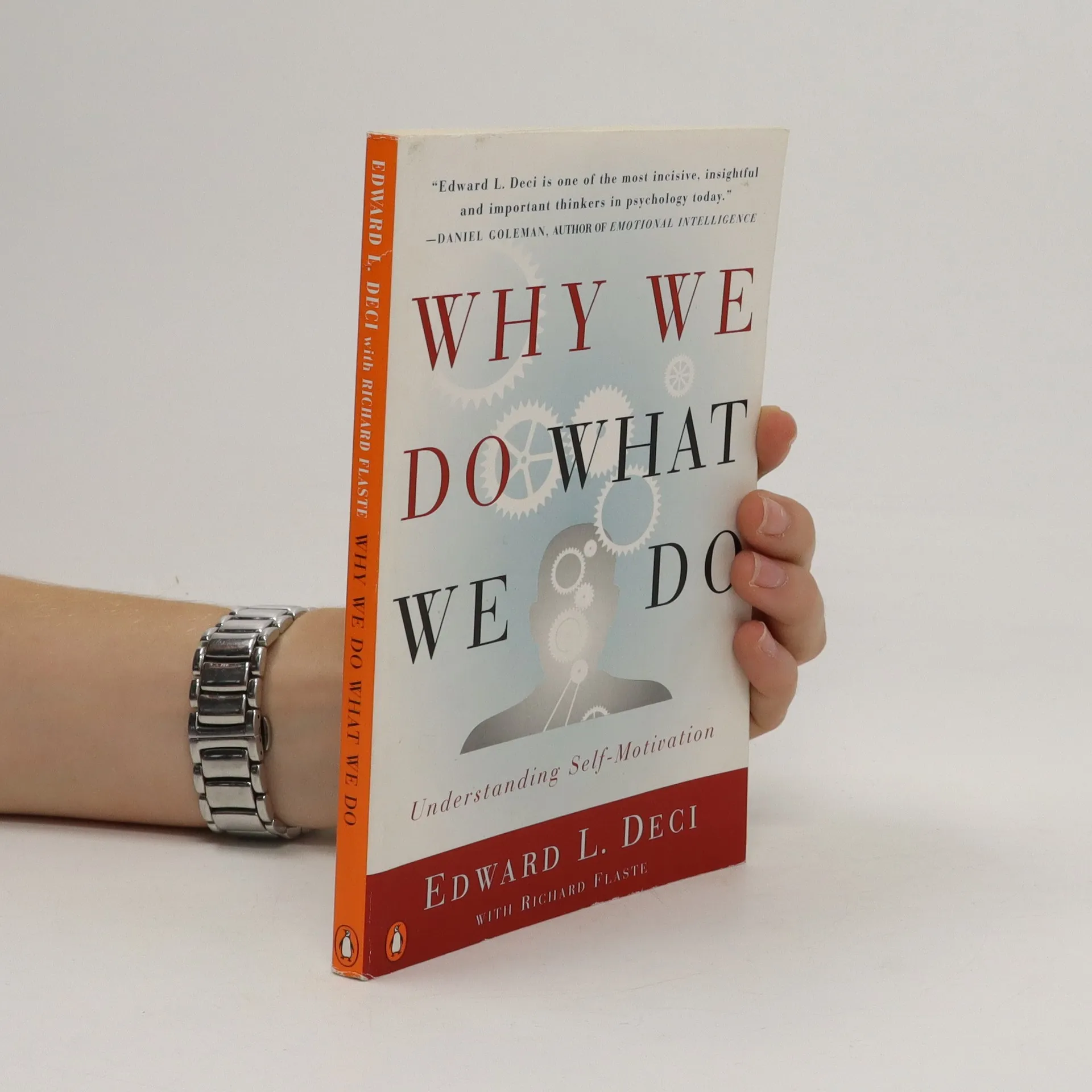
Why we do what we do, Edward L. Deci, Richard Flaste
- Langue

- Année de publication
- 1995
- Reliure
- (souple)
Modes de paiement
Il manque plus que ton avis ici.
- Titre
- Why we do what we do
- Langue
- Anglais
- Auteurs
- Edward L. Deci, Richard Flaste
- Éditeur
- Penguin Books
- Publié
- 1995
- Format
- souple
- Pages
- 240
- ISBN10
- 0140255265
- ISBN13
- 9780140255263
- Séries
- Recueil
- A Grosset/Putnam book
- Évaluation
- 4 sur 5
- Description
- If you reward your children for doing their homework, they will usually respond by getting it done. But is this the most effective method of motivation? No, says psychologist Edward L. Deci, who challenges traditional thinking and shows that this method actually works against performance. The best way to motivate people—at school, at work, or at home—is to support their sense of autonomy. Explaining the reasons why a task is important and then allowing as much personal freedom as possible in carrying out the task will stimulate interest and commitment, and is a much more effective approach than the standard system of reward and punishment. We are all inherently interested in the world, argues Deci, so why not nurture that interest in each other? Instead of asking, "How can I motivate people?" we should be asking, "How can I create the conditions within which people will motivate themselves?""An insightful and provocative meditation on how people can become more genuinely engaged and succesful in pursuing their goals." —Publisher's Weekly