

En savoir plus sur le livre
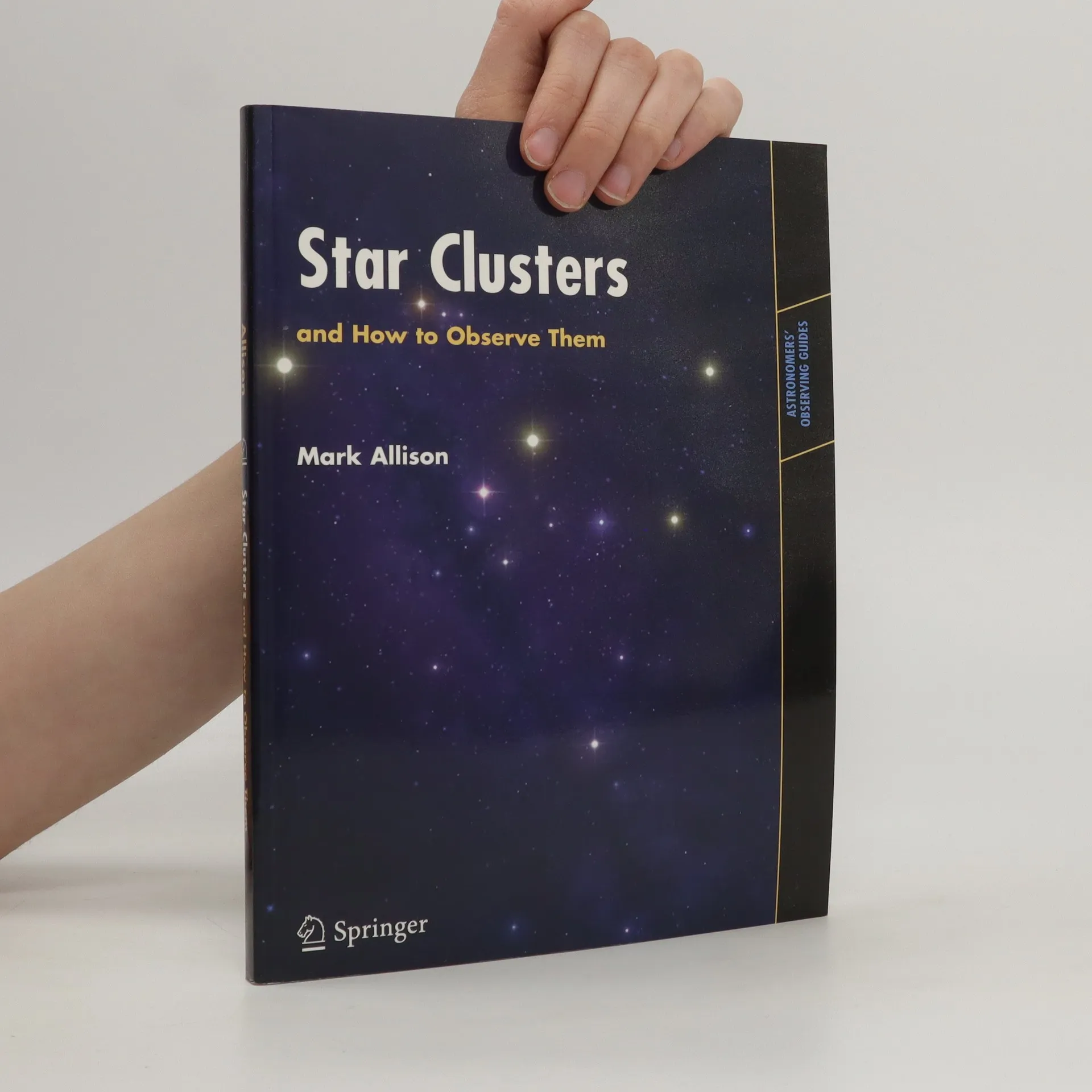
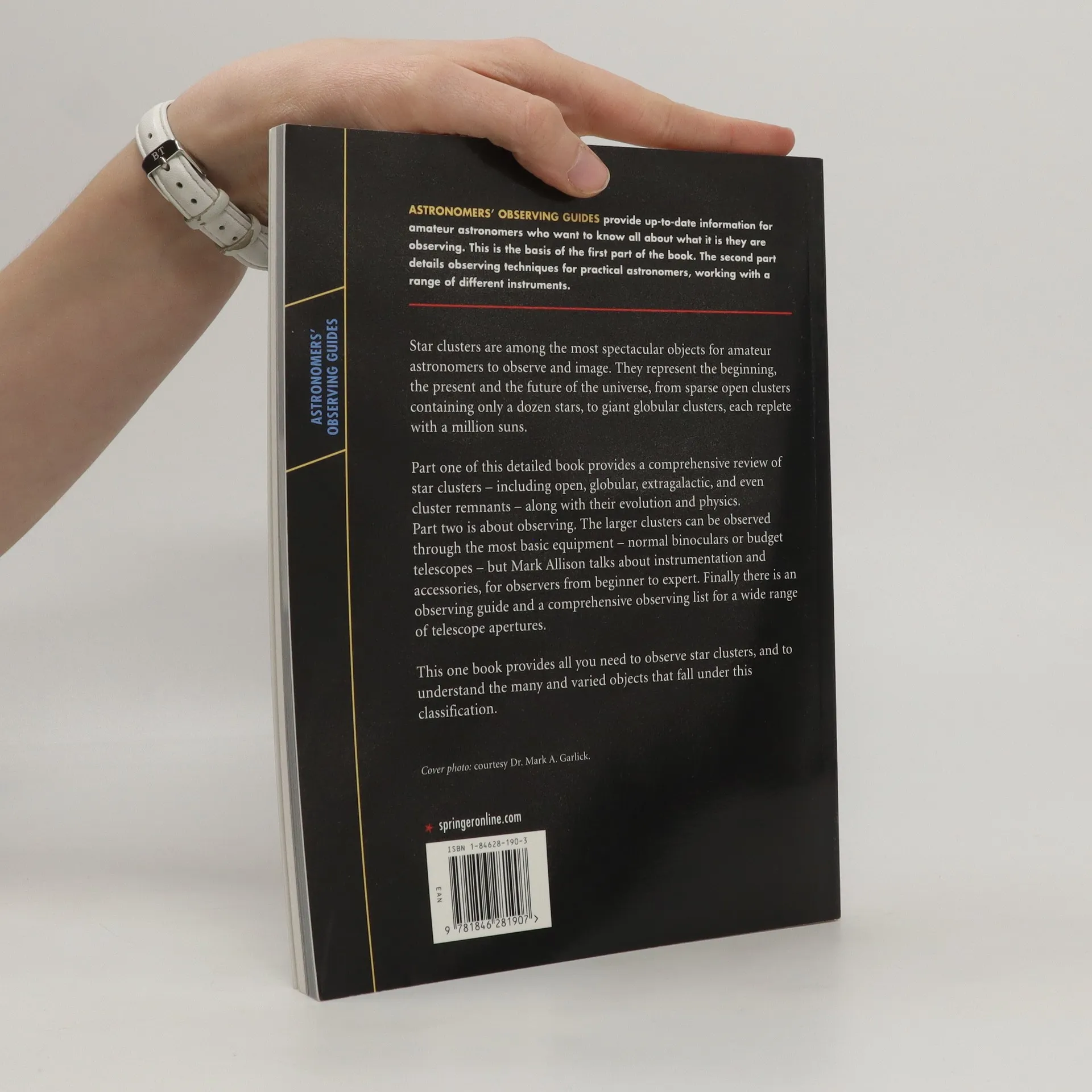
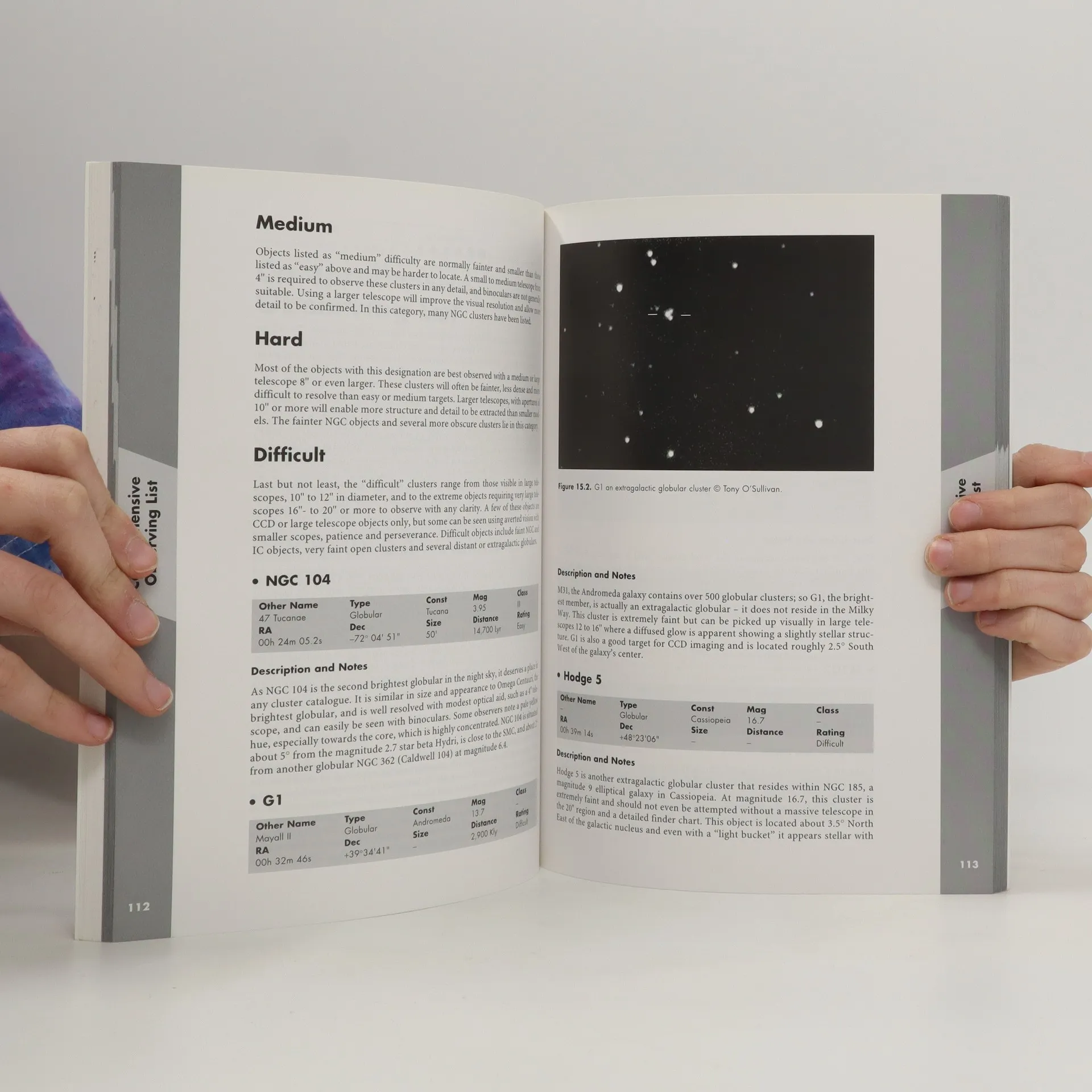
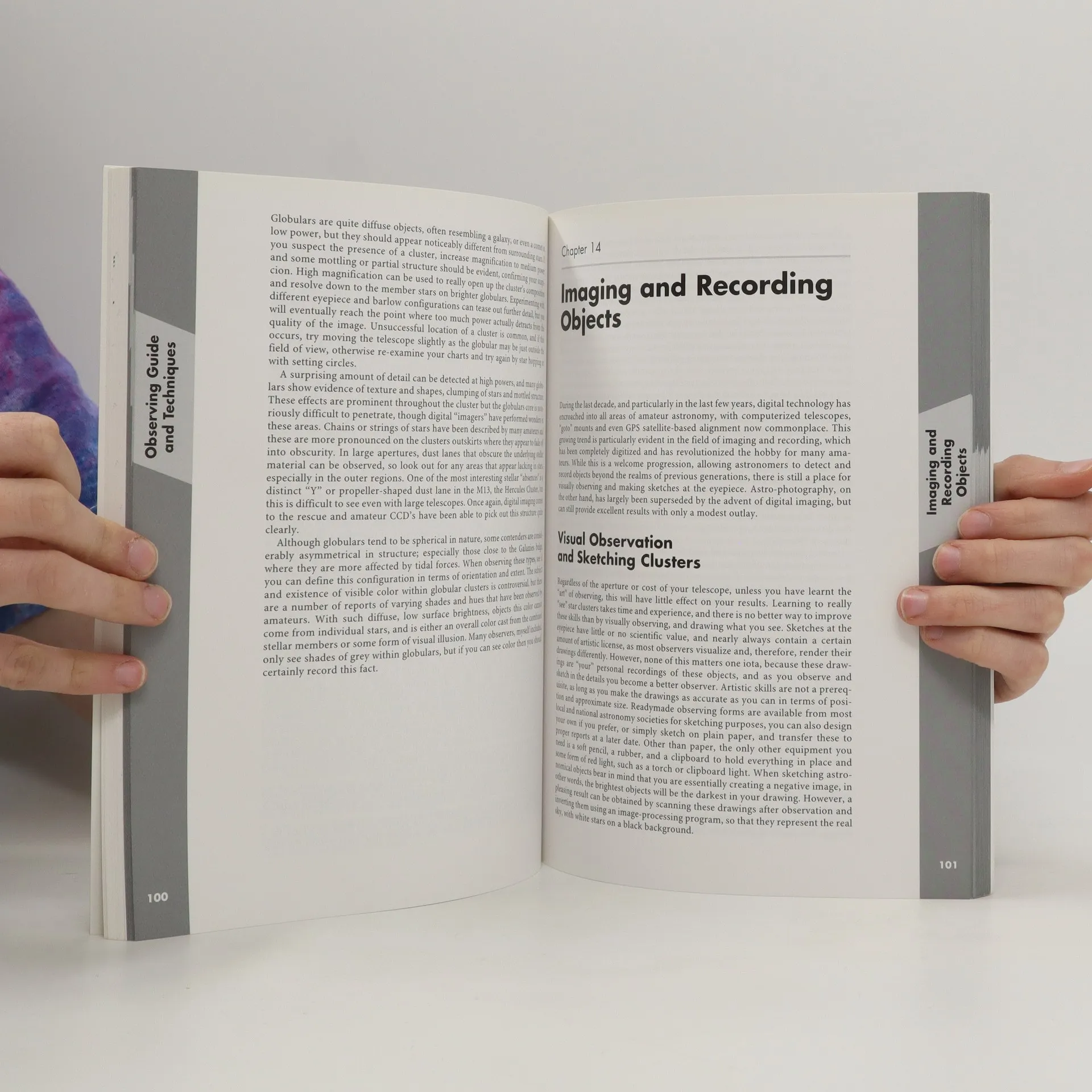
Astronomy enthusiasts will all appreciate the detailed yet easily-assimilated description of star clusters, how they were formed as our Milky Way galaxy, how they evolved, and how they are classified. The latest research has revealed a vast amount of fascinating information about the clusters, along with some spectacular photographs. Modern commercially-made telescopes enable amateur astronomers to see a surprising amount of detail, and to record – using CCD cameras, video, webcams or even film – some remarkably beautiful and detailed images. Contained here also is detailed information on using refractors, reflectors, and, of course, Meade and Celestron’s ubiquitous range of computer-controlled SCT telescopes.
Achat du livre
Star Clusters and How to Observe Them, Mark Allison
- Langue

- Année de publication
- 2006
- Reliure
- (souple)
Modes de paiement
Il manque plus que ton avis ici.
- Titre
- Star Clusters and How to Observe Them
- Langue
- Anglais
- Auteurs
- Mark Allison
- Éditeur
- Springer
- Publié
- 2006
- Format
- souple
- Pages
- 212
- ISBN10
- 1846281903
- ISBN13
- 9781846281907
- Mots clés
- Espace
- Évaluation
- 3,85 sur 5
- Description
- Astronomy enthusiasts will all appreciate the detailed yet easily-assimilated description of star clusters, how they were formed as our Milky Way galaxy, how they evolved, and how they are classified. The latest research has revealed a vast amount of fascinating information about the clusters, along with some spectacular photographs. Modern commercially-made telescopes enable amateur astronomers to see a surprising amount of detail, and to record – using CCD cameras, video, webcams or even film – some remarkably beautiful and detailed images. Contained here also is detailed information on using refractors, reflectors, and, of course, Meade and Celestron’s ubiquitous range of computer-controlled SCT telescopes.