

En savoir plus sur le livre
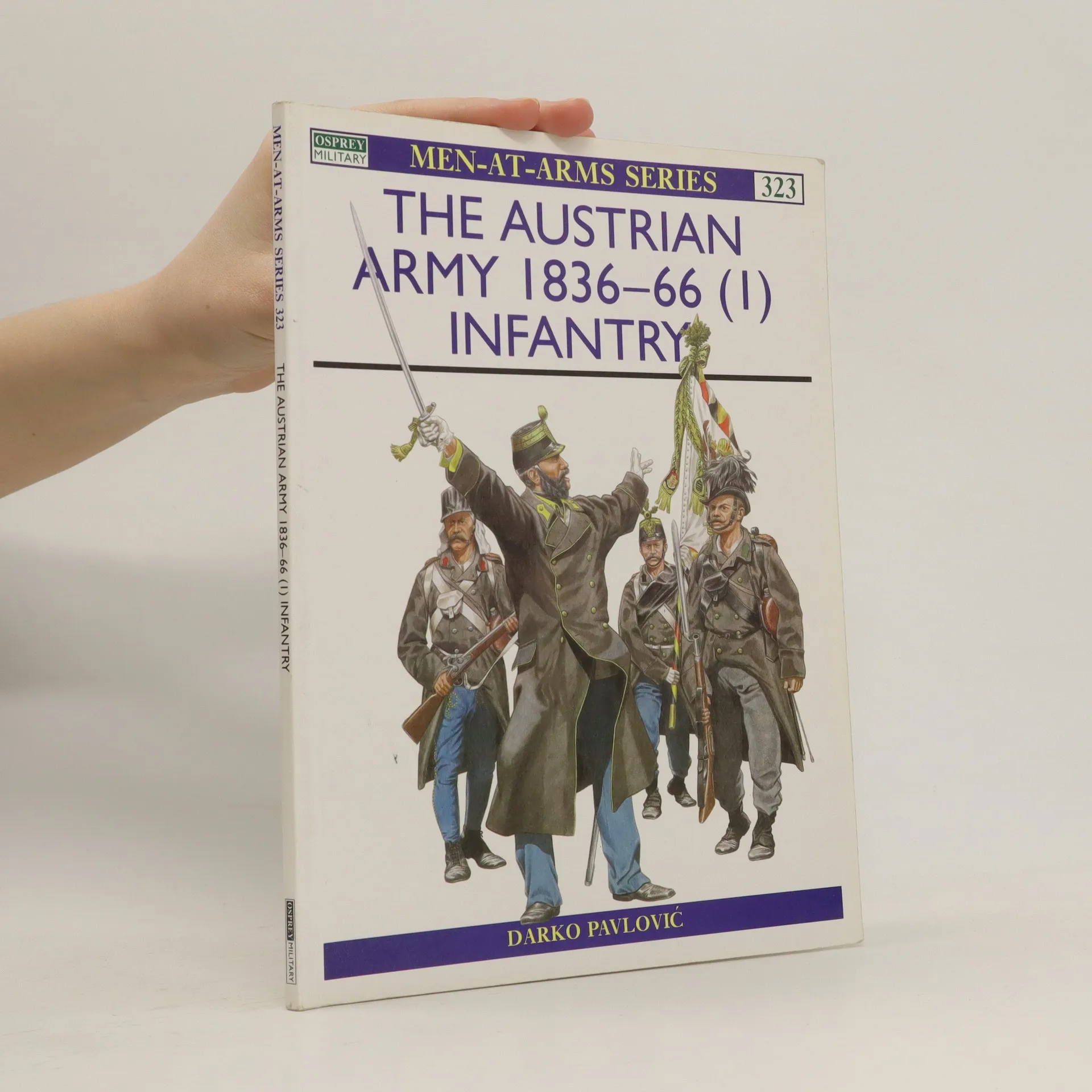
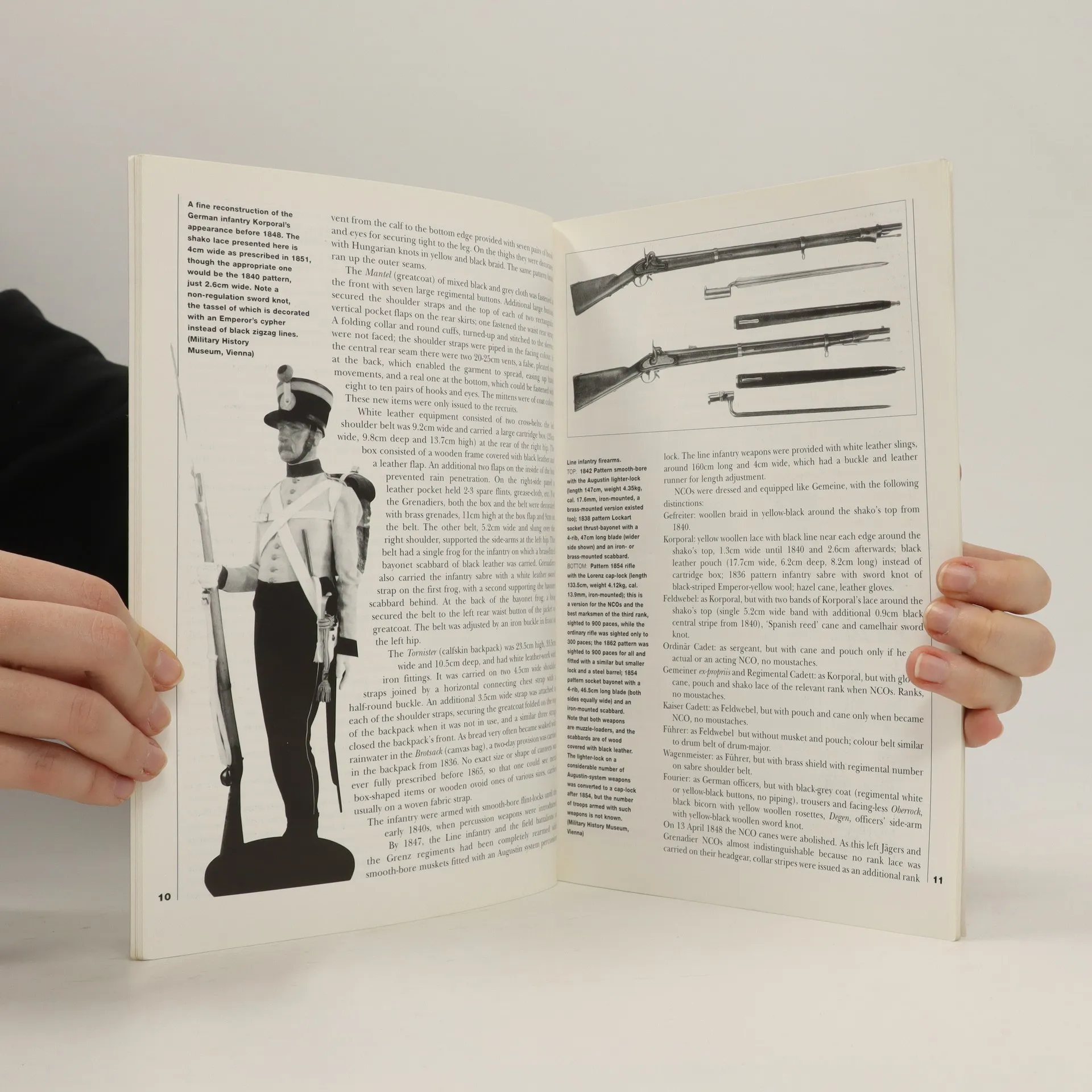
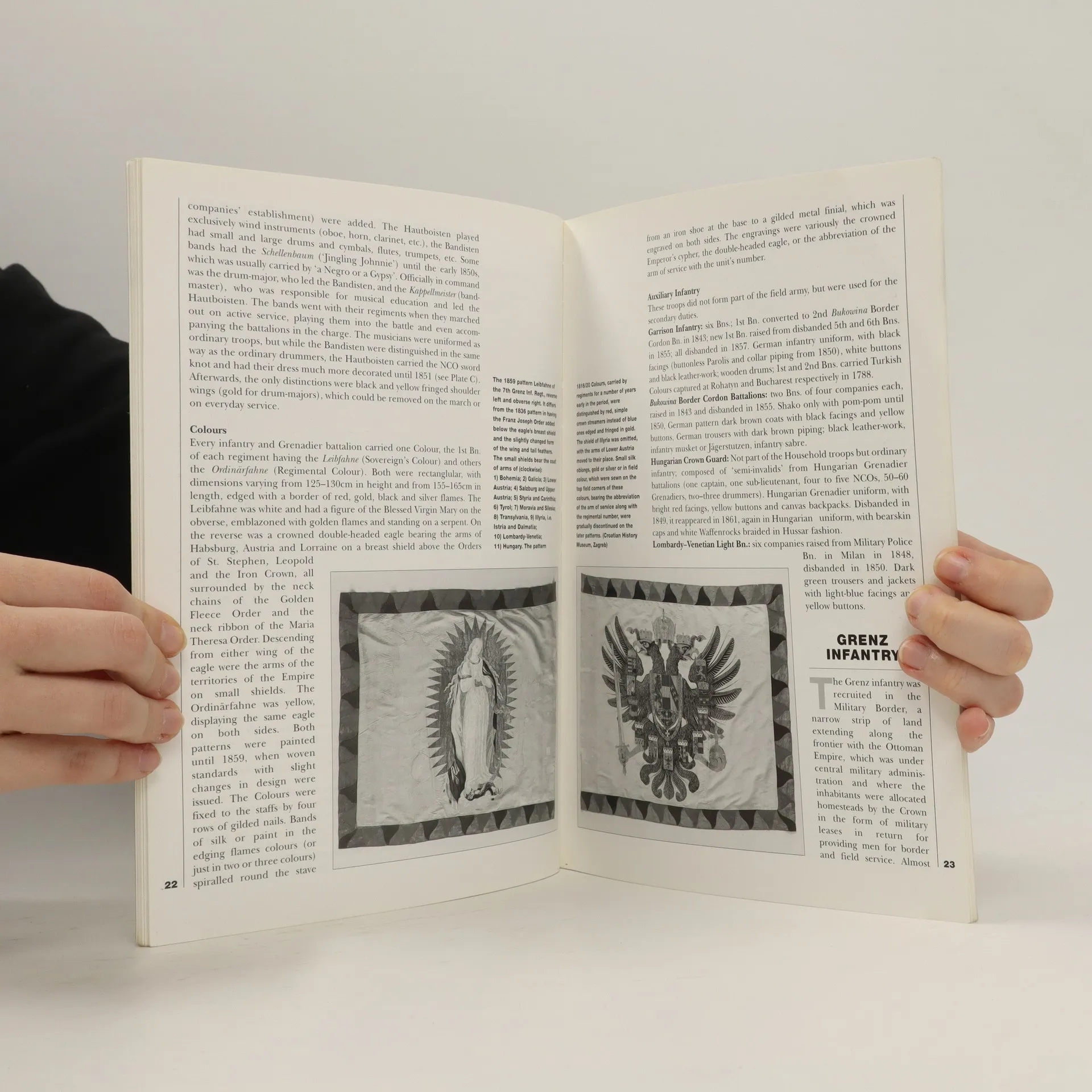
The huge, multi-national Austro-Hungarian army was a major factor in mid-19th century European politics. Sharing borders with ramshackle Ottoman Turkey and volatile Italy, the Empire was threatened both internally – by growing nationalist esentments – and externally by the ambitions of France and Prussia. The Imperial and Royal Army was representative of the Empire, its composition and gorgeously complex uniforms echoing the historical traditions of both German-speaking Middle Europe and the East-facing Hungarian borderlands. This detailed analysis of its cavalry arm – Kurassiers, Dragoons, Chevauxlegers, Hussars and Uhlans – follows the author/artist’s similar treatment of the Austro-Hungarian infantry in Men-at-Arms 323, and includes detailed tables of regimental distinctions.
Achat du livre
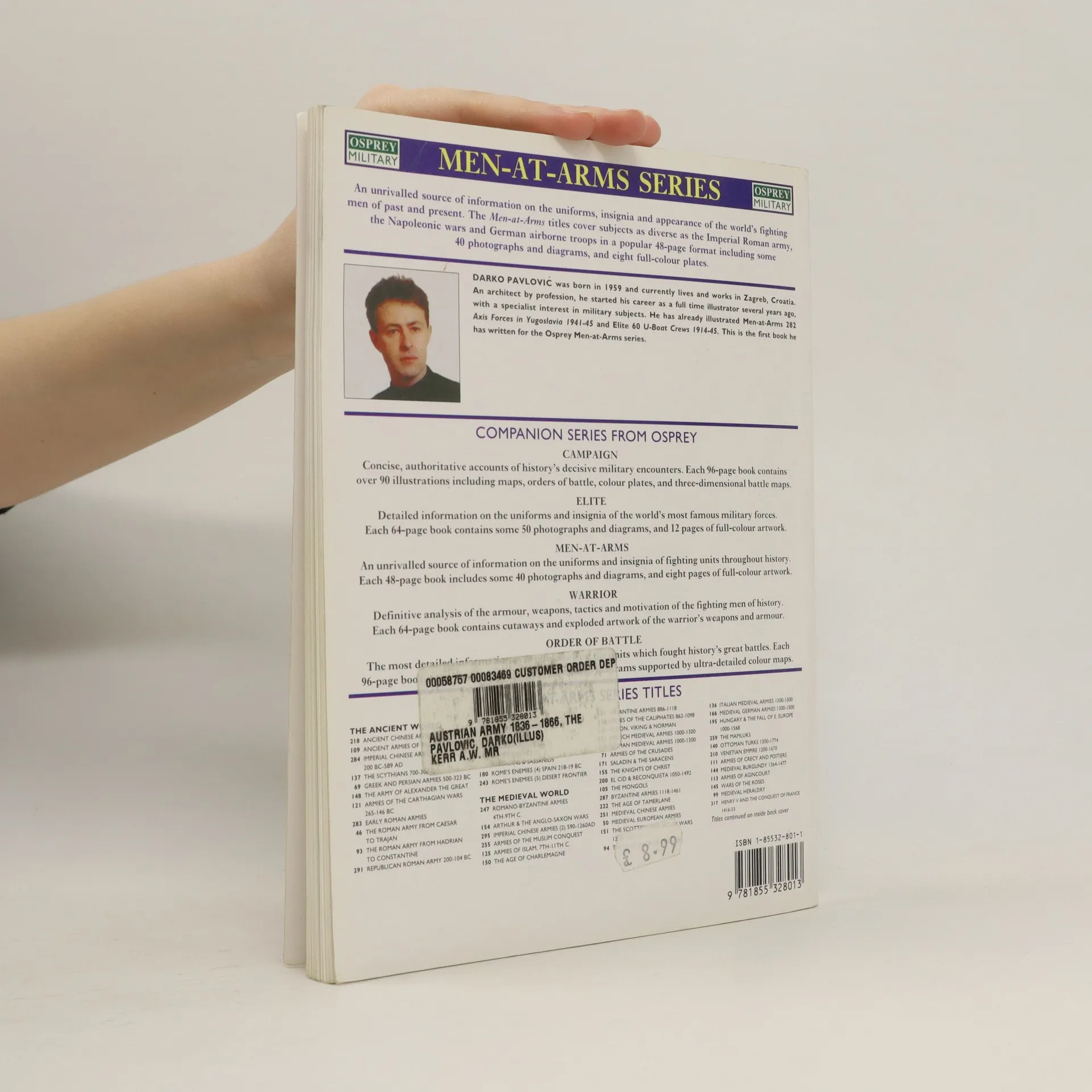
The Austrian Army 1836-66. 1. Infantry, Darko Pavlović
- Langue

- Année de publication
- 1999
- Reliure
- (souple)
Modes de paiement
Il manque plus que ton avis ici.
- Titre
- The Austrian Army 1836-66. 1. Infantry
- Langue
- Anglais
- Auteurs
- Darko Pavlović
- Publié
- 1999
- Format
- souple
- Pages
- 48
- ISBN10
- 1855328003
- ISBN13
- 9781855328006
- Séries
- Mots clés
- Thème historique
- Évaluation
- 3,7 sur 5
- Description
- The huge, multi-national Austro-Hungarian army was a major factor in mid-19th century European politics. Sharing borders with ramshackle Ottoman Turkey and volatile Italy, the Empire was threatened both internally – by growing nationalist esentments – and externally by the ambitions of France and Prussia. The Imperial and Royal Army was representative of the Empire, its composition and gorgeously complex uniforms echoing the historical traditions of both German-speaking Middle Europe and the East-facing Hungarian borderlands. This detailed analysis of its cavalry arm – Kurassiers, Dragoons, Chevauxlegers, Hussars and Uhlans – follows the author/artist’s similar treatment of the Austro-Hungarian infantry in Men-at-Arms 323, and includes detailed tables of regimental distinctions.