

En savoir plus sur le livre
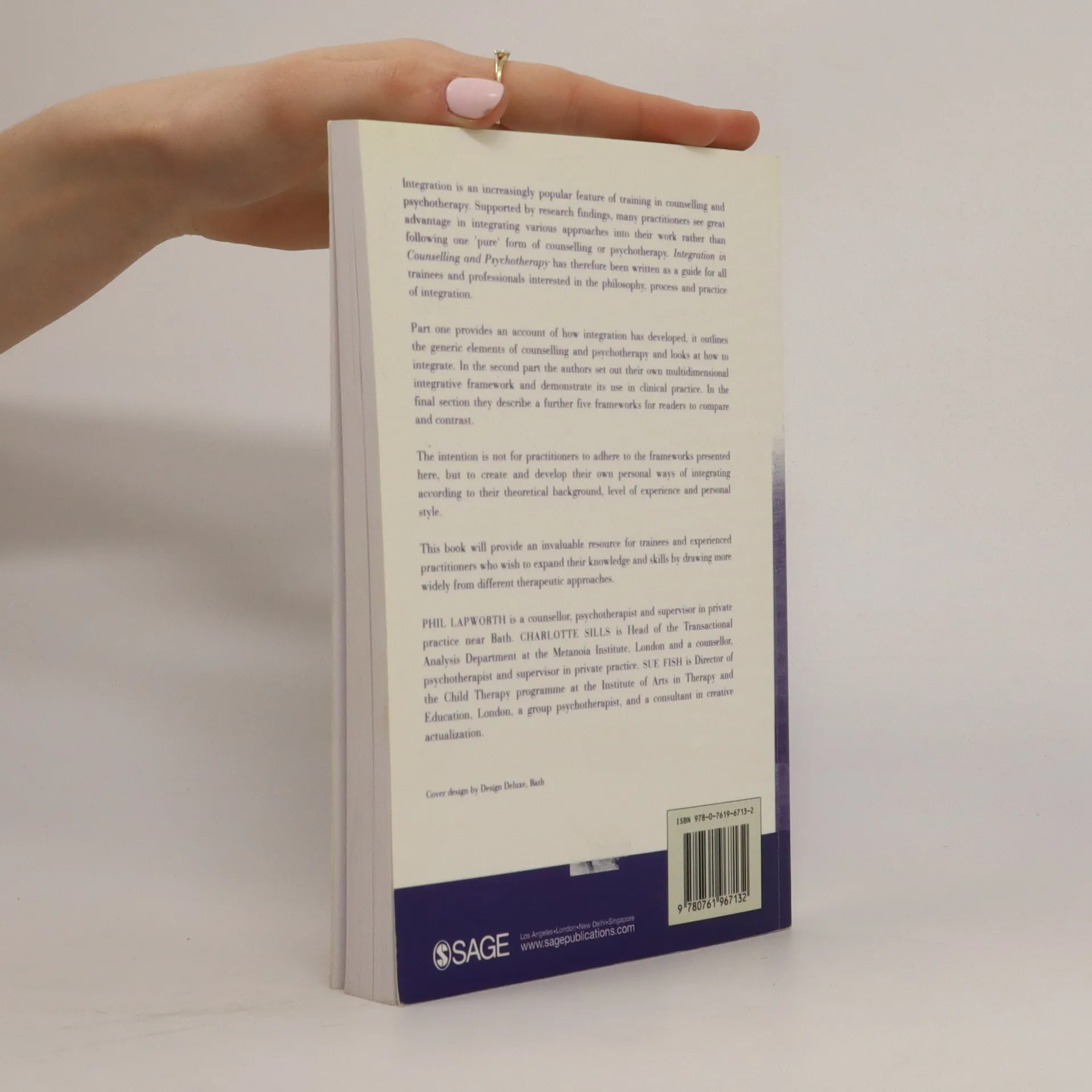
Supported by research findings, many practitioners see great advantage in integrating various approaches into their work rather than following one `pure' form of counselling or psychotherapy. Integration in Counselling and Psychotherapy has been written as a guide for trainees and professionals interested in the philosophy, process and practice of integration. Part One provides an account of how integration has developed, outlines the generic elements of counselling and psychotherapy, and looks at how to integrate. In Part Two the authors set out their own multidimensional integrative framework and demonstrate its use in clinical practice and in Part Three, they describe a further five frameworks for readers to com
Achat du livre
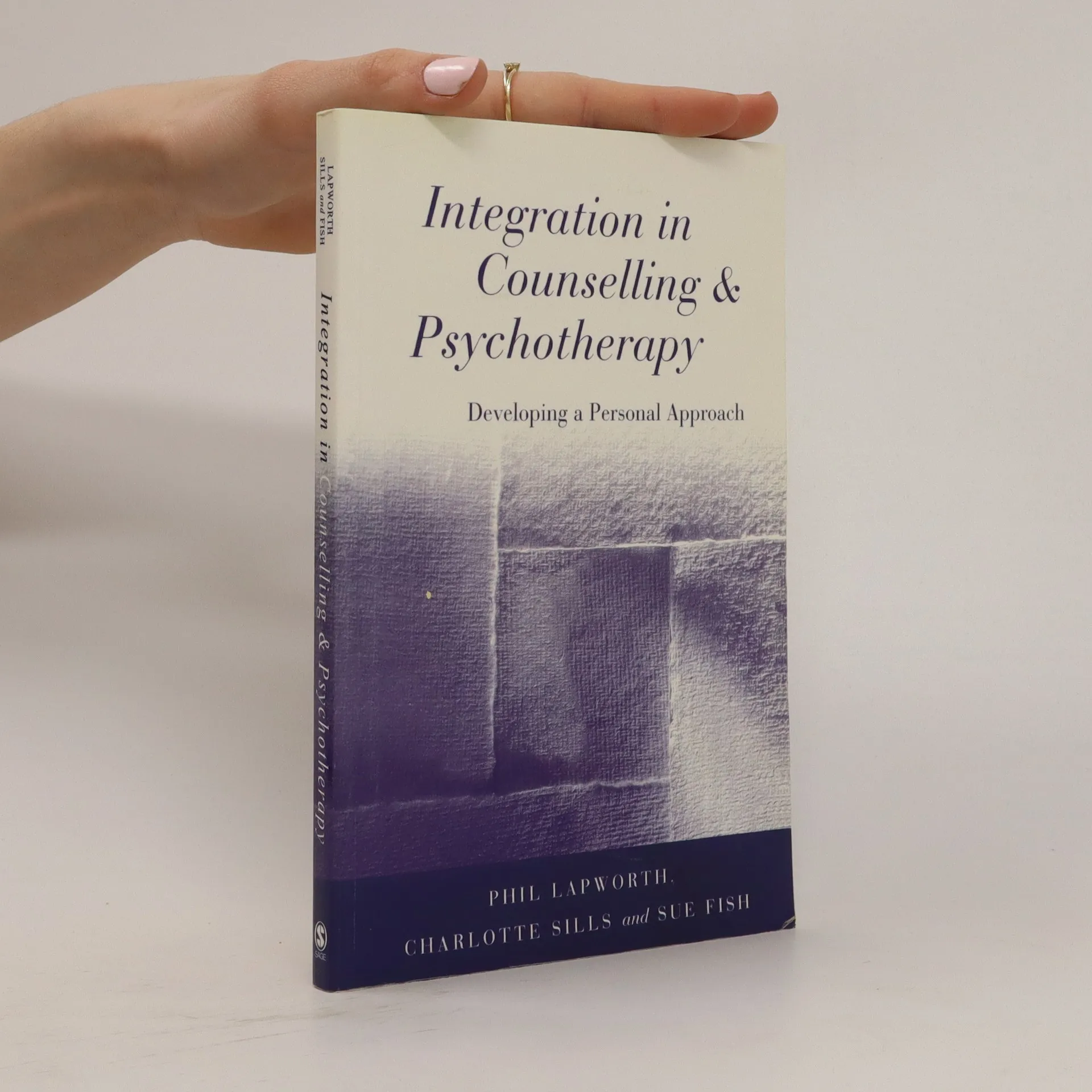
Integration in Counselling & Psychotherapy: Developing a Personal Approach, Phil Lapworth, Sue Fish, Charlotte Sills
- Langue

- Année de publication
- 2008
- Reliure
- (souple)
Modes de paiement
Il manque plus que ton avis ici.
- Titre
- Integration in Counselling & Psychotherapy: Developing a Personal Approach
- Langue
- Anglais
- Auteurs
- Phil Lapworth, Sue Fish, Charlotte Sills
- Éditeur
- Sage
- Publié
- 2008
- Format
- souple
- ISBN10
- 0761967133
- ISBN13
- 9780761967132
- Séries
- Mots clés
- Commerce, Psychothérapie
- Évaluation
- 4,2 sur 5
- Description
- Supported by research findings, many practitioners see great advantage in integrating various approaches into their work rather than following one `pure' form of counselling or psychotherapy. Integration in Counselling and Psychotherapy has been written as a guide for trainees and professionals interested in the philosophy, process and practice of integration. Part One provides an account of how integration has developed, outlines the generic elements of counselling and psychotherapy, and looks at how to integrate. In Part Two the authors set out their own multidimensional integrative framework and demonstrate its use in clinical practice and in Part Three, they describe a further five frameworks for readers to com