

En savoir plus sur le livre
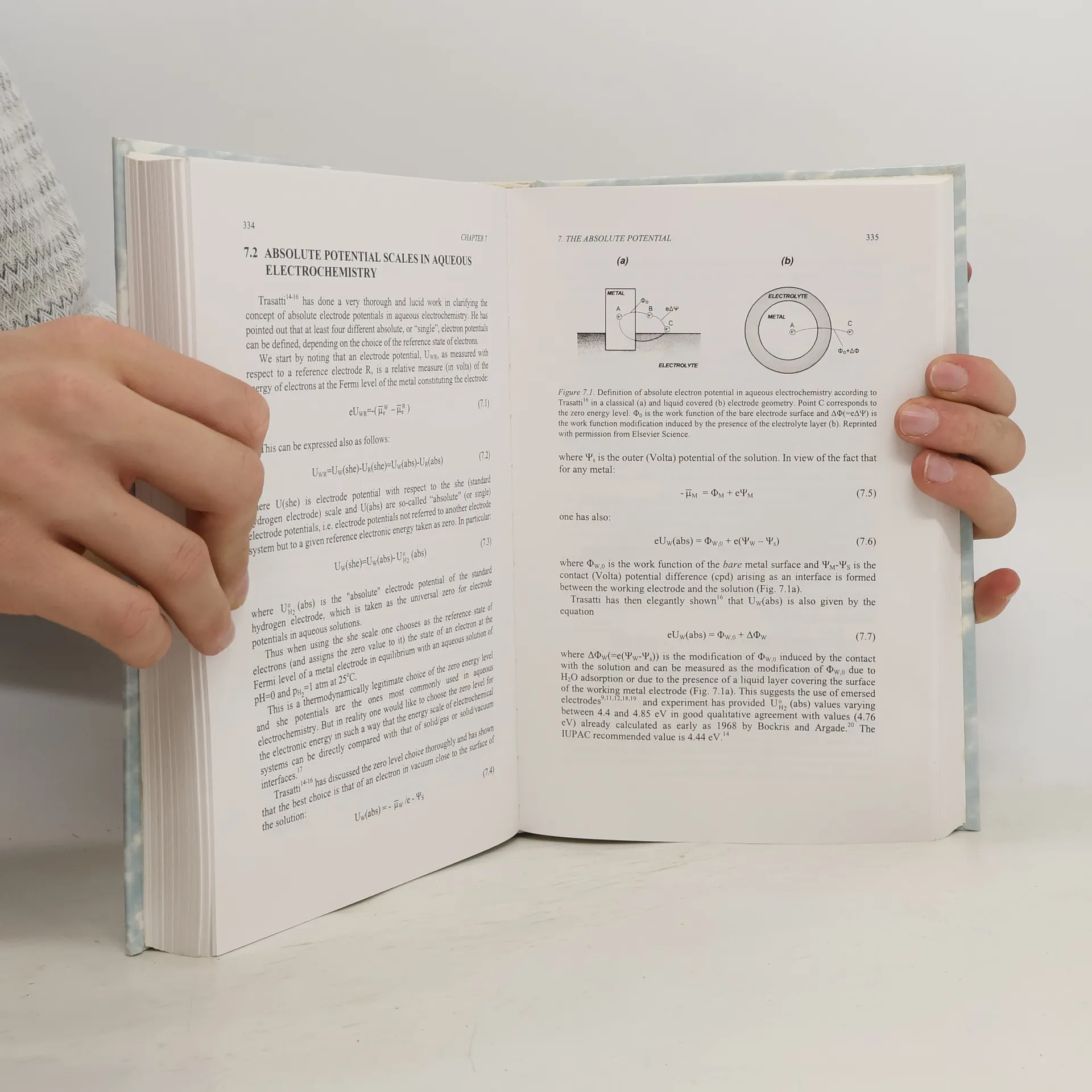
I knew nothing of the work of C. G. Vayenas on NEMCA until the early nineties. Then I learned from a paper of his idea (gas interface reactions could be catalyzed electrochemically), which seemed quite marvelous; but I did not understand how it worked. Consequently, I decided to correspond with Professor Vayenas in Patras, Greece, to reach a better understanding of this concept. I think that my early papers (1946, 1947, and 1957), on the relationship between the work function of metal surfaces and electron transfer reactions thereat to particles in solution, held me in good stead to be receptive to what Vayenas told me. As the electrode potential changes, so of course, does the work function at the interface, and gas metal reactions there involve adsorbed particles which have bonding to the surface. Whether electron transfer is complete in such a case, or whether the effect is on the desorption of radicals, the work function determines the strength of their bonding, and if one varies the work function by varying the electrode potential, one can vary the reaction rate at the interface. I got the idea. After that, it has been smooth sailing. Dr. Vayenas wrote a seminal article in Modern Aspects of Electrochemistry, Number 29, and brought the field into the public eye. It has since grown and its usefulness in chemical catalytic reactions has been demonstrated and verified worldwide.
Achat du livre
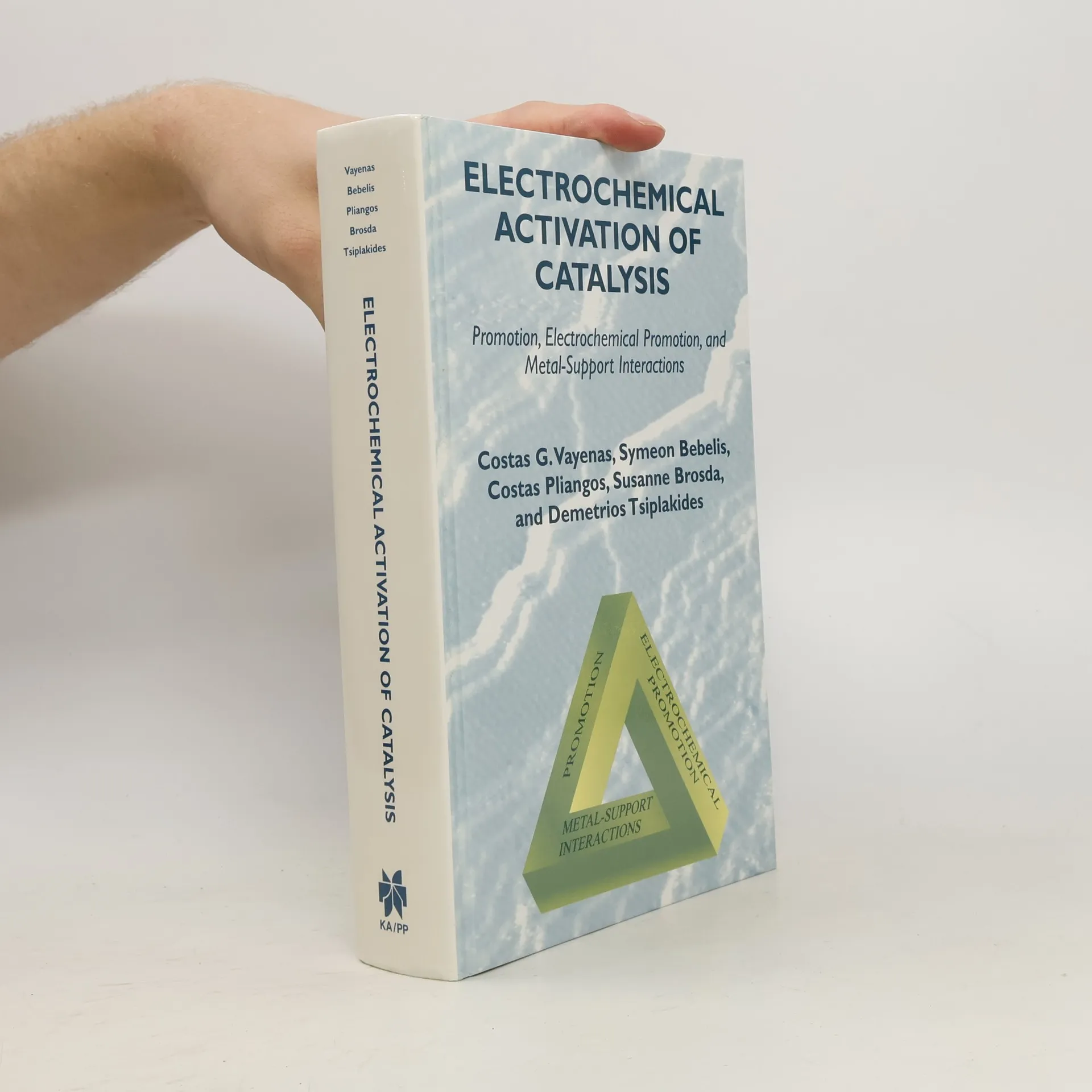
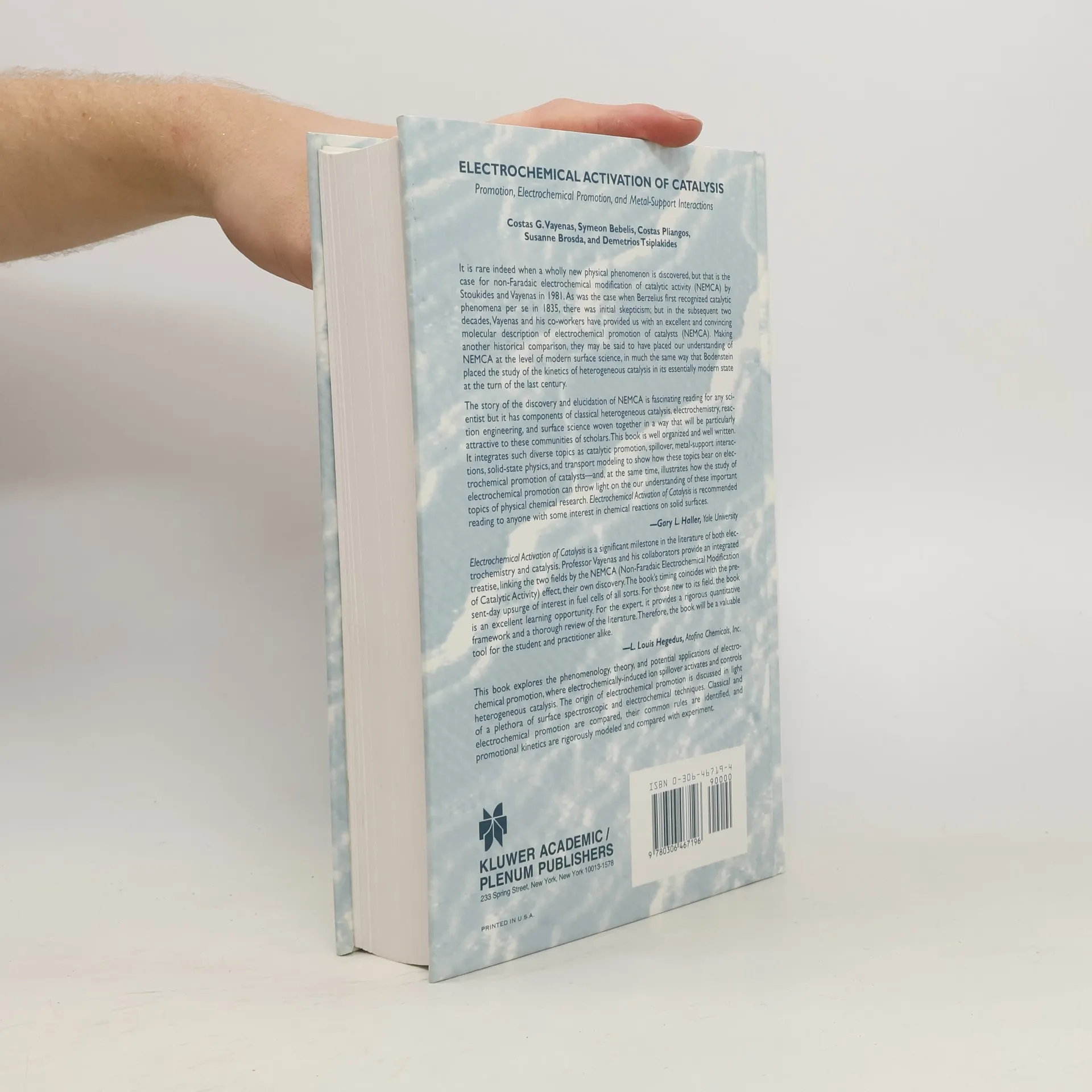
Electrochemical Activation of Catalysis, Costas G. Vayenas, Symeon Bebelis, Costas Pliangos, Susanne Brosda, Demetrios Tsiplakides
- Langue

- Année de publication
- Reliure
- (rigide)
Modes de paiement
Personne n'a encore évalué .
- Titre
- Electrochemical Activation of Catalysis
- Langue
- Anglais
- Éditeur
- Springer
- Format
- rigide
- Pages
- 574
- ISBN10
- 0306467194
- ISBN13
- 9780306467196
- Séries
- Catégories
- Description
- I knew nothing of the work of C. G. Vayenas on NEMCA until the early nineties. Then I learned from a paper of his idea (gas interface reactions could be catalyzed electrochemically), which seemed quite marvelous; but I did not understand how it worked. Consequently, I decided to correspond with Professor Vayenas in Patras, Greece, to reach a better understanding of this concept. I think that my early papers (1946, 1947, and 1957), on the relationship between the work function of metal surfaces and electron transfer reactions thereat to particles in solution, held me in good stead to be receptive to what Vayenas told me. As the electrode potential changes, so of course, does the work function at the interface, and gas metal reactions there involve adsorbed particles which have bonding to the surface. Whether electron transfer is complete in such a case, or whether the effect is on the desorption of radicals, the work function determines the strength of their bonding, and if one varies the work function by varying the electrode potential, one can vary the reaction rate at the interface. I got the idea. After that, it has been smooth sailing. Dr. Vayenas wrote a seminal article in Modern Aspects of Electrochemistry, Number 29, and brought the field into the public eye. It has since grown and its usefulness in chemical catalytic reactions has been demonstrated and verified worldwide.