

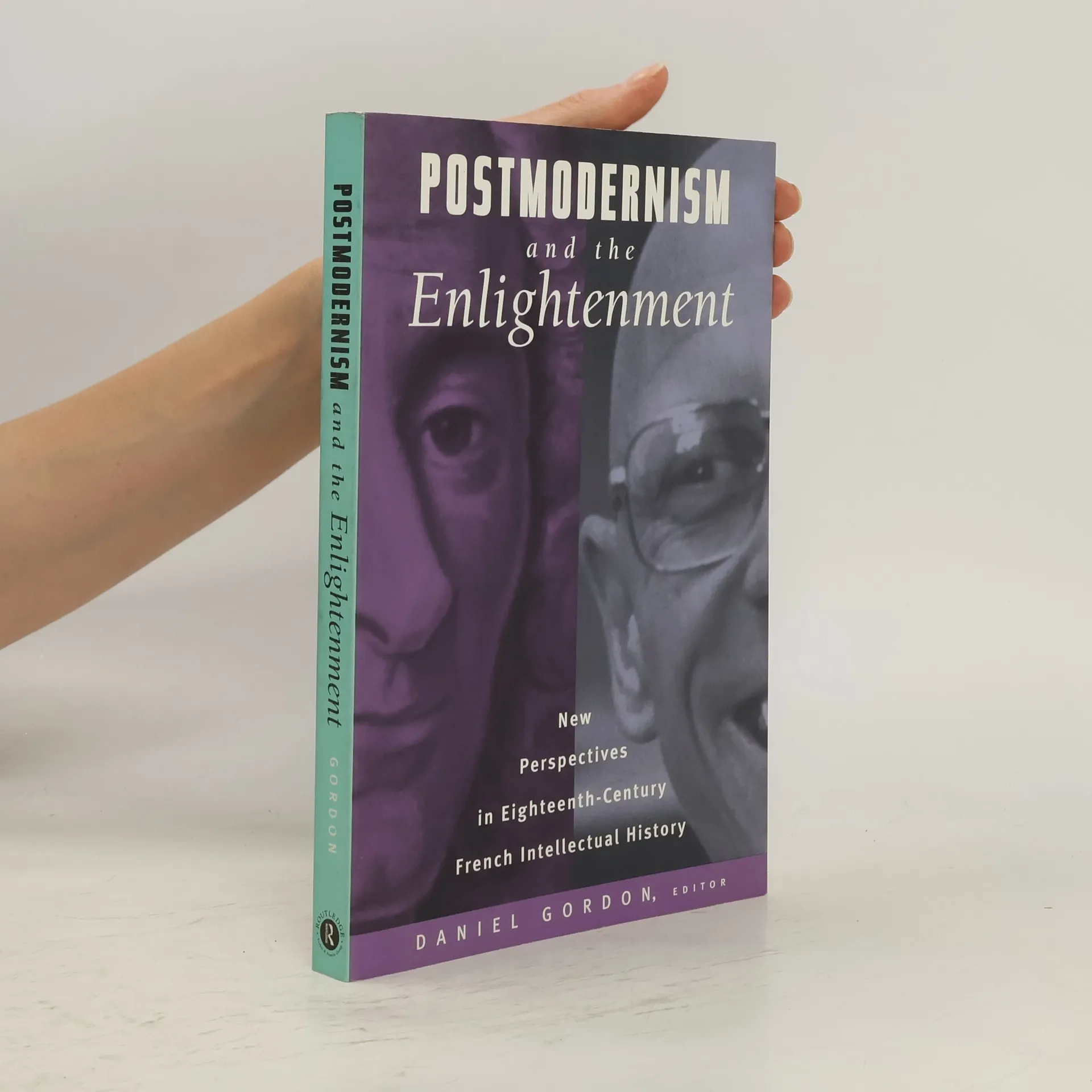


Postmodernism and the Enlightenment
New Perspectives in Eighteenth-century French Intellectual History
Auteurs
Évaluation du livre
Paramètres
En savoir plus sur le livre
Why is postmodernist discourse so biased against the Enlightenment? Indeed, postmodern theory challenges the validity of the rational basis of modern historical scholarship and the Enlightenment itself. Rather than avoiding this conflict, the contributors to this vibrant collection return to the philosophical roots of the Enlightenment, and do not hesitate to look at them through a postmodernist lens, engaging issues like anti-Semitism, Utopianism, colonial legal codes, and ideas of authorship. Dismissing the notion that the two camps are ideologically opposed and thus incompatible, these essays demonstrate an exciting new scholarship that confidently mixes the empiricism of Enlightenment thought with a strong postmodernist skepticism, painting a subtler and richer historical canvas.
Achat du livre
Postmodernism and the Enlightenment, Daniel Gordon
- Langue

- Année de publication
- 2001
- Reliure
- (souple)
Modes de paiement
Il manque plus que ton avis ici.
- Titre
- Postmodernism and the Enlightenment
- Sous-titre
- New Perspectives in Eighteenth-century French Intellectual History
- Langue
- Anglais
- Auteurs
- Daniel Gordon
- Éditeur
- Psychology Press
- Publié
- 2001
- Format
- souple
- ISBN10
- 0415927978
- ISBN13
- 9780415927970
- Séries
- Mots clés
- Thème historique
- Évaluation
- 4 sur 5
- Description
- Why is postmodernist discourse so biased against the Enlightenment? Indeed, postmodern theory challenges the validity of the rational basis of modern historical scholarship and the Enlightenment itself. Rather than avoiding this conflict, the contributors to this vibrant collection return to the philosophical roots of the Enlightenment, and do not hesitate to look at them through a postmodernist lens, engaging issues like anti-Semitism, Utopianism, colonial legal codes, and ideas of authorship. Dismissing the notion that the two camps are ideologically opposed and thus incompatible, these essays demonstrate an exciting new scholarship that confidently mixes the empiricism of Enlightenment thought with a strong postmodernist skepticism, painting a subtler and richer historical canvas.