



Paramètres
- 254pages
- 9 heures de lecture
En savoir plus sur le livre
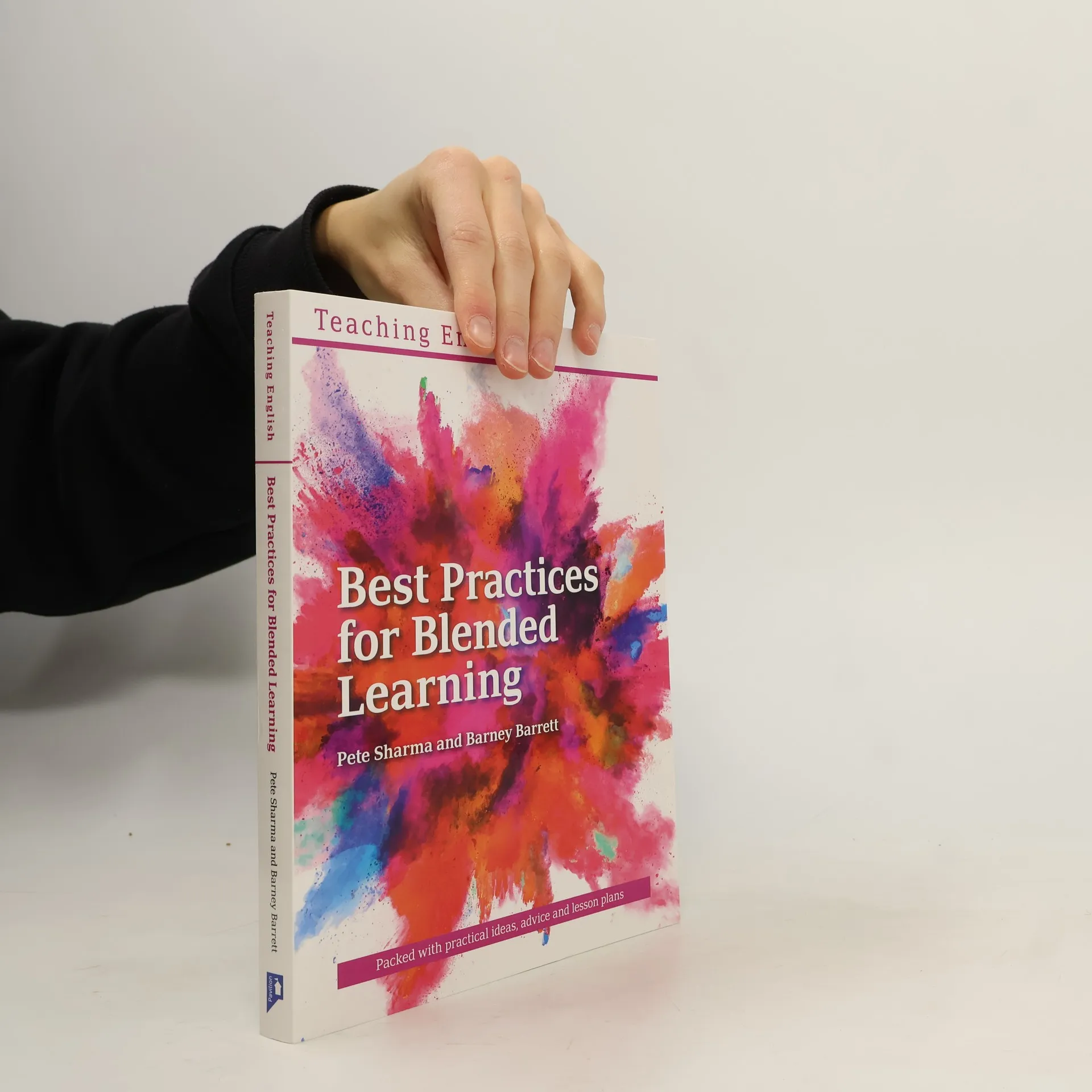
Blended Learning (BL) is a key concept in language teaching. When schools and teachers decide to adopt BL, they are faced with a range of challenging questions. Which platform do we adopt? Should we use ready-made digital materials, or create our own? How do we balance the face-to-face classroom teaching with the online component? What teacher training do we run? This comprehensive, practical handbook explores the answers to these questions, and many more. Section 1 provides definitions of BL, a brief history of the term and an exploration of what the research says. It describes some common models, looks at reasons why schools and teachers decide to use BL and the challenges they face. It lists the key elements for success and presents a practical framework for designing a BL course, as well as describing key features of some of the many learning platforms available. Section 2 argues for a principled approach to BL in language teaching, and contains 20 practical ideas including: starting and finishing a BL course; grammar and vocabulary; language skills; games and assessment. Section 3 describes future developments, offers advice on how to evaluate hardware and software, and gives practical ideas for teacher trainers.
Achat du livre
Best Practices for Blended Learning, Pete Sharma, Barney Barrett
- Langue

- Année de publication
- 2018
- Reliure
- (souple)
Modes de paiement
Il manque plus que ton avis ici.
- Titre
- Best Practices for Blended Learning
- Langue
- Anglais
- Auteurs
- Pete Sharma, Barney Barrett
- Publié
- 2018
- Format
- souple
- Pages
- 254
- ISBN10
- 1911028847
- ISBN13
- 9781911028840
- Séries
- Catégories
- Évaluation
- 3 sur 5
- Description
- Blended Learning (BL) is a key concept in language teaching. When schools and teachers decide to adopt BL, they are faced with a range of challenging questions. Which platform do we adopt? Should we use ready-made digital materials, or create our own? How do we balance the face-to-face classroom teaching with the online component? What teacher training do we run? This comprehensive, practical handbook explores the answers to these questions, and many more. Section 1 provides definitions of BL, a brief history of the term and an exploration of what the research says. It describes some common models, looks at reasons why schools and teachers decide to use BL and the challenges they face. It lists the key elements for success and presents a practical framework for designing a BL course, as well as describing key features of some of the many learning platforms available. Section 2 argues for a principled approach to BL in language teaching, and contains 20 practical ideas including: starting and finishing a BL course; grammar and vocabulary; language skills; games and assessment. Section 3 describes future developments, offers advice on how to evaluate hardware and software, and gives practical ideas for teacher trainers.