


Paramètres
- 288pages
- 11 heures de lecture
En savoir plus sur le livre
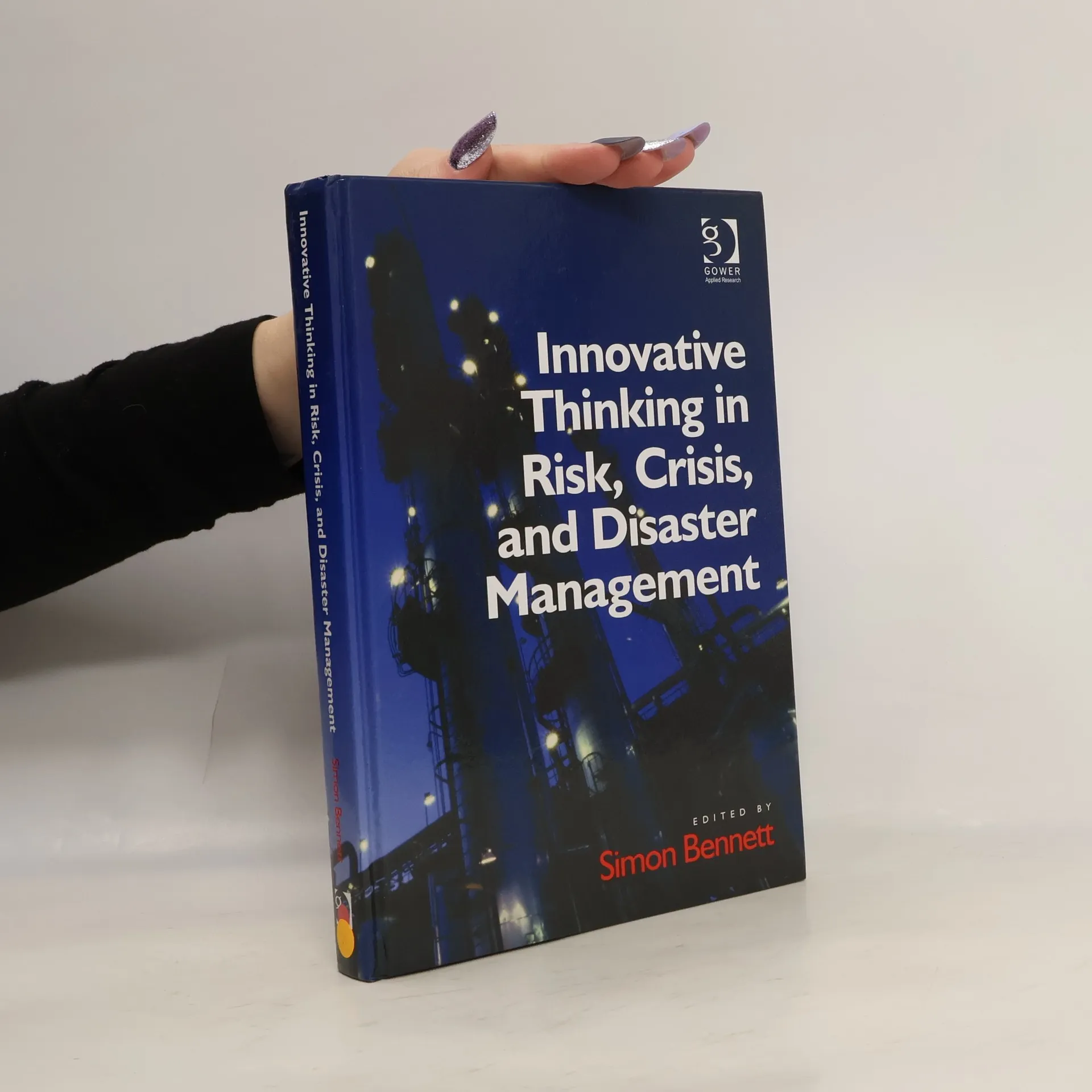
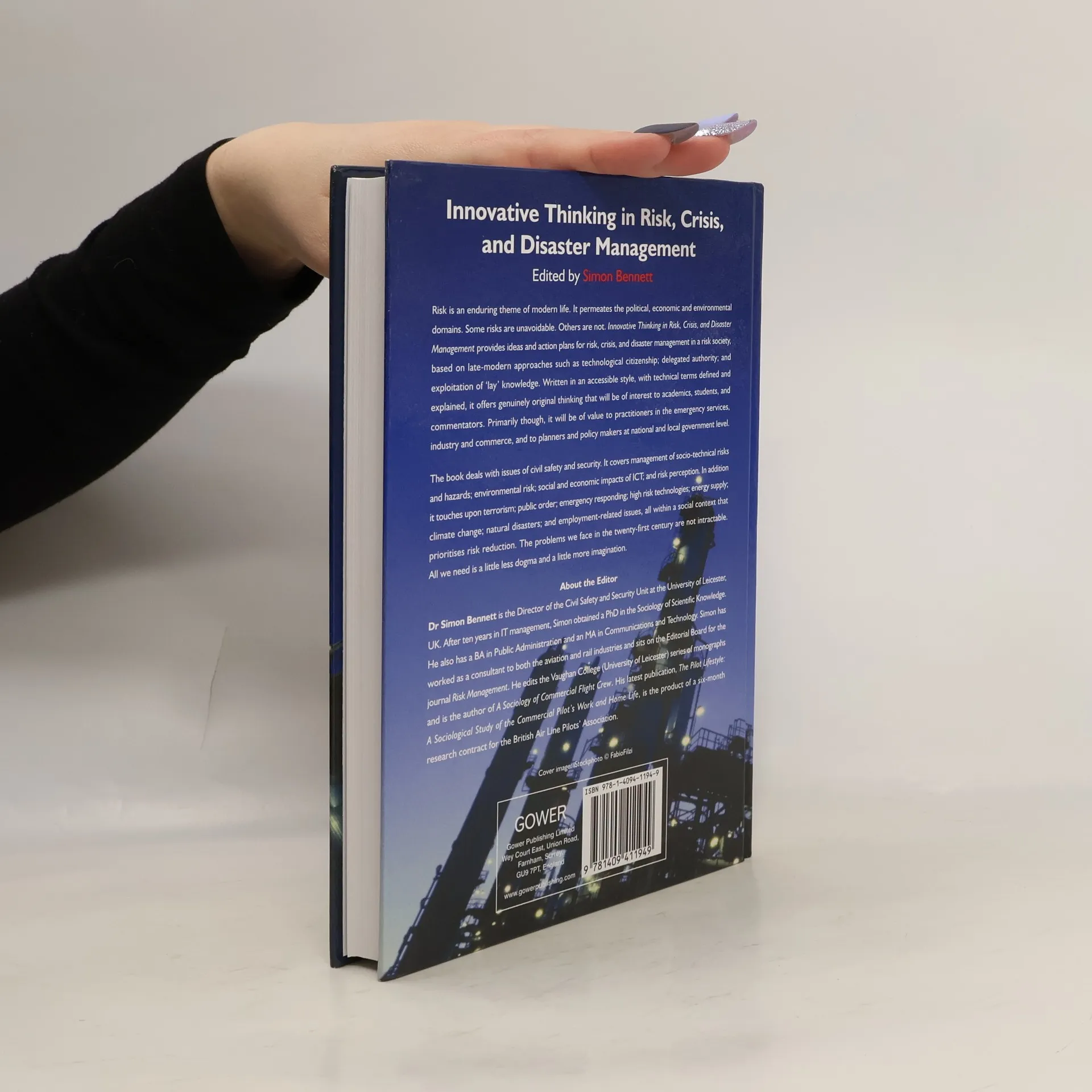
Risk is an enduring theme of modern life. It permeates political, economic and environmental domains. Some risks are unavoidable. Others are not. Innovative Thinking in Risk, Crisis, and Disaster Management provides ideas and action plans for in a risk society. Dealing with issues of civil safety and security, the book addresses the management of socio-technical risks and hazards, environmental risk, and risk perception. Focusing on risk reduction, chapters cover key themes such as terrorism, public order, emergency responding, energy supply, climate change, and natural disasters. Featuring contributions from expert scholars, the book is both accessible and original. Practitioners in the emergency services, industry and commerce will find the book to be valuable reading, whilst for policy makers, students and academics with a focus on risk and crisis management, this is an essential reference.
Achat du livre
Innovative Thinking in Risk, Crisis, and Disaster Management, Simon J Bennett
- Langue

- Année de publication
- 2011
- Reliure
- (rigide)
Modes de paiement
Il manque plus que ton avis ici.
- Titre
- Innovative Thinking in Risk, Crisis, and Disaster Management
- Langue
- Anglais
- Auteurs
- Simon J Bennett
- Éditeur
- Routledge
- Publié
- 2011
- Format
- rigide
- Pages
- 288
- ISBN10
- 140941194X
- ISBN13
- 9781409411949
- Séries
- Évaluation
- 5 sur 5
- Description
- Risk is an enduring theme of modern life. It permeates political, economic and environmental domains. Some risks are unavoidable. Others are not. Innovative Thinking in Risk, Crisis, and Disaster Management provides ideas and action plans for in a risk society. Dealing with issues of civil safety and security, the book addresses the management of socio-technical risks and hazards, environmental risk, and risk perception. Focusing on risk reduction, chapters cover key themes such as terrorism, public order, emergency responding, energy supply, climate change, and natural disasters. Featuring contributions from expert scholars, the book is both accessible and original. Practitioners in the emergency services, industry and commerce will find the book to be valuable reading, whilst for policy makers, students and academics with a focus on risk and crisis management, this is an essential reference.