

En savoir plus sur le livre
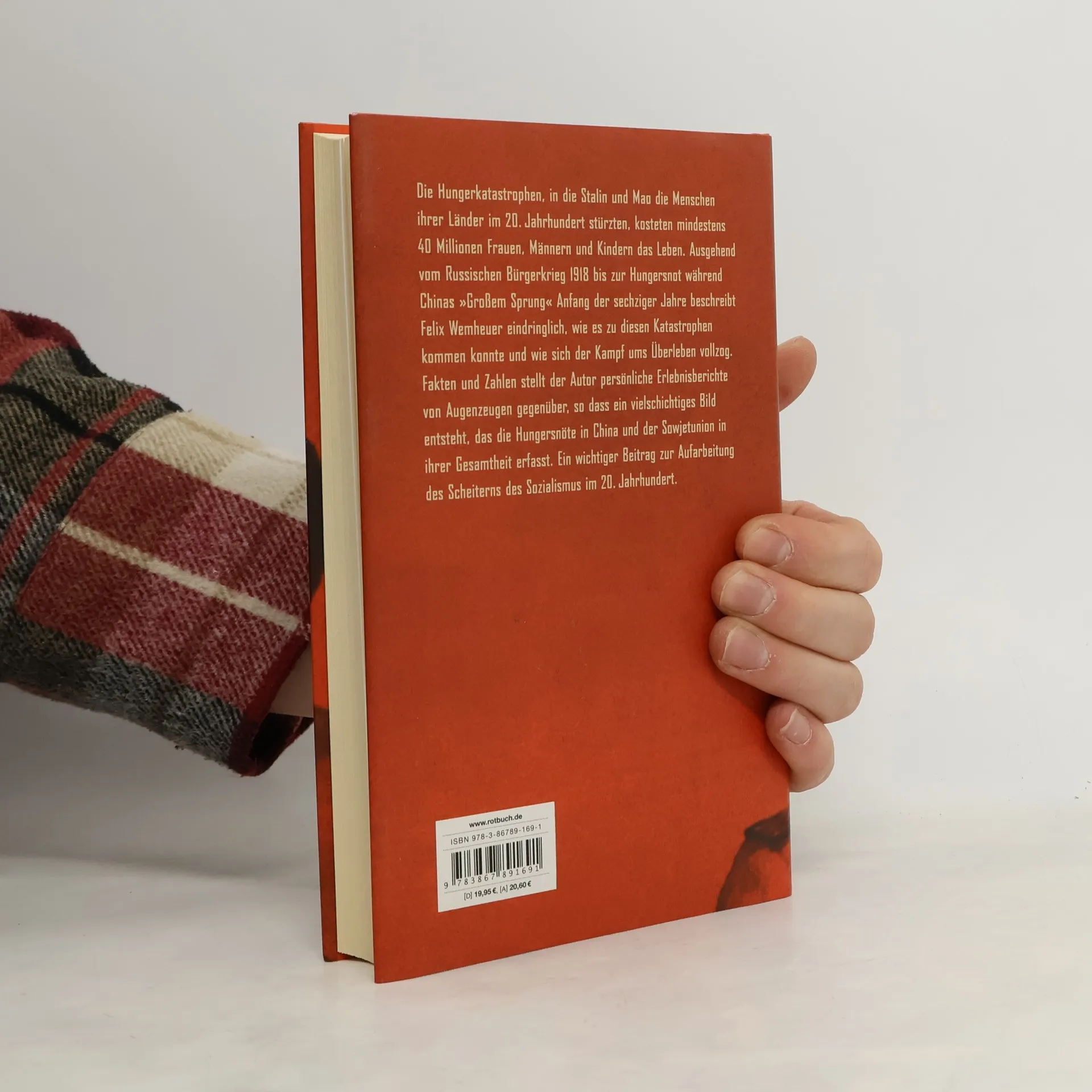
During the twentieth century, 80 percent of all famine victims worldwide died in China and the Soviet Union. In this rigorous and thoughtful study, Felix Wemheuer analyzes the historical and political roots of these socialist-era famines, in which overambitious industrial programs endorsed by Stalin and Mao Zedong created greater disasters than those suffered under prerevolutionary regimes. Focusing on famine as a political tool, Wemheuer systematically exposes how conflicts about food among peasants, urban populations, and the socialist state resulted in the starvation death of millions. A major contribution to Chinese and Soviet history, this provocative analysis examines the long-term effects of the great famines on the relationship between the state and its citizens and argues that the lessons governments learned from the catastrophes enabled them to overcome famine in their later decades of rule.
Achat du livre
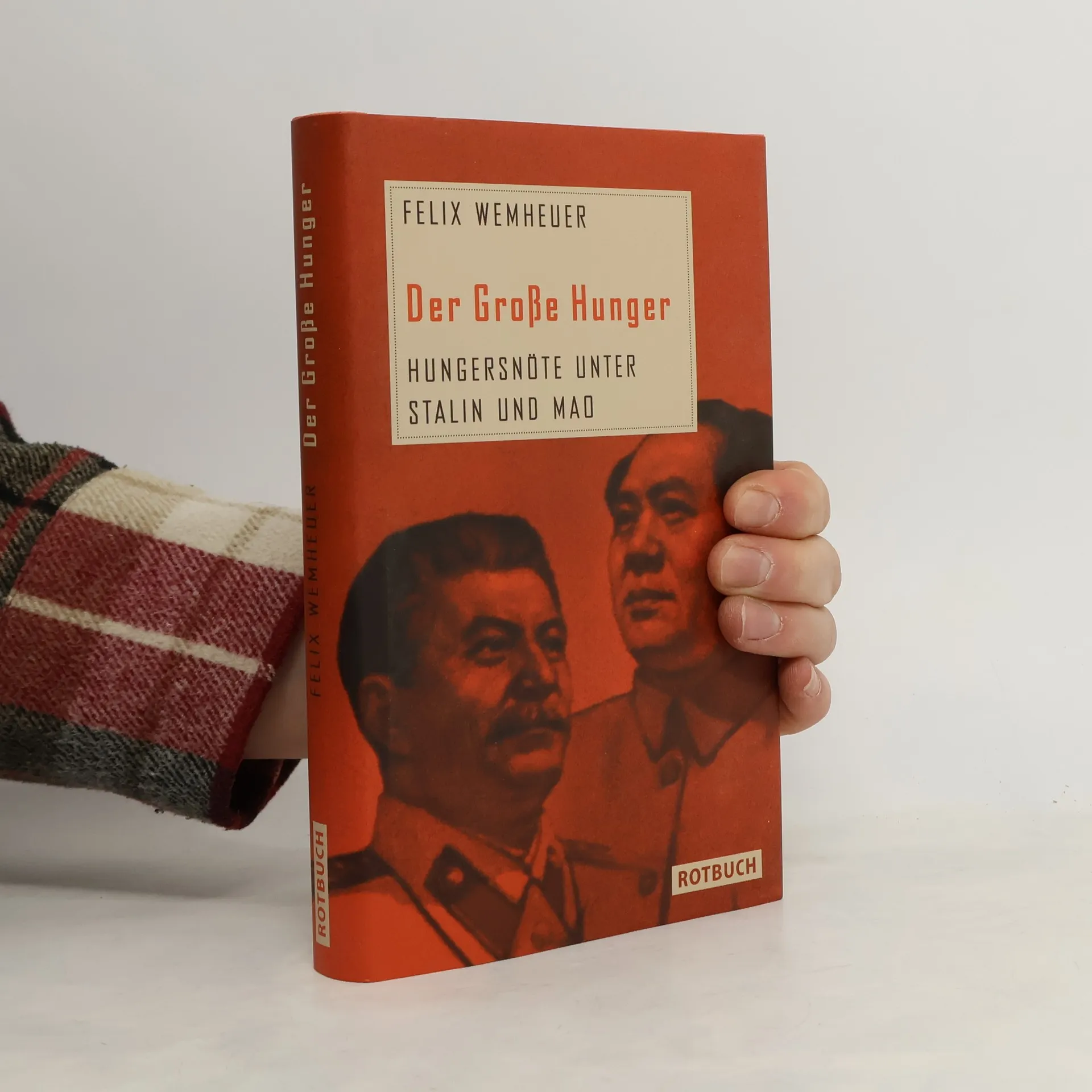
Der Große Hunger, Felix Wemheuer
- Langue

- Année de publication
- 2012
- Reliure
- (rigide)
Modes de paiement
Il manque plus que ton avis ici.
- Titre
- Der Große Hunger
- Sous-titre
- Hungersnöte unter Stalin und Mao
- Langue
- Allemand
- Auteurs
- Felix Wemheuer
- Éditeur
- Rotbuch Verlag
- Publié
- 2012
- Format
- rigide
- Pages
- 272
- ISBN10
- 3867891699
- ISBN13
- 9783867891691
- Séries
- Mots clés
- 20e siècle, Europe, Russie, Asie, Chine, Union Soviétique, Socialisme, Faim, Josif Vissarionovitch Staline, 1879-1953, Famine
- Évaluation
- 4 sur 5
- Description
- During the twentieth century, 80 percent of all famine victims worldwide died in China and the Soviet Union. In this rigorous and thoughtful study, Felix Wemheuer analyzes the historical and political roots of these socialist-era famines, in which overambitious industrial programs endorsed by Stalin and Mao Zedong created greater disasters than those suffered under prerevolutionary regimes. Focusing on famine as a political tool, Wemheuer systematically exposes how conflicts about food among peasants, urban populations, and the socialist state resulted in the starvation death of millions. A major contribution to Chinese and Soviet history, this provocative analysis examines the long-term effects of the great famines on the relationship between the state and its citizens and argues that the lessons governments learned from the catastrophes enabled them to overcome famine in their later decades of rule.