

En savoir plus sur le livre
Cyclitols and Phosphoinositides covers the proceedings of the 1977 Conference on Cyclitols and Phosphoinositides, held at the Kellogg Center for Continuing Education, Michigan State University, East Lansing, Michigan. This book is organized into eight parts encompassing 43 chapters. The first parts describe the chemistry of cyclitols, inositol phosphates, and phosphoinositides. The subsequent parts explore the ubiquitous myoinositol and its phospholipids in animals, plants, yeast, bacteria, and molds; in various body parts, such as iris, brain, nerves, pineal, testis, lymphocytes, pancreas, parotid, retina, synapses, lysosomes; and the test tube. The last parts consider the mechanism of inositol biosynthesis and the meaning of increased phosphatidylinositol turnover in response to extracellular stimuli. This book will prove useful to research workers in the fields of organic chemistry, biochemistry, genetics, physiology, microbiology, pharmacology, botany, and nutrition.
Achat du livre
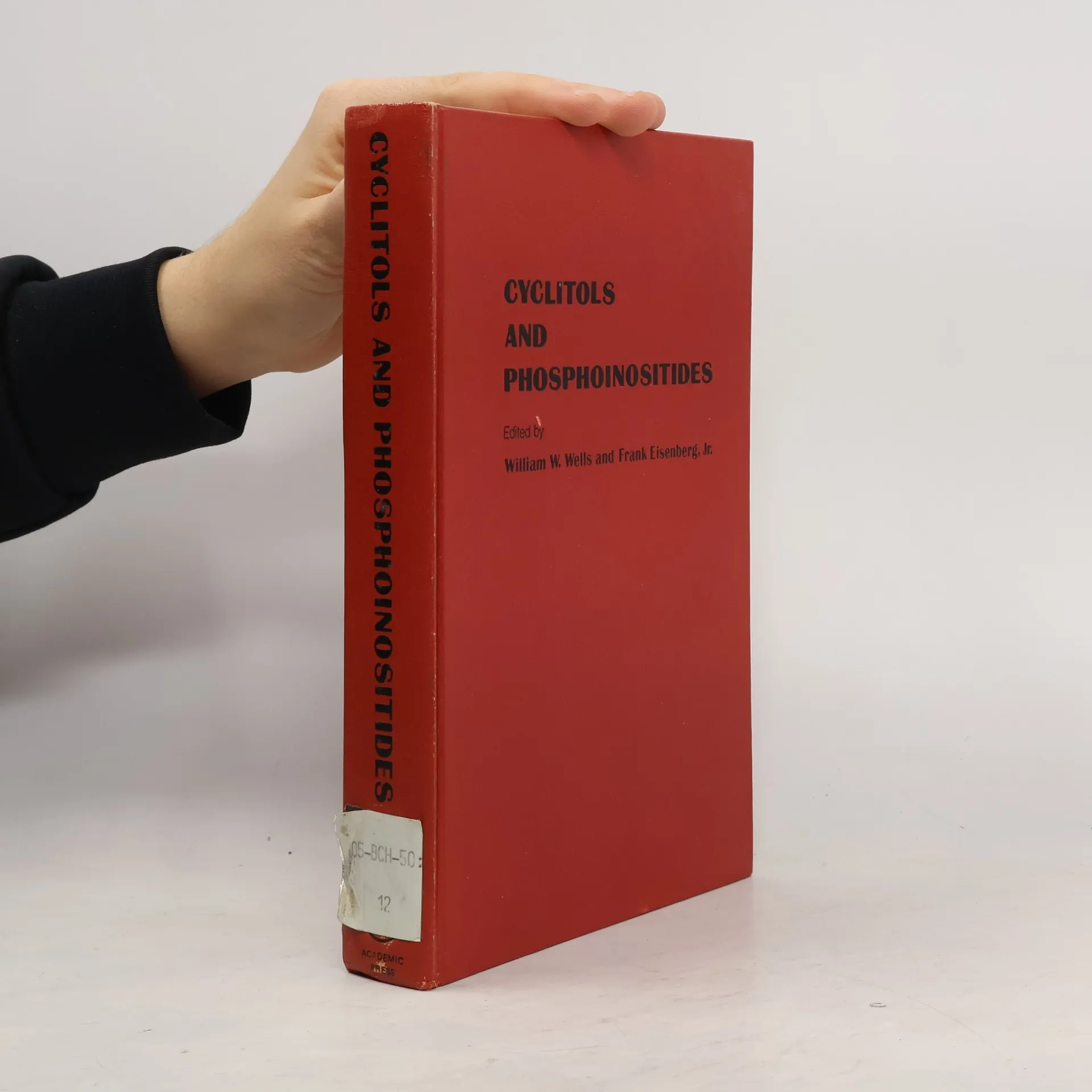
Cyclitols and Phosphoinositides, William W. Wells, Frank Eisenberg, Jr.
- Langue

- Année de publication
- 1978
- Reliure
- (rigide)
Modes de paiement
Personne n'a encore évalué .
- Titre
- Cyclitols and Phosphoinositides
- Langue
- Anglais
- Auteurs
- William W. Wells, Frank Eisenberg, Jr.
- Éditeur
- Academic Press Inc
- Publié
- 1978
- Format
- rigide
- Pages
- 623
- ISBN10
- 0127417508
- ISBN13
- 9780127417509
- Séries
- Mots clés
- Sciences naturelles, Science, Actes de conférences, Biochimie
- Description
- Cyclitols and Phosphoinositides covers the proceedings of the 1977 Conference on Cyclitols and Phosphoinositides, held at the Kellogg Center for Continuing Education, Michigan State University, East Lansing, Michigan. This book is organized into eight parts encompassing 43 chapters. The first parts describe the chemistry of cyclitols, inositol phosphates, and phosphoinositides. The subsequent parts explore the ubiquitous myoinositol and its phospholipids in animals, plants, yeast, bacteria, and molds; in various body parts, such as iris, brain, nerves, pineal, testis, lymphocytes, pancreas, parotid, retina, synapses, lysosomes; and the test tube. The last parts consider the mechanism of inositol biosynthesis and the meaning of increased phosphatidylinositol turnover in response to extracellular stimuli. This book will prove useful to research workers in the fields of organic chemistry, biochemistry, genetics, physiology, microbiology, pharmacology, botany, and nutrition.