



Paramètres
- 336pages
- 12 heures de lecture
En savoir plus sur le livre
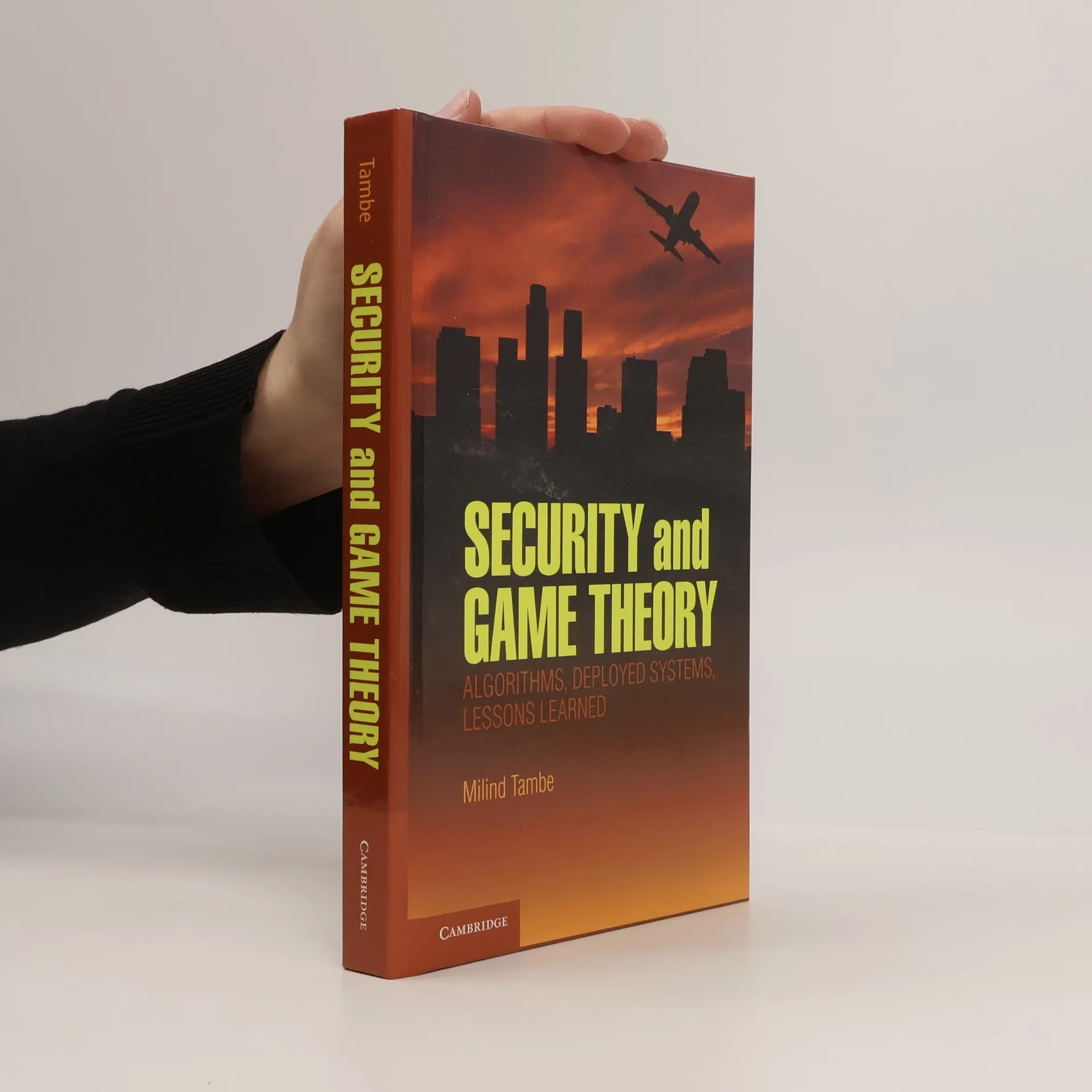
Global threats of terrorism, drug-smuggling, and other crimes have led to a significant increase in research on game theory for security. Game theory provides a sound mathematical approach to deploy limited security resources to maximize their effectiveness. A typical approach is to randomize security schedules to avoid predictability, with the randomization using artificial intelligence techniques to take into account the importance of different targets and potential adversary reactions. This book distills the forefront of this research to provide the first and only study of long-term deployed applications of game theory for security for key organizations such as the Los Angeles International Airport police and the U.S. Federal Air Marshals Service. The author and his research group draw from their extensive experience working with security officials to intelligently allocate limited security resources to protect targets, outlining the applications of these algorithms in research and the real world. The book also includes professional perspectives from security experts Erroll G. Southers; Lieutenant Commander Joe DiRenzo III, U.S. Coast Guard; Lieutenant Commander Ben Maule, U.S. Coast Guard; Erik Jensen, U.S. Coast Guard; and Lieutenant Fred S. Bertsch IV, U.S. Coast Guard.
Achat du livre
Security and Game Theory, Milind Tambe
- Langue

- Année de publication
- 2011
- Reliure
- (rigide)
Modes de paiement
Il manque plus que ton avis ici.
- Titre
- Security and Game Theory
- Sous-titre
- Algorithms, Deployed Systems, Lessons Learned
- Langue
- Anglais
- Auteurs
- Milind Tambe
- Éditeur
- Cambridge University Press
- Publié
- 2011
- Format
- rigide
- Pages
- 336
- ISBN10
- 1107096421
- ISBN13
- 9781107096424
- Séries
- Catégories
- Mots clés
- Écrits rassemblés, Théorie des jeux
- Évaluation
- 3,75 sur 5
- Description
- Global threats of terrorism, drug-smuggling, and other crimes have led to a significant increase in research on game theory for security. Game theory provides a sound mathematical approach to deploy limited security resources to maximize their effectiveness. A typical approach is to randomize security schedules to avoid predictability, with the randomization using artificial intelligence techniques to take into account the importance of different targets and potential adversary reactions. This book distills the forefront of this research to provide the first and only study of long-term deployed applications of game theory for security for key organizations such as the Los Angeles International Airport police and the U.S. Federal Air Marshals Service. The author and his research group draw from their extensive experience working with security officials to intelligently allocate limited security resources to protect targets, outlining the applications of these algorithms in research and the real world. The book also includes professional perspectives from security experts Erroll G. Southers; Lieutenant Commander Joe DiRenzo III, U.S. Coast Guard; Lieutenant Commander Ben Maule, U.S. Coast Guard; Erik Jensen, U.S. Coast Guard; and Lieutenant Fred S. Bertsch IV, U.S. Coast Guard.