



En savoir plus sur le livre
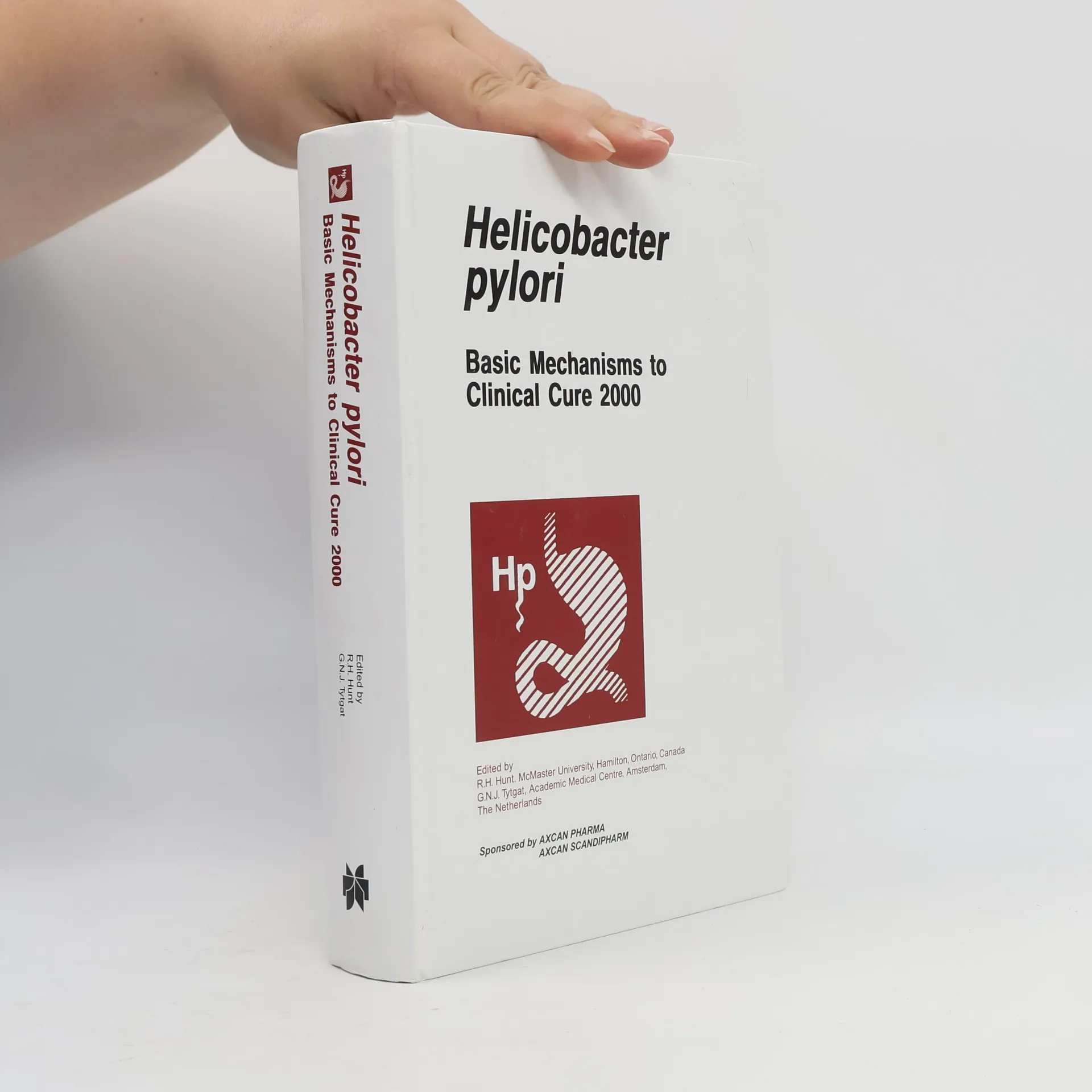
The fourth meeting in the successful Helicobacter pylori series took place in Bermuda in March 2000, sponsored by Axcan Pharma. Just two years after the previous meeting in San Diego, the gathering revealed a wealth of new information crucial for understanding and managing this infection. Key findings included the role of the acid-sensitive ureI channel in urea influx and ammonia formation, genetic polymorphisms of the IL-1beta gene linked to achlorhydria and gastric cancer risk, and unique biochemical effects of the microorganisms' genome. The meeting format featured fifteen-minute presentations by leading experts, followed by extensive panel discussions. Topics covered included microbial characteristics, novel Helicobacters, host interactions, inflammatory immune responses, mucosal consequences, acid secretion, gastric malignancy, and therapeutic options. Additionally, debates on controversial issues such as the organism's pathogenicity, virulence factors, and treatment strategies were introduced, fostering deeper discussions. These debates are included in this volume to expedite publication. Since the first meeting in 1993, our understanding of Helicobacter pylori and its implications for gastrointestinal disease has advanced significantly, recognizing over thirty species that may impact human health. Insights gained from H. pylori research are expected to enhance exploration of Helicobacter's role in hepatic, biliary, and
Achat du livre
Helicobacter Pylori, Guido N. J. Tytgat, Richard H. Rouse
- Langue

- Année de publication
- 2000
- Reliure
- (rigide)
Modes de paiement
Personne n'a encore évalué .
- Titre
- Helicobacter Pylori
- Sous-titre
- Basic Mechanisms to Clinical Cure 2000
- Langue
- Anglais
- Auteurs
- Guido N. J. Tytgat, Richard H. Rouse
- Éditeur
- Springer
- Publié
- 2000
- Format
- rigide
- Pages
- 711
- ISBN10
- 0792387643
- ISBN13
- 9780792387640
- Séries
- Catégories
- Mots clés
- Santé & Médecine, Médecine, Actes de conférences
- Description
- The fourth meeting in the successful Helicobacter pylori series took place in Bermuda in March 2000, sponsored by Axcan Pharma. Just two years after the previous meeting in San Diego, the gathering revealed a wealth of new information crucial for understanding and managing this infection. Key findings included the role of the acid-sensitive ureI channel in urea influx and ammonia formation, genetic polymorphisms of the IL-1beta gene linked to achlorhydria and gastric cancer risk, and unique biochemical effects of the microorganisms' genome. The meeting format featured fifteen-minute presentations by leading experts, followed by extensive panel discussions. Topics covered included microbial characteristics, novel Helicobacters, host interactions, inflammatory immune responses, mucosal consequences, acid secretion, gastric malignancy, and therapeutic options. Additionally, debates on controversial issues such as the organism's pathogenicity, virulence factors, and treatment strategies were introduced, fostering deeper discussions. These debates are included in this volume to expedite publication. Since the first meeting in 1993, our understanding of Helicobacter pylori and its implications for gastrointestinal disease has advanced significantly, recognizing over thirty species that may impact human health. Insights gained from H. pylori research are expected to enhance exploration of Helicobacter's role in hepatic, biliary, and