

En savoir plus sur le livre
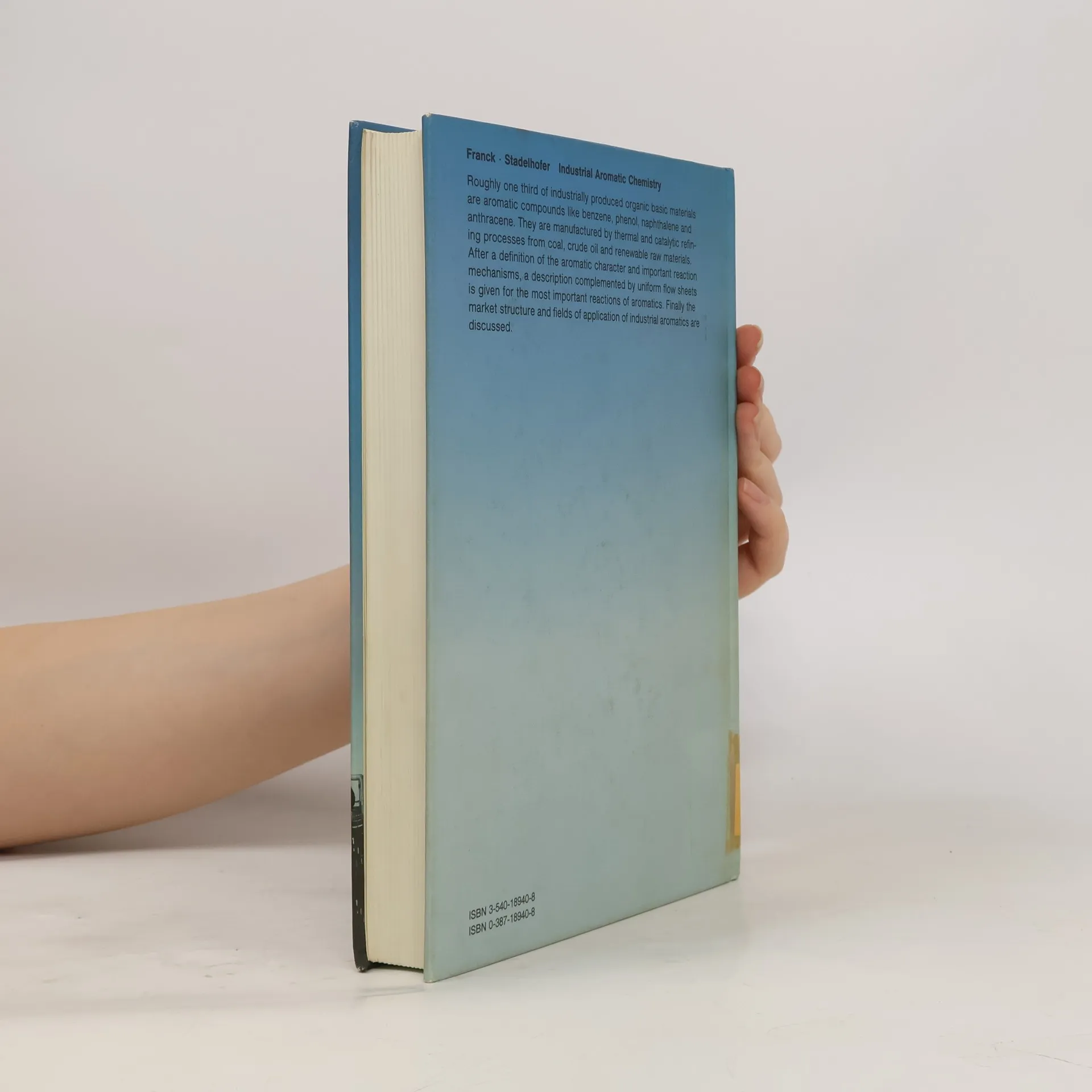
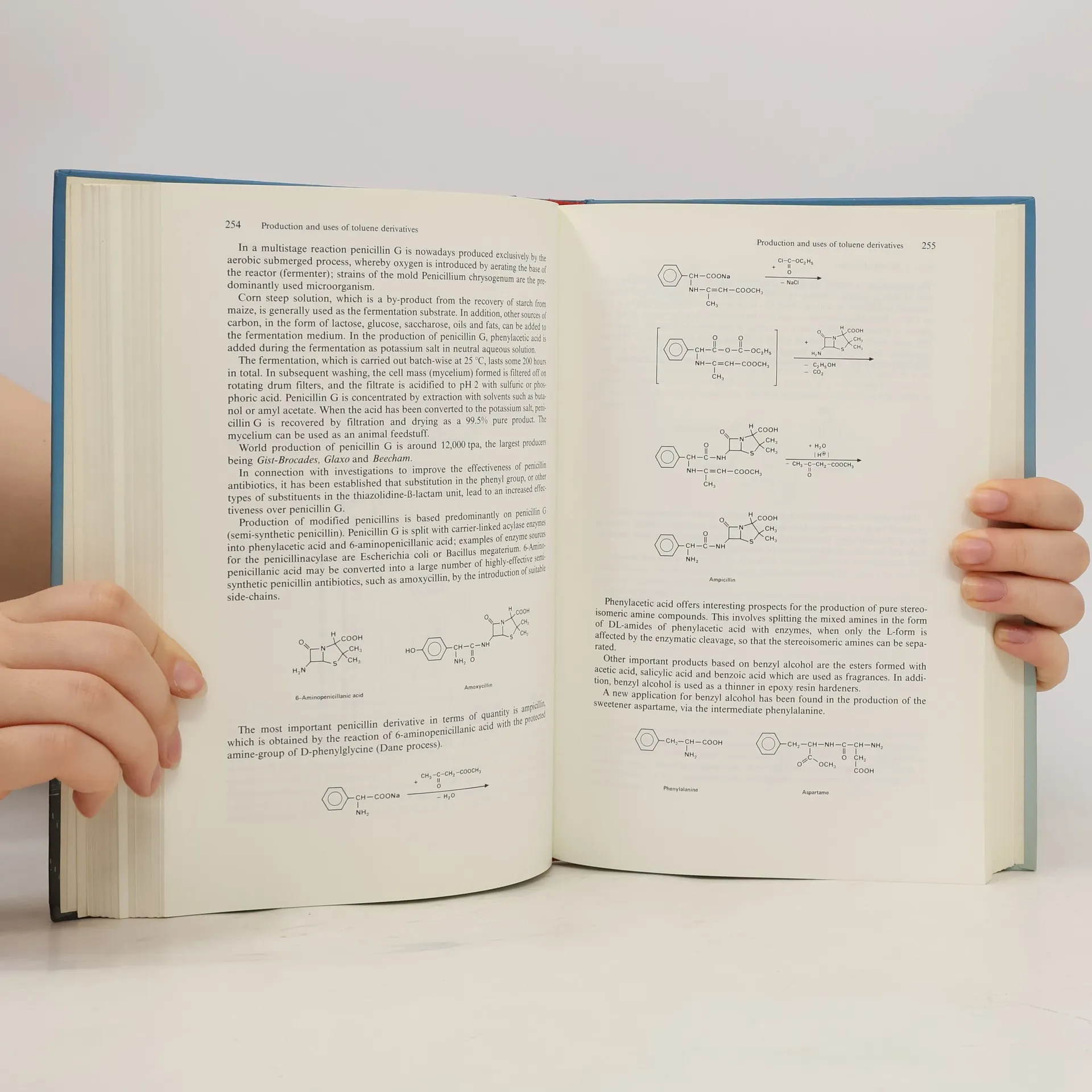
Aromatic organic hydrocarbons and heterocycles represent a bulk of about one third of all industrially produced organic basic materials. Aromatic compounds such as benzene, phenol, naphthalene, anthracene, and their homologues, are derived from raw materials, coal, crude oil and biogenic resources by thermal and catalytic refining processes. This book introduces the chemistry of aromatics with a brief discussion of the aromatic character and a survey of historical aspects, particularly the development of the organic dye industry during the 19th century. The main emphasis of the book is to give a clear prospect of industrial processes for the production and the derivatisation of aromatics with consistent flow diagrams. Economical aspects of by- and side-products are especially regarded. For the most important aromatics an analysis of the international market included their polymers, pesticides, dyes, pigments and drugs. Professional scientists, managers and students in chemistry and chemical engineering will find a wealth of information for their career and daily work.
Achat du livre
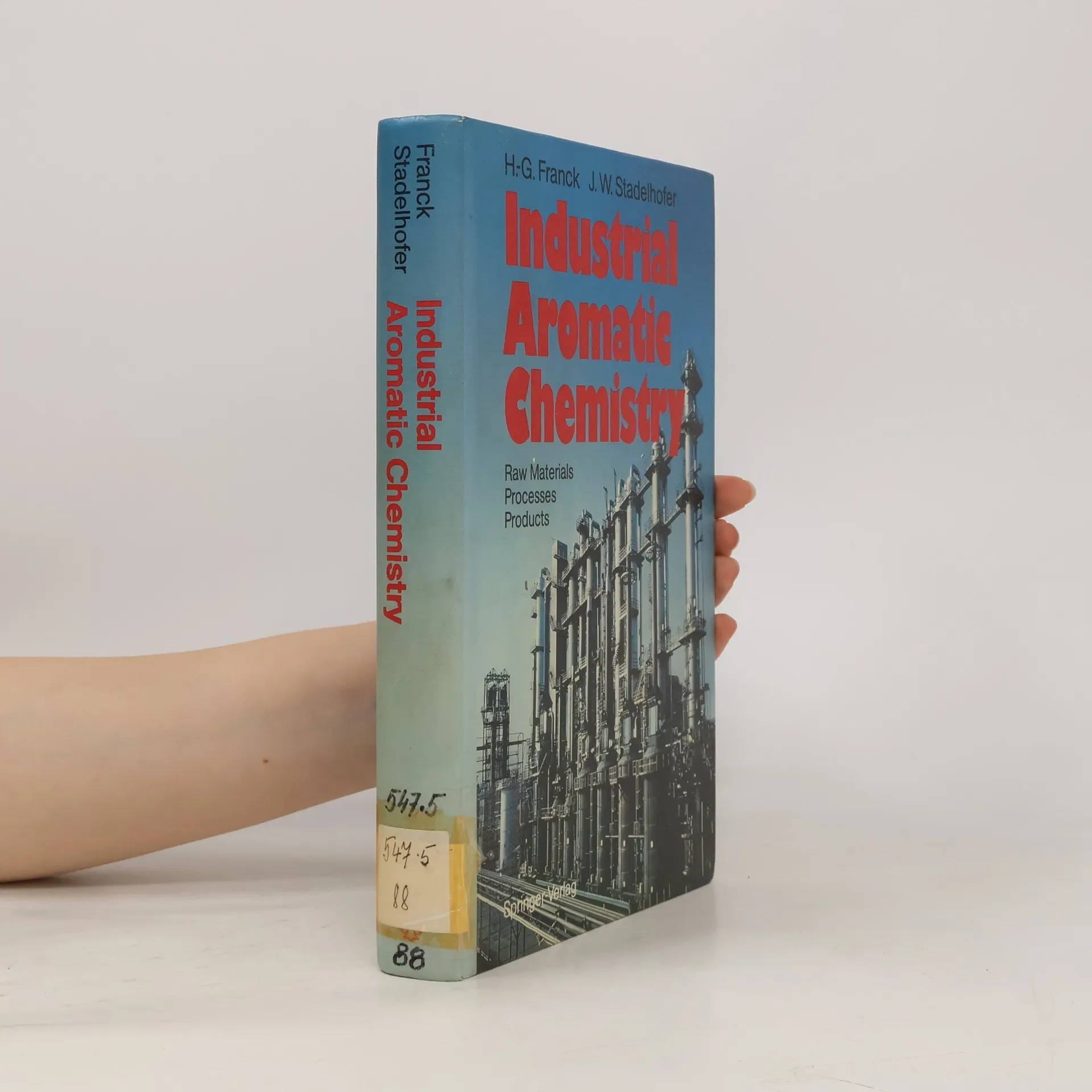
Industrial Aromatic Chemistry, Jürgen W. Stadelhofer, Heinz-Gerhard Franck
- Langue

- Année de publication
- 1988
- Reliure
- (rigide),
- État du livre
- Abîmé
- Prix
- 7,01 €
Modes de paiement
Personne n'a encore évalué .
- Titre
- Industrial Aromatic Chemistry
- Sous-titre
- Raw Materials · Processes · Products
- Langue
- Anglais
- Éditeur
- Springer
- Publié
- 1988
- Format
- rigide
- Pages
- 486
- ISBN10
- 3540189408
- ISBN13
- 9783540189404
- Séries
- Catégories
- Mots clés
- Sciences naturelles, Science, Allemagne, Technologie, Chimie organique, Ingénierie chimique
- Description
- Aromatic organic hydrocarbons and heterocycles represent a bulk of about one third of all industrially produced organic basic materials. Aromatic compounds such as benzene, phenol, naphthalene, anthracene, and their homologues, are derived from raw materials, coal, crude oil and biogenic resources by thermal and catalytic refining processes. This book introduces the chemistry of aromatics with a brief discussion of the aromatic character and a survey of historical aspects, particularly the development of the organic dye industry during the 19th century. The main emphasis of the book is to give a clear prospect of industrial processes for the production and the derivatisation of aromatics with consistent flow diagrams. Economical aspects of by- and side-products are especially regarded. For the most important aromatics an analysis of the international market included their polymers, pesticides, dyes, pigments and drugs. Professional scientists, managers and students in chemistry and chemical engineering will find a wealth of information for their career and daily work.