

En savoir plus sur le livre
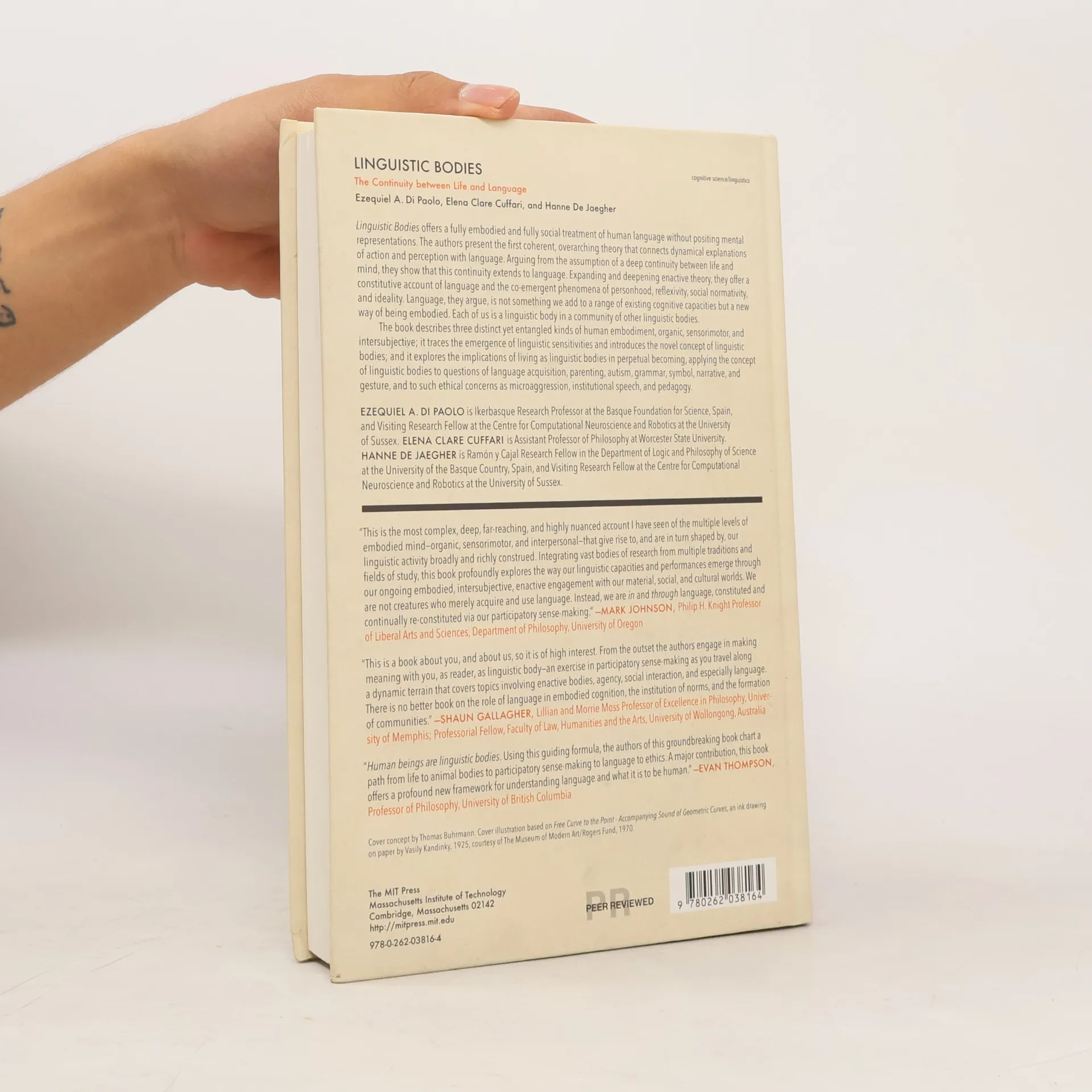
This work presents a novel theoretical framework for an embodied, non-representational approach to language, enhancing enactive theory by linking sensorimotor skills with linguistic capabilities. It offers a fully embodied and social perspective on human language, rejecting the notion of mental representations. The authors propose a comprehensive theory that integrates dynamical explanations of action and perception with language, emphasizing the deep continuity between life and mind, which extends to language itself. They provide a constitutive account of language alongside the co-emergent phenomena of personhood, reflexivity, social normativity, and ideality. Language is framed not as an addition to cognitive capacities but as a fundamental aspect of embodiment. The text identifies three interconnected forms of human embodiment: organic, sensorimotor, and intersubjective. It examines the development of linguistic sensitivities and introduces the concept of linguistic bodies, discussing the implications of existing as linguistic bodies in a state of perpetual becoming. The exploration includes topics such as language acquisition, parenting, autism, grammar, symbol, narrative, gesture, and ethical issues like microaggression, institutional speech, and pedagogy.
Achat du livre
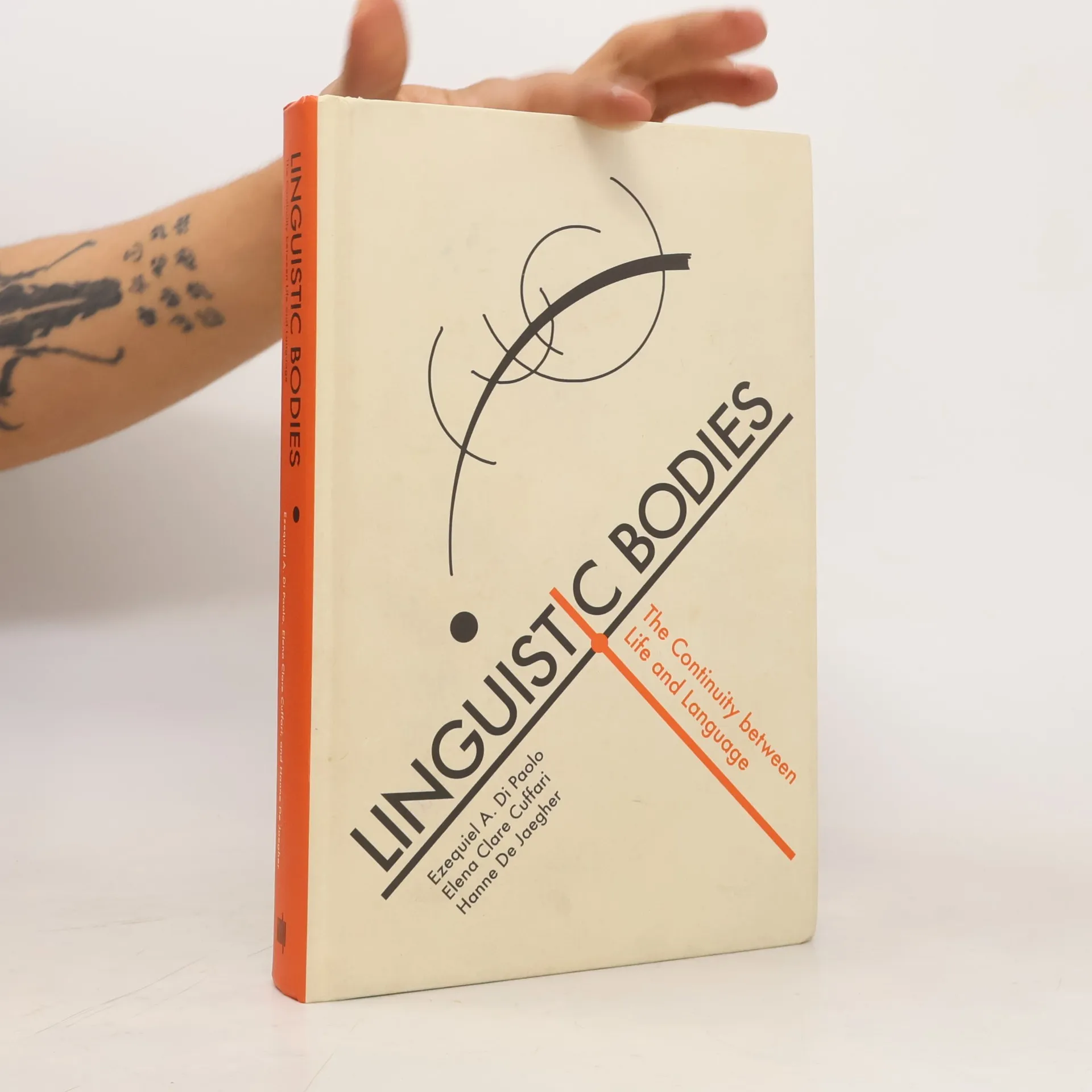
Linguistic Bodies, Ezequiel A. Di Paolo, Elena Clare Cuffari, Hanne De Jaegher
- Langue

- Année de publication
- 2018
- Reliure
- (rigide)
Modes de paiement
Personne n'a encore évalué .
- Titre
- Linguistic Bodies
- Sous-titre
- The Continuity Between Life And Language
- Langue
- Anglais
- Éditeur
- MIT Press
- Publié
- 2018
- Format
- rigide
- Pages
- 432
- ISBN10
- 0262038161
- ISBN13
- 9780262038164
- Séries
- Mots clés
- Linguistique
- Description
- This work presents a novel theoretical framework for an embodied, non-representational approach to language, enhancing enactive theory by linking sensorimotor skills with linguistic capabilities. It offers a fully embodied and social perspective on human language, rejecting the notion of mental representations. The authors propose a comprehensive theory that integrates dynamical explanations of action and perception with language, emphasizing the deep continuity between life and mind, which extends to language itself. They provide a constitutive account of language alongside the co-emergent phenomena of personhood, reflexivity, social normativity, and ideality. Language is framed not as an addition to cognitive capacities but as a fundamental aspect of embodiment. The text identifies three interconnected forms of human embodiment: organic, sensorimotor, and intersubjective. It examines the development of linguistic sensitivities and introduces the concept of linguistic bodies, discussing the implications of existing as linguistic bodies in a state of perpetual becoming. The exploration includes topics such as language acquisition, parenting, autism, grammar, symbol, narrative, gesture, and ethical issues like microaggression, institutional speech, and pedagogy.