



En savoir plus sur le livre
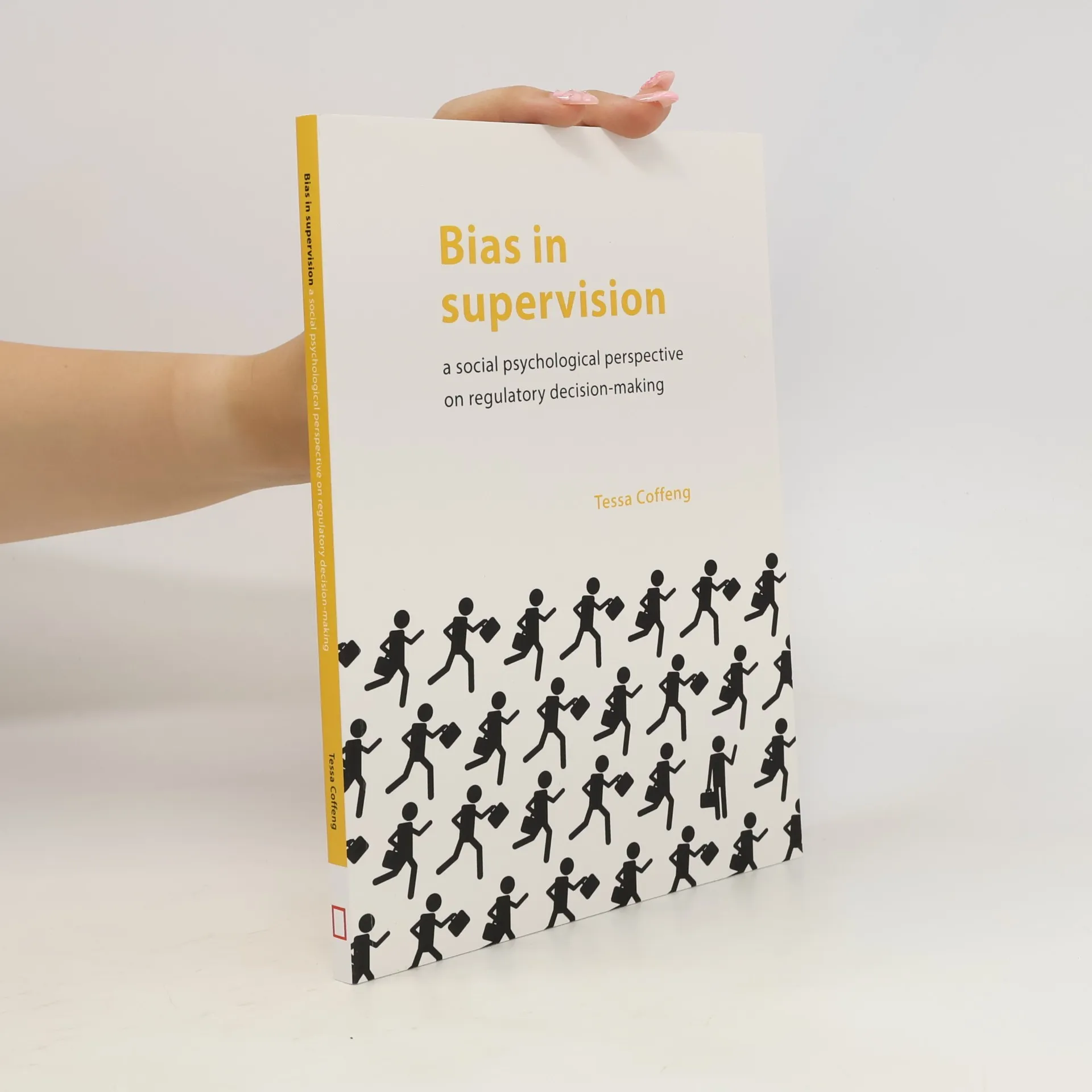
Supervisory bodies, such as market authorities and inspectorates, are expected to make decisions independently and objectively. To what extent are supervisory officers-who work at these institutions-able to make decisions in an objective and unbiased manner? From a social psychological perspective, the current dissertation provides more insight into the decision-making of supervisory officers at the individual and group level. By conducting questionnaire studies and field experiments among diverse samples of supervisory officers, this dissertation examines the extent to which supervisory officers are aware of and affected by biases. Moreover, it tests communication strategies and decision-making tools that aim to improve the decision-making of supervisory officers. The findings of the current dissertation can help supervisory officers in taking a closer look at how they reach their decisions and taking the next steps in improving their decision-making. As a result, supervisory bodies may become more effective in making informed and timely decisions to prevent harm to society.
Achat du livre
Bias in Supervision, Tessa Coffeng
- Langue

- Année de publication
- 2022
- Reliure
- (souple)
Modes de paiement
Personne n'a encore évalué .
- Titre
- Bias in Supervision
- Sous-titre
- A Social Psychological Perspective on Regulatory Decision-Making
- Langue
- Néerlandais
- Auteurs
- Tessa Coffeng
- Éditeur
- Universiteit Utrecht
- Publié
- 2022
- Format
- souple
- ISBN10
- 9039374597
- ISBN13
- 9789039374597
- Séries
- Catégories
- Description
- Supervisory bodies, such as market authorities and inspectorates, are expected to make decisions independently and objectively. To what extent are supervisory officers-who work at these institutions-able to make decisions in an objective and unbiased manner? From a social psychological perspective, the current dissertation provides more insight into the decision-making of supervisory officers at the individual and group level. By conducting questionnaire studies and field experiments among diverse samples of supervisory officers, this dissertation examines the extent to which supervisory officers are aware of and affected by biases. Moreover, it tests communication strategies and decision-making tools that aim to improve the decision-making of supervisory officers. The findings of the current dissertation can help supervisory officers in taking a closer look at how they reach their decisions and taking the next steps in improving their decision-making. As a result, supervisory bodies may become more effective in making informed and timely decisions to prevent harm to society.