

Paramètres
- 208pages
- 8 heures de lecture
En savoir plus sur le livre
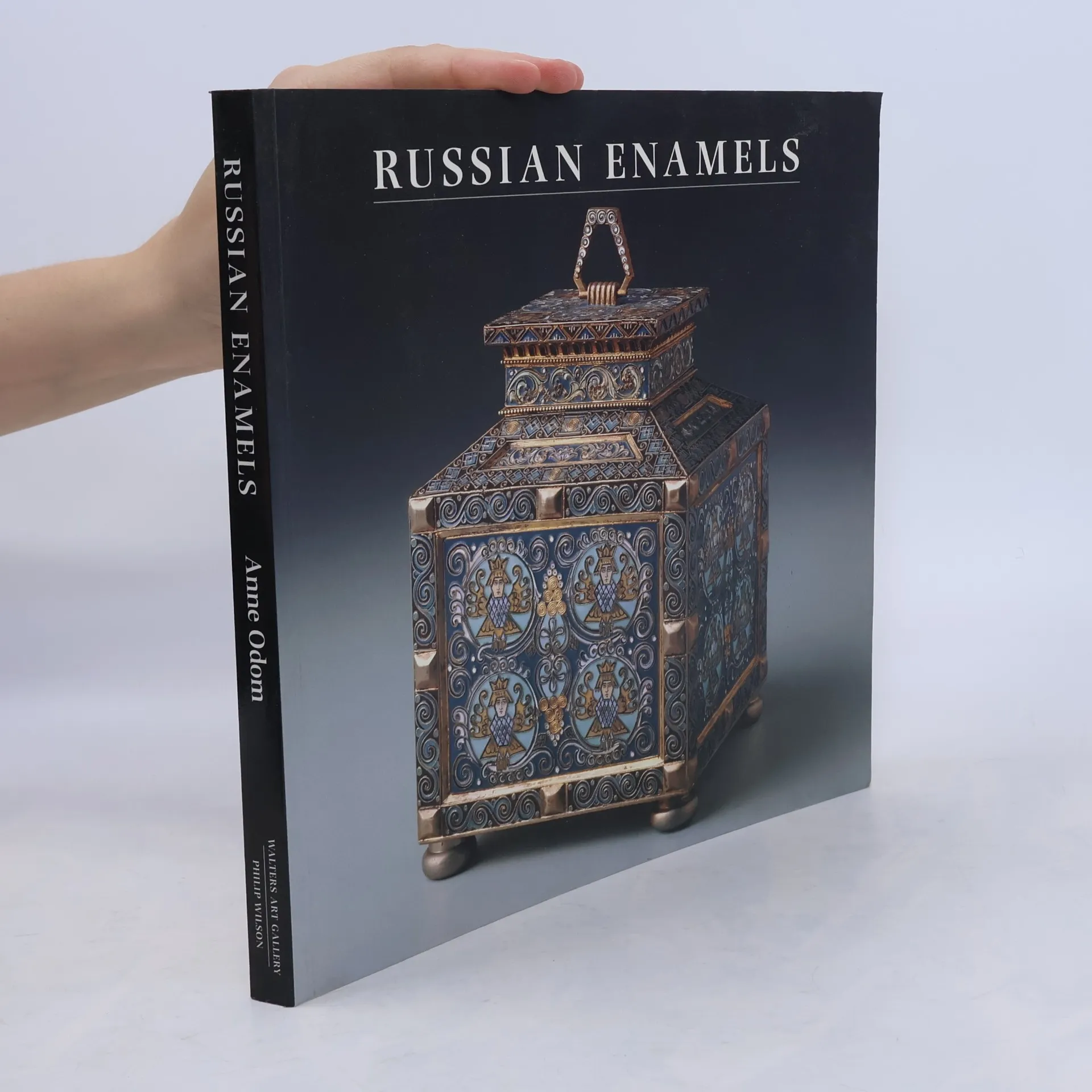
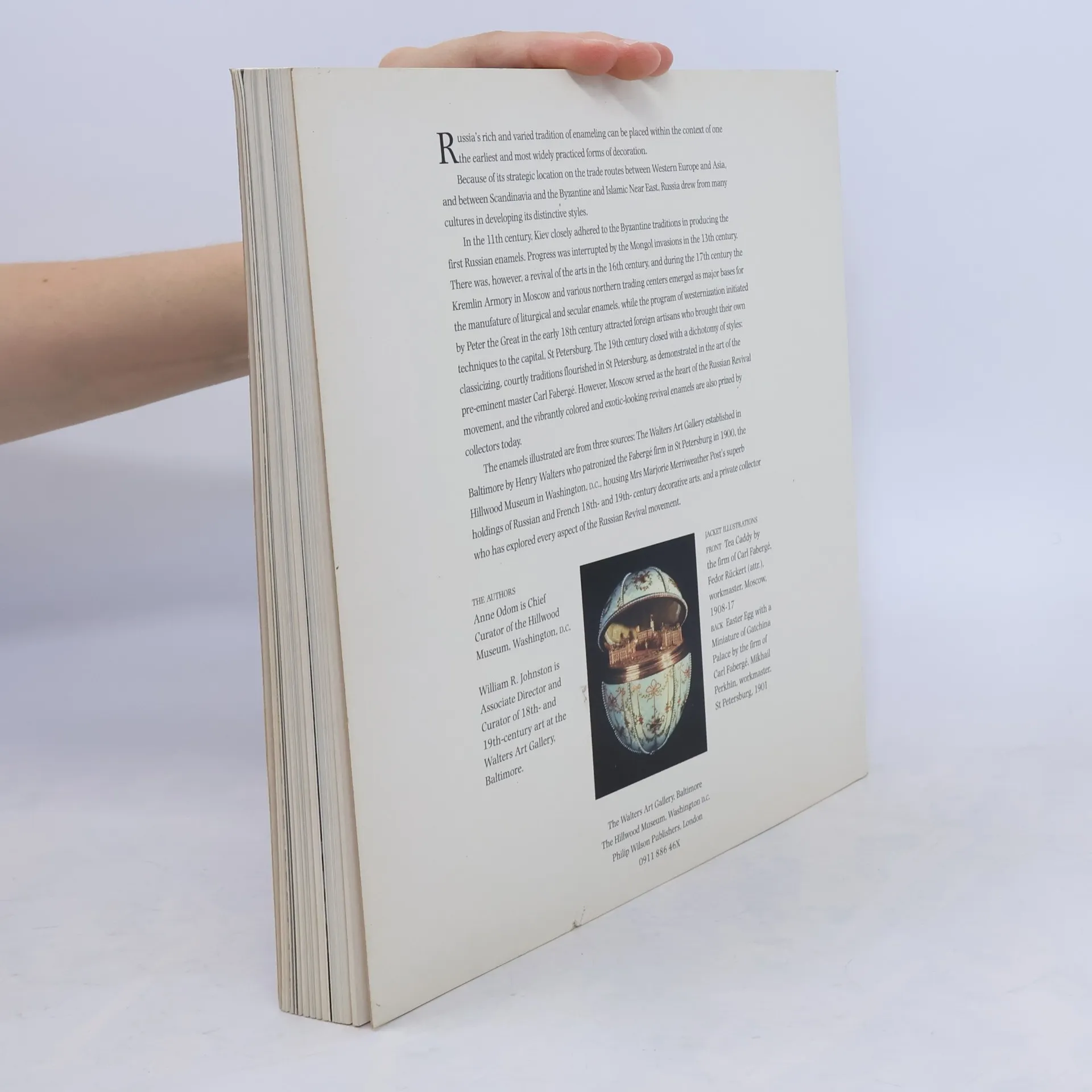
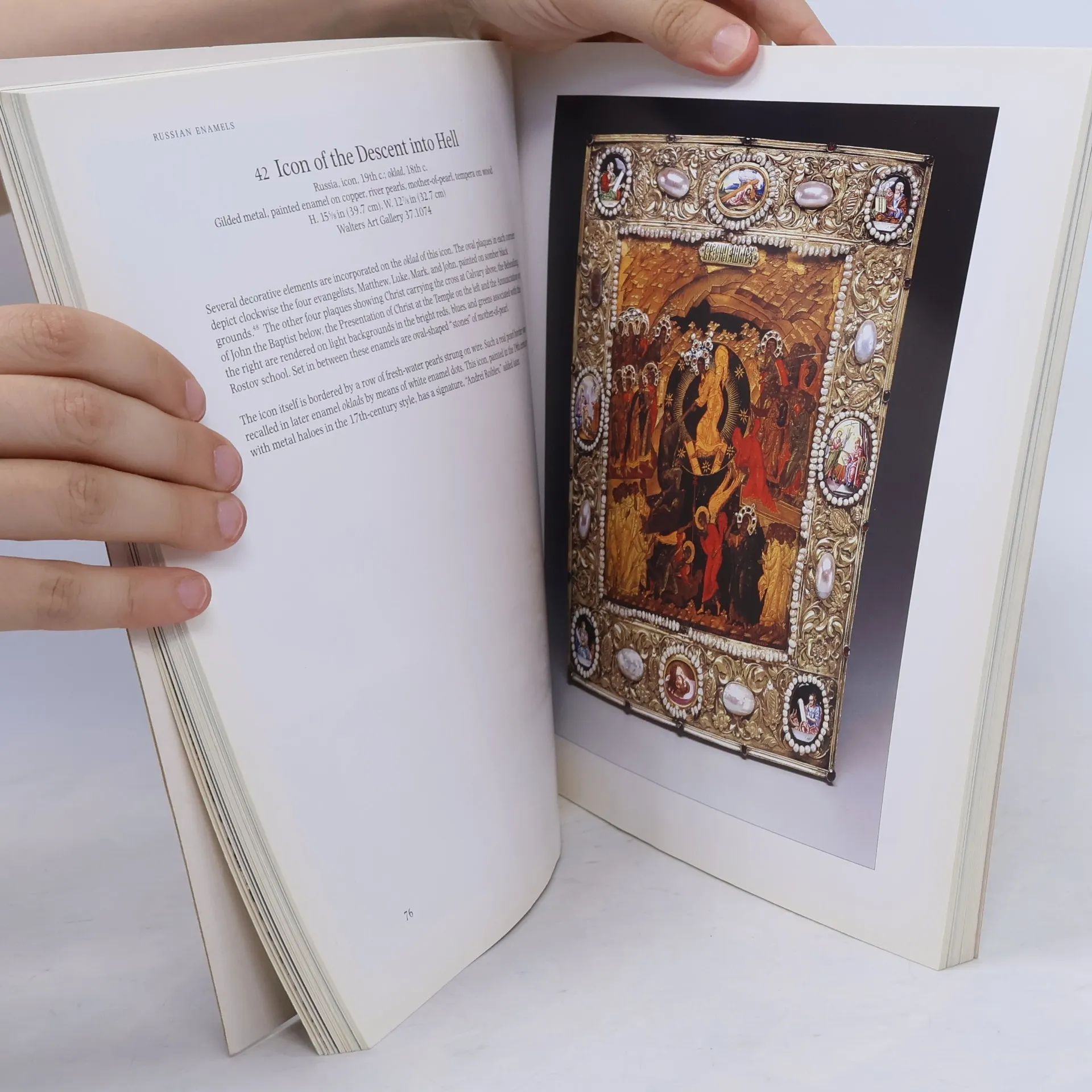
In the late tenth century, Kiev produced enamelled liturgical and secular objects reflecting Byzantine traditions. By the 17th century, the Kremlin Armoury in Moscow and northern trading centres became key manufacturers of both types of enamels. The westernization program initiated by Peter the Great in the early 18th century attracted foreign artisans who introduced new techniques to St. Petersburg. The 19th century showcased a dichotomy of styles: classicizing, courtly traditions thrived in St. Petersburg, exemplified by master Carl Faberge. In contrast, Moscow became the center of the Russian revival movement, celebrated for its vibrantly colored and exotic enamels, which are highly sought after by collectors today. Russia’s strategic location on trade routes between Western Europe, Asia, Scandinavia, and the Byzantine and Islamic Near East significantly influenced its unique enamelling styles and methods. The enamels featured in this work come from three notable sources: Henry Walters, who patronized Faberge in St. Petersburg in 1900; Marjorie Merriweather Post's impressive collection of Russian and French decorative arts at the Hillwood Museum in Washington D.C.; and a private collector exploring the diverse subjects, styles, and techniques of the Russian revival movement.
Achat du livre
Russian Enamels, Anne Odom
- Langue

- Année de publication
- 1996
- Reliure
- (souple)
Modes de paiement
Personne n'a encore évalué .
- Titre
- Russian Enamels
- Sous-titre
- Kievan Rus to Faberge
- Langue
- Anglais
- Auteurs
- Anne Odom
- Éditeur
- Walters Art Museum
- Publié
- 1996
- Format
- souple
- Pages
- 208
- ISBN10
- 091188646X
- ISBN13
- 9780911886467
- Séries
- Mots clés
- Art, Russie, Histoire de l'art, Arts décoratifs
- Description
- In the late tenth century, Kiev produced enamelled liturgical and secular objects reflecting Byzantine traditions. By the 17th century, the Kremlin Armoury in Moscow and northern trading centres became key manufacturers of both types of enamels. The westernization program initiated by Peter the Great in the early 18th century attracted foreign artisans who introduced new techniques to St. Petersburg. The 19th century showcased a dichotomy of styles: classicizing, courtly traditions thrived in St. Petersburg, exemplified by master Carl Faberge. In contrast, Moscow became the center of the Russian revival movement, celebrated for its vibrantly colored and exotic enamels, which are highly sought after by collectors today. Russia’s strategic location on trade routes between Western Europe, Asia, Scandinavia, and the Byzantine and Islamic Near East significantly influenced its unique enamelling styles and methods. The enamels featured in this work come from three notable sources: Henry Walters, who patronized Faberge in St. Petersburg in 1900; Marjorie Merriweather Post's impressive collection of Russian and French decorative arts at the Hillwood Museum in Washington D.C.; and a private collector exploring the diverse subjects, styles, and techniques of the Russian revival movement.