


En savoir plus sur le livre
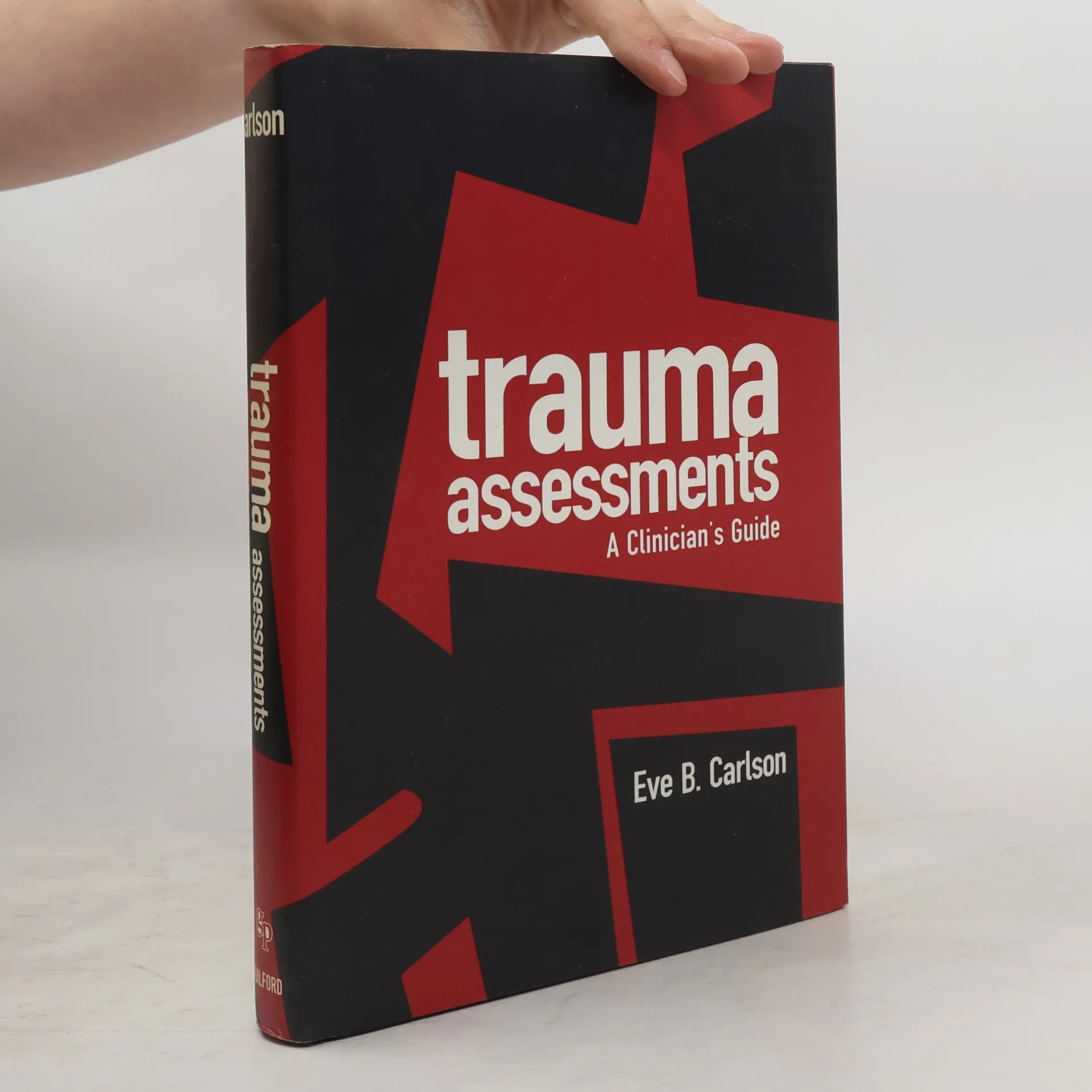
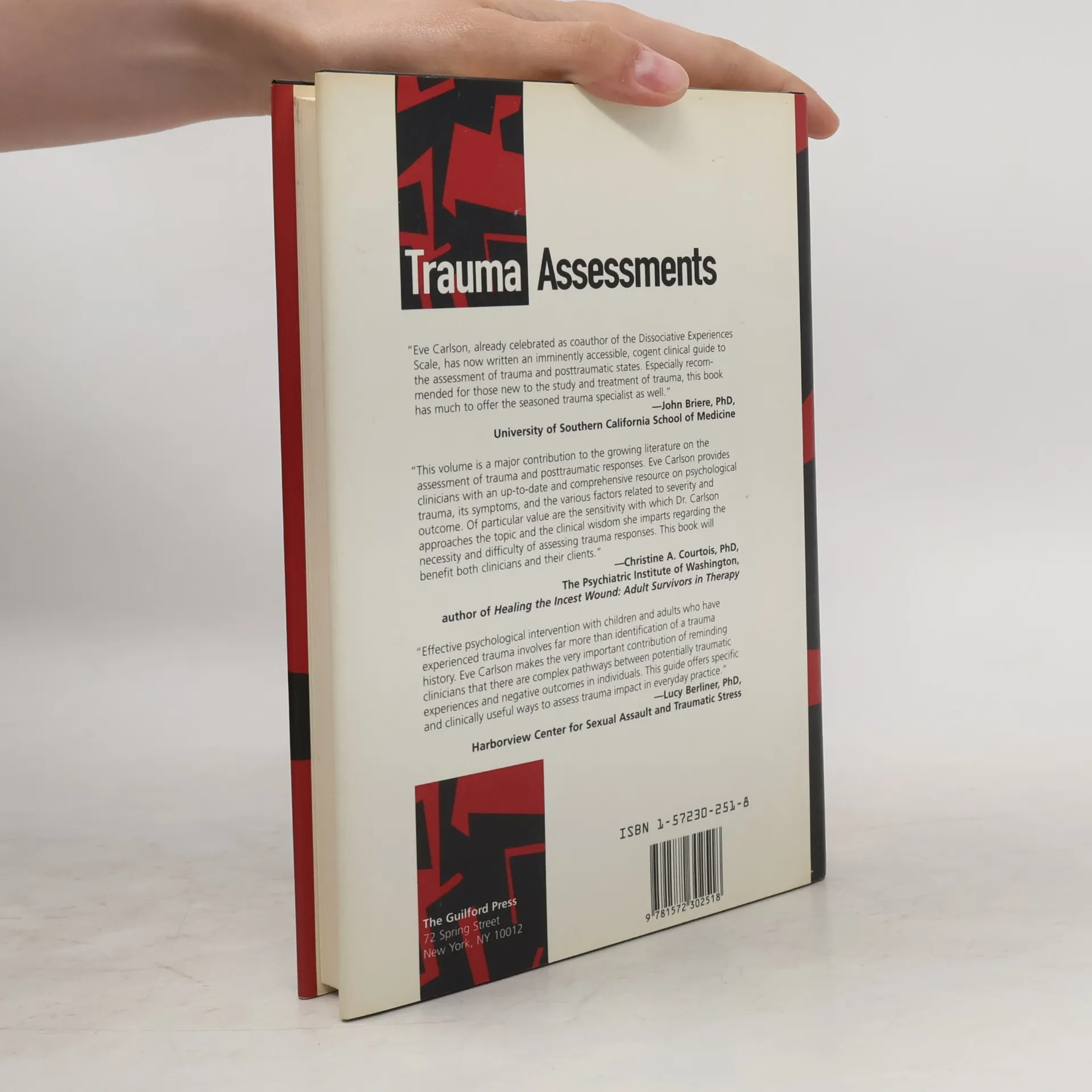
Providing the information and guidance clinicians need to understand and assess psychological trauma and its effects, this book presents a step-by-step approach to conducting careful, appropriate, and accurate trauma assessments. From the initial screening, to the selection and administration of more in-depth measures for particular clients, to evaluating results and making a diagnosis, the author helps readers maximize their time and resources and brings much-needed clarity to what can be a confusing and difficult process. Instruments covered include self-report measures and structured interviews of trauma and trauma responses for adults and children. Detailed profiles of 36 measures recommended by the author--many not previously described in the clinical literature, and many available at low or no cost--identify each instrument's suggested uses, special features, format, and psychometric properties, as well as how it can be obtained.
Achat du livre
Trauma Assessments, Eve B. Carlson
- Langue

- Année de publication
- 1997
- Reliure
- (rigide)
Modes de paiement
Personne n'a encore évalué .
- Titre
- Trauma Assessments
- Sous-titre
- A Clinician's Guide
- Langue
- Anglais
- Auteurs
- Eve B. Carlson
- Éditeur
- Guilford Press
- Publié
- 1997
- Format
- rigide
- Pages
- 307
- ISBN10
- 1572302518
- ISBN13
- 9781572302518
- Séries
- Catégories
- Mots clés
- Thèmes psychologiques, Manuels et guides, États-Unis, Médecine, Santé mentale, Psychothérapie, Recherche, Psychiatrie, Stress, Psychologie clinique, Médecine d'Urgence
- Description
- Providing the information and guidance clinicians need to understand and assess psychological trauma and its effects, this book presents a step-by-step approach to conducting careful, appropriate, and accurate trauma assessments. From the initial screening, to the selection and administration of more in-depth measures for particular clients, to evaluating results and making a diagnosis, the author helps readers maximize their time and resources and brings much-needed clarity to what can be a confusing and difficult process. Instruments covered include self-report measures and structured interviews of trauma and trauma responses for adults and children. Detailed profiles of 36 measures recommended by the author--many not previously described in the clinical literature, and many available at low or no cost--identify each instrument's suggested uses, special features, format, and psychometric properties, as well as how it can be obtained.