

En savoir plus sur le livre
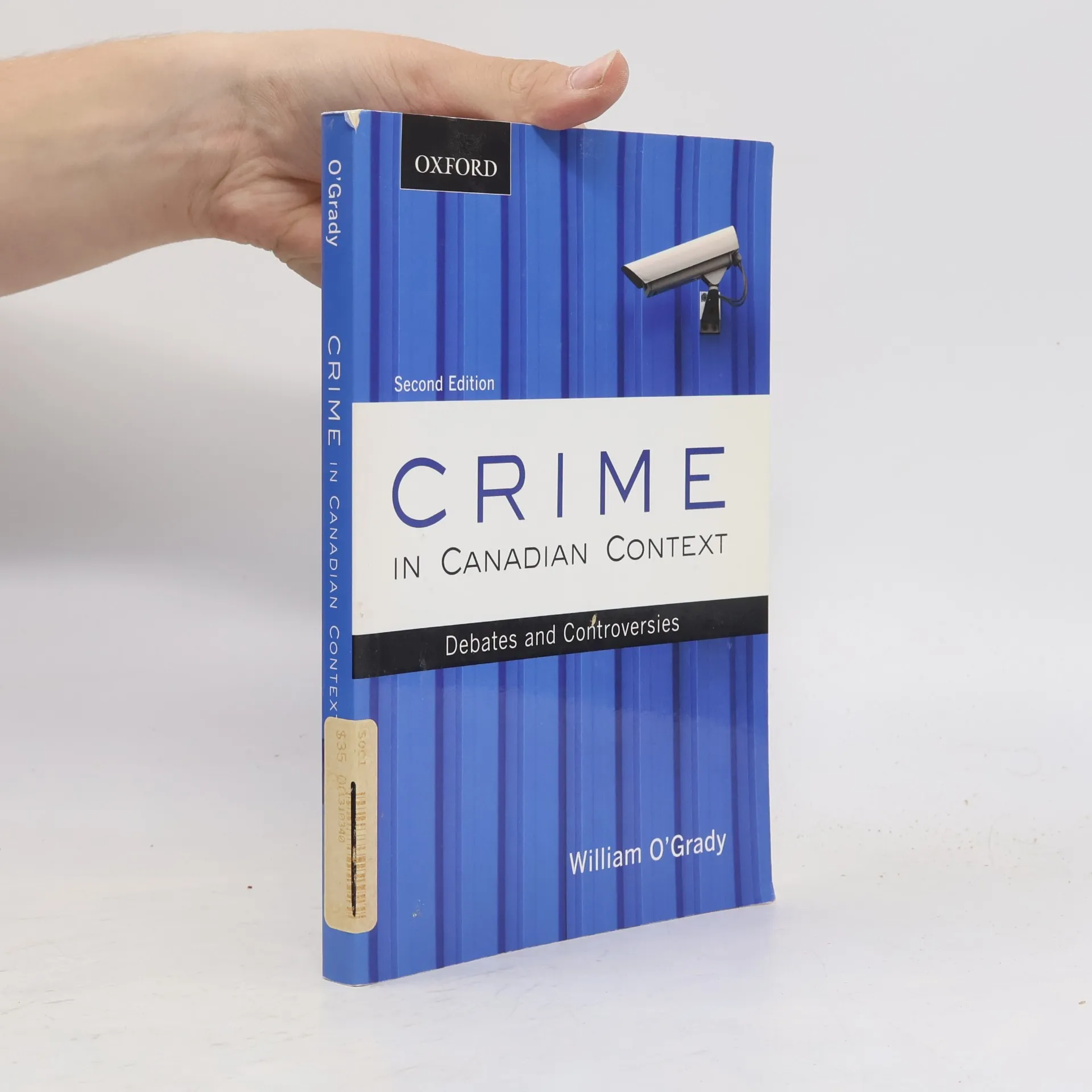
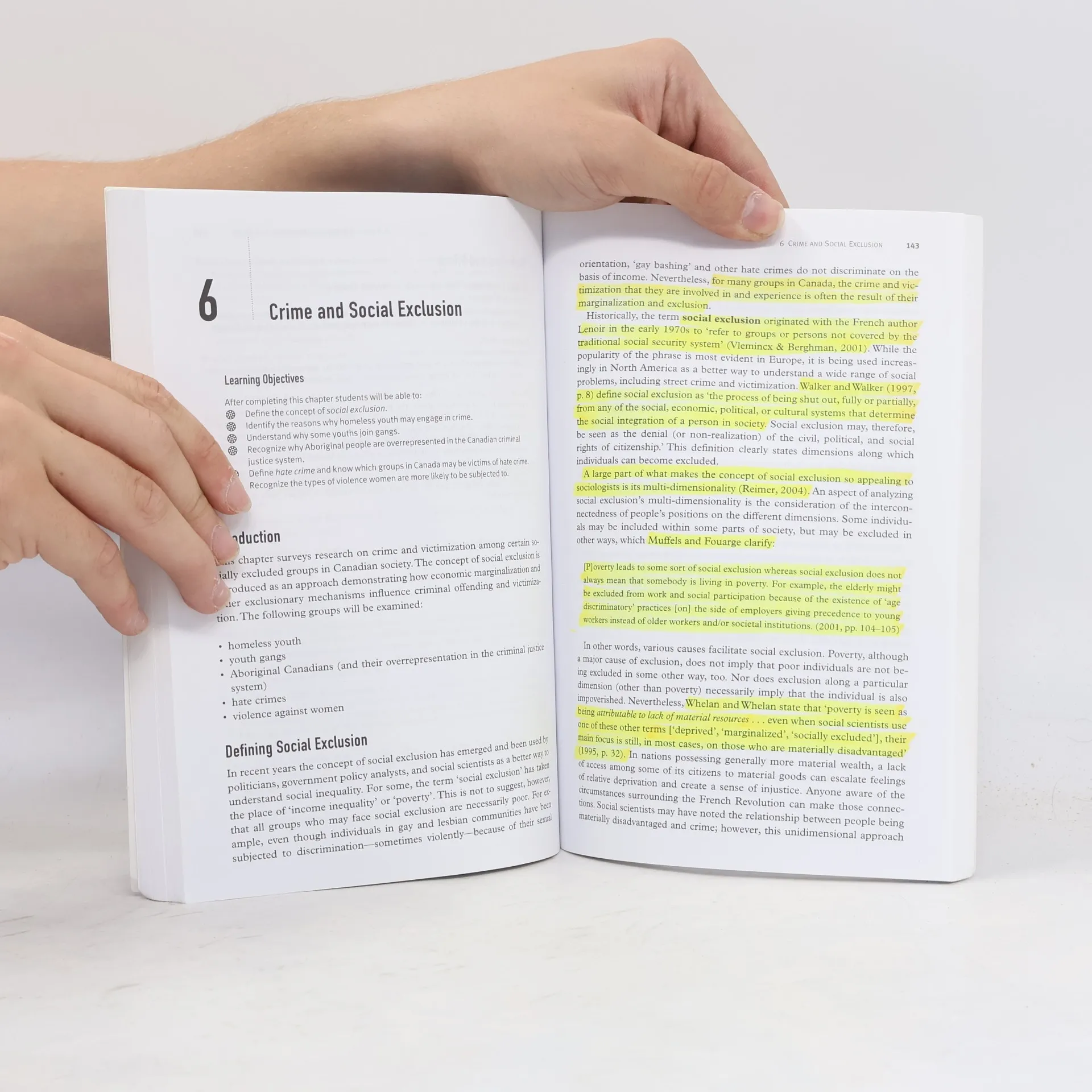
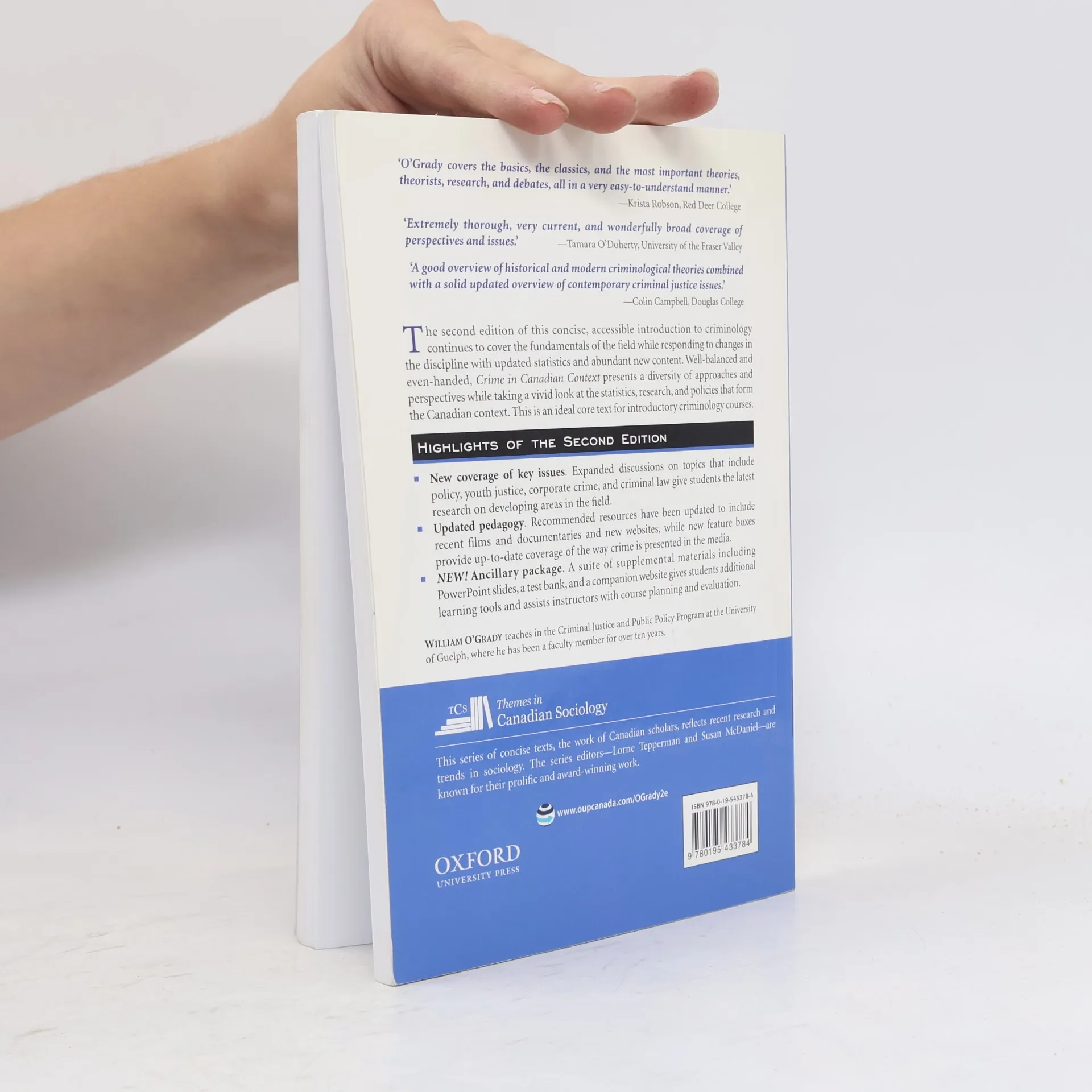
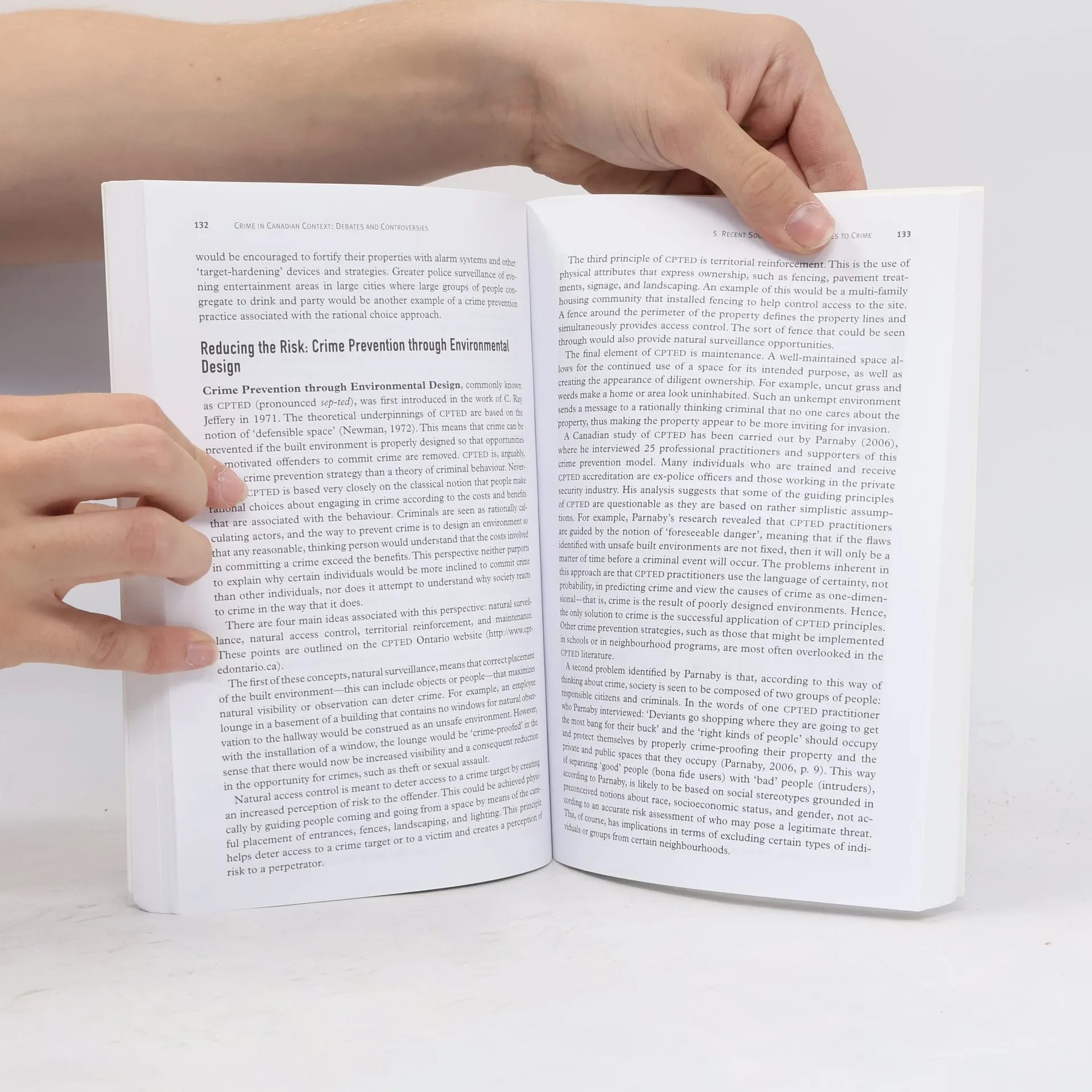
Crime in Canadian Context: Debates and Controversies , 2/e, is a concise, accessible introduction to criminology. Building on the success of the first edition, author William O'Grady continues to cover the fundamentals of the field while responding to changes in the discipline with updated statistics and revised content throughout. Well-balanced and even-handed, this book aims to avoid promoting one particular approach to crime over others. Students will study how crime is defined, presented, and perceived before moving on to comprehensive chapters outlining measurement and analysis of crime, non-sociological explanations of crime, criminological theory, social inequality and crime, organizational crime, and intersections with the law and the criminal justice system. Providing a vivid look at the statistics, research, and policies that form the Canadian context, this text will be appreciated by students for its succinct style, brevity, and relevance at every turning point. New material includes expanded discussions on policy, youth justice, and correlates of crime (age, gender, race, social class), as well as criminal law, crime and global and media issues, and recommended films and documentaries.
Achat du livre
Crime in Canadian Context, William O'Grady
- Langue

- Année de publication
- 2011
- Reliure
- (souple),
- État du livre
- Abîmé
- Prix
- 5,98 €
Modes de paiement
Personne n'a encore évalué .
- Titre
- Crime in Canadian Context
- Sous-titre
- Debates and Controversies - Second Edition
- Langue
- Anglais
- Auteurs
- William O'Grady
- Éditeur
- Oxford University Press
- Publié
- 2011
- Format
- souple
- Pages
- 280
- ISBN10
- 0195433785
- ISBN13
- 9780195433784
- Séries
- Catégories
- Mots clés
- Description
- Crime in Canadian Context: Debates and Controversies , 2/e, is a concise, accessible introduction to criminology. Building on the success of the first edition, author William O'Grady continues to cover the fundamentals of the field while responding to changes in the discipline with updated statistics and revised content throughout. Well-balanced and even-handed, this book aims to avoid promoting one particular approach to crime over others. Students will study how crime is defined, presented, and perceived before moving on to comprehensive chapters outlining measurement and analysis of crime, non-sociological explanations of crime, criminological theory, social inequality and crime, organizational crime, and intersections with the law and the criminal justice system. Providing a vivid look at the statistics, research, and policies that form the Canadian context, this text will be appreciated by students for its succinct style, brevity, and relevance at every turning point. New material includes expanded discussions on policy, youth justice, and correlates of crime (age, gender, race, social class), as well as criminal law, crime and global and media issues, and recommended films and documentaries.