


En savoir plus sur le livre
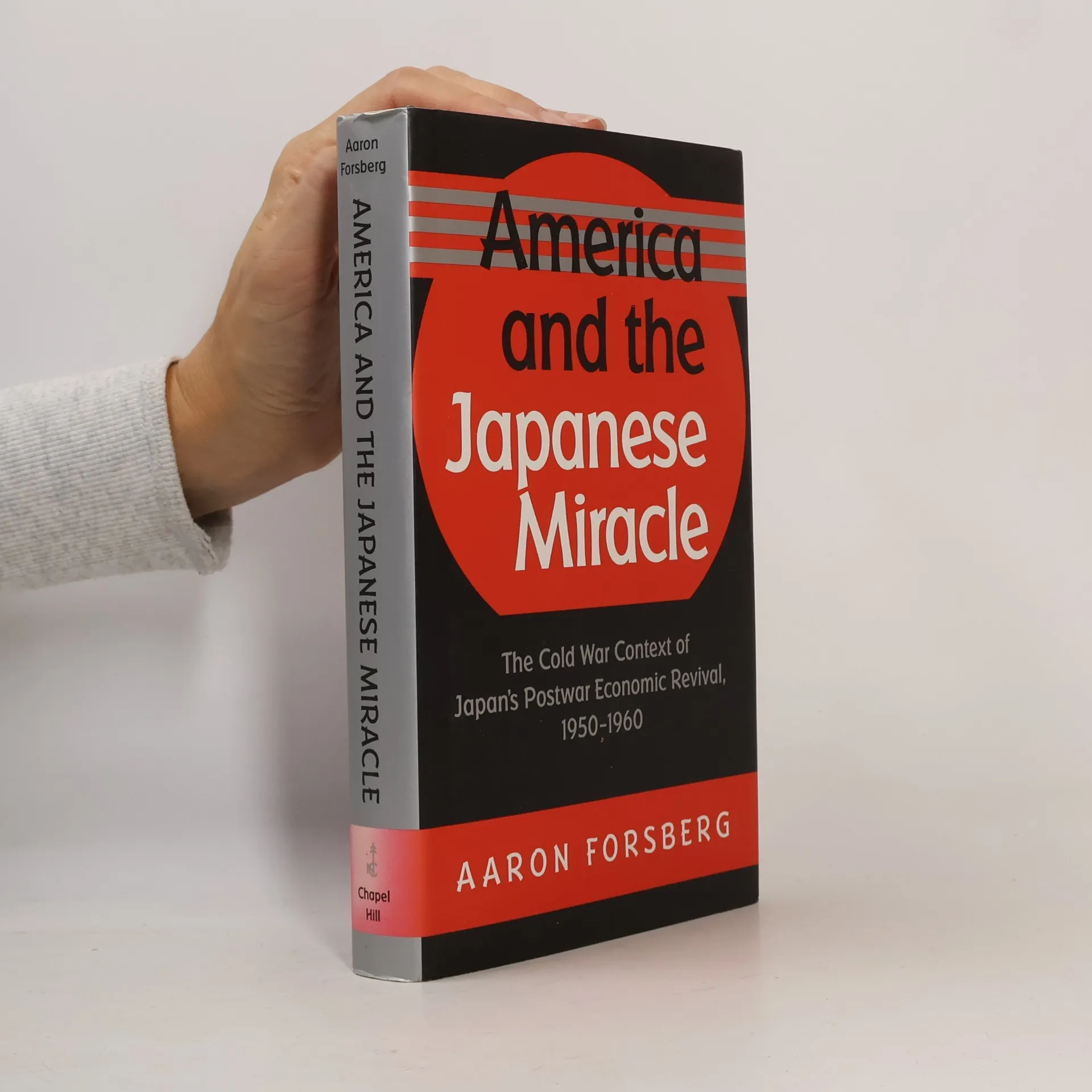
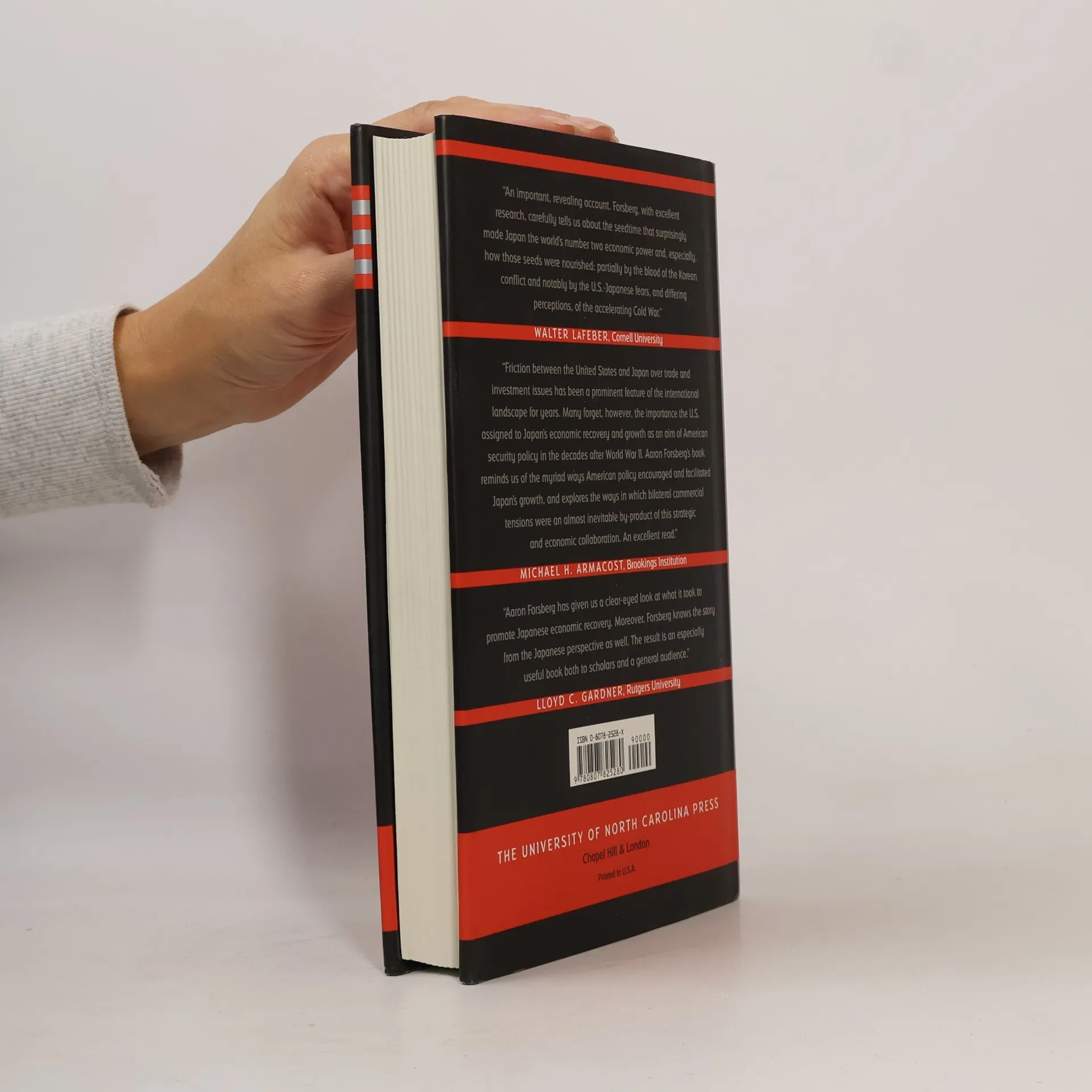
In this book, Aaron Forsberg presents an arresting account of Japan's postwar economic resurgence in a world polarized by the Cold War. His fresh interpretation highlights the many connections between Japan's economic revival and changes that occurred in the wider world during the 1950s.Drawing on a wealth of recently released American, British, and Japanese archival records, Forsberg demonstrates that American Cold War strategy and the U.S. commitment to liberal trade played a central role in promoting Japanese economic welfare and in forging the economic relationship between Japan and the United States. The price of economic opportunity and interdependence, however, was a strong undercurrent of mutual frustration, as patterns of conflict and compromise over trade, investment, and relations with China continued to characterize the postwar U.S.-Japanese relationship.Forsberg's emphasis on the dynamic interaction of Cold War strategy, the business environment, and Japanese development challenges "revisionist" interpretations of Japan's success. In exploring the complex origins of the U.S.-led international economy that has outlasted the Cold War, Forsberg refutes the claim that the U.S. government sacrificed American commercial interests in favor of its military partnership with Japan.
Achat du livre
America and the Japanese Miracle, Aaron Forsberg
- Langue

- Année de publication
- 2000
- Reliure
- (rigide),
- État du livre
- Bon
- Prix
- 25,49 €
Modes de paiement
Personne n'a encore évalué .
- Titre
- America and the Japanese Miracle
- Sous-titre
- The Cold War Context of Japan's Postwar Economic Revival, 1950-1960
- Langue
- Anglais
- Auteurs
- Aaron Forsberg
- Éditeur
- Univ of North Carolina Pr
- Publié
- 2000
- Format
- rigide
- Pages
- 332
- ISBN10
- 080782528X
- ISBN13
- 9780807825280
- Séries
- Mots clés
- Commerce, Politique, Guerre Froide
- Description
- In this book, Aaron Forsberg presents an arresting account of Japan's postwar economic resurgence in a world polarized by the Cold War. His fresh interpretation highlights the many connections between Japan's economic revival and changes that occurred in the wider world during the 1950s.Drawing on a wealth of recently released American, British, and Japanese archival records, Forsberg demonstrates that American Cold War strategy and the U.S. commitment to liberal trade played a central role in promoting Japanese economic welfare and in forging the economic relationship between Japan and the United States. The price of economic opportunity and interdependence, however, was a strong undercurrent of mutual frustration, as patterns of conflict and compromise over trade, investment, and relations with China continued to characterize the postwar U.S.-Japanese relationship.Forsberg's emphasis on the dynamic interaction of Cold War strategy, the business environment, and Japanese development challenges "revisionist" interpretations of Japan's success. In exploring the complex origins of the U.S.-led international economy that has outlasted the Cold War, Forsberg refutes the claim that the U.S. government sacrificed American commercial interests in favor of its military partnership with Japan.