

En savoir plus sur le livre
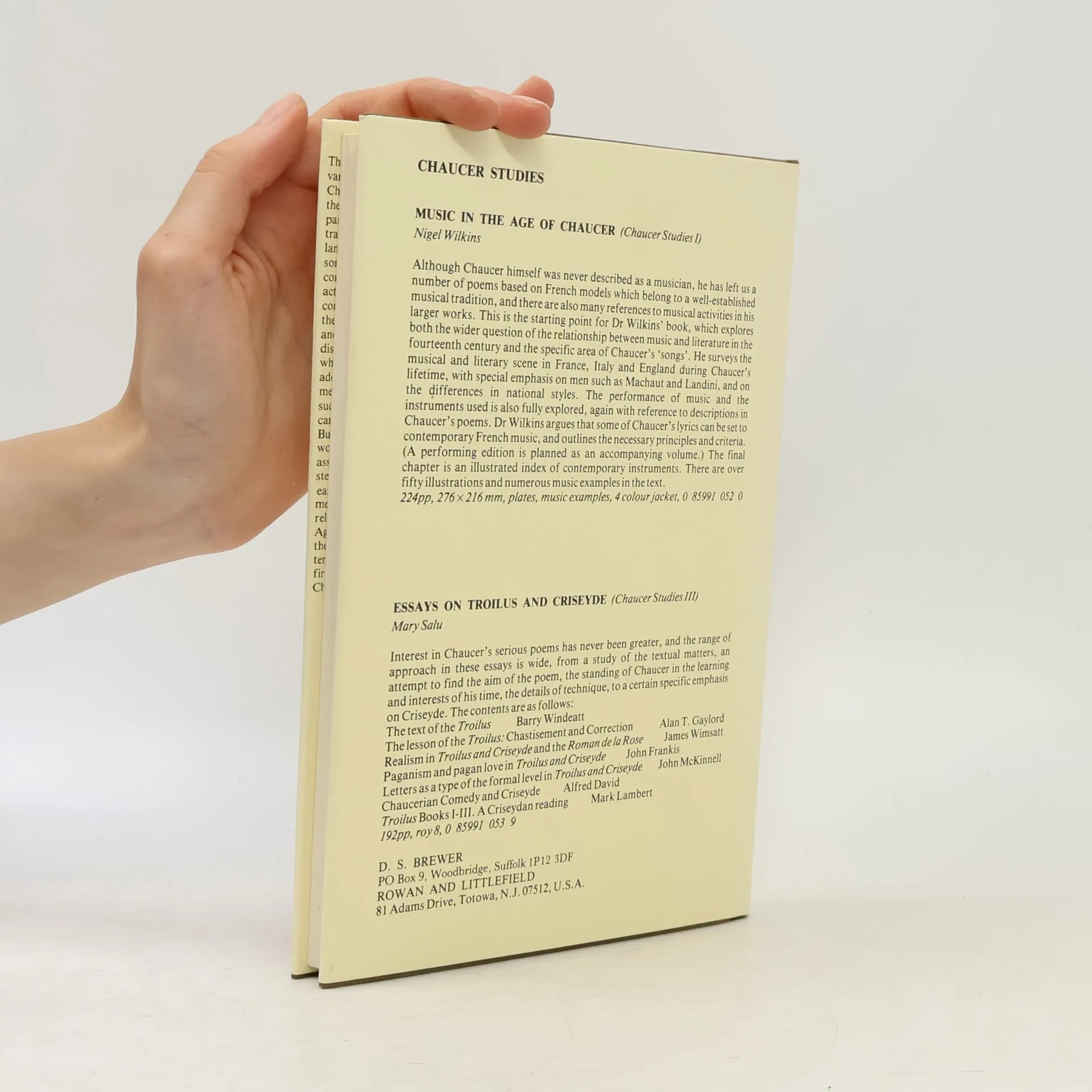
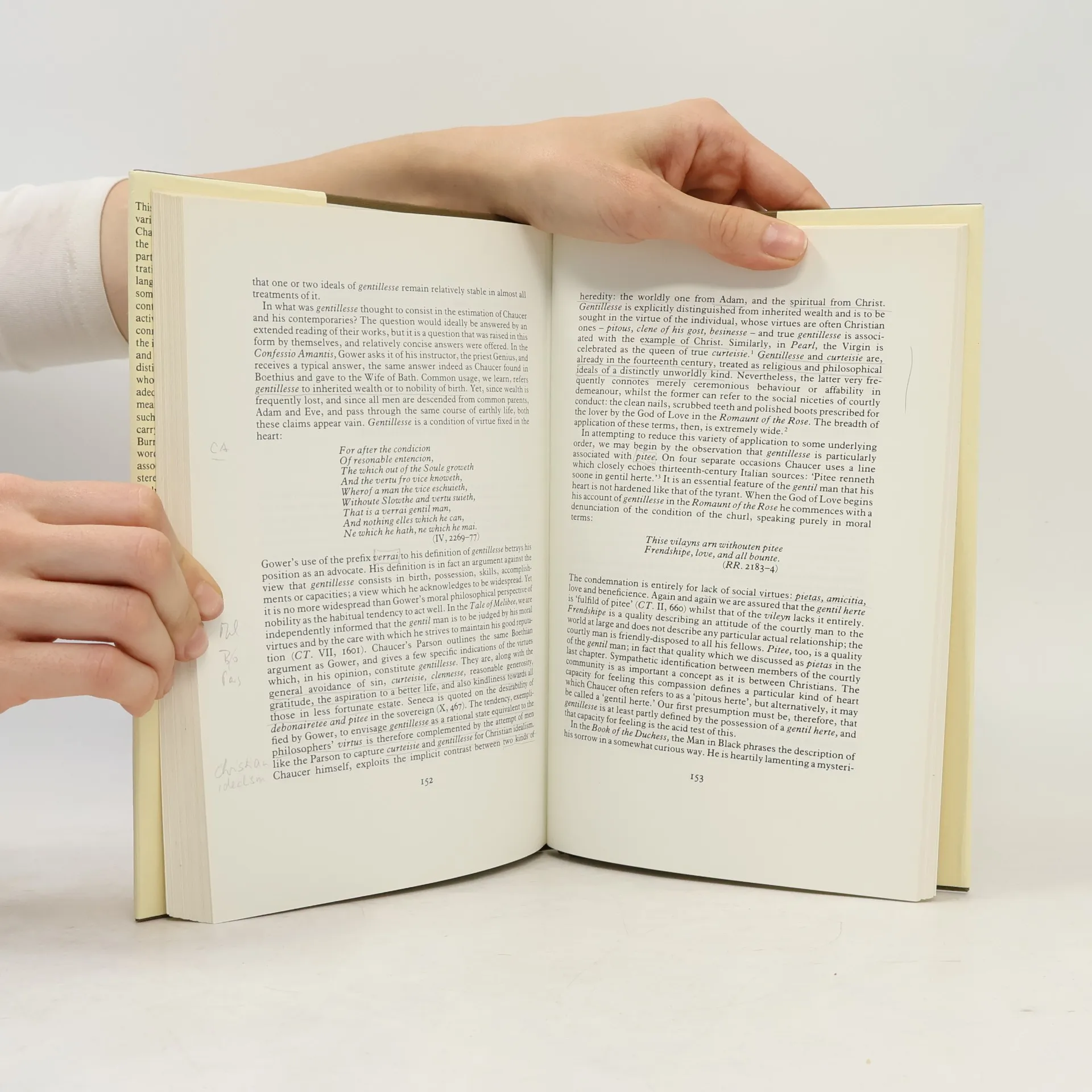
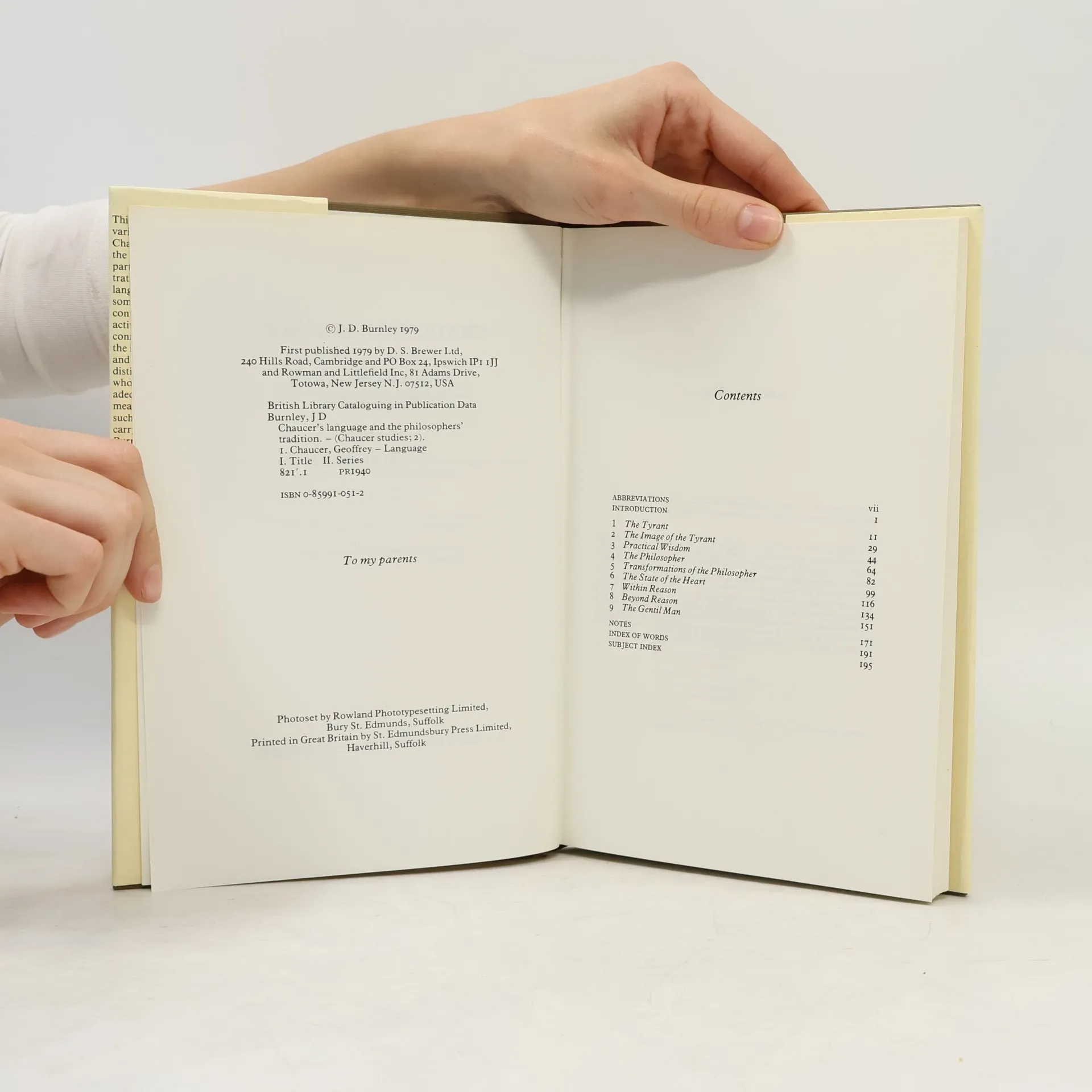
This book is designed to explore the various kinds of association found in Chaucer's lexical usage, and so to alert the reader to the wider implications of particular words and phrases. By concentrating on the `architecture' of the language, Dr Burnley offers what is in some respects an antidote to the skilled contextual glossing of the editor, whose activities may often obscure important connections. Such connections are vital to the interpretation of any work as a whole, and awareness of them is what distinguishes the scholar from the student who can `translate' Chaucer perfectly adequately without being aware of deeper meanings. Even apparently simple words such as cruel, mercy and pity can often carry subtle echoes and overtones. Dr Burnley is particularly concerned with words which carry some conceptual association, and thus with moral stereotypes inherited from classical and early medieval philosophy, which formed the currency of both secular and religious ideals of conduct in the Middle Ages. His prime concern is to identify the themes and symbols and their characteristic language, and thus to provide a firm basis for critical investigation in Chaucer's literary use of this material.
Achat du livre
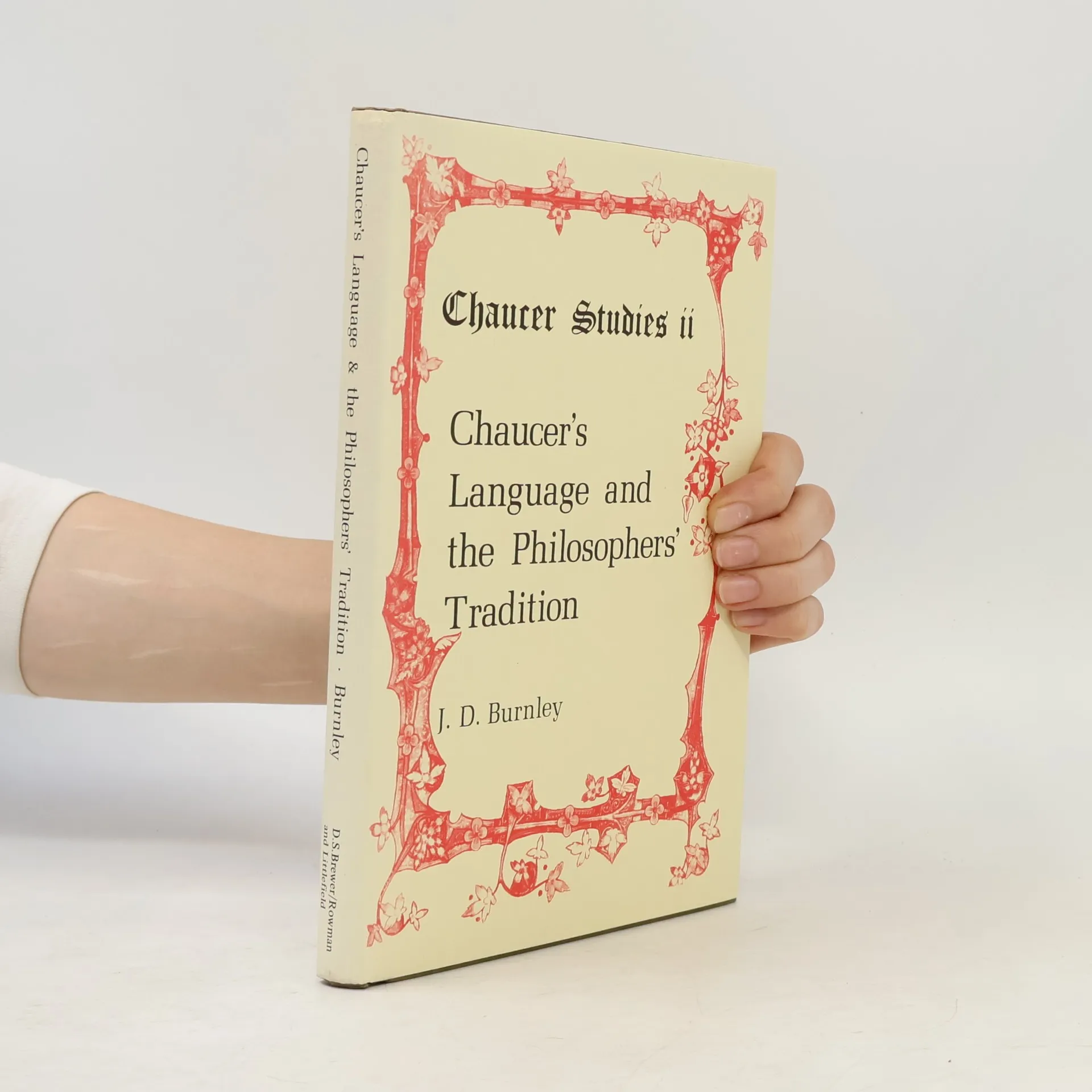
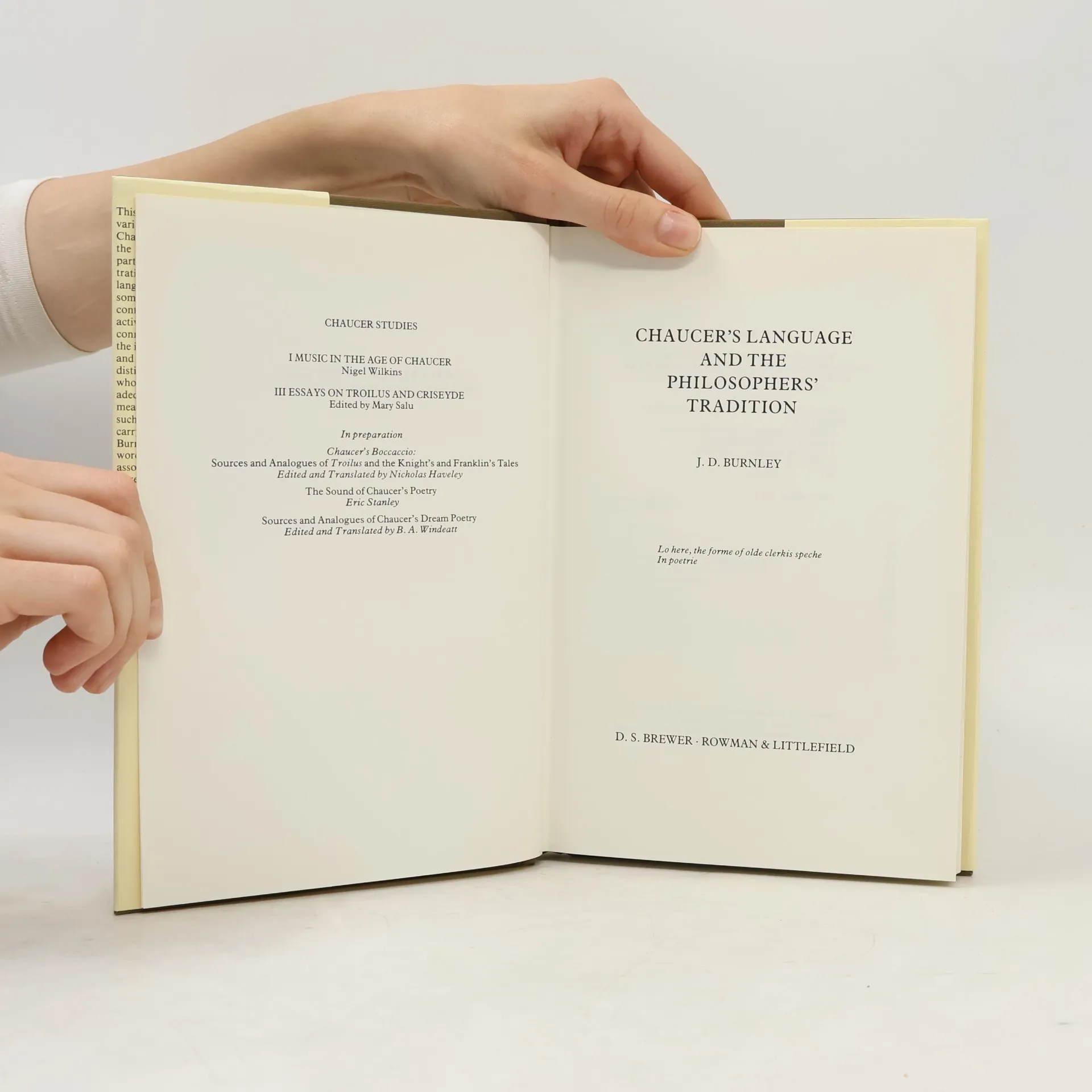
Chaucer Studies - 2: Chaucer's Language and the Philosophers' Tradition, J. D. Burnley
- Langue

- Année de publication
- 1970
- Reliure
- (rigide),
- État du livre
- Bon
- Prix
- 27,99 €
Modes de paiement
Personne n'a encore évalué .
- Titre
- Chaucer Studies - 2: Chaucer's Language and the Philosophers' Tradition
- Langue
- Anglais
- Auteurs
- J. D. Burnley
- Éditeur
- Brewer
- Publié
- 1970
- Format
- rigide
- Pages
- 206
- ISBN10
- 0859910512
- ISBN13
- 9780859910514
- Séries
- Mots clés
- Thématique philosophique, Moyen Âge, Critique littéraire
- Description
- This book is designed to explore the various kinds of association found in Chaucer's lexical usage, and so to alert the reader to the wider implications of particular words and phrases. By concentrating on the `architecture' of the language, Dr Burnley offers what is in some respects an antidote to the skilled contextual glossing of the editor, whose activities may often obscure important connections. Such connections are vital to the interpretation of any work as a whole, and awareness of them is what distinguishes the scholar from the student who can `translate' Chaucer perfectly adequately without being aware of deeper meanings. Even apparently simple words such as cruel, mercy and pity can often carry subtle echoes and overtones. Dr Burnley is particularly concerned with words which carry some conceptual association, and thus with moral stereotypes inherited from classical and early medieval philosophy, which formed the currency of both secular and religious ideals of conduct in the Middle Ages. His prime concern is to identify the themes and symbols and their characteristic language, and thus to provide a firm basis for critical investigation in Chaucer's literary use of this material.