

Épuisé, mais très demandé!



En savoir plus sur le livre
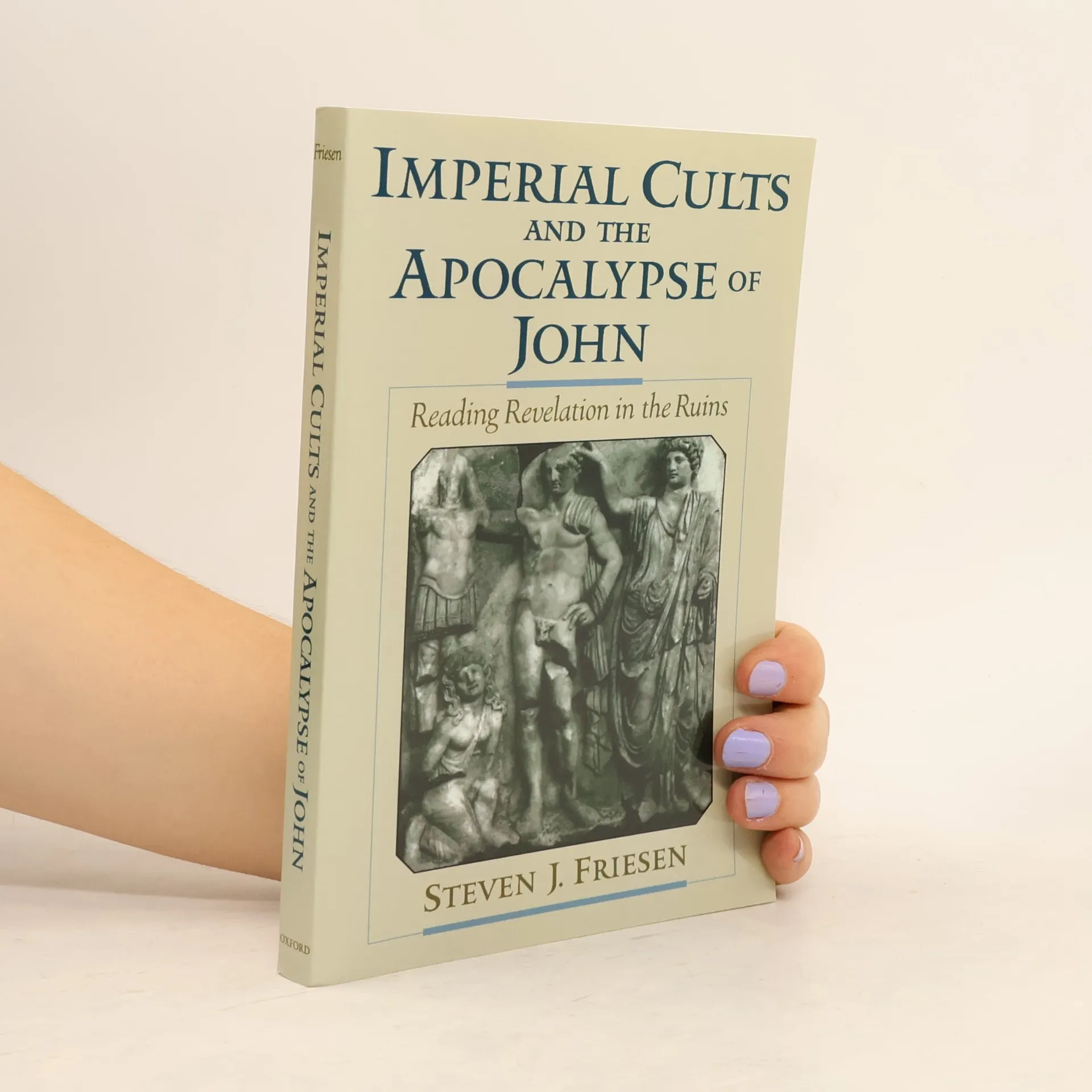
After more than a century of debate about the significance of imperial cults for the interpretation of Revelation, this is the first study to examine both the archaeological evidence and the Biblical text in depth. Friesen argues that a detailed analysis of imperial cults as they were practiced in the first century CE in the region where John was active allows us to understand John's criticism of his society's dominant values. He demonstrates the importance of imperial cults for society at the time when Revelation was written, and shows the ways in which John refuted imperial cosmology through his use of vision, myth, and eschatological expectation.
Achat du livre
Imperial Cults and the Apocalypse of John, Steven J. Friesen
- Langue

- Année de publication
- 2001
- Reliure
- (souple)
Nous vous informerons par e-mail dès que nous l’aurons retrouvé.
Modes de paiement
Personne n'a encore évalué .
- Titre
- Imperial Cults and the Apocalypse of John
- Sous-titre
- Reading Revelation in the Ruins
- Langue
- Anglais
- Auteurs
- Steven J. Friesen
- Éditeur
- Oxford University Press
- Publié
- 2001
- Format
- souple
- Pages
- 304
- ISBN10
- 0195188217
- ISBN13
- 9780195188219
- Séries
- Catégories
- Mots clés
- Thème historique, Thèmes religieux, Thèmes chrétiens, Théologie, Époque antique, Éthique, Rome, Nouveau Testament, Sectes et cultes
- Description
- After more than a century of debate about the significance of imperial cults for the interpretation of Revelation, this is the first study to examine both the archaeological evidence and the Biblical text in depth. Friesen argues that a detailed analysis of imperial cults as they were practiced in the first century CE in the region where John was active allows us to understand John's criticism of his society's dominant values. He demonstrates the importance of imperial cults for society at the time when Revelation was written, and shows the ways in which John refuted imperial cosmology through his use of vision, myth, and eschatological expectation.