

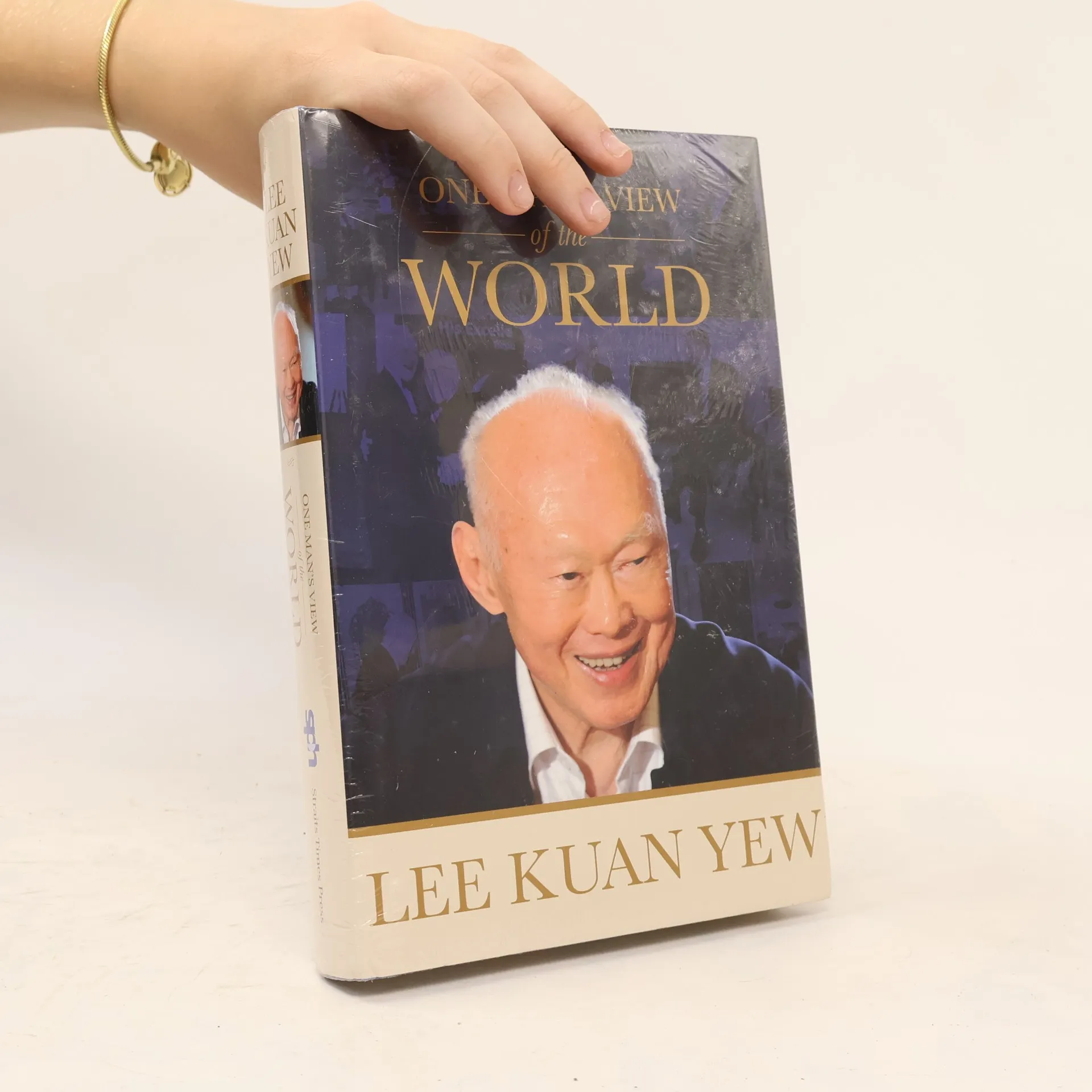
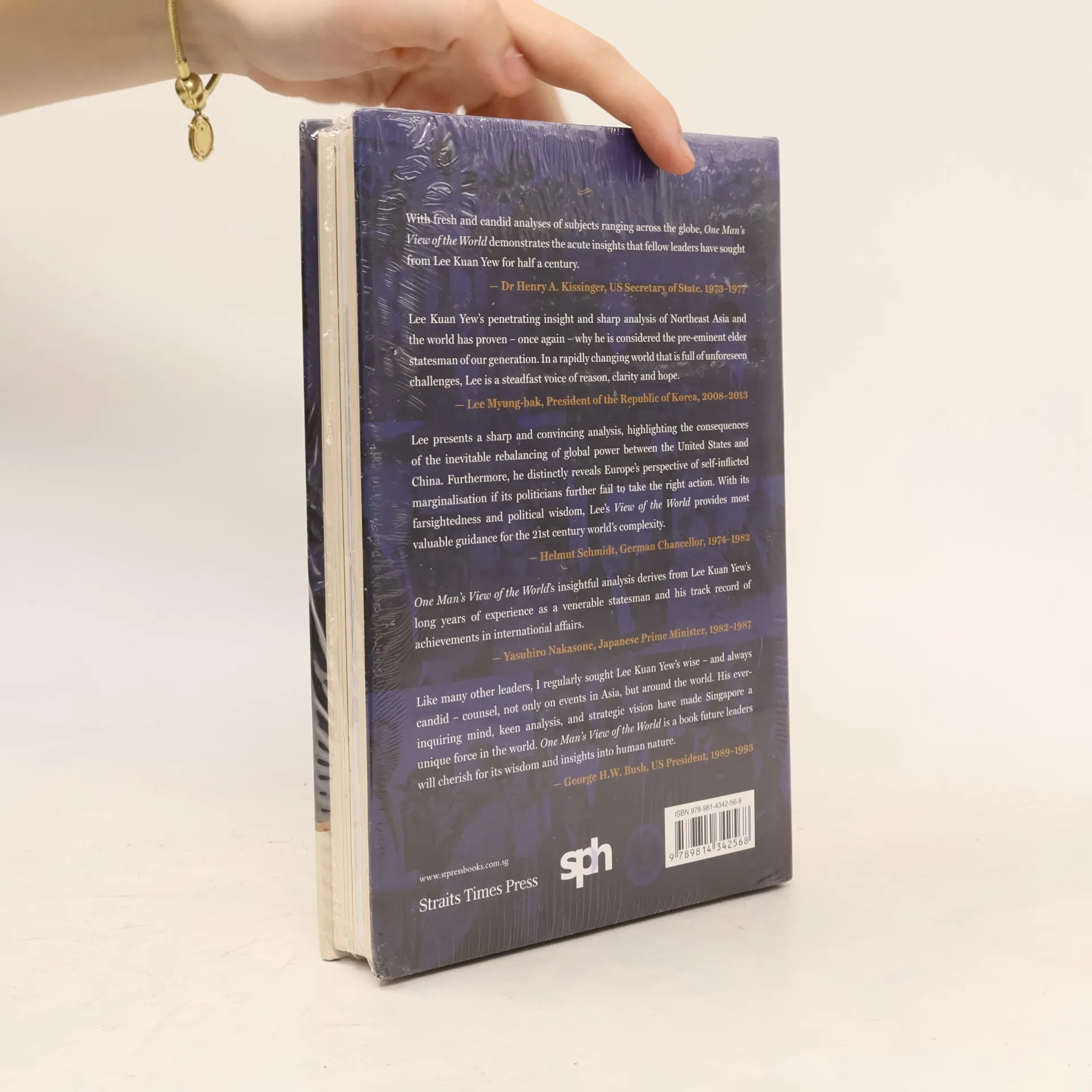
En savoir plus sur le livre
In this compelling narrative, Lee draws from his extensive experience to explore the current global landscape and its potential evolution over the next two decades. This is not a conventional geopolitical analysis but a sweeping examination of America, China, Asia, and Europe, delving into societal dynamics and the psyche of their people. He assesses their adaptability and prospects in the future balance of power. Lee's unflinching prose, free from political correctness, portrays a China fixated on centralized control amid its rise, an America facing the necessity of sharing its dominance despite its resilience, and a Europe grappling with unity amidst challenges. His candid insights on Japan's insularity, the limitations of the Arab Spring in delivering democracy, and the pragmatic approach to global warming add depth to his observations. The book concludes with reflections on Singapore's future, a subject close to his heart, alongside personal anecdotes and thoughts on mortality. Additionally, each chapter features a Q&A section derived from discussions with journalists from The Straits Times, enriching the narrative with diverse perspectives.
Achat du livre
One Man's View of the World, Kuan Yew Lee
- Langue

- Année de publication
- 2013
- Reliure
- (rigide),
- État du livre
- Très bon
- Prix
- 41,39 €
Modes de paiement
Personne n'a encore évalué .
- Titre
- One Man's View of the World
- Langue
- Anglais
- Auteurs
- Kuan Yew Lee
- Éditeur
- Straits Times Press
- Publié
- 2013
- Format
- rigide
- Pages
- 348
- ISBN10
- 9814342564
- ISBN13
- 9789814342568
- Séries
- Description
- In this compelling narrative, Lee draws from his extensive experience to explore the current global landscape and its potential evolution over the next two decades. This is not a conventional geopolitical analysis but a sweeping examination of America, China, Asia, and Europe, delving into societal dynamics and the psyche of their people. He assesses their adaptability and prospects in the future balance of power. Lee's unflinching prose, free from political correctness, portrays a China fixated on centralized control amid its rise, an America facing the necessity of sharing its dominance despite its resilience, and a Europe grappling with unity amidst challenges. His candid insights on Japan's insularity, the limitations of the Arab Spring in delivering democracy, and the pragmatic approach to global warming add depth to his observations. The book concludes with reflections on Singapore's future, a subject close to his heart, alongside personal anecdotes and thoughts on mortality. Additionally, each chapter features a Q&A section derived from discussions with journalists from The Straits Times, enriching the narrative with diverse perspectives.