

En savoir plus sur le livre
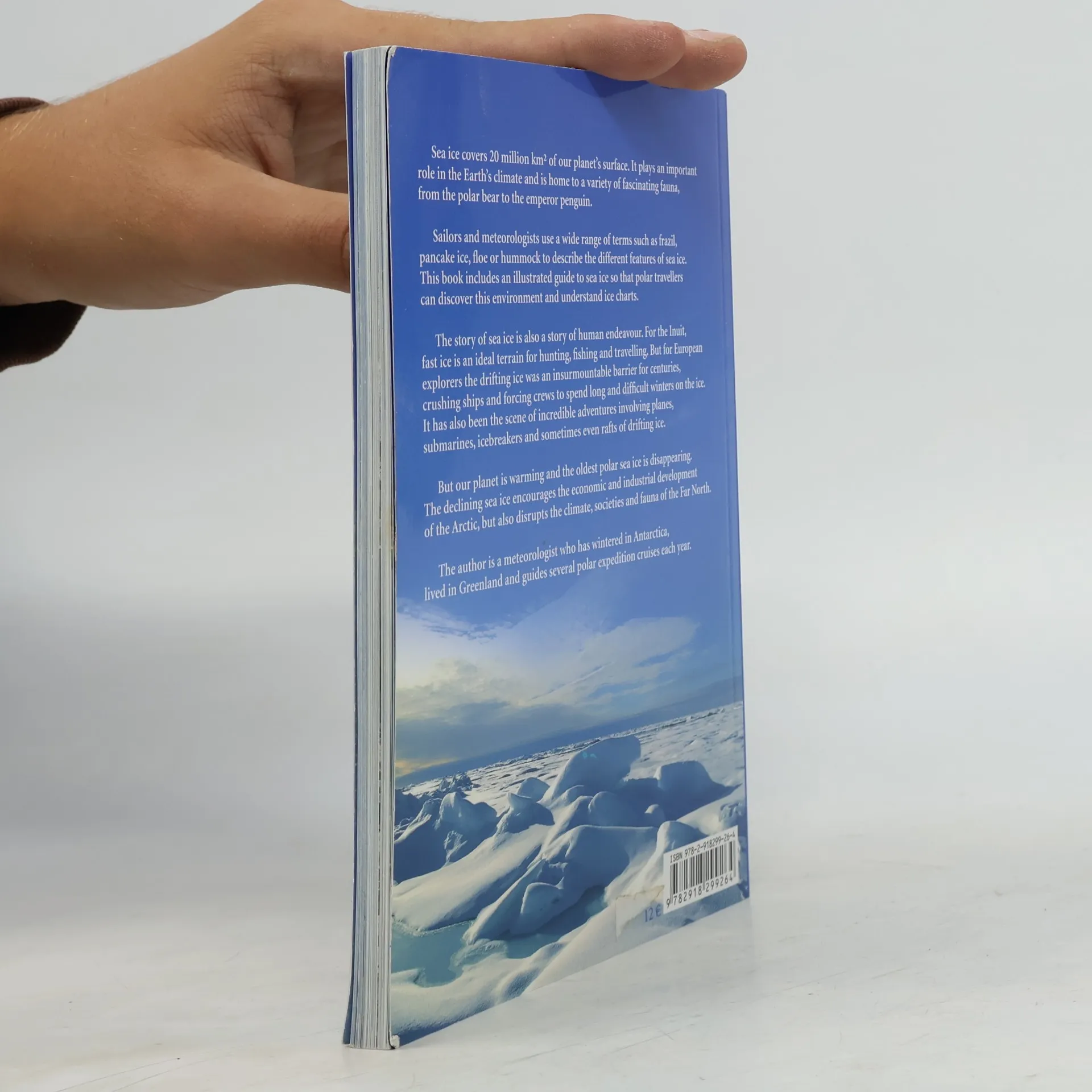
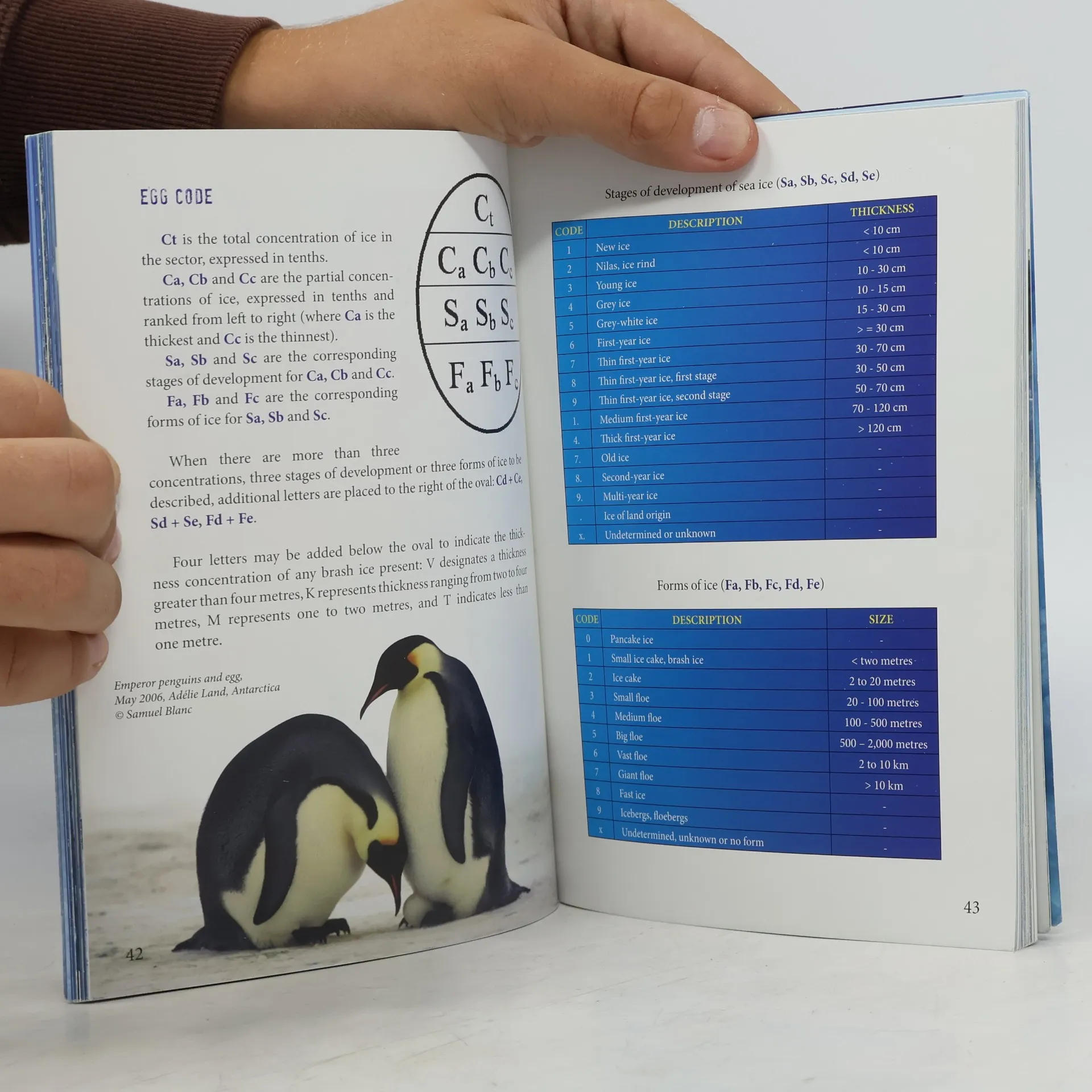
Sea ice covers 20 million km² of our planet's surface. It plays an important role in the Earth's climate and is home to a variety of fascinating fauna, from the polar bear to the emperor penguin. Sailors and meteorologists use a wide range of terms such as frazil, pancake ice, floe or hummock to describe the different features of sea ice. This book includes an illustrated guide to sea ice so that polar travellers can discover this environment and understand ice charts. The story of sea ice is also a story of human endeavour. For the Inuit, fast ice is an ideal terrain for hunting, fishing and travelling. But for European explorers the drifting ice was an insurmountable barrier for centuries, crushing ships and forcing crews to spend long and difficult winters on the ice. It has also been the scene of incredible adventures involving planes, submarines, icebreakers and sometimes even rafts of drifting ice. But our planet is warming and the oldest polar sea ice is disappearing. The declining sea ice encourages the economic and industrial development of the Arctic, but also disrupts the climate, societies and fauna of the Far North.
Achat du livre
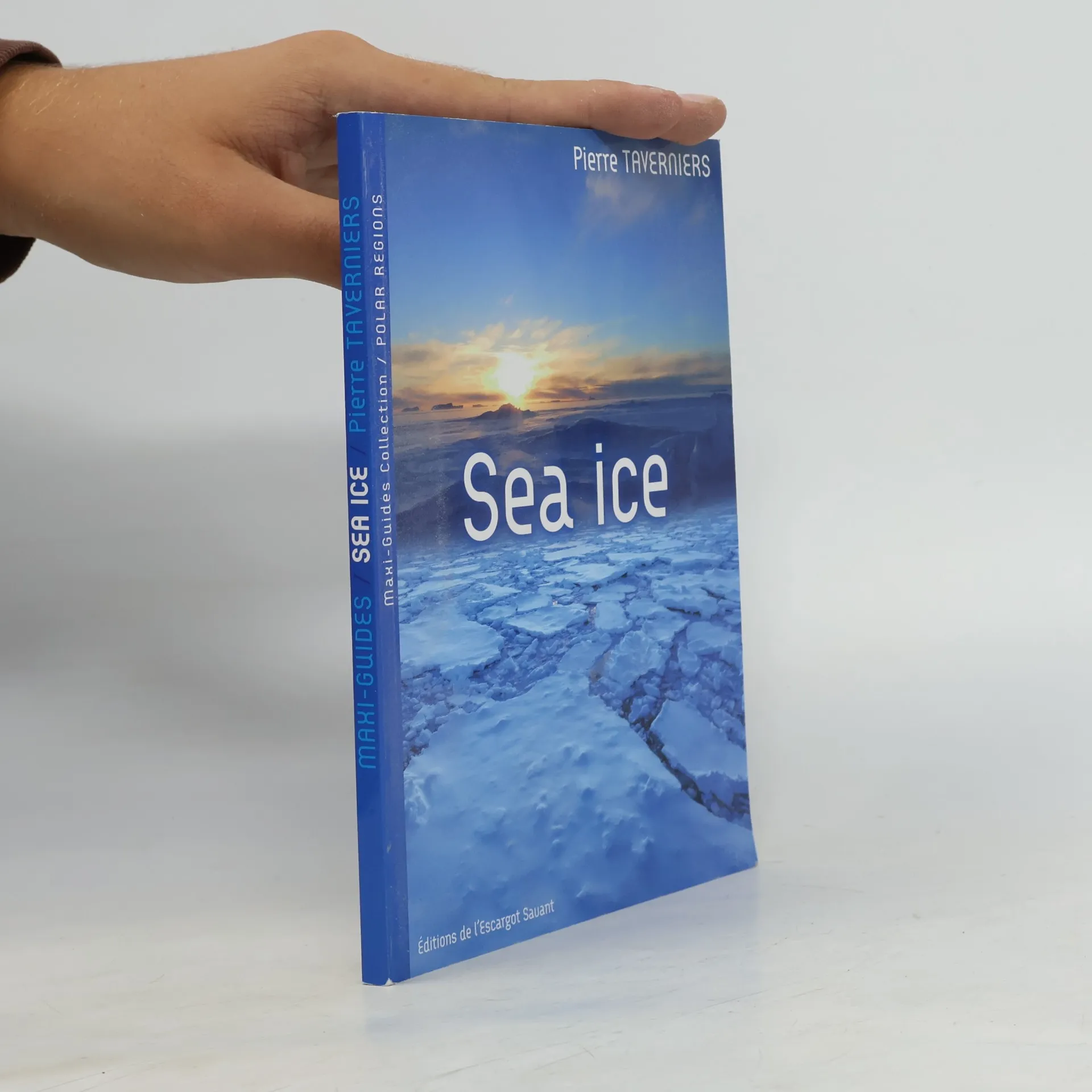
Sea Ice, Pierre Taverniers
- Langue

- Année de publication
- 2013
- Reliure
- (souple),
- État du livre
- Très bon
- Prix
- 8,19 €
Modes de paiement
Personne n'a encore évalué .
- Titre
- Sea Ice
- Langue
- Anglais
- Auteurs
- Pierre Taverniers
- Publié
- 2013
- Format
- souple
- Pages
- 112
- ISBN10
- 291829926X
- ISBN13
- 9782918299264
- Séries
- Mots clés
- La nature, Animaux, Thématique écologique
- Description
- Sea ice covers 20 million km² of our planet's surface. It plays an important role in the Earth's climate and is home to a variety of fascinating fauna, from the polar bear to the emperor penguin. Sailors and meteorologists use a wide range of terms such as frazil, pancake ice, floe or hummock to describe the different features of sea ice. This book includes an illustrated guide to sea ice so that polar travellers can discover this environment and understand ice charts. The story of sea ice is also a story of human endeavour. For the Inuit, fast ice is an ideal terrain for hunting, fishing and travelling. But for European explorers the drifting ice was an insurmountable barrier for centuries, crushing ships and forcing crews to spend long and difficult winters on the ice. It has also been the scene of incredible adventures involving planes, submarines, icebreakers and sometimes even rafts of drifting ice. But our planet is warming and the oldest polar sea ice is disappearing. The declining sea ice encourages the economic and industrial development of the Arctic, but also disrupts the climate, societies and fauna of the Far North.