

Paramètres
- 399pages
- 14 heures de lecture
En savoir plus sur le livre
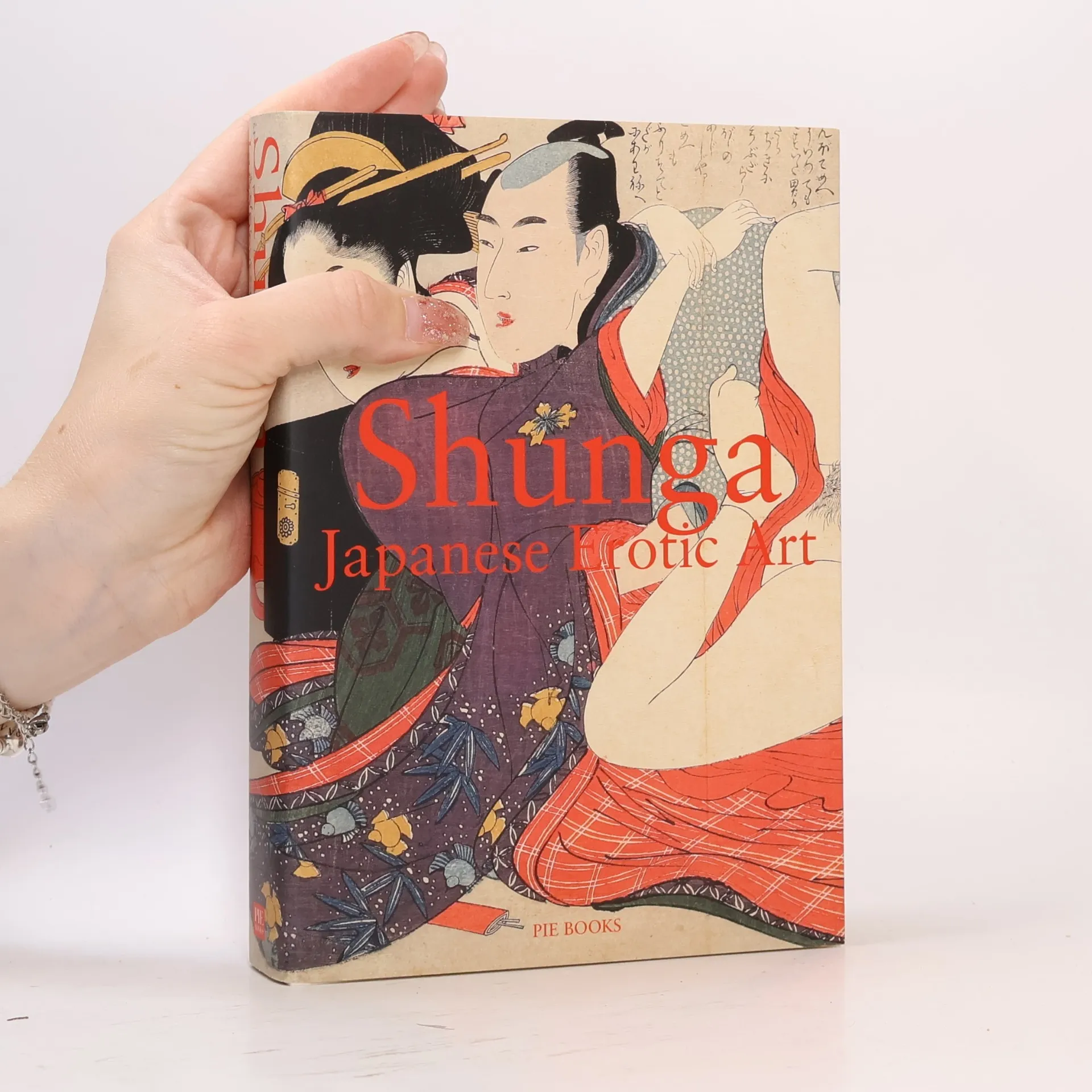
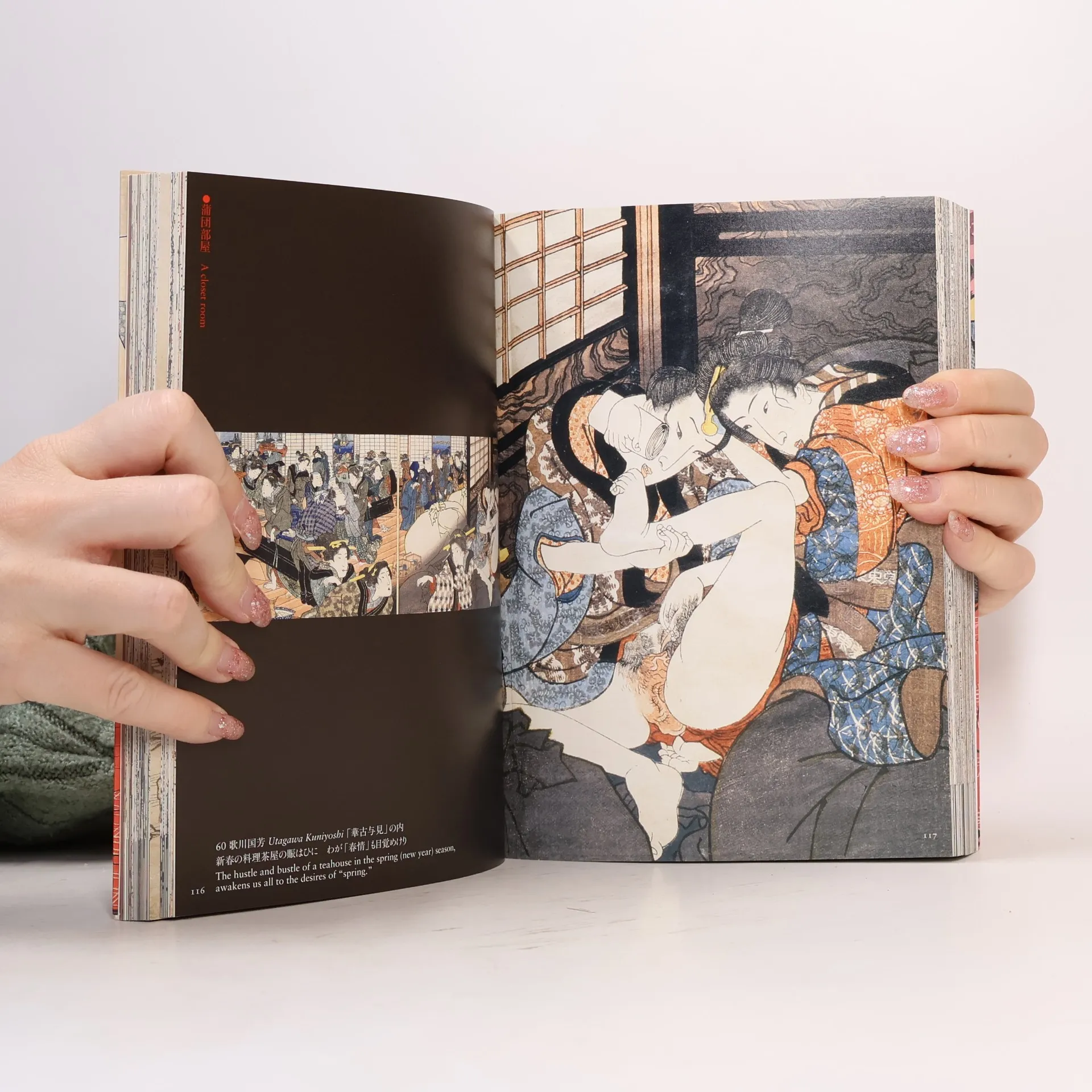
A collection of Japanese eroticism by Ukiyo-e artists. A new volume in the Traditional Patterns series, this book features Shunga, a type of Ukiyo-e that is made using the finest Japanese woodblock print techniques and portrays the erotic expressions of men and women; and the pleasure, the pain, and the beauty of the human body. This Japanese erotic art was made by all Ukiyo-e artists and was usually more profitable than "normal" art during the Edo period. It is believed that Shunga, literally "springtime picture," originated from Chinese medical books. It was not only intended to provide the fun that comes from viewing erotic images, but also the book could be held as a charm against evil. Shunga was also used as textbooks for the sexual education of young men and women. Because there were fewer restrictions on Shunga, ukiyo-e artists used a variety of colors usually not seen in usual woodblock prints. Only the best techniques of Ukiyo-e are found in Shunga. This glorious volume features works from the Edo period to the present. Including works by Ukiyo-e artists such as Hishikawa Moronobu, Kitagawa Utamaro, Utagawa Kunisada, Katsushika Hokusai, this Japanese "kama sutra" manages to be erotic, artistic, and fun all at the same time.
Achat du livre
Shunga, Monta Hayakawa, Yoshihiko Shirakura
- Langue
- Année de publication
- 2009
- Reliure
- (souple)
Modes de paiement
Personne n'a encore évalué .
- Titre
- Shunga
- Sous-titre
- Japanese Erotic Art
- Auteurs
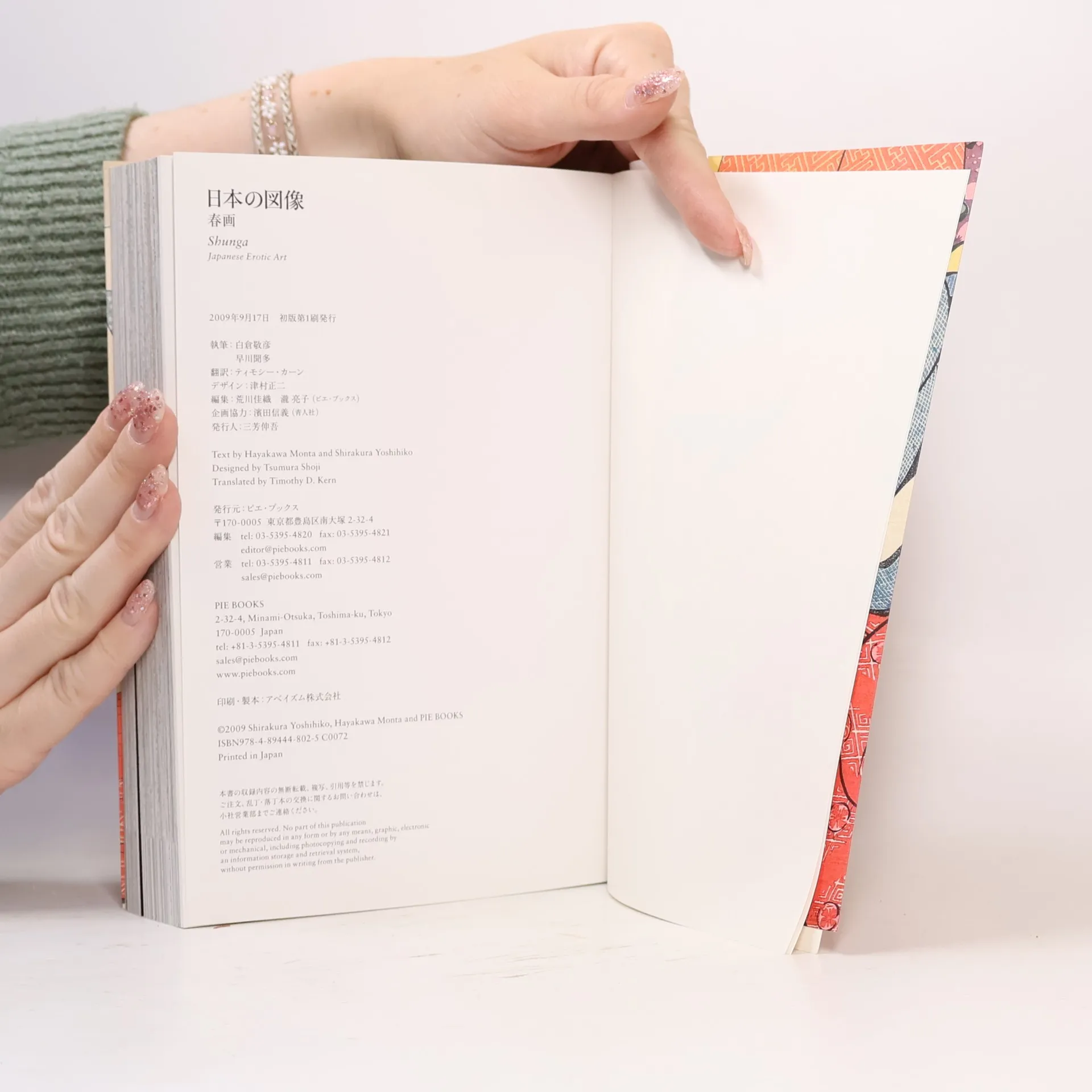
- Monta Hayakawa, Yoshihiko Shirakura
- Éditeur
- Pie Books
- Publié
- 2009
- Format
- souple
- Pages
- 399
- ISBN10
- 4894448025
- ISBN13
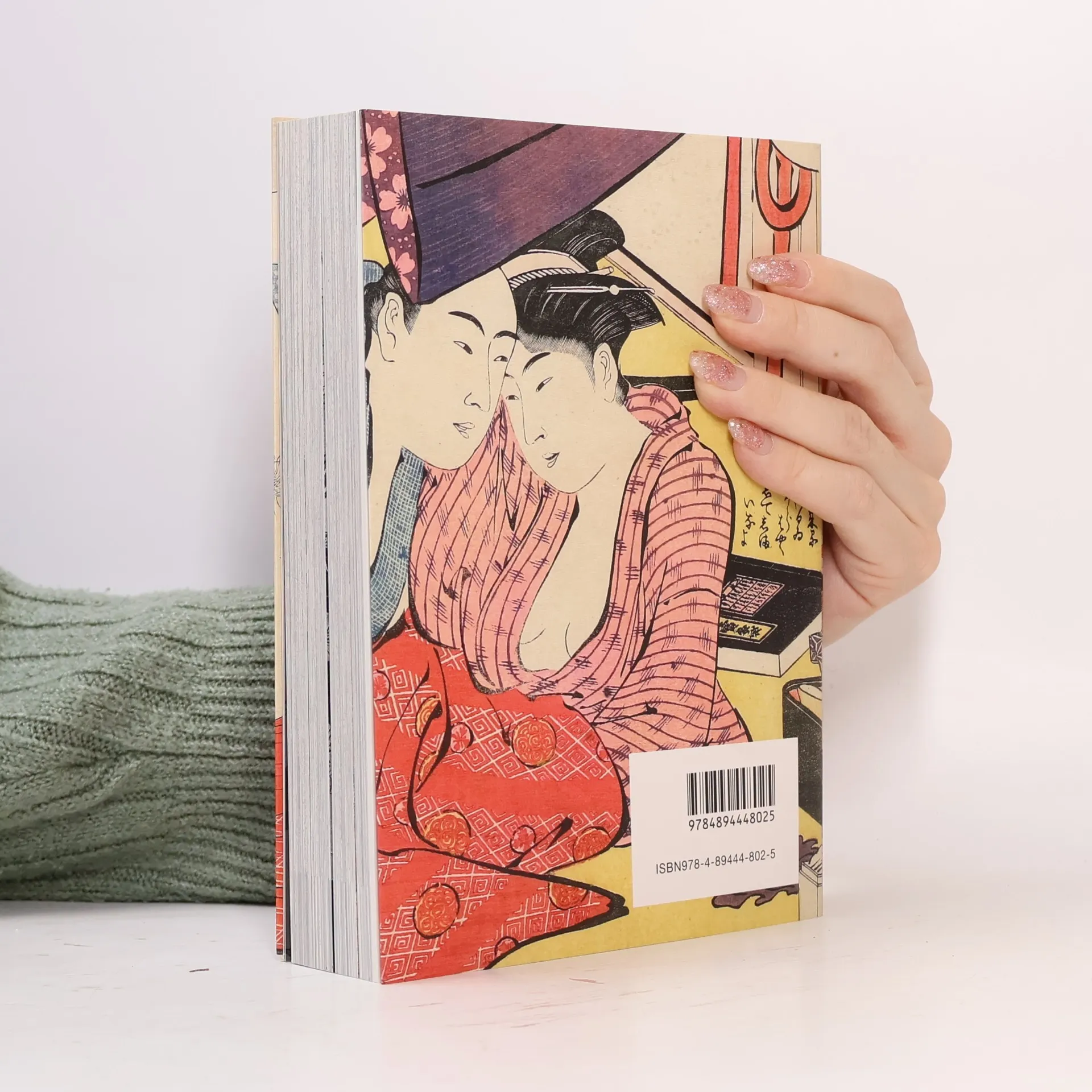
- 9784894448025
- Séries
- Mots clés
- Thème historique, Beaux-arts, Art, Érotisme, Sexualité et intimité, Histoire de l'art, Japon, Art graphique, Japonais (langue), Arts décoratifs
- Description
- A collection of Japanese eroticism by Ukiyo-e artists. A new volume in the Traditional Patterns series, this book features Shunga, a type of Ukiyo-e that is made using the finest Japanese woodblock print techniques and portrays the erotic expressions of men and women; and the pleasure, the pain, and the beauty of the human body. This Japanese erotic art was made by all Ukiyo-e artists and was usually more profitable than "normal" art during the Edo period. It is believed that Shunga, literally "springtime picture," originated from Chinese medical books. It was not only intended to provide the fun that comes from viewing erotic images, but also the book could be held as a charm against evil. Shunga was also used as textbooks for the sexual education of young men and women. Because there were fewer restrictions on Shunga, ukiyo-e artists used a variety of colors usually not seen in usual woodblock prints. Only the best techniques of Ukiyo-e are found in Shunga. This glorious volume features works from the Edo period to the present. Including works by Ukiyo-e artists such as Hishikawa Moronobu, Kitagawa Utamaro, Utagawa Kunisada, Katsushika Hokusai, this Japanese "kama sutra" manages to be erotic, artistic, and fun all at the same time.