



Paramètres
- 536pages
- 19 heures de lecture
En savoir plus sur le livre
During the two centuries following European contact, the world of late prehistoric Mississippian chiefdoms collapsed and Native communities there fragmented, migrated, coalesced, and reorganized into new and often quite different societies. The editors of this volume, Robbie Ethridge and Sheri M. Shuck-Hall, argue that such a period and region of instability and regrouping constituted a “shatter zone.” In this anthology, archaeologists, ethnohistorians, and anthropologists analyze the shatter zone created in the colonial South by examining the interactions of American Indians and European colonists. The forces that destabilized the region included especially the frenzied commercial traffic in Indian slaves conducted by both Europeans and Indians, which decimated several southern Native communities; the inherently fluid political and social organization of precontact Mississippian chiefdoms; and the widespread epidemics that spread across the South. Using examples from a range of Indian communities—Muskogee, Catawba, Iroquois, Alabama, Coushatta, Shawnee, Choctaw, Westo, and Natchez—the contributors assess the shatter zone region as a whole, and the varied ways in which Native peoples wrestled with an increasingly unstable world and worked to reestablish order.
Achat du livre
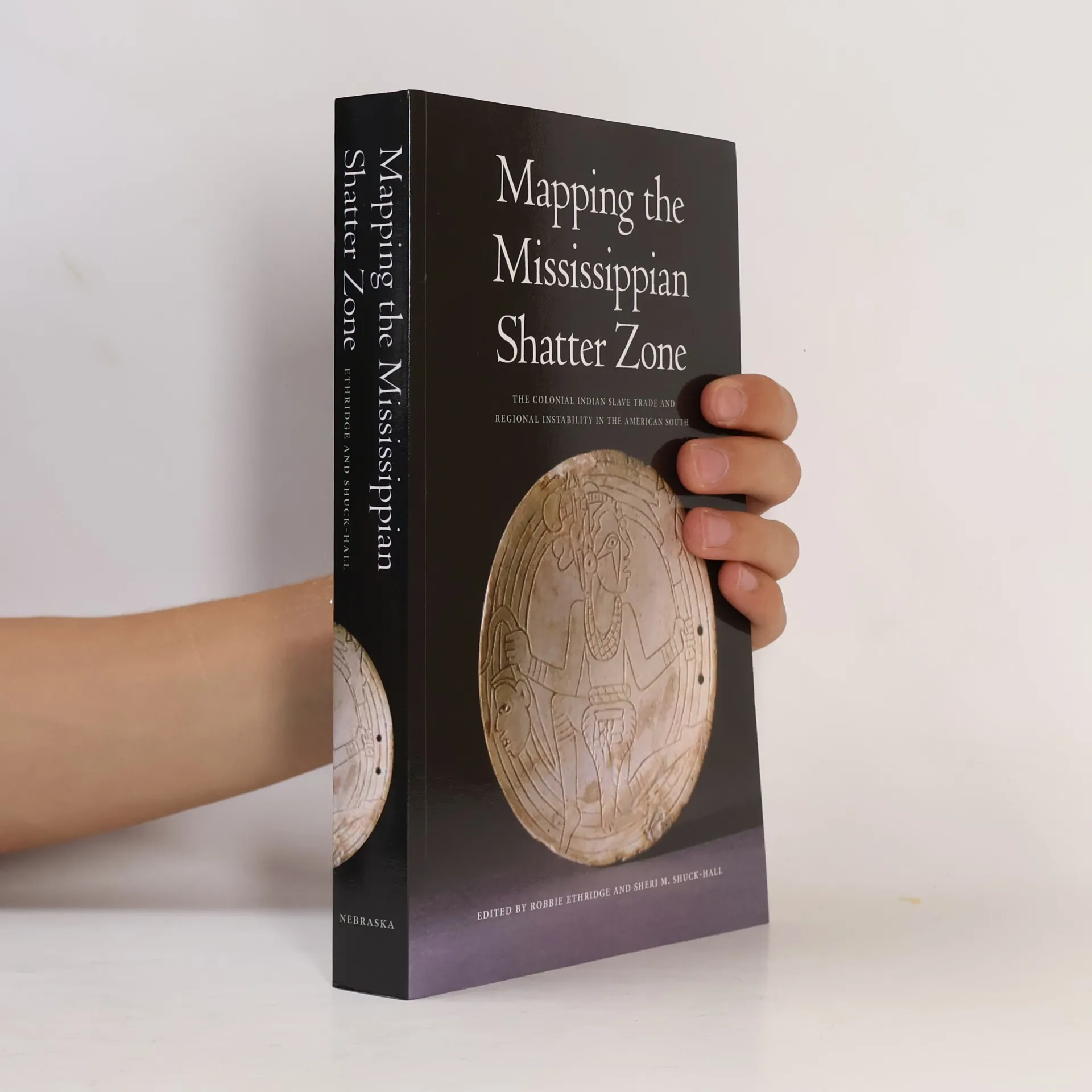
Mapping the Mississippian Shatter Zone, Robbie Franklyn Ethridge, Sheri Marie Shuck-Hall
- Langue

- Année de publication
- 2009
- Reliure
- (souple),
- État du livre
- Très bon
- Prix
- 14,39 €
Modes de paiement
Personne n'a encore évalué .
- Titre
- Mapping the Mississippian Shatter Zone
- Sous-titre
- The Colonial Indian Slave Trade and Regional Instability in the American South
- Langue
- Anglais
- Éditeur
- University of Nebraska Press
- Publié
- 2009
- Format
- souple
- Pages
- 536
- ISBN10
- 0803217595
- ISBN13
- 9780803217591
- Séries
- Catégories
- Mots clés
- Thème historique, États-Unis, Littérature américaine, Histoire locale, Archéologie, Indiens, Tribus indigènes, Esclavage
- Description
- During the two centuries following European contact, the world of late prehistoric Mississippian chiefdoms collapsed and Native communities there fragmented, migrated, coalesced, and reorganized into new and often quite different societies. The editors of this volume, Robbie Ethridge and Sheri M. Shuck-Hall, argue that such a period and region of instability and regrouping constituted a “shatter zone.” In this anthology, archaeologists, ethnohistorians, and anthropologists analyze the shatter zone created in the colonial South by examining the interactions of American Indians and European colonists. The forces that destabilized the region included especially the frenzied commercial traffic in Indian slaves conducted by both Europeans and Indians, which decimated several southern Native communities; the inherently fluid political and social organization of precontact Mississippian chiefdoms; and the widespread epidemics that spread across the South. Using examples from a range of Indian communities—Muskogee, Catawba, Iroquois, Alabama, Coushatta, Shawnee, Choctaw, Westo, and Natchez—the contributors assess the shatter zone region as a whole, and the varied ways in which Native peoples wrestled with an increasingly unstable world and worked to reestablish order.