

En savoir plus sur le livre
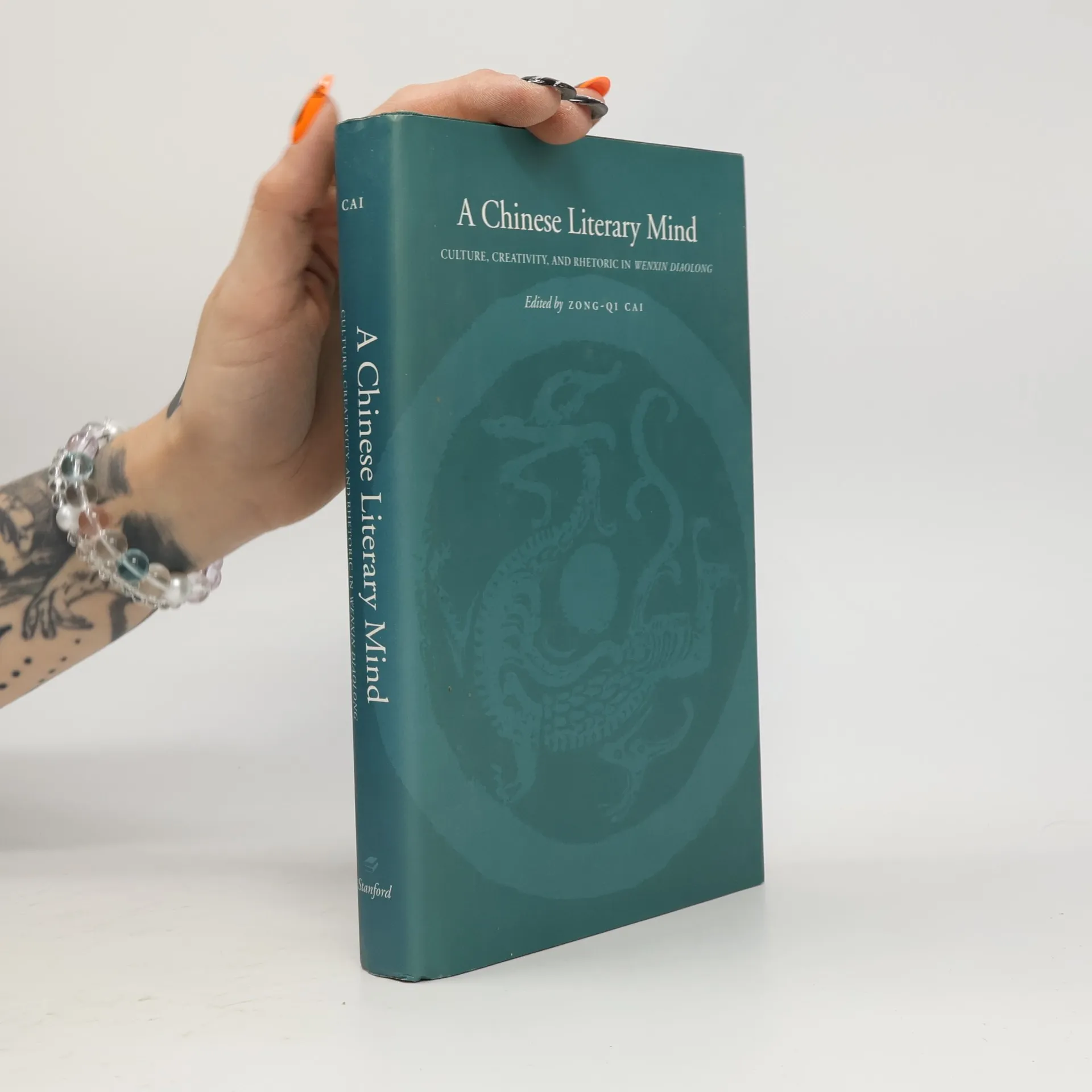
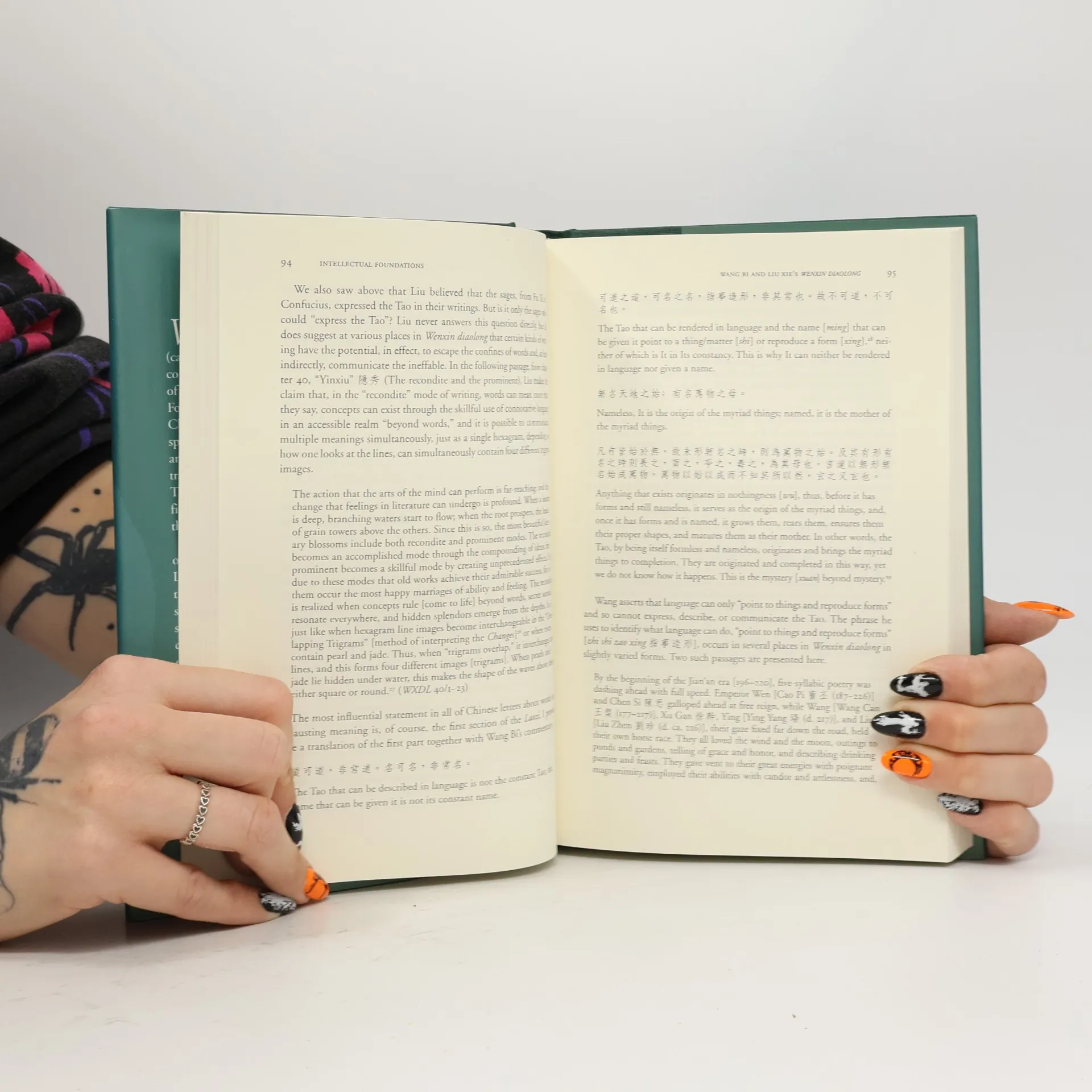
Wenxin diaolong by Liu Xie (ca. 465-ca. 521) is arguably the most complex and comprehensive work of literary criticism in ancient China. For centuries it has intrigued and inspired Chinese literati, and modern English-speaking scholars have also found it an important source for inquiries into traditional Chinese poetics and aesthetics. The present volume of ten essays is the first book-length study in English of this classic work. The first two parts of the book focus on cultural traditions, showing how Liu canonized the Chinese literary tradition, assessing where Liu's work stands in that tradition, and demonstrating his debts to the intellectual currents of his time. The third part explores Liu's theory of literary creation by using contemporary critical perspectives to analyze Liu's conception of imagination. The fourth part presents three detailed studies of Liu's views on a close reading of his chapter on rhetorical parallelism, a discussion of his own use of parallelism as a means of analysis and textual production, and an investigation of his views on changes and continuities in Chinese literary styles. The book concludes with a critical survey of Asian-language scholarship on Wenxin diaolong in this century. The contributors are Zong-qi Cai, Kang-i Sun Chang, Ronald Egan, Wai-yee Li, Shuen-fu Lin, Richard John Lynn, Victor H. Mair, Stephen Owen, Andrew H. Plaks, Maureen Robertson, and Zhang Shaokang.
Achat du livre
A Chinese Literary Mind, Zong-Qi Cai
- Langue

- Année de publication
- 2001
- Reliure
- (rigide),
- État du livre
- Abîmé
- Prix
- 69,99 €
Modes de paiement
Personne n'a encore évalué .
- Titre
- A Chinese Literary Mind
- Sous-titre
- Culture, Creativity, and Rhetoric in Wenxin Diaolong
- Langue
- Anglais
- Auteurs
- Zong-Qi Cai
- Éditeur
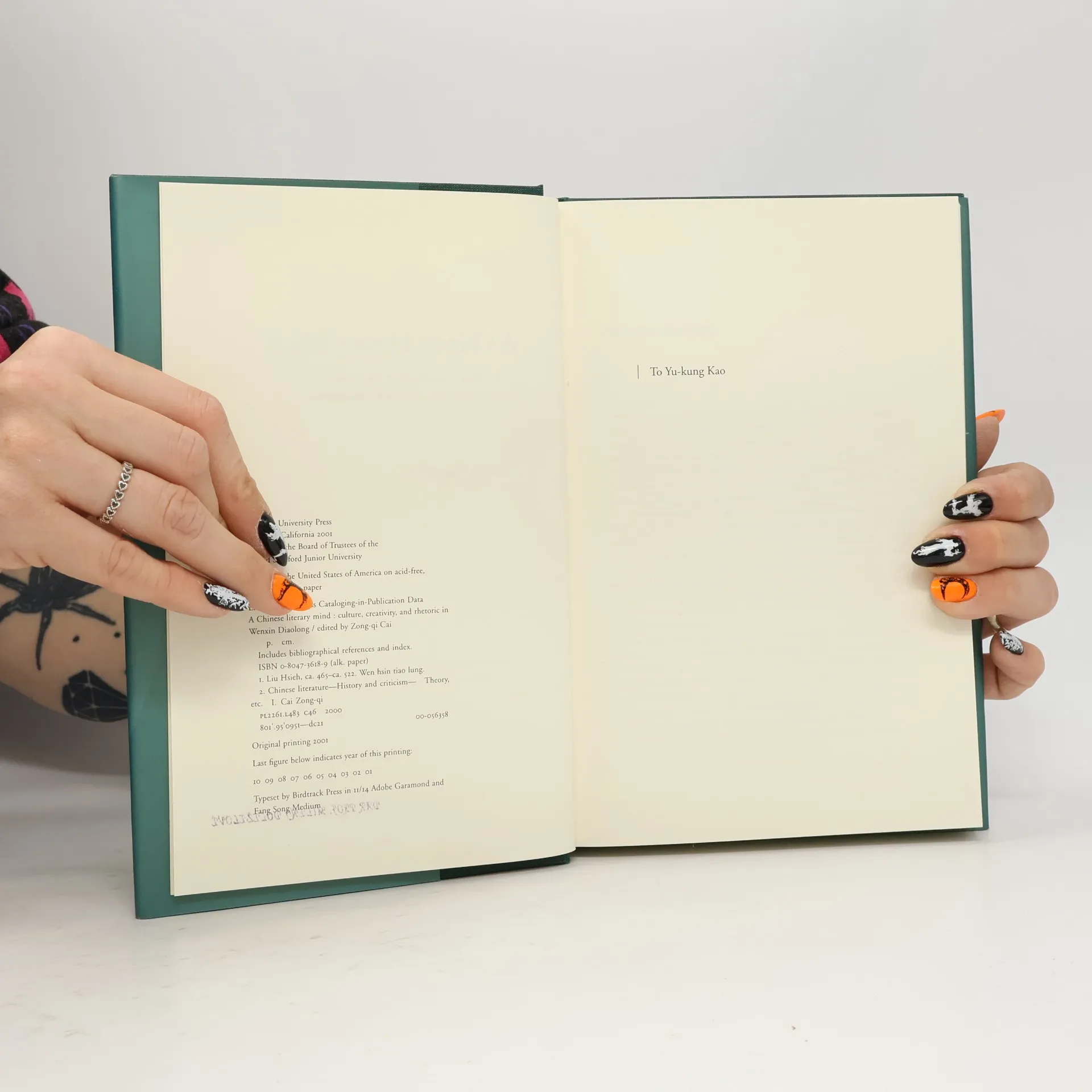
- Stanford University Press
- Publié
- 2001
- Format
- rigide
- Pages
- 336
- ISBN10
- 0804736189
- ISBN13
- 9780804736183
- Séries
- Mots clés
- Littérature mondiale, États-Unis, Moyen Âge, Époque antique, Critique littéraire, Chine, Littérature asiatique, Littérature chinoise, Théorie littéraire, Chinois
- Description
- Wenxin diaolong by Liu Xie (ca. 465-ca. 521) is arguably the most complex and comprehensive work of literary criticism in ancient China. For centuries it has intrigued and inspired Chinese literati, and modern English-speaking scholars have also found it an important source for inquiries into traditional Chinese poetics and aesthetics. The present volume of ten essays is the first book-length study in English of this classic work. The first two parts of the book focus on cultural traditions, showing how Liu canonized the Chinese literary tradition, assessing where Liu's work stands in that tradition, and demonstrating his debts to the intellectual currents of his time. The third part explores Liu's theory of literary creation by using contemporary critical perspectives to analyze Liu's conception of imagination. The fourth part presents three detailed studies of Liu's views on a close reading of his chapter on rhetorical parallelism, a discussion of his own use of parallelism as a means of analysis and textual production, and an investigation of his views on changes and continuities in Chinese literary styles. The book concludes with a critical survey of Asian-language scholarship on Wenxin diaolong in this century. The contributors are Zong-qi Cai, Kang-i Sun Chang, Ronald Egan, Wai-yee Li, Shuen-fu Lin, Richard John Lynn, Victor H. Mair, Stephen Owen, Andrew H. Plaks, Maureen Robertson, and Zhang Shaokang.