

En savoir plus sur le livre
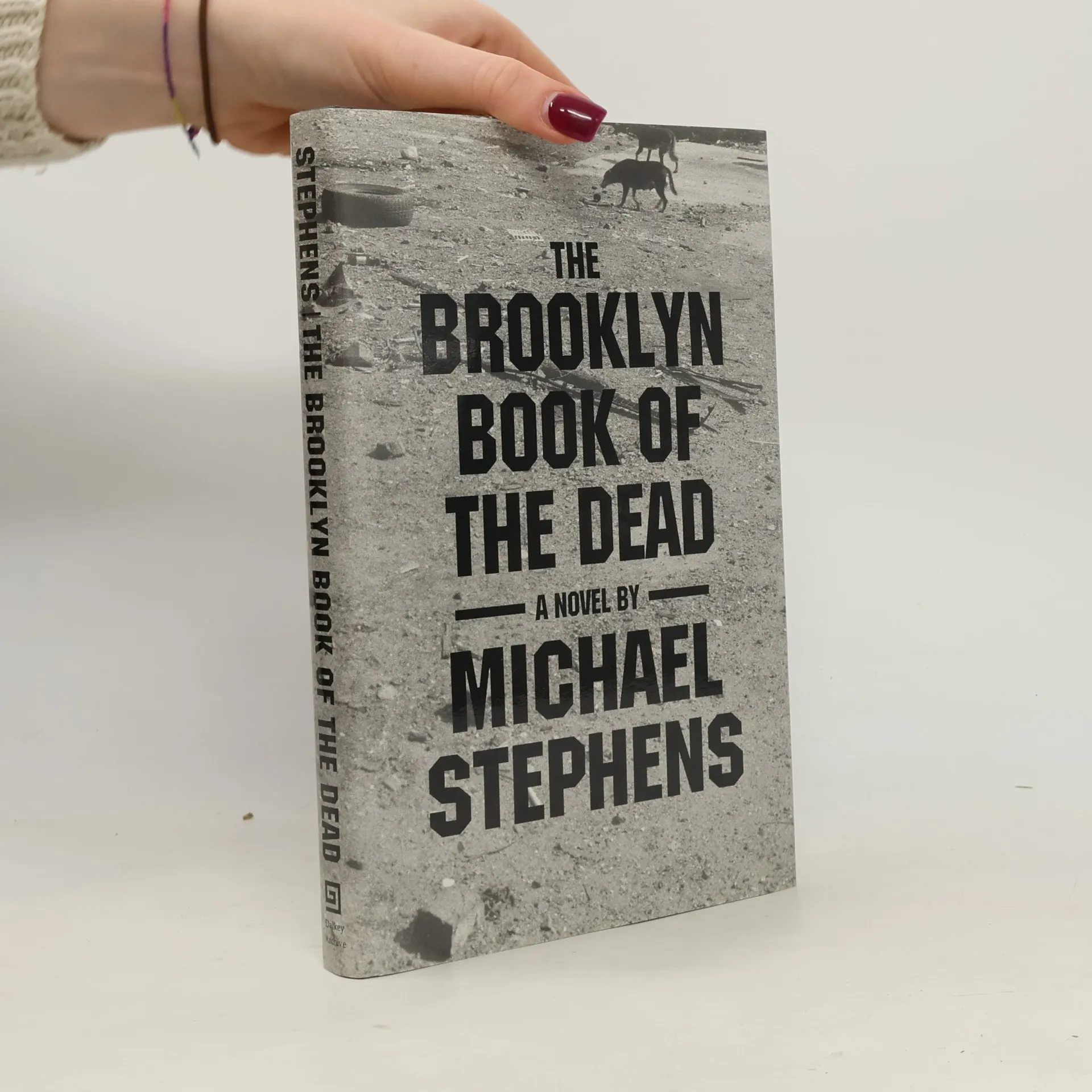
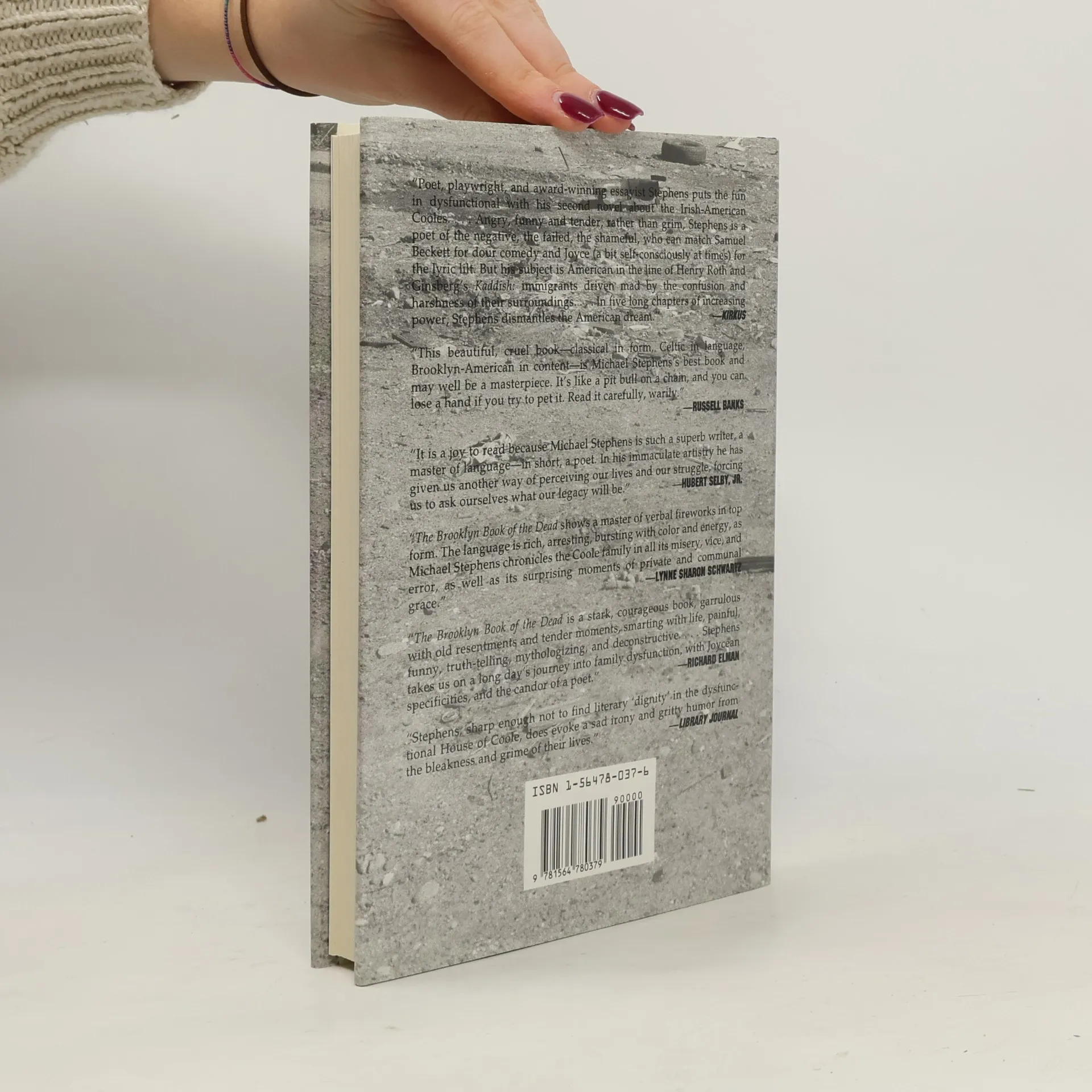
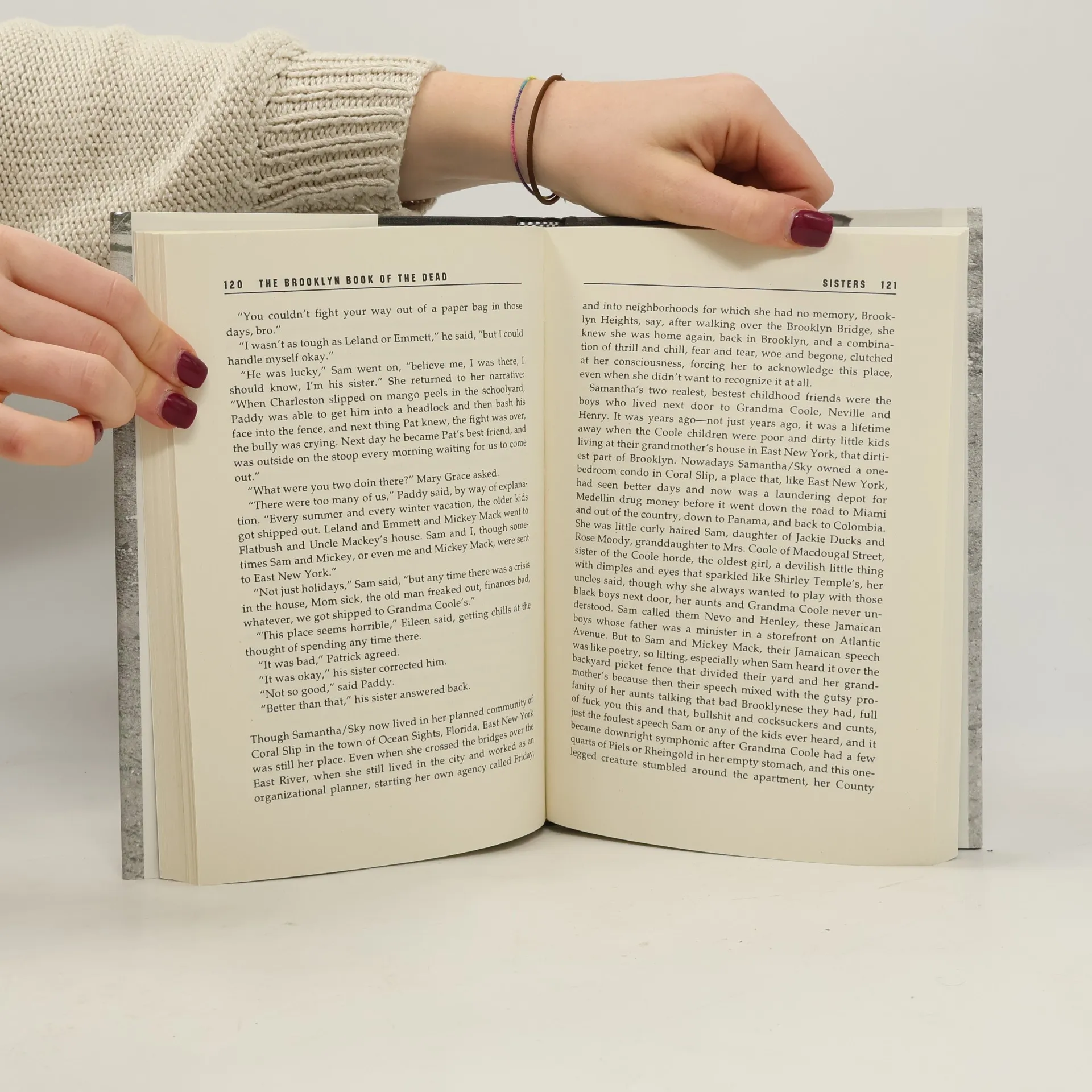
In The Brooklyn Book of the Dead, Michael Stephens presents the most devastating vision of the Irish-American family since the nightmarish portrayals of Eugene O'Neill and James T. Farrell. Returning to their Brooklyn neighborhood for the wake and funeral of their father (Customs Inspector Leland Coole, aka Jackie Ducks, Little Lee, Crazy Jack, but remembered by his children as the "old bastard"), the sixteen Coole children talk and reminisce about their father and family; all adults now, their lives have been painful failures involving drugs, alcoholism, violence, petty crime, incest, and despair. Like any truly emotionally crippled children of a dysfunctional family, the Cooles rant with bitterness about their pasts but likewise romanticize their family, coupling an ability to analyze their plight with an utter inability to do anything about it. The novel is also the story of the decline of urban America and the story of third-generation immigrants who are both cut off from their roots and yet unassimilated into the illusory American melting pot. Stephens writes of all this with a passion and love of his materials. And he writes bravely because this is a book that will be attacked by those who believe in the mythical American family invoked by "family-values" politicians and wealthy evangelists. If Stephens has a message at all, it is that families are diseases made fatal by a cynical American society.
Achat du livre
The Brooklyn Book of the Dead, Michael Gregory Stephens
- Langue

- Année de publication
- 1994
- Reliure
- (rigide),
- État du livre
- Bon
- Prix
- 6,09 €
Modes de paiement
Personne n'a encore évalué .
- Titre
- The Brooklyn Book of the Dead
- Langue
- Anglais
- Auteurs
- Michael Gregory Stephens
- Éditeur
- Dalkey Archive Press
- Publié
- 1994
- Format
- rigide
- Pages
- 228
- ISBN10
- 1564780376
- ISBN13
- 9781564780379
- Séries
- Catégories
- Mots clés
- Littérature contemporaine, États-Unis, Pères et fils
- Description
- In The Brooklyn Book of the Dead, Michael Stephens presents the most devastating vision of the Irish-American family since the nightmarish portrayals of Eugene O'Neill and James T. Farrell. Returning to their Brooklyn neighborhood for the wake and funeral of their father (Customs Inspector Leland Coole, aka Jackie Ducks, Little Lee, Crazy Jack, but remembered by his children as the "old bastard"), the sixteen Coole children talk and reminisce about their father and family; all adults now, their lives have been painful failures involving drugs, alcoholism, violence, petty crime, incest, and despair. Like any truly emotionally crippled children of a dysfunctional family, the Cooles rant with bitterness about their pasts but likewise romanticize their family, coupling an ability to analyze their plight with an utter inability to do anything about it. The novel is also the story of the decline of urban America and the story of third-generation immigrants who are both cut off from their roots and yet unassimilated into the illusory American melting pot. Stephens writes of all this with a passion and love of his materials. And he writes bravely because this is a book that will be attacked by those who believe in the mythical American family invoked by "family-values" politicians and wealthy evangelists. If Stephens has a message at all, it is that families are diseases made fatal by a cynical American society.