

Paramètres
- 352pages
- 13 heures de lecture
En savoir plus sur le livre
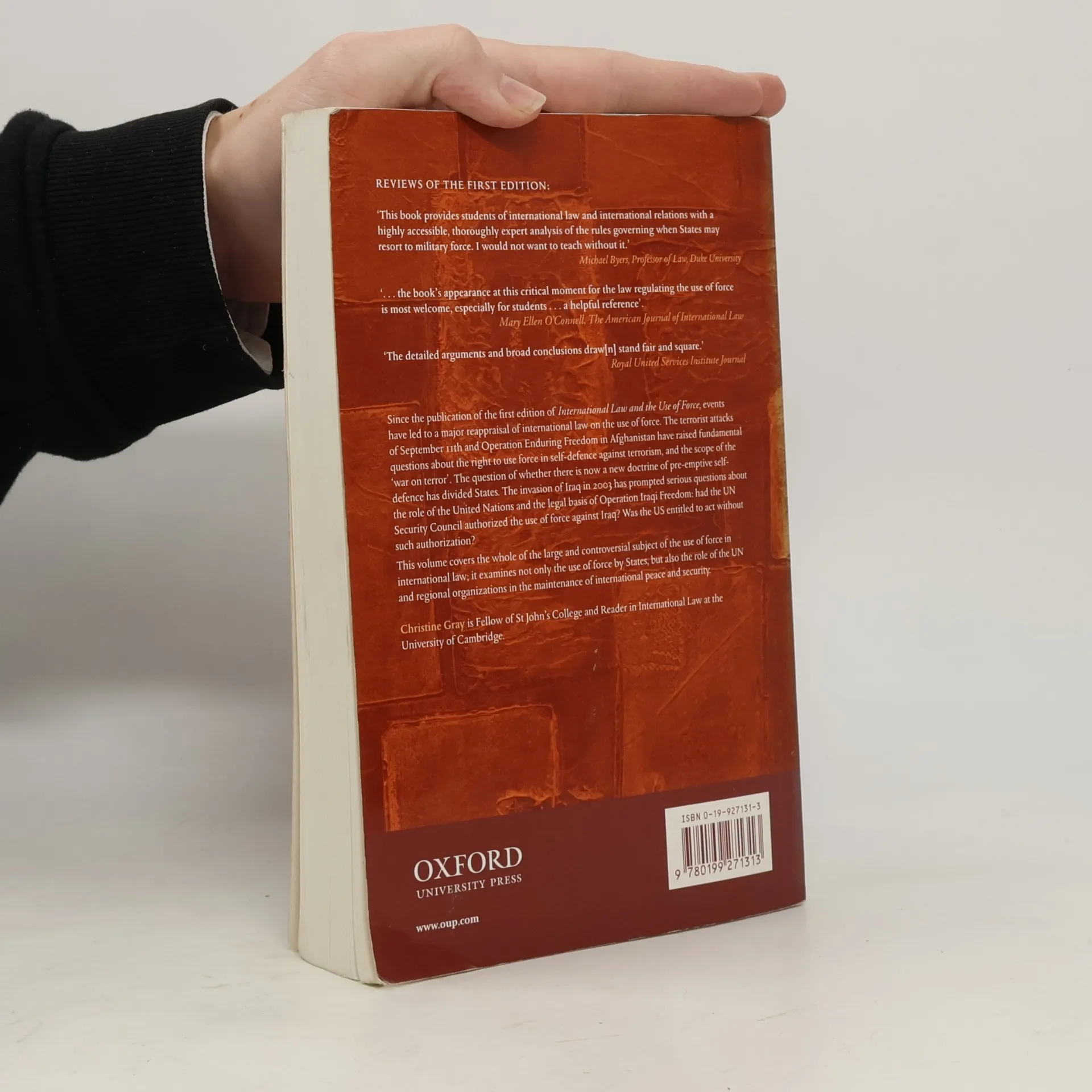
Since the publication of the first edition of International Law and the Use of Force , events have led to a major reappraisal of international law on the use of force. The terrorist attacks of September 11th and Operation Enduring Freedom in Afghanistan have raised fundamental questions aboutthe right to use force in self-defense against terrorism, and the scope of the 'war on terror'. The question of whether there is now a new doctrine of pre-emptive self-defense has divided States. The invasion of Iraq in 2003 has prompted serious questions about the role of the United Nations and thelegal basis of Operation Iraqi had the UN Security Council authorized the use of force against Iraq? Was the US entitled to act without such authorization?This volume covers the whole of the large and controversial subject of the use of force in international law; it examines not only the use of force by States, but also the role of the UN and regional organizations in the maintenance of international peace and security.
Achat du livre
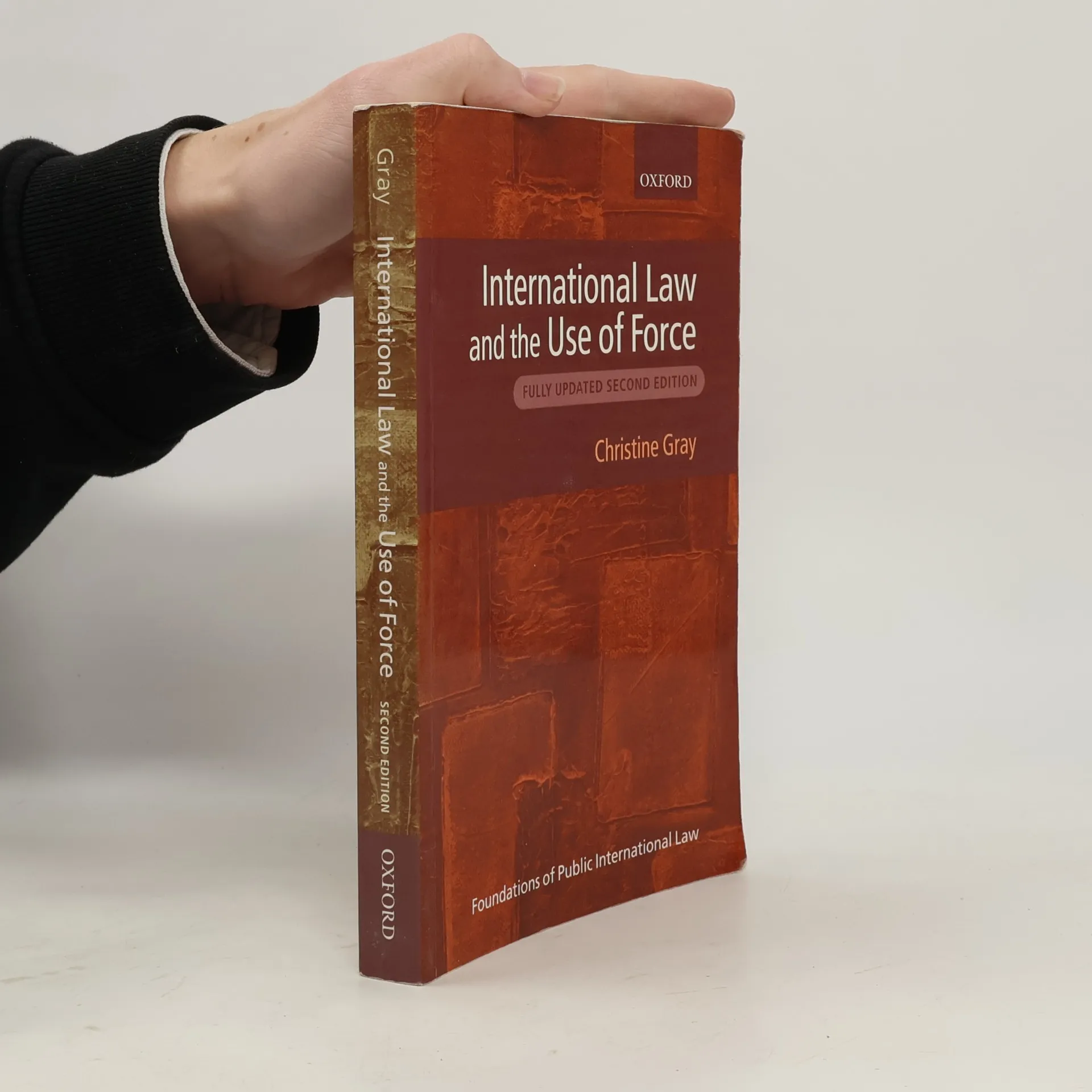
Foundations of Public International Law: International Law and the Use of Force, Christine Gray
- Langue

- Année de publication
- 2004
- Reliure
- (souple),
- État du livre
- Bon
- Prix
- 21,99 €
Modes de paiement
Personne n'a encore évalué .
- Titre
- Foundations of Public International Law: International Law and the Use of Force
- Sous-titre
- Fully Updated Second Edition
- Langue
- Anglais
- Auteurs
- Christine Gray
- Éditeur
- Oxford University Press
- Publié
- 2004
- Format
- souple
- Pages
- 352
- ISBN10
- 0199271313
- ISBN13
- 9780199271313
- Séries
- Catégories
- Mots clés
- Relations internationales, Droit international
- Description
- Since the publication of the first edition of International Law and the Use of Force , events have led to a major reappraisal of international law on the use of force. The terrorist attacks of September 11th and Operation Enduring Freedom in Afghanistan have raised fundamental questions aboutthe right to use force in self-defense against terrorism, and the scope of the 'war on terror'. The question of whether there is now a new doctrine of pre-emptive self-defense has divided States. The invasion of Iraq in 2003 has prompted serious questions about the role of the United Nations and thelegal basis of Operation Iraqi had the UN Security Council authorized the use of force against Iraq? Was the US entitled to act without such authorization?This volume covers the whole of the large and controversial subject of the use of force in international law; it examines not only the use of force by States, but also the role of the UN and regional organizations in the maintenance of international peace and security.