


En savoir plus sur le livre
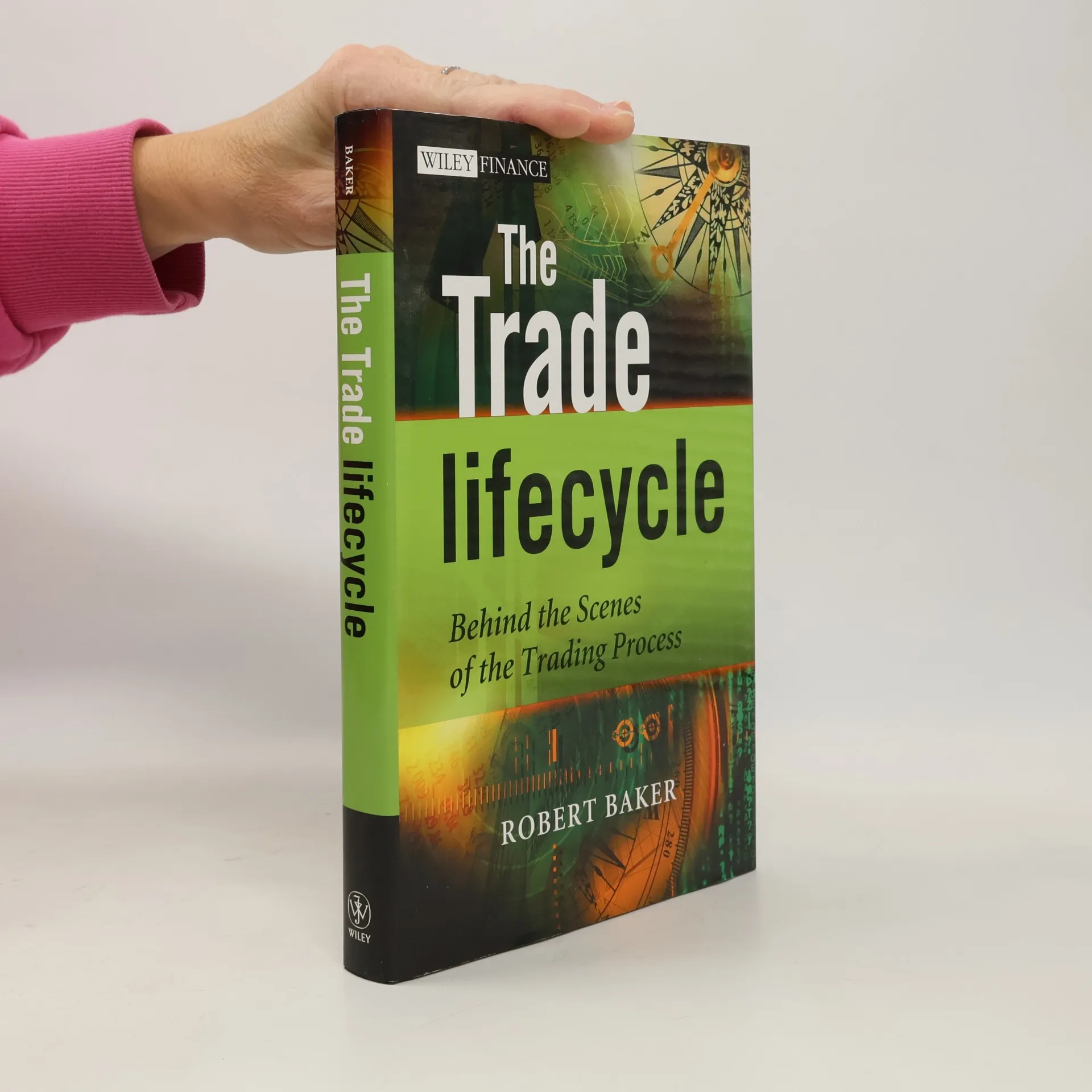
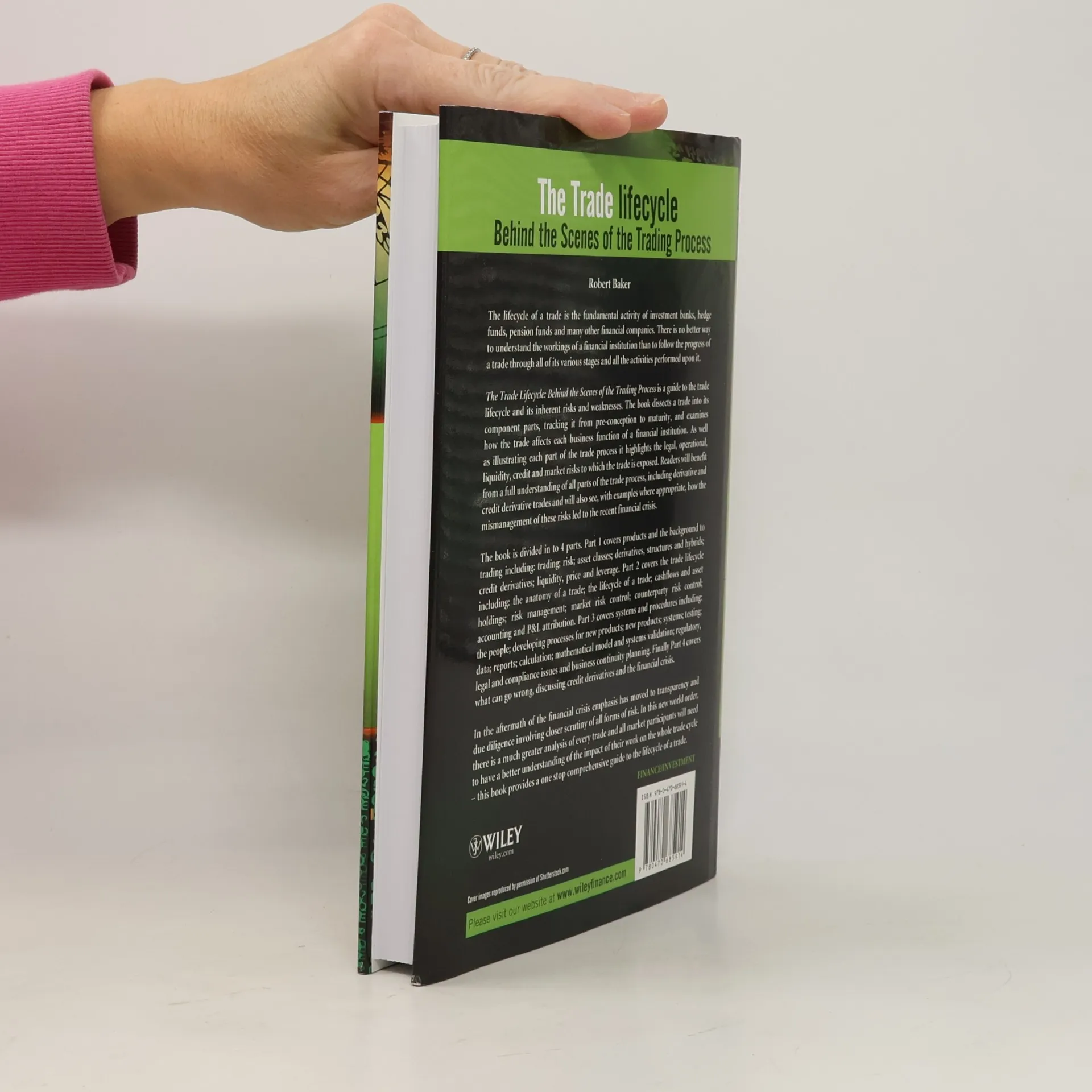
The lifecycle of a trade is the fundamental activity of investment banks, hedge funds, pension funds and many other financial companies. There is no better way to understand the working s of a financial institution than to follow the progress of a trade through all of its various stages and all the activities performed upon it. The Trade Behind the Scenes of the Trading Process is a guide to the trade lifecycle and it inherent risks and weaknesses. The book dissects a trade into its component parts, tracking it from pre-conception to maturity, and examines how the trade affects each business function of a financial institution. As well as illustrating each part of the trade process it highlights the legal, operational, liquidity, credit and market risks to which the trade is exposed. Readers will benefit from a full understanding of all parts of the trade process, including derivative and credit derivative trades and will also see, with examples where appropriate, how the mismanagement of these risks led to the recent financial crisis. The book is divided in to 4 parts. Part 1 covers products and the background to trading trading risk; asset classes; derivatives, structures and hybrids; credit derivatives; liquidity, price and leverage. Part 2 covers the trade lifecycle the anatomy of a trade; the lifecycle of a trade; cashflows and asset holdings; risk management; market risk control; counterparty risk control; accounting and P&L attribution. Part 3 covers systems and procedures including;: the people; developing processes for new products; new products; systems; testing; data; reports; calculation; mathematical model and systems validation; regulatory, legal and compliance issues and business continuity planning. Finally Part 4 covers what can go wrong, discussing credit derivatives and the financial crisis. In the aftermath of the financial crisis emphasis had moved to transparency and due diligence involving closer scrutiny of all forms of risk. In this new world order, there is a much greater analysis of every trade and all market participants will need to have a better understanding of the impact of their work on the whole trade cycle – this book provides a one stop comprehensive guide to the lifecycle of a trade.
Achat du livre
Wiley Finance: The Trade Lifecycle, Robert P. Baker
- Langue

- Année de publication
- 2010
- Reliure
- (rigide),
- État du livre
- Bon
- Prix
- 52,99 €
Modes de paiement
Personne n'a encore évalué .
- Titre
- Wiley Finance: The Trade Lifecycle
- Sous-titre
- Behind the Scenes of the Trading Process
- Langue
- Anglais
- Auteurs
- Robert P. Baker
- Éditeur
- WILEY
- Publié
- 2010
- Format
- rigide
- Pages
- 320
- ISBN10
- 0470685913
- ISBN13
- 9780470685914
- Séries
- Catégories
- Mots clés
- Commerce, Manuels et guides, Finance
- Description
- The lifecycle of a trade is the fundamental activity of investment banks, hedge funds, pension funds and many other financial companies. There is no better way to understand the working s of a financial institution than to follow the progress of a trade through all of its various stages and all the activities performed upon it. The Trade Behind the Scenes of the Trading Process is a guide to the trade lifecycle and it inherent risks and weaknesses. The book dissects a trade into its component parts, tracking it from pre-conception to maturity, and examines how the trade affects each business function of a financial institution. As well as illustrating each part of the trade process it highlights the legal, operational, liquidity, credit and market risks to which the trade is exposed. Readers will benefit from a full understanding of all parts of the trade process, including derivative and credit derivative trades and will also see, with examples where appropriate, how the mismanagement of these risks led to the recent financial crisis. The book is divided in to 4 parts. Part 1 covers products and the background to trading trading risk; asset classes; derivatives, structures and hybrids; credit derivatives; liquidity, price and leverage. Part 2 covers the trade lifecycle the anatomy of a trade; the lifecycle of a trade; cashflows and asset holdings; risk management; market risk control; counterparty risk control; accounting and P&L attribution. Part 3 covers systems and procedures including;: the people; developing processes for new products; new products; systems; testing; data; reports; calculation; mathematical model and systems validation; regulatory, legal and compliance issues and business continuity planning. Finally Part 4 covers what can go wrong, discussing credit derivatives and the financial crisis. In the aftermath of the financial crisis emphasis had moved to transparency and due diligence involving closer scrutiny of all forms of risk. In this new world order, there is a much greater analysis of every trade and all market participants will need to have a better understanding of the impact of their work on the whole trade cycle – this book provides a one stop comprehensive guide to the lifecycle of a trade.