

Paramètres
- 240pages
- 9 heures de lecture
En savoir plus sur le livre
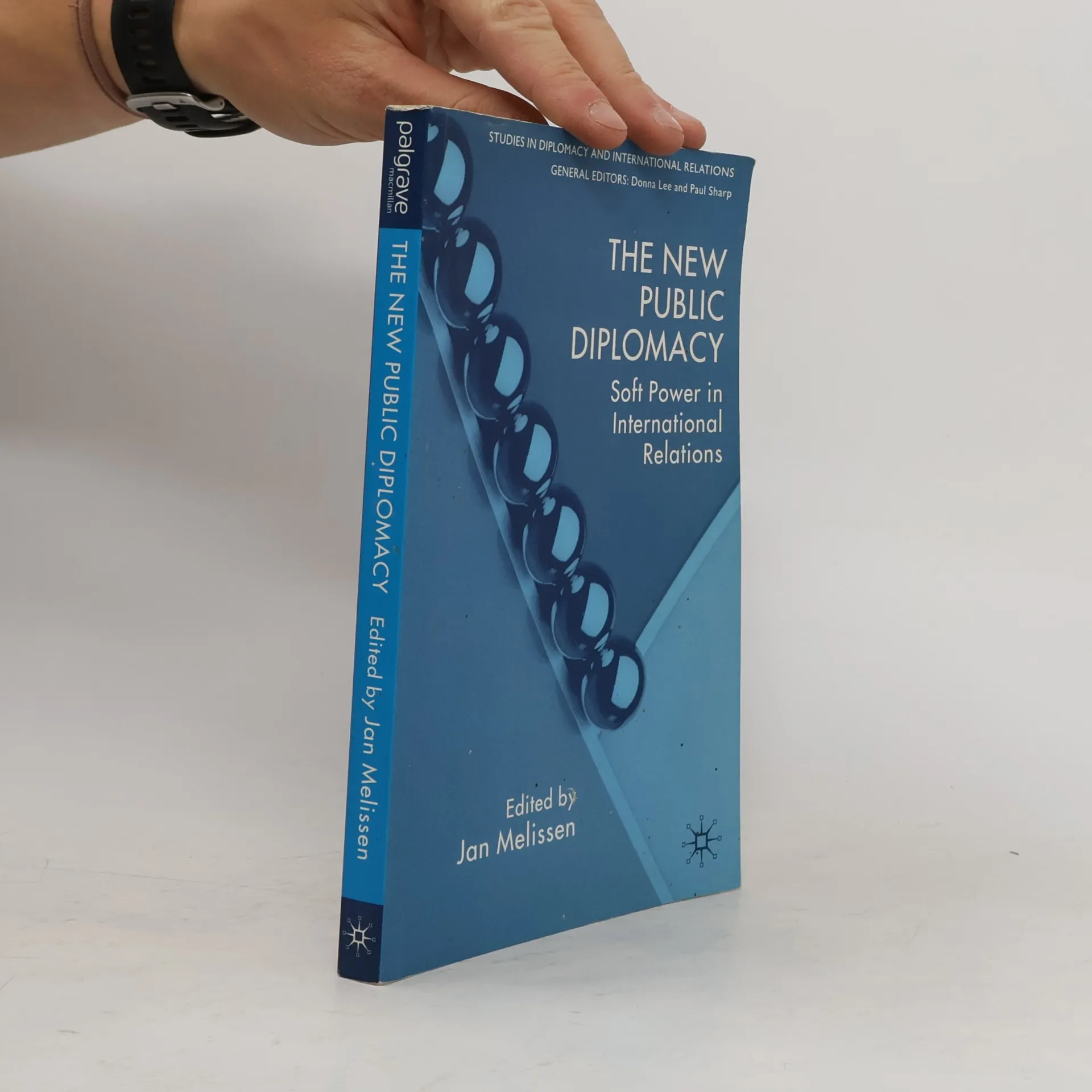
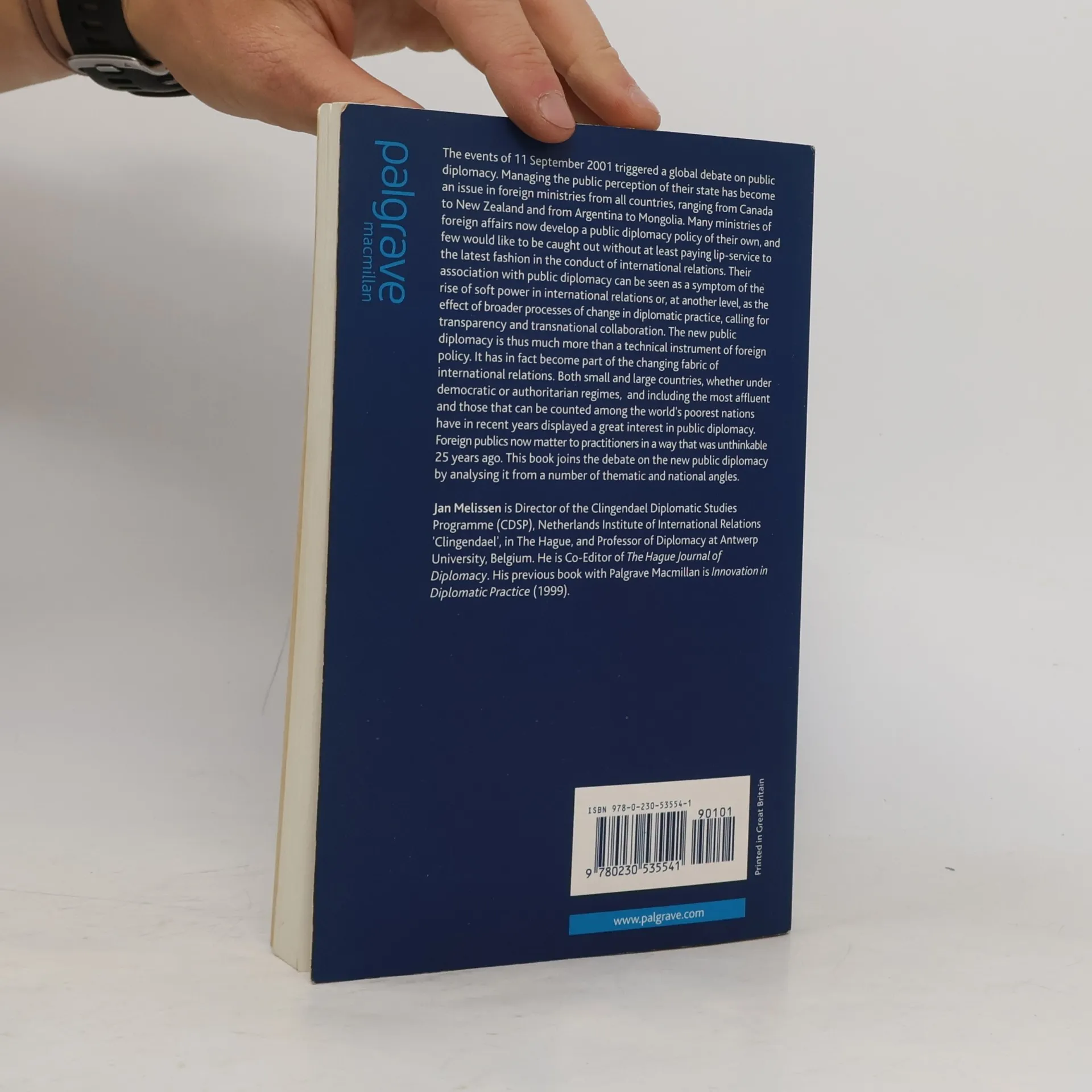
After September 2001, which triggered a global debate on public diplomacy, "PD" has become an issue in most countries, ranging from Canada to New Zealand and from Argentina to Mongolia. Many ministries of foreign affairs now develop a public diplomacy policy of their own. Their association with public diplomacy can be seen as a symptom of the rise of soft power or, at another level, as the effect of broader processes of change in diplomatic practice. The new public diplomacy has in fact become part of the changing fabric of international relations. Foreign publics now matter to practitioners of diplomacy that was unthinkable as little as twenty-five years ago. This book joins the debate on public diplomacy. Experts based in five different countries and from a variety of fields analyze the theory and practice of public diplomacy. They also evaluate how public diplomacy can be successfully used to support foreign policy.
Achat du livre
The New Public Diplomacy, Jan Melissen, Donna Lee, Paul Sharp
- Langue

- Année de publication
- 2005
- Reliure
- (souple),
- État du livre
- Abîmé
- Prix
- 6,99 €
Modes de paiement
Personne n'a encore évalué .
- Titre
- The New Public Diplomacy
- Sous-titre
- Soft Power in International Relations
- Langue
- Anglais
- Auteurs
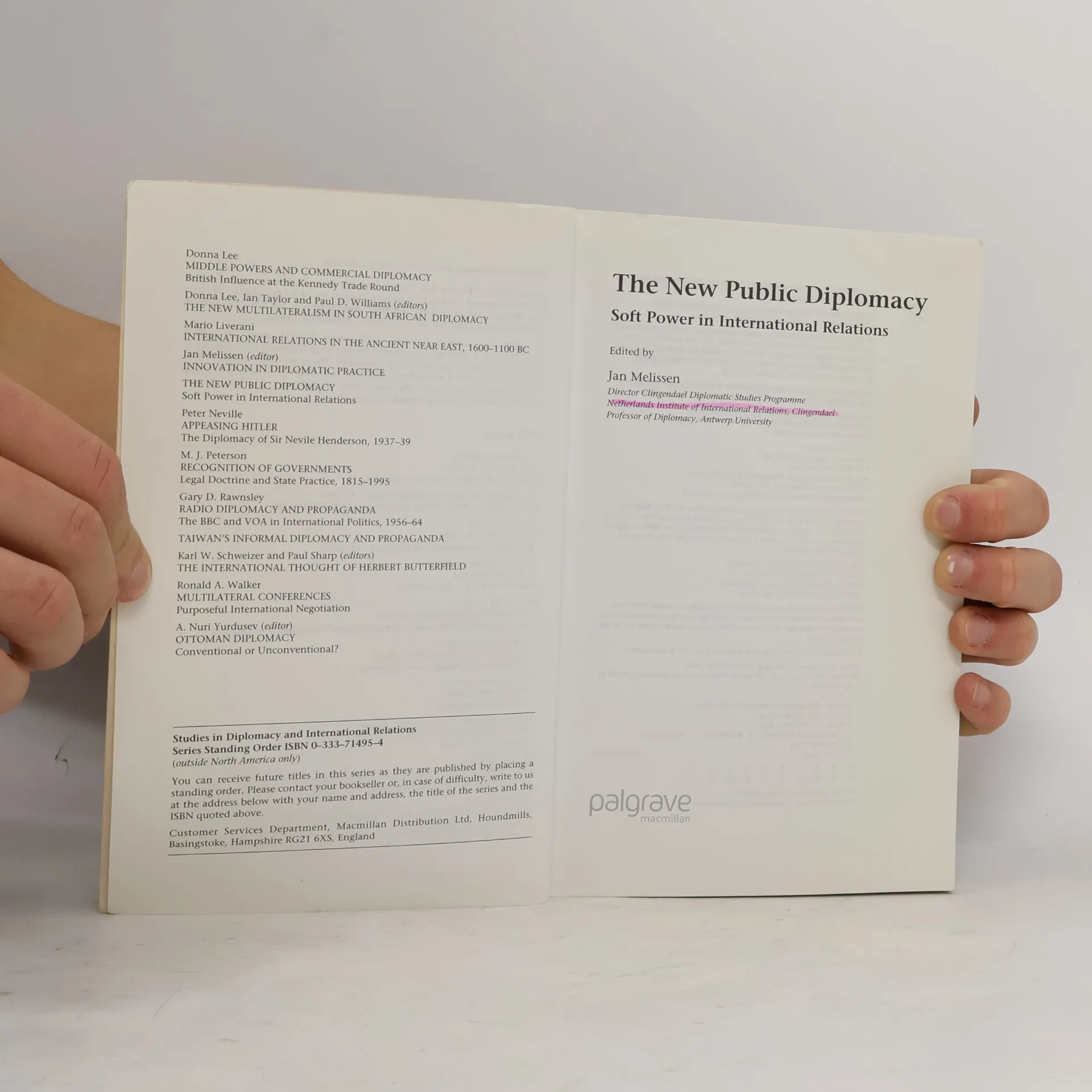
- Jan Melissen, Donna Lee, Paul Sharp
- Éditeur
- Palgrave Macmillan
- Publié
- 2005
- Format
- souple
- Pages
- 240
- ISBN10
- 0230535542
- ISBN13
- 9780230535541
- Séries
- Catégories
- Mots clés
- Recueils, anthologies, Politique, Écrits rassemblés, Relations internationales, Diplomatie, Politique étrangère
- Description
- After September 2001, which triggered a global debate on public diplomacy, "PD" has become an issue in most countries, ranging from Canada to New Zealand and from Argentina to Mongolia. Many ministries of foreign affairs now develop a public diplomacy policy of their own. Their association with public diplomacy can be seen as a symptom of the rise of soft power or, at another level, as the effect of broader processes of change in diplomatic practice. The new public diplomacy has in fact become part of the changing fabric of international relations. Foreign publics now matter to practitioners of diplomacy that was unthinkable as little as twenty-five years ago. This book joins the debate on public diplomacy. Experts based in five different countries and from a variety of fields analyze the theory and practice of public diplomacy. They also evaluate how public diplomacy can be successfully used to support foreign policy.