Cet auteur incarne l'esprit turbulent du XVIIe siècle, sa vie façonnée par les champs de bataille et les bouleversements politiques. Sa vaste expérience militaire s'est traduite par une perspicacité aiguë sur la nature humaine sous une contrainte extrême. Son écriture se caractérise par un réalisme saisissant dans la représentation des conflits et des dilemmes moraux, offrant aux lecteurs une perspective unique sur une époque de profonds bouleversements. Ses œuvres conservent une voix puissante et pertinente pour les lecteurs contemporains.
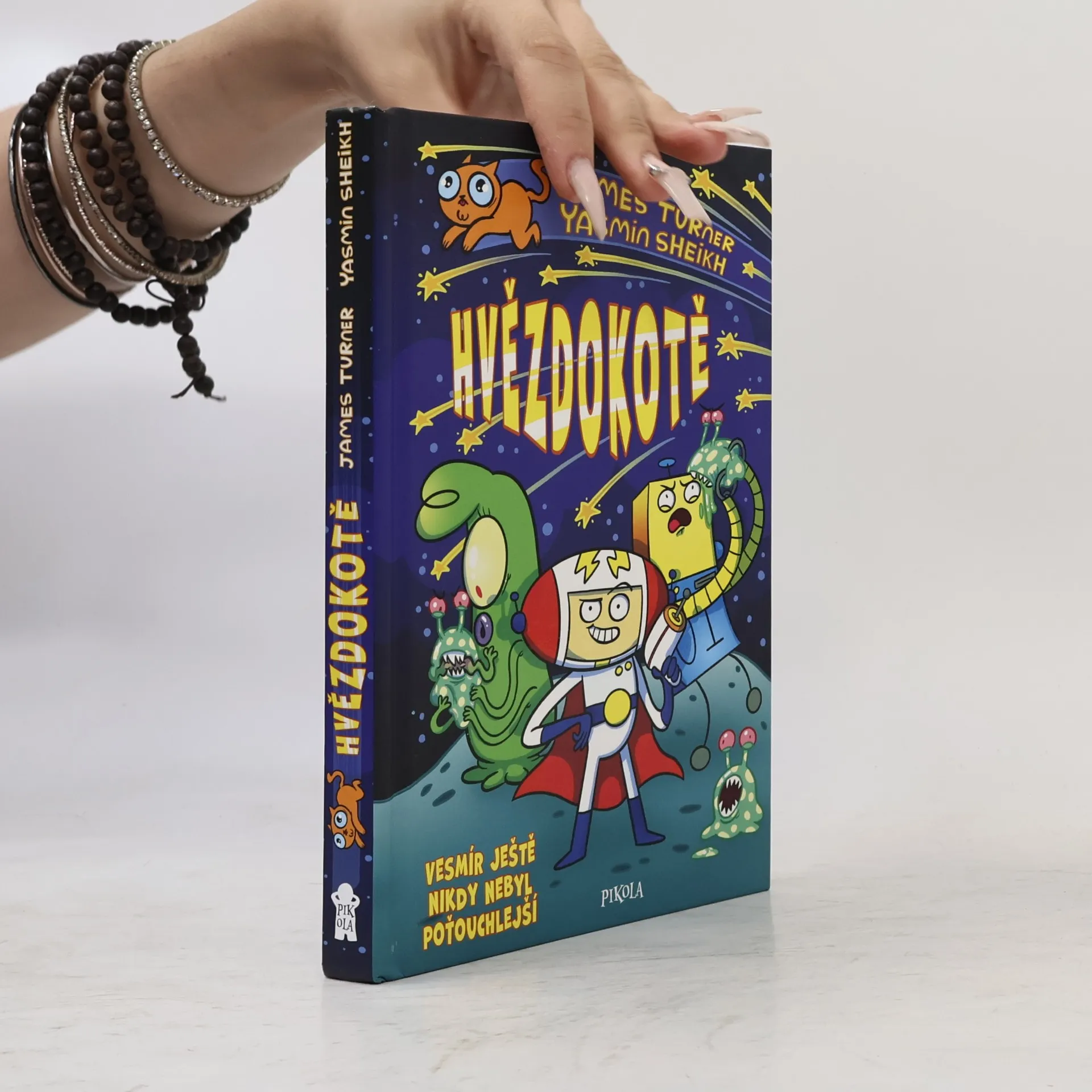
Hvězdokotě, kosmický koráb, který je napůl kočka, brázdí se svou posádkou nejtemnějšími hlubinami vesmíru. Za každým šutrem, hvězdou nebo měsícem na ně čeká nějaká patálie, s kterou se ne vždy popasují, jak by se očekávalo. Nejsou totiž moc sehraný tým… A do toho se kapitán Vesmírňák snaží získat medaili za největší hrdinství. Podaří se mu to?
For a clean energy future, few technologies are more important than batteries. Used for powering zero-emission vehicles, storing electricity from solar panels and wind turbines, and revitalizing the electric grid, batteries are essential to scaling up the renewable energy resources that help address global warming. But given the unique environmental impact of batteries?including mining, disposal, and more?does a clean energy transition risk trading one set of problems for another? In Charged, James Morton Turner unpacks the history of batteries to explore why solving ?the battery problem? is critical to a clean energy transition. At a time when climate activists focus on what a clean energy future will create?sustainability, resiliency, and climate justice?considering the history of batteries offers a sharp reminder of what building a clean energy future will consume?lithium, graphite, nickel, and other specialized materials. With new insight on questions of justice and sustainability, Turner draws on the past for crucial lessons that will help us build a clean energy future, from the ground up.