Samuel P. Huntington fut un politologue américain qui acquit une renommée grâce à sa thèse du "Choc des Civilisations" (1993, 1996) sur un nouvel ordre mondial post-Guerre Froide. Sa réputation académique antérieure reposait sur son analyse de la relation entre le militaire et le gouvernement civil, ses recherches sur les coups d'État et son examen plus récent des menaces que l'immigration contemporaine fait peser sur les États-Unis.
La politique internationale, sous l'effet de la modernisation, est en passe de se redéfinir sur des bases culturelles. Les frontières politiques se redessinent de plus en plus pour rejoindre les frontières ethniques, religieuses et civilisationnelles. Désormais, les points chauds se situent dans les zones de frictions entre civilisations : Bosnie, Tchétchénie, Caucase, Asie centrale, Cachemire ...
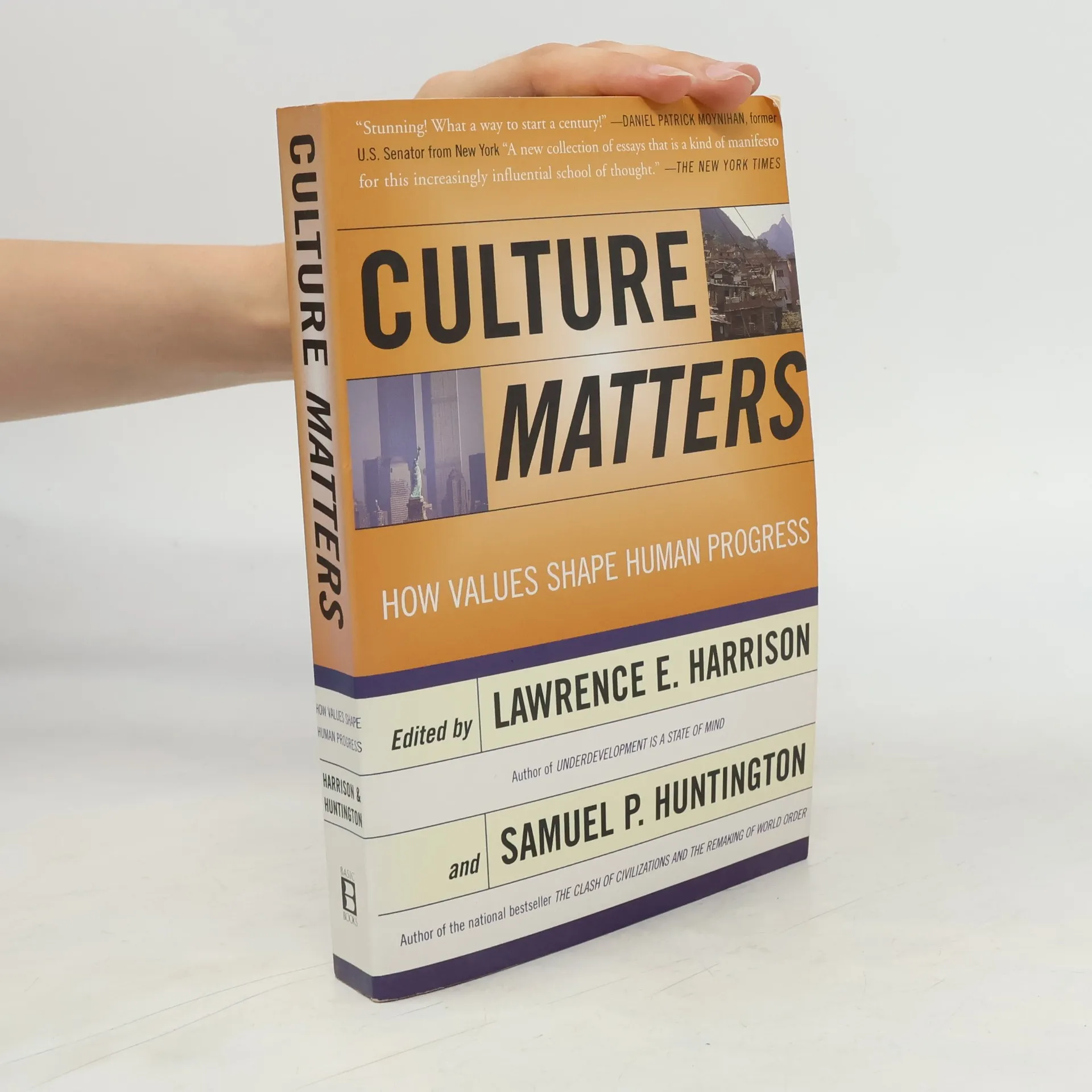
Prominent scholars and journalists ponder the question of why, at the beginning of the twenty-first century, the world is more divided than ever between the rich and the poor, between those living in freedom and those under oppression.
This now-classic examination of the development of viable political institutions in emerging nations is a major and enduring contribution to modern political analysis. In a new Foreword, Francis Fukuyama assesses Huntington’s achievement, examining the context of the book’s original publication as well as its lasting importance.“This pioneering volume, examining as it does the relation between development and stability, is an interesting and exciting addition to the literature.”—American Political Science Review“’Must’ reading for all those interested in comparative politics or in the study of development.”—Dankwart A. Rustow, Journal of International Affairs
Huntington examines the persistent gap between the promise of American ideals and the performance of American politics. He shows how Americans have always been united by the democratic creed of liberty, equality, and hostility to authority, but how these ideals have been frustrated through institutions and hierarchies needed to govern a democracy.
In this classic work, Huntington challenges old assumptions and ideas on the
role of the military in society. Stressing the value of the military outlook
for American national policy, Huntington has performed the distinctive task of
developing a general theory of civil-military relations and subjecting it to
rigorous historical analysis.
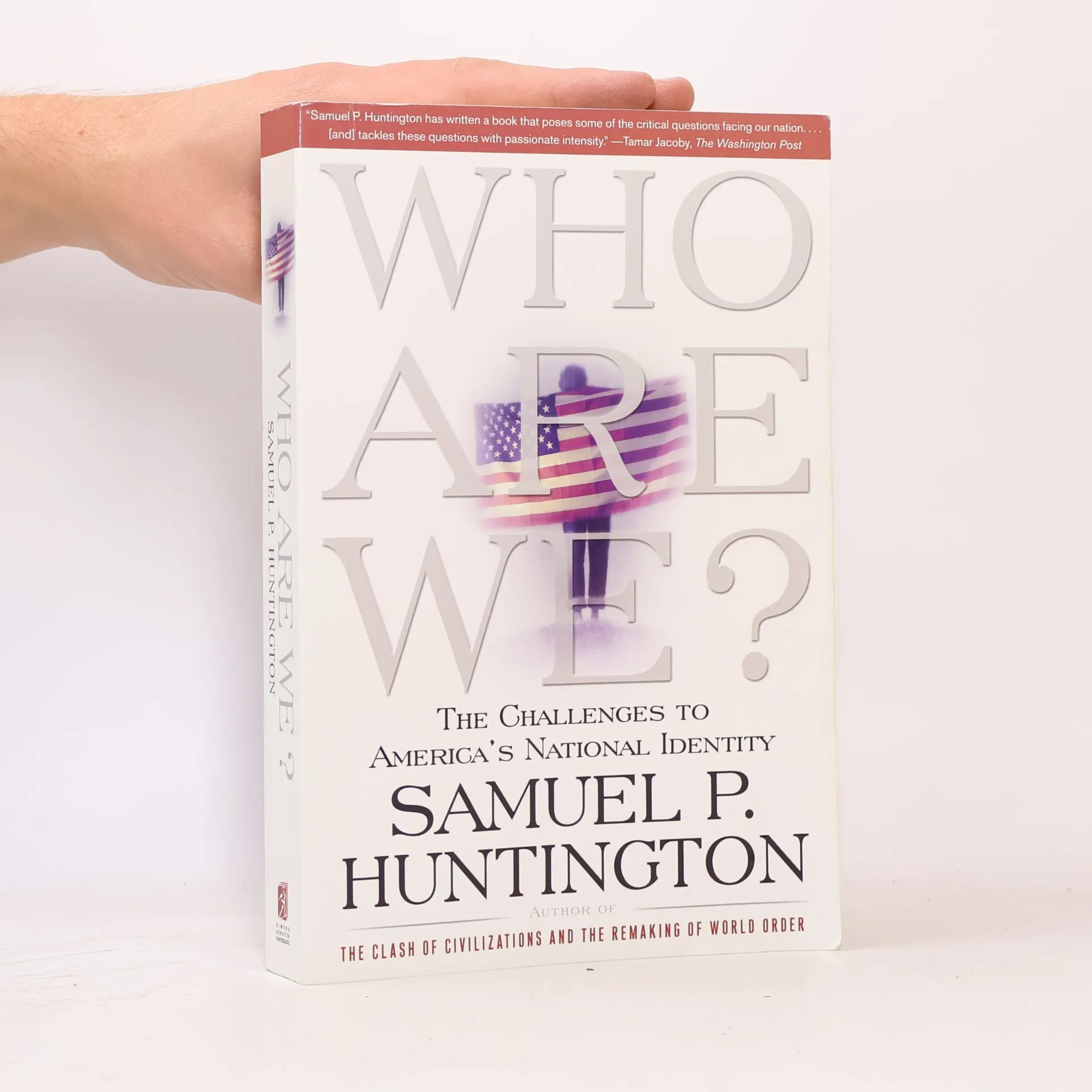
In his provocative new work, Huntington examines an identity crisis in America, focusing on the impact of other civilizations and their values on our national identity. He argues that America was founded by British settlers who introduced a distinct culture characterized by the English language, Protestant values, individualism, religious commitment, and respect for law. Over time, waves of immigrants assimilated into this Anglo-Protestant culture. However, the recent influx of primarily Hispanic immigrants has posed challenges to this assimilation, leading to issues such as bilingualism, multiculturalism, and the perceived devaluation of citizenship.
The events of September 11 sparked a revival of American patriotism and a renewed sense of identity, yet signs indicate that this resurgence is waning. Huntington emphasizes the necessity of reasserting the core values that define what it means to be American. His timely and thought-provoking analysis is poised to shape the national conversation about identity and values in contemporary America.
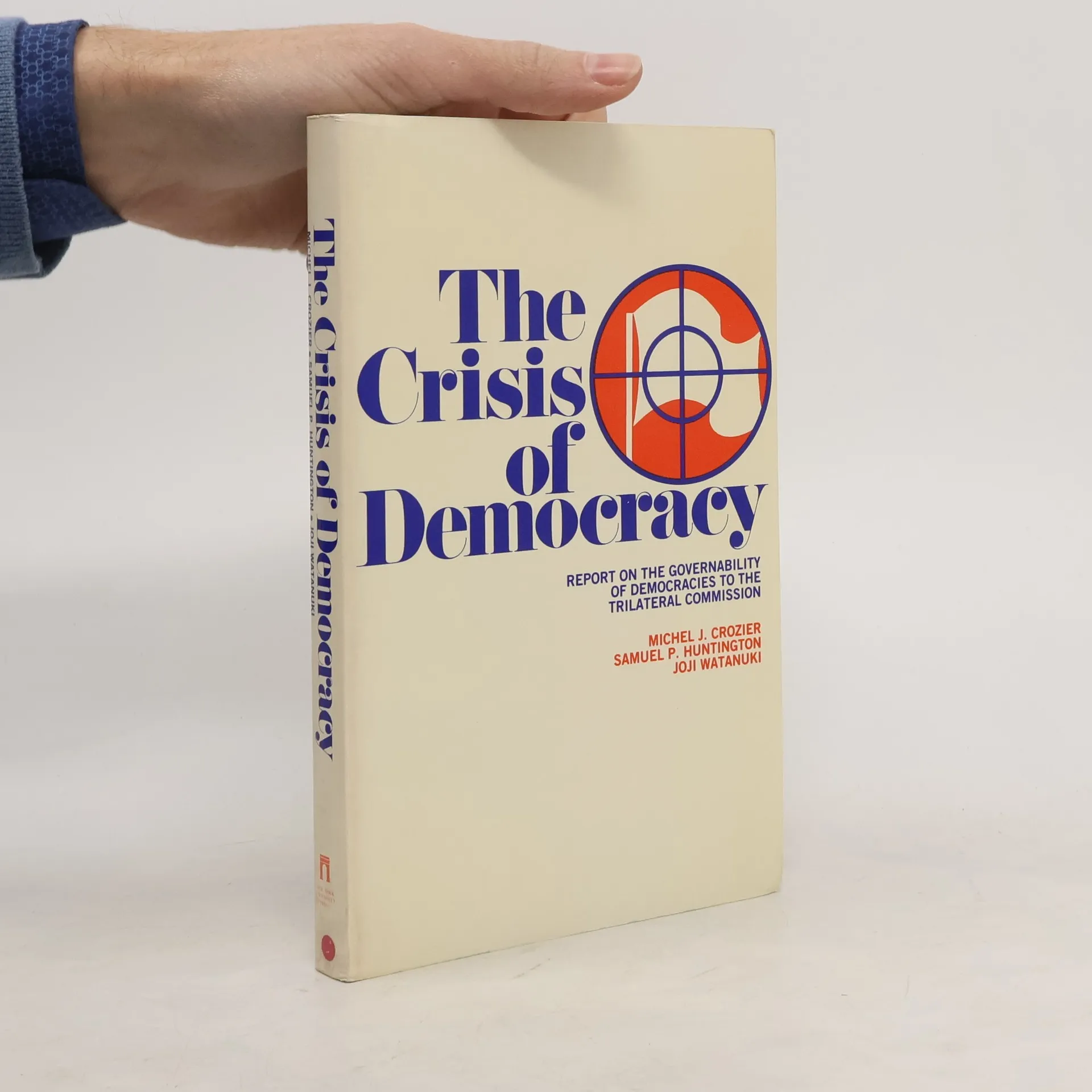
The Crisis of Democracy: On the Governability of Democracies was initially a 1975 report written by Michel Crozier, Samuel P. Huntington, and Joji Watanuki for the Trilateral Commission and later published as a book. The report observed the political state of the United States, Europe and Japan and says that in the United States the problems of governance "stem from an excess of democracy" and thus advocates "to restore the prestige and authority of central government institutions."
Between 1974 and 1990, over thirty countries in southern Europe, Latin America, East Asia, and Eastern Europe transitioned from authoritarianism to democracy, marking a significant political trend in the late twentieth century. This analysis examines the causes and nature of these transitions, assesses the stability of new democracies, and considers the potential for further democratization. These recent changes represent the third major wave of democratization, each followed by a reverse wave where some nations reverted to authoritarianism. Through concrete examples and empirical evidence, the author explains the factors driving this trend, including the legitimacy crises of authoritarian regimes, economic and social development, the evolving role of the Catholic Church, and the influences of the U.S., the European Community, and the Soviet Union. The "snowballing" effect, where change in one country inspires others, is also highlighted. Key elite groups influenced the democratization processes, with compromise, elections, and nonviolent tactics being central. New democracies face challenges such as the "torturer problem" and the need to cultivate democratic values. The author argues that disillusionment with democracy can be crucial for its consolidation. The book concludes with an analysis of the factors that will determine the continuation of this wave and offers practical guidelines for those involved in democratization e
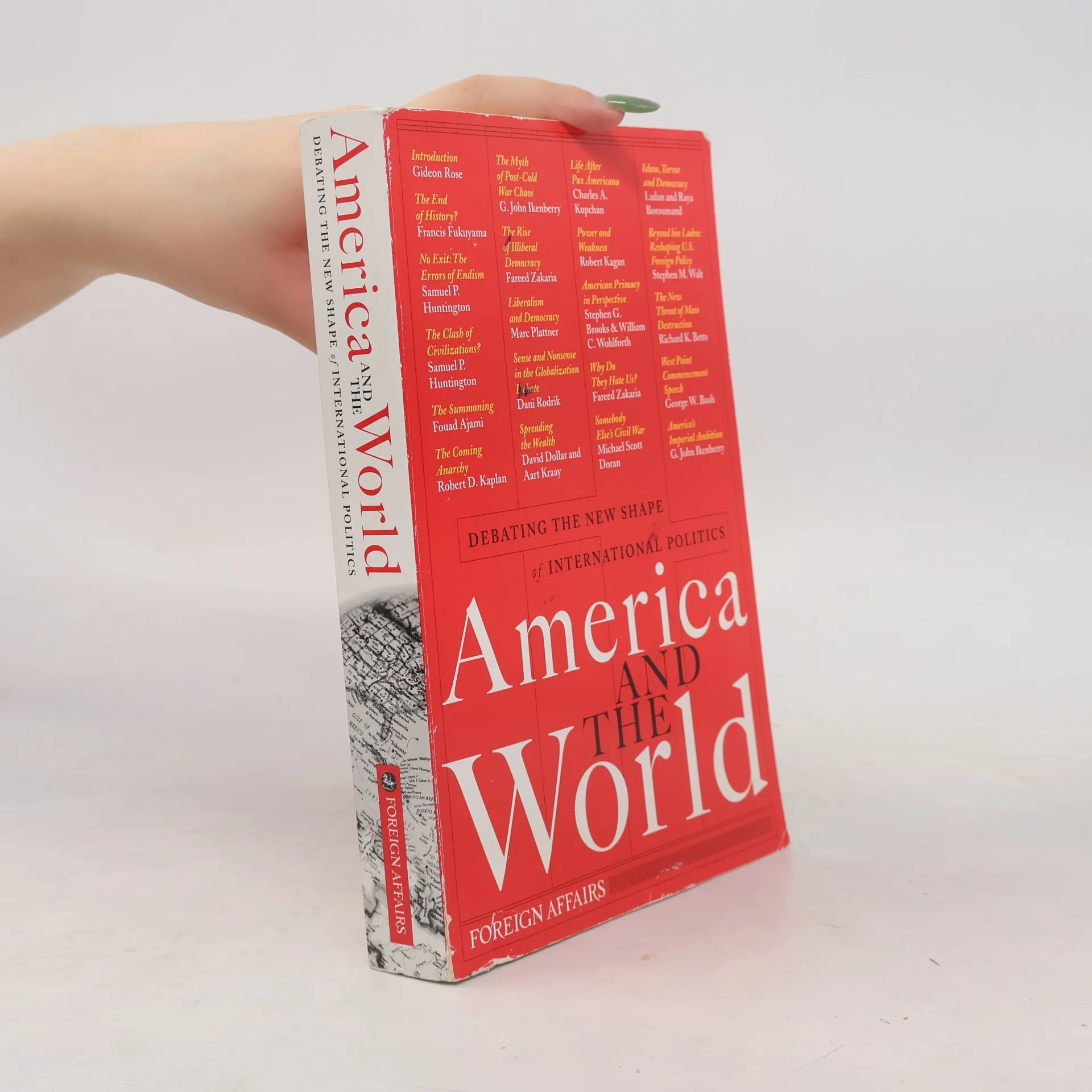
This comprehensive survey explores the key debates shaping U.S. foreign policy in the post-Cold War era. Following the Soviet Union's collapse, scholars have sought to understand the new international landscape. This collection showcases the insights of prominent thinkers, including Francis Fukuyama, Samuel P. Huntington, and Fareed Zakaria, who analyze the driving forces behind global events and America's response. Central questions addressed include the significance of ideology, culture, and power, as well as the future of global order versus chaos. The contributors examine the strength and vulnerabilities of the United States and discuss the appropriate use of its power for protection. Engaging with each other's arguments, these authors provide a rich dialogue that educates readers on contemporary international relations. Originally published in leading journals, these articles form an essential reading list for those interested in understanding current global dynamics. Notable contributors include Fouad Ajami, Richard K. Betts, Stephen G. Brooks, Robert D. Kaplan, and Stephen M. Walt, among others.
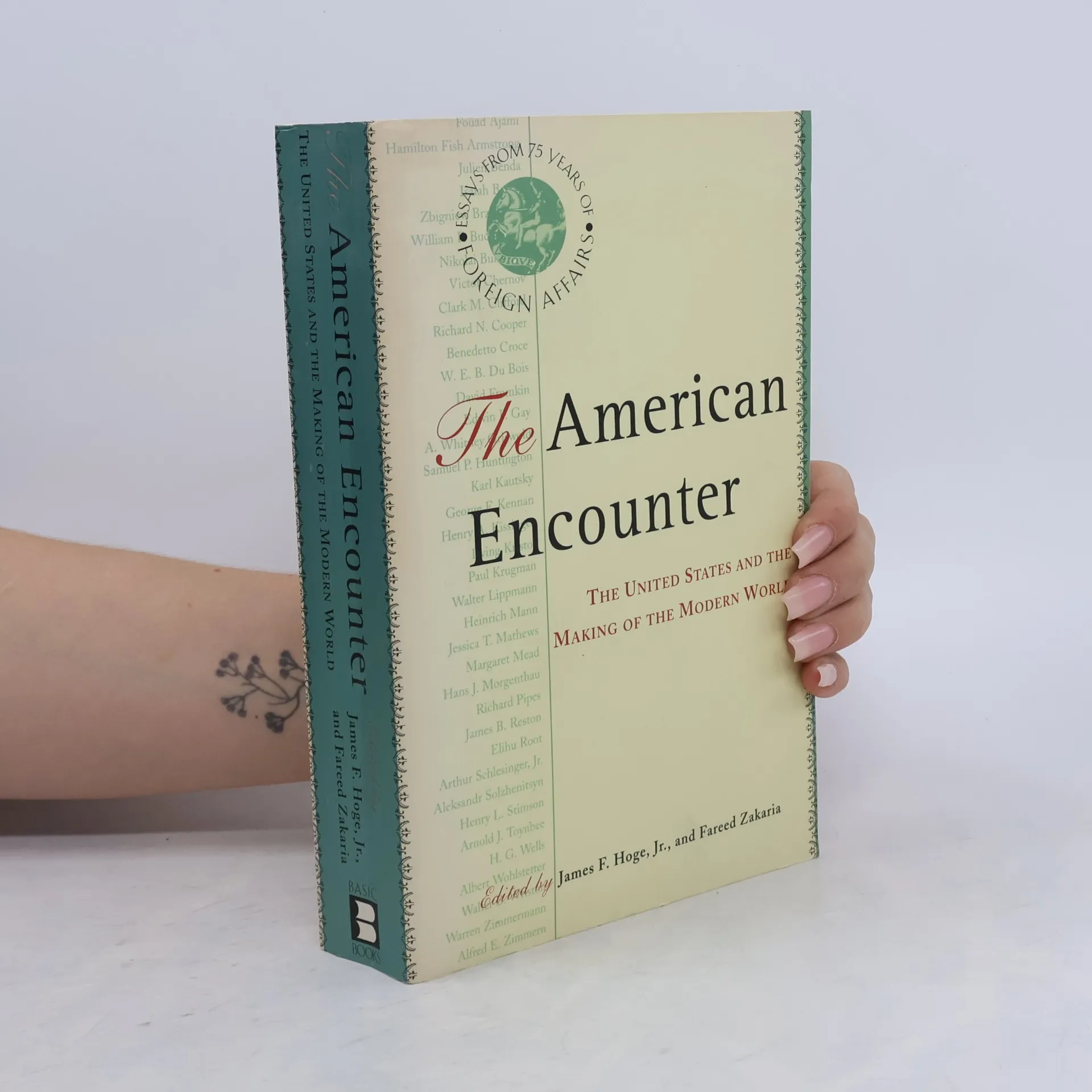
The United States and the Making of the Modern World: Essays from 75 Years of Foreign Affairs
672pages
24 heures de lecture
Since its founding in 1922, Foreign Affairs has established itself as the premier journal of international relations, offering profound commentary on global politics and economic policy. America's significant role in world events—military, political, economic, and ideological—has been central to discussions within its pages. Notably, it was here that George Kennan introduced the containment policy, shaping U.S. Cold War strategy. The journal has hosted debates among statesmen-scholars like Henry Kissinger and Arthur Schlesinger on critical issues such as nuclear weapons and human rights, while journalists like Walter Lippmann and James Reston have provided insightful analyses of American foreign policy. Thinkers like Isaiah Berlin and Samuel Huntington have explored the evolving dynamics of the world. In The American Encounter , readers will discover landmark essays that reflect a unique intellectual history of the past century and America's extraordinary influence within it. This collection stands apart, as there is no other publication like Foreign Affairs . The American Encounter serves as a vital connection to historical giants—visionaries whose insights and warnings resonate today, enhancing our understanding of America's role on the global stage.
Historické kořeny a současná krize hodnot, které tvoří základ národní identity Američanů. "Tradiční americké hodnoty" a multikulturalismus.
Charakteristika americké národní identity. Její základní složky vycházející z angloprotestantské kultury (individualismus, sebeprosazení, rovnost příležitostí). Proces formování amerického národa v průběhu historického vývoje. Idea jednotného národa a její historické proměny. Přistěhovalectví a multikulturalismus. Rozpad tradičních hodnot, "nová tvář" Ameriky a perspektivy pro 21. stol.